In real rooms
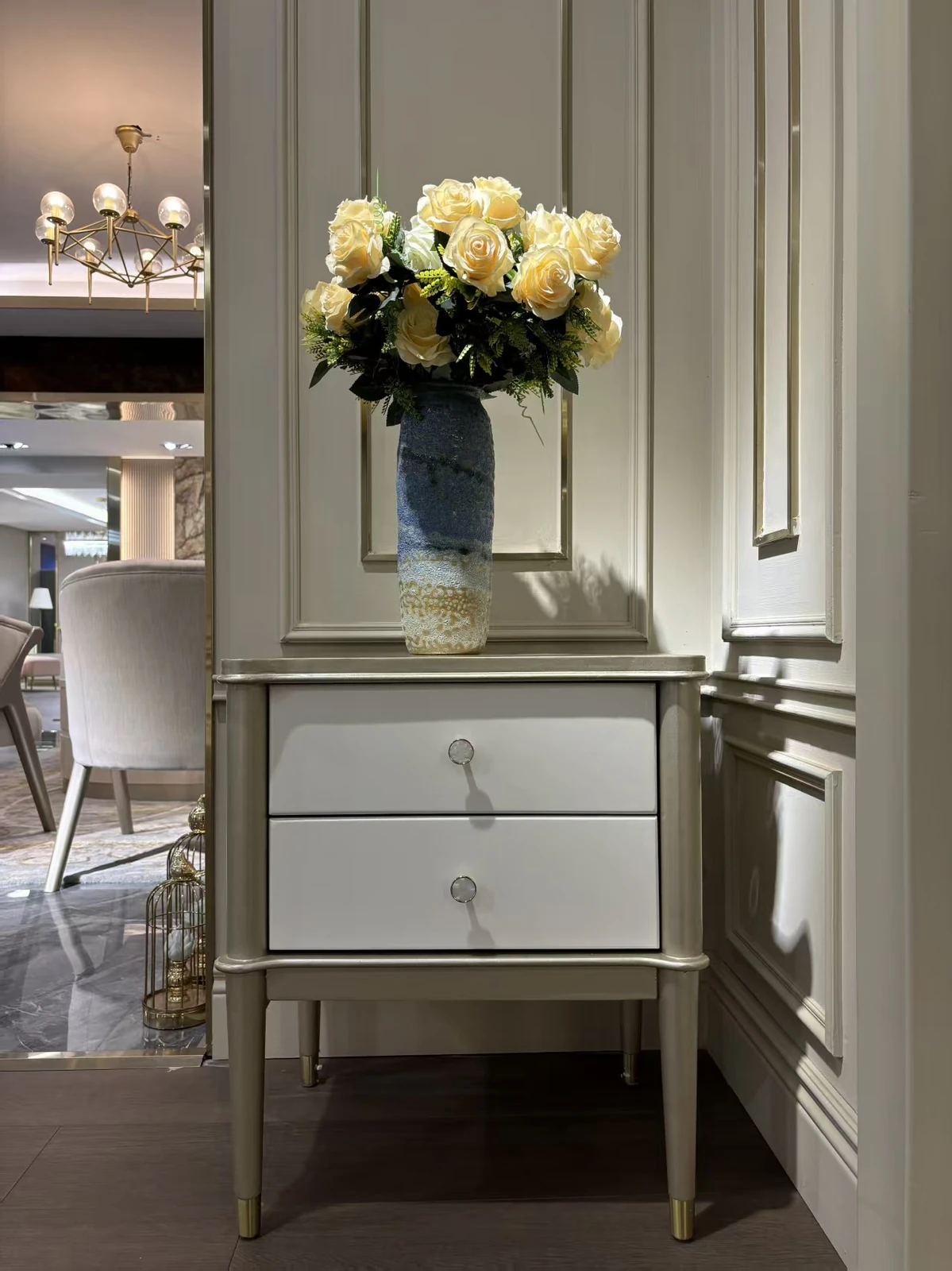
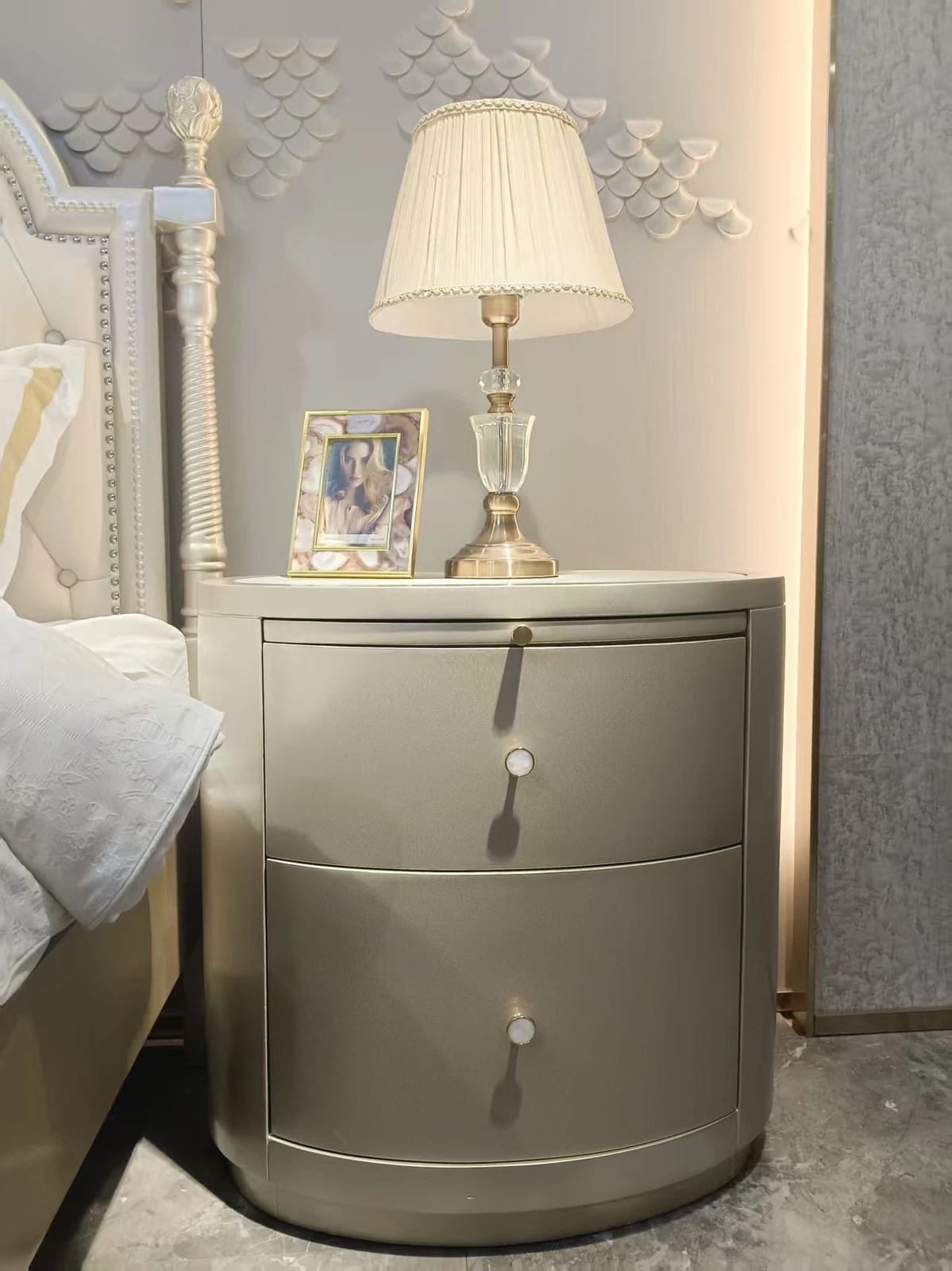
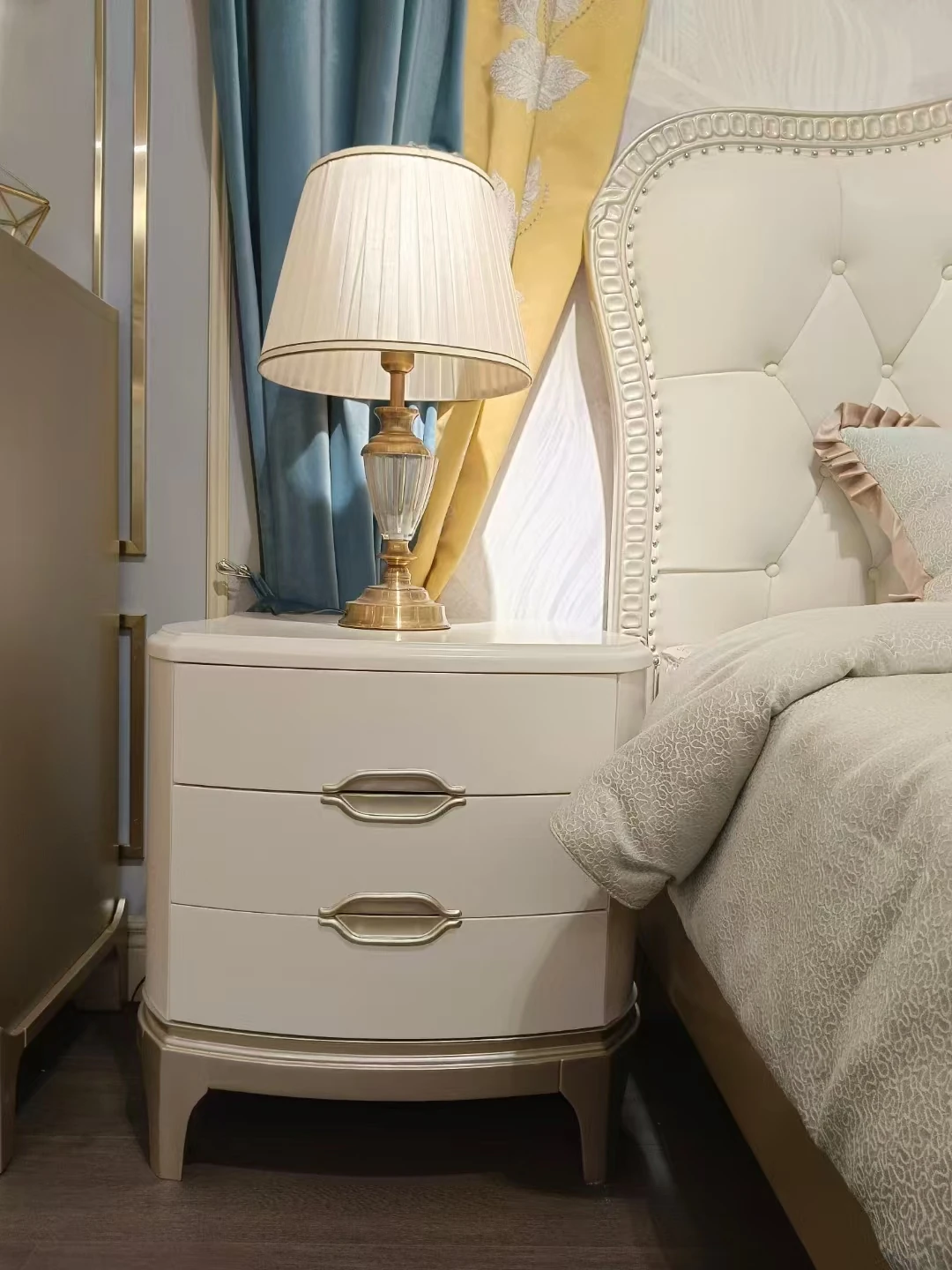
Singapore's Nightstand Resource
Navigate every decision — from HDB-sized bedrooms to coastal-condo humidity — with locally tested guides, real buyer stories, and honest comparisons across Singapore's furniture landscape.
Whether you're hunting for an IKEA Hack, commissioning a local carpenter, or simply matching your floating bedside to a new mattress, these articles cover it all.
Start by measuring your bed height and the space beside it. A nightstand should sit flush with—or just below—the mattress top, not tower above it. Check that there is enough clearance for drawers or doors to open fully, and leave room to walk past without tripping. Note whether you need surface space for a lamp, phone charger, or book, and match the material to your climate: solid wood and bamboo hold up in humid Southeast Asian summers better than particleboard. Compare at least three options on dimensions, weight capacity, and construction joints before deciding. Ask about warranty, assembly requirements, and whether the finish is scratch- and water-resistant. Finally, visualise how the piece looks alongside your existing bedroom furniture—scale and tone matter more than any trend label.
A durable nightstand starts with solid hardwoods like teak, oak, or maple—avoid pressed particleboard that swells in humidity. Look for mortise‑and‑tenon or dovetail joints; screw‑and‑glue corners will loosen over time. Drawers should glide on full‑extension metal slides with reinforcement brackets, not cardboard bottoms. Check that edges are finished and veneers are thick enough to resist peeling. Warning signs include wobble when you press the top, squeaking joints, drawers that sag or catch, and any visible glue residue or uneven gaps. In humid climates, prefer sealed surfaces and avoid fabric‑wrapped bases that trap moisture.
A nightstand in a HDB flat in Singapore is a compact drawer unit against a wall of built-ins, chosen for its height and finish rather than its footprint. In a Kuala Lumpur apartment, it must accommodate a floor fan cord and a small water carafe, doubling as a surface for the daily tea ritual. Tokyo’s shoebox bedroom demands a wall-mounted shelf or a narrow pedestal that leaves the floor visible. A Korean hanok-style room calls for low, ground-level storage with a smooth finish for floor-sitting. And in Bangkok’s humid climate, rattan or ventilated wood construction beats solid walnut, which would swell and stick. Each market wants a nightstand that respects its climate, its ceiling height, and its morning routine.
The most common questions boil down to three things: will it fit, does it hold my phone, and how hard is assembly? Buyers in compact urban apartments want exact dimensions—especially width and depth—so they can confirm the piece fits beside their bed without blocking drawers or walkways. They also ask whether the surface is flat enough for a smartphone or tablet and whether an open shelf fits a power bank discreetly underneath. For regions with humid climates, material choice matters: solid teak and sealed veneers hold up better than uncoated MDF. Finally, assembly is a frequent concern; buyers prefer pieces that arrive with pre-drilled holes and clear instructions rather than complex hardware, since most live alone and assemble furniture themselves.
Want the longer version? Browse all buying guides for this category.
Answers to what Singapore buyers ask most