Complementing Warm Minimal Interiors with Nightstands
A warm minimal interior is not the same as a cold, showroom-white room. It needs enough wood tone, tactile texture, and softened light to make a Singapore home feel comfortable without crowding the limited floor area found in many HDB flats and condos. The right nightstand is especially useful here because it sits beside the bed, occupies valuable space, and becomes part of the daily landing point for a phone, water glass, book, and bedside lamp.
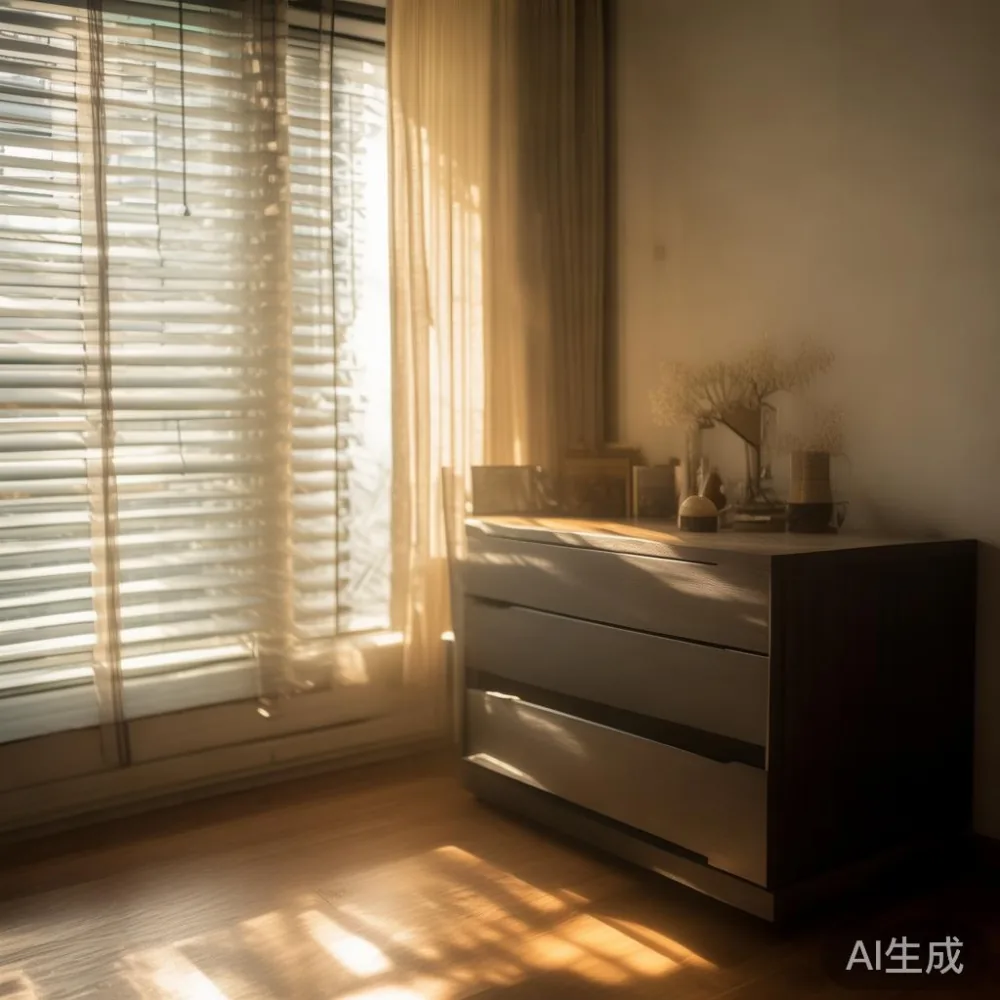
At MIDHILL, we work with solid wood furniture intended for practical homes, with a focus on proportion, finish, and durability. A good match should look relaxed rather than overly decorated, fit the bed, and remain useful after years of use. The measurements below matter more than a style label: a compact room in Tampines may require a narrow unit, while a larger Bedok condo bedroom may have room for a wider piece with drawers or a lower shelf.
What makes a warm minimal interior different?
Minimal interiors use a restrained number of forms and colours, but warmth comes from variation rather than decoration. Natural timber, linen, brushed metal, woven fibres, and warm white walls create a gentle rhythm. The room may contain only 5 or 6 repeated colours, yet each surface can still contribute a different texture.
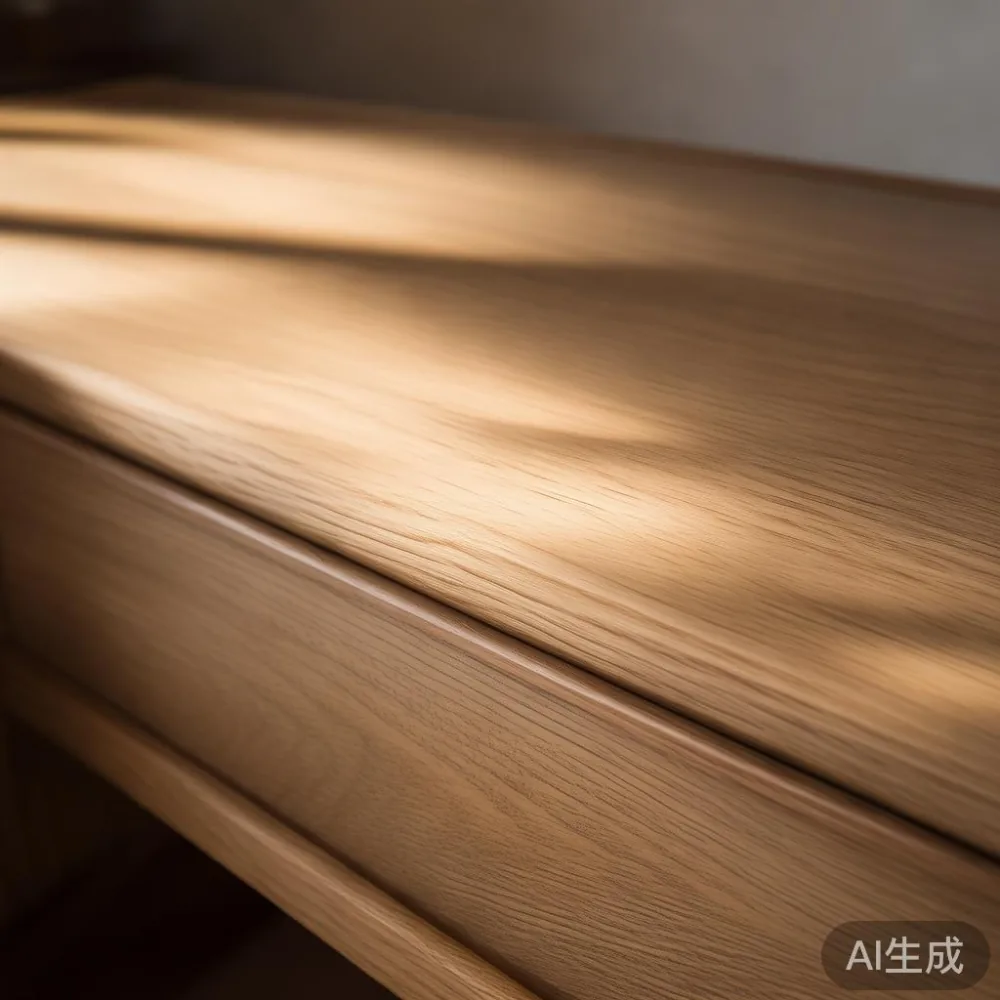
For a Singapore bedroom, consider a wall colour between warm white and soft greige, a solid wood bed frame in oak, ash, or walnut, and a nightstand with visible grain. The finish should not be so glossy that it reflects the overhead light harshly. A matte or low-sheen surface usually works better beside a bed because it produces fewer distracting highlights.
Scale is equally important. A 150 cm bed with a 45 cm-wide nightstand can create a balanced pair, while a 180 cm king-size bed may support units from 45 cm to 60 cm wide. For an HDB master bedroom measuring 3 m by 4 m, leaving approximately 60 cm of circulation space along the side of the bed is a useful starting point. A nightstand deeper than 40 cm can intrude into that route, particularly beside an open door.
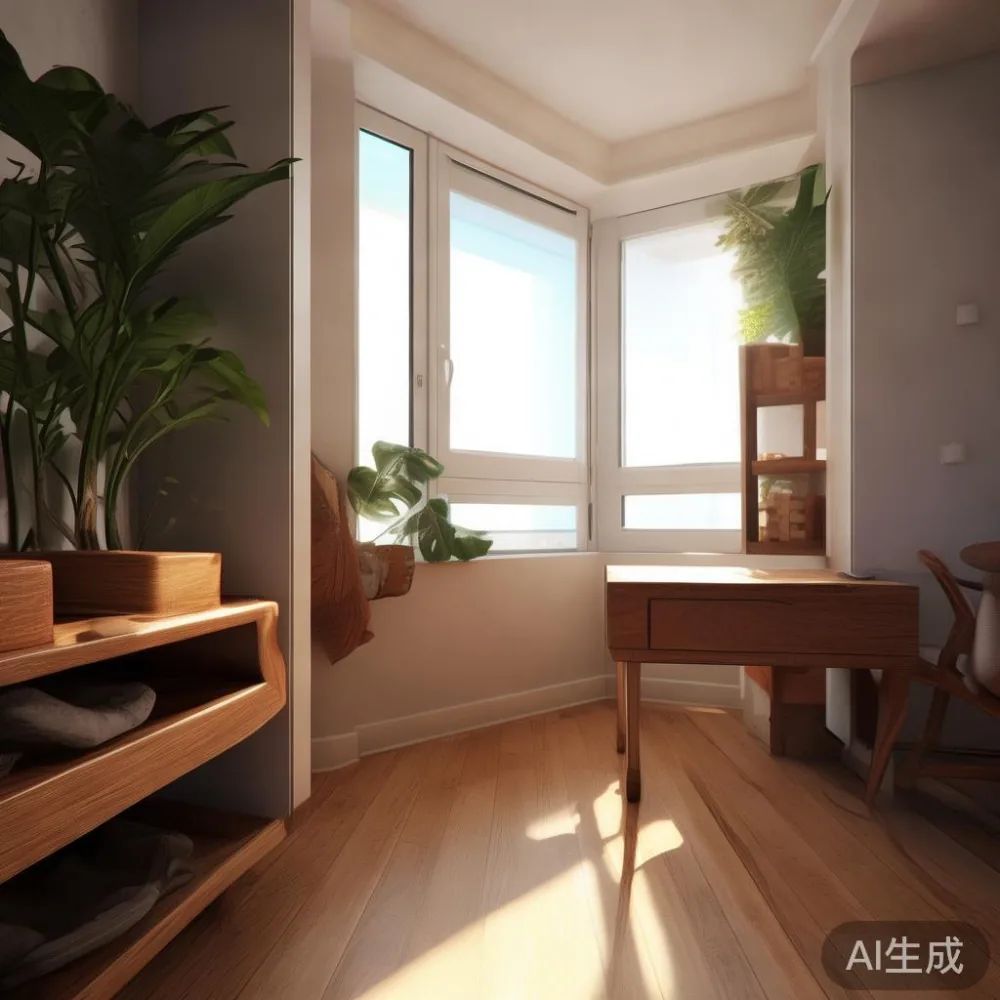
The lighting also affects the wood tone. Warm bulbs around 2700K make honey oak appear richer, while cool 4000K light can make a pale finish look grey. If the bedroom has no dimmer, one warm bedside lamp can soften the room without changing the wall colour or adding more furniture.
Which nightstand width should I choose?
Measure the bed before ordering, including the mattress overhang. A nightstand should generally be close to the mattress height, within about 5 cm, and its top should sit near or slightly below the top of the bed frame. This gives the bedside surface a connected appearance and prevents the table from looking like a separate office desk.
For narrow Singapore bedrooms, a 35 cm to 40 cm nightstand is often practical. A 40 cm wide, 40 cm deep, 50 cm high model fits beside a 90 cm or 120 cm bed without blocking the main walkway. In a compact HDB room, that difference can preserve 10 cm to 15 cm of usable passage beside the bed. A 50 cm or 55 cm wide unit is more generous for a condo bedroom where the side aisle is at least 70 cm clear.
Depth matters as much as width. A 30 cm to 35 cm depth is enough for a phone, a 250 ml water bottle, and a book, but it is less suitable for a 28 cm speaker or a larger lamp base. A 40 cm to 45 cm depth accommodates those objects and allows a drawer to open without hitting the bed frame. Test the drawer in the room before purchase: pull it out by approximately 35 cm and check that your knee or the door swing does not interfere.
Height should also relate to the bedside task. A 48 cm to 55 cm nightstand suits most standard bed frames and makes it easy to reach a switch. A 58 cm to 65 cm model feels more substantial beside a low platform bed but can look oversized in a small room. If the bed frame is already tall, choosing a lower nightstand avoids making the entire composition climb upward.
How do I match solid wood to the rest of the room?
Begin with the bed frame, since it usually carries the largest visible wood surface in a bedroom. If the bed frame is solid oak, the nightstand can be oak or a closely related tone. If the bed frame is painted or upholstered, a natural wood nightstand adds warmth and gives the room a useful focal point.
Avoid trying to match different wood species by colour alone. Walnut has deeper brown undertones, while oak has visible grain and a lighter honey tone. A slightly different finish can look intentional when the shape is simple and the colours sit within the same warm family. For example, a pale ash nightstand beside a medium-oak bed frame creates quiet contrast without becoming visually loud.
The grain direction also affects the impression. Long, vertical grain on a tall nightstand can make a small room feel slightly more orderly, while broad horizontal grain can give a low unit a grounded character. Do not expect an exact colour match from screen images alone. Request samples when possible, then view them under the bedroom’s daytime and evening lighting. If the supplier cannot provide a sample, ask for clear photographs in daylight and note that natural wood variation is normal.
For the room, a solid wood sofa in a living area, a solid wood dining table in a dining zone, and a wardrobe with restrained handles can support a warm minimal scheme. The nightstand should not compete with these larger pieces. Keep its profile clean, choose one drawer or open shelf rather than many small compartments, and limit the objects on top to 3 or 4 everyday items.
Can a small nightstand still feel luxurious?
Yes, if luxury comes from proportion and finish rather than added bulk. A compact nightstand with a 20 mm top, softly eased edges, precise joinery, and a drawer that closes without a visible gap can feel more refined than a large, heavily ornamented unit. This is where post-modern light luxury works well: simple geometry, honest materials, and one carefully judged detail, such as a recessed finger pull or a slim brass-toned handle.
French light luxury tends to introduce softer curves, muted cream tones, and delicate metal accents. A nightstand with a rounded corner or an oval top can support that direction without making the bedroom formal. Keep the styling light: a small ceramic lamp, a linen-covered book, and a single stem in a narrow vase will be enough.
American light luxury often relies on clean lines, deeper timber tones, and generous upholstery in the wider room. A walnut-toned nightstand beside a solid wood bed frame can fit this approach, especially if the walls are warm off-white and the bedside lamp has a simple linen shade.
Budget is only one part of the decision. A solid wood nightstand may cost SGD 320 to SGD 760 depending on size, timber, drawer construction, and finish. A marble table may be used in a living room as a contrast surface, but marble beside the bed can feel cold unless balanced with wood and warm light. For the bedroom, a timber top is usually easier to coordinate with the bed frame and safer around water and daily use.
What should I put on a nightstand in a Singapore bedroom?
Choose objects with a reason to be within arm’s reach. A phone, a small lamp, a glass of water, a book, and perhaps a pair of glasses cover most needs. Leave at least 15 cm of clear top space so the surface does not become crowded. A 40 cm wide nightstand with a 30 cm usable top area can hold a lamp with a 15 cm base and a book without looking overloaded.
Plan around humidity and condensation. Use a coaster that extends beyond the base of a water glass, keep drinks away from the rear edge, and allow approximately 5 cm between the lamp and the wall if the cable needs space. A concealed charging strip can reduce visible cables, but check that the strip does not occupy the drawer awkwardly. Route the cable down the back rather than across the walking side.
In a Punggol or Tampines HDB flat where bedroom doors open inward, a nightstand with a depth below 40 cm may prevent the drawer from being fully opened when the door is open. This is a small but meaningful issue. Before buying, open the door fully, pull the drawer out, and rehearse the movement. The same check applies to a lift corridor or narrow bedroom route: the furniture should be easy to carry without damaging the wall or door frame.
One real example came from a Singapore project visit last month. My colleague measured a master bedroom in Bedok with 275 cm of available wall length beside a 180 cm bed frame. A 55 cm nightstand looked attractive in the catalogue, but its 48 cm depth crowded the side aisle. We shifted to a 45 cm wide and 36 cm deep unit with a 52 cm height. The smaller dimensions gave the bed more breathing room, and the warm oak finish made the wall look less flat without adding a strong colour.
How do I choose a finish that will age well?
For daily use, choose a finish that can be maintained and renewed. MIDHILL provides a 10-year structural warranty and lifetime refinishing on qualifying furniture, which offers reassurance for long-term use. The finish also affects maintenance: a lightly textured surface hides small marks better than a high-gloss coating, while a darker stain can make dust and water rings more noticeable.
Ask about the exact finish, available colours, and the refinishing process before placing an order. Natural wood changes slightly as it responds to light and humidity. Singapore’s humid climate makes stable joinery and proper finishing important, especially for a nightstand that sits near an open window or air-conditioning vent.
For a warm minimal bedroom, an oiled or matte finish in a light oak tone is versatile. A walnut tone can provide stronger contrast against cream walls, but it should be repeated in at least one other element, such as the bed frame, to avoid looking isolated. If the room already has a marble table or cool grey furniture, a medium timber nightstand can act as the warming transition.
Delivery and installation should also be part of the calculation. Confirm the delivery days, access fees for HDB flats, and whether lift booking is included. A lift with a 90 cm door and a 140 cm deep cabin may accept a flat-packed nightstand, whereas a rigid carton could be difficult to manoeuvre through a narrow corridor. Ask for the packed dimensions, not only the assembled dimensions.
For local shoppers, the total cost should include GST and delivery. A nightstand listed at SGD 420 before GST becomes approximately SGD 441 after 9% GST. Shipping terms can affect the final figure; for example, free delivery over US$350 may not translate directly into a free Singapore delivery threshold, so request the local quote in SGD. Returns are generally accepted within 14 days under the stated policy, subject to the item’s condition and the supplier’s terms.
Can this approach work for a guest room?
Yes, and the same principles apply with a slightly lighter touch. If the room serves as a study some days and a guest room at night, a nightstand with one drawer and an open lower shelf can provide both storage and display space. Keep the top surface ready for a lamp and a book, and place a slim charging cable behind it. Use one framed print rather than several small accessories.
Search terms such as Vintage for guest room can help when assembling a mood board, but the actual furniture should suit the dimensions and the architecture of the room. A vintage-style nightstand with turned legs may work in a larger Tampines condo; in a compact HDB bedroom, a simpler silhouette will usually create more visual space.
For larger pieces elsewhere in the home, a search for how to style French wardrobe in apartment can be useful for choosing warm cream or muted taupe finishes. The question of is Japandi wardrobe worth it depends on storage needs and available room width, not on the label alone. Similarly, the best Mid-century modern sofa for 2026 and the best French provincial sofa for 2026 are useful categories for a living-room brief, but the nightstand should still connect to the bed frame through wood tone or finish.
What if my bedroom is only 2.5 metres wide?
Start with a narrow, shallow nightstand and accept a lighter visual profile. For a 2.5 m wide room with a 150 cm bed, there may be roughly 50 cm of remaining width on one side after allowing for wall clearance. A 35 cm to 40 cm nightstand can fit that zone, while a 45 cm unit may require careful placement opposite a wardrobe or door.
Keep the bed frame visually simple and avoid a tall headboard that competes with the nightstand. A wall-mounted shelf can provide a second surface above a narrow nightstand, but check that the shelf does not interfere with the headboard or curtains. One warm lamp, a small tray, and a single object will preserve the room’s calm character.
Also consider whether the table must be freestanding. A 30 cm wide pedestal nightstand can be tucked partly under the bed frame if the clearance permits, although it should not obstruct the bed’s movement. Measure the gap beneath the bed and the height of the frame before deciding. The safest option is a stable unit that remains fully visible beside the mattress.
For a larger room, scale up gently rather than choosing a bulky piece by instinct. A 50 cm wide nightstand with two drawers can work beside a 180 cm bed, but a 55 cm unit may suit a 200 cm bed frame better. Keep the top around 50 cm to 58 cm high and the depth around 35 cm to 45 cm. Those ranges give you room for practical objects while preserving a clean line.
How do I make the final choice without overthinking it?
Write down 5 measurements: the bed width, the available wall length, the maximum nightstand depth, the bed-frame height, and the clear route to the door. Then choose 2 or 3 nightstand designs within those limits. Compare them in the room at the same time of day, checking the wood tone under both daylight and warm lamp light.
The final decision should answer 4 questions. Does the nightstand fit without blocking the door or walkway? Is the height comfortable beside the bed? Does the timber support the room’s warmth? Can the surface hold the things you use every evening without becoming cluttered?
For one nightstand, Singapore shoppers can expect delivery planning to take several days after confirmation, with the exact lead time varying by stock and destination. Ask whether the quoted SGD amount includes GST, corridor or lift access, and assembly. Keep the product documentation for future care and warranty claims.
A warm minimal bedroom is built through restraint and touch: pale walls, a solid wood bed frame, a carefully scaled nightstand, and light that flatters the grain. When those elements agree in proportion, the room feels calm but still lived-in. That is the difference between minimalism as a visual trick and minimalism as a comfortable way to live.