How to Read a Furniture Warranty Without Getting Caught Out
Last month I visited a friend in a 4-room HDB flat in Bedok after she had ordered a nightstand from an online marketplace. The top panel had cracked along the grain after six weeks, and the seller pointed to a line of micro-text under "Warranty Exclusions" that effectively said: natural wood movement is not covered. She had paid S$289. The piece was already at the disposal centre. Her mistake was not buying a bad nightstand; it was buying a warranty she had never actually read.
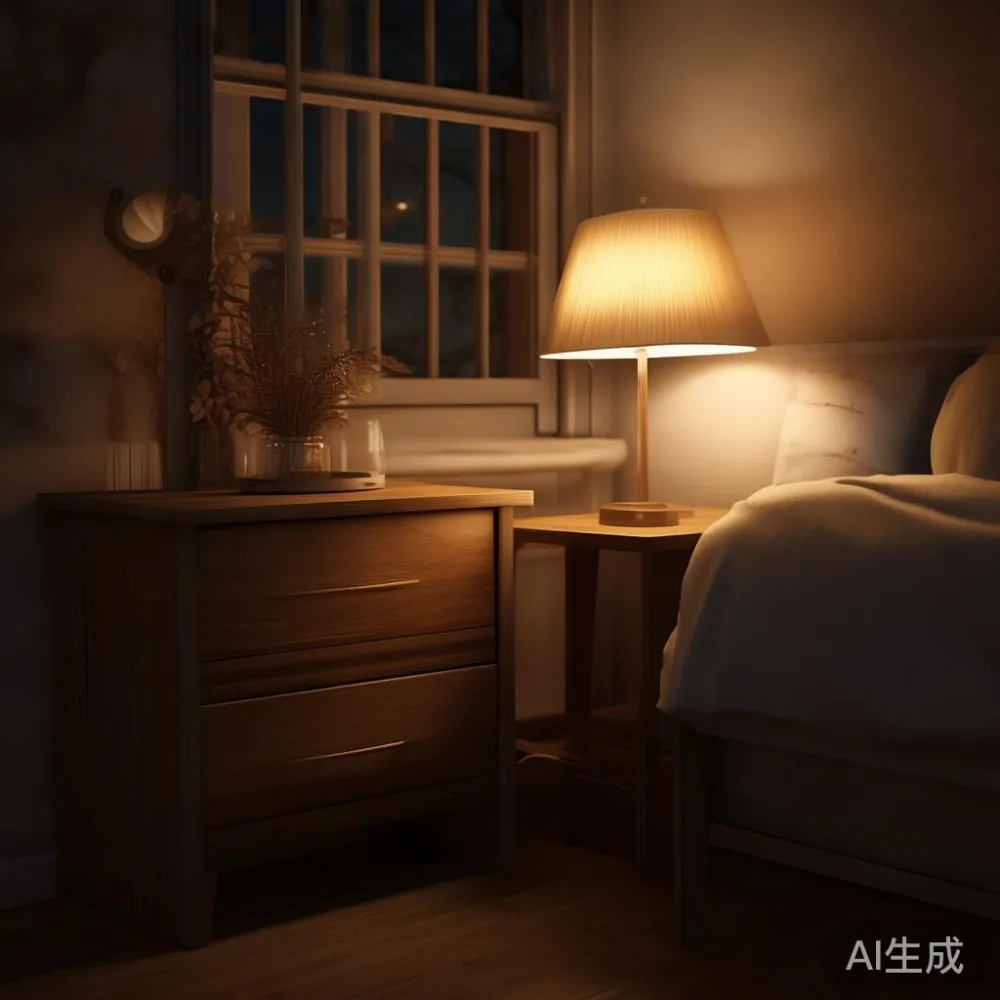
This guide is for anyone in Singapore shopping for a solid wood nightstand, bed frame, dining table, wardrobe, or marble table, and who wants to read the warranty like a contract rather than a marketing leaflet. I will use measurements in centimetres, weights in kilograms, prices in SGD, and reference local realities such as HDB corridor widths (typically around 1.2 m to 1.5 m), standard lift openings (about 0.9 m wide on older blocks, 1.0 m on newer ones), and the 9% GST that gets added at checkout.
The seven numbers every furniture warranty must spell out
Before you look at the brand name, the wood species, or the photo of the nightstand sitting on a boucle rug, find these seven numbers. If a warranty does not give them to you in writing, treat that as the answer.
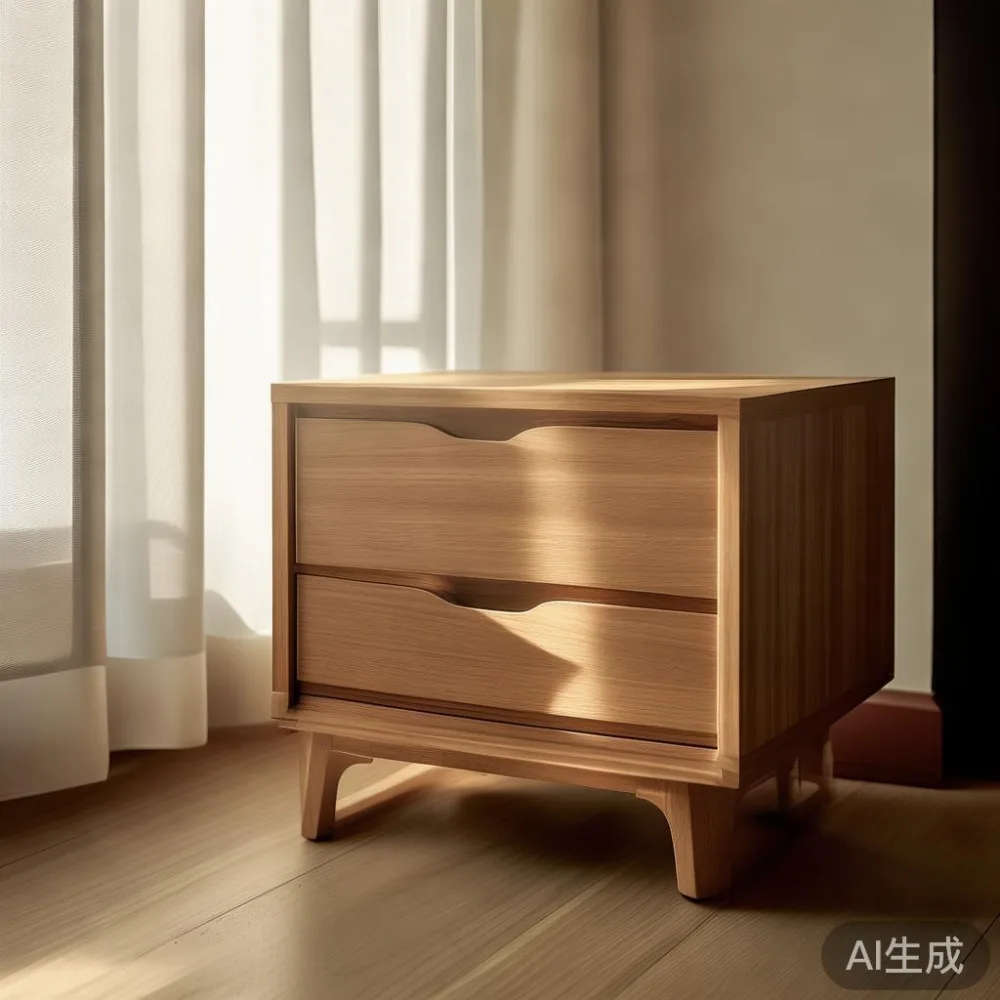
1. Warranty length, in years. Not "limited warranty." Not "lifetime." A number followed by years. For a solid wood sofa or a bed frame, 5 to 10 years on the structure is a reasonable starting point. Anything shorter than 2 years on a piece above S$1,000 is a flag.
2. What the years actually cover. A 10-year warranty that only covers the hinges on a wardrobe is not a 10-year wardrobe warranty. Look for the words "structural," "frame," "joinery," and "load-bearing components." If the warranty covers the structure, it covers the rails, legs, slats, and stretchers of a nightstand.
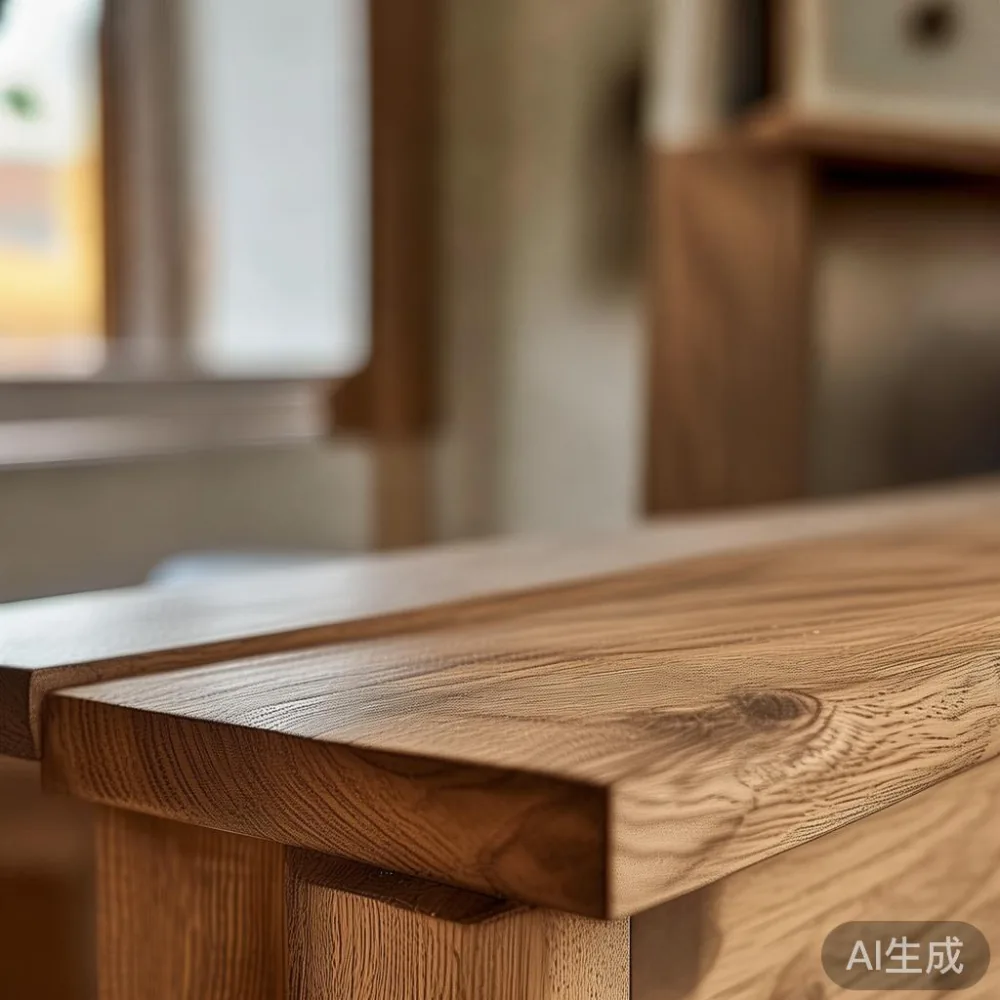
3. Who pays for shipping both ways. A warranty that pays for the replacement but not the S$60 to S$120 courier round-trip in Singapore is a partial warranty. Ask whether the company arranges the pickup or expects you to drag a 28 kg nightstand down to a depot.
4. The repair-or-replace ladder. Good warranties attempt repair first, then part replacement, then full replacement. The order matters: a company that skips repair and just sends a new top panel will save you weeks.
5. The finish warranty. Wood finishes fail differently from joints. Cracking, peeling, and excessive fading under Singapore's UV index of 11 to 13 should be addressed separately. One year on finish, with options to refinish, is fair.
6. The exclusions list. This is where most buyers get caught. Read it for these phrases: "natural wood movement," "humidity damage above 65% RH," "commercial use," "improper cleaning," "modification." Each one is a potential loophole.
7. The claim window. Some warranties require you to register the product within 14 or 30 days of delivery. Miss the registration and you waive the cover, even if the breakage happens in year three.
What is the best TV console for a small apartment?
The best TV console for a small apartment is one whose width fits your TV wall with at least 5 cm of clearance on each side, whose depth stays under 40 cm so it does not block walkways, whose top can hold at least 40 kg for a 55-inch to 65-inch television, and whose warranty explicitly covers drawer runners for at least 3 years and the top panel for warping for at least 5 years. In a typical Singapore condo of around 90 sqm, a console between 150 cm and 180 cm wide, 38 cm deep, and 45 cm tall works in most living rooms without crowding the sofa.
Singapore-specific traps that void warranties
Singapore is hot, humid, and air-conditioned in cycles. That single fact explains roughly half of the warranty disputes I have seen on solid wood pieces, including nightstands, dining tables, and wardrobes.
Humidity swing. Indoor RH can drop from 80% in an un-air-conditioned service yard to 45% inside a bedroom running the air-con at 22 degrees. Solid wood moves across that range. If your warranty excludes "movement caused by humidity outside 40% to 65% RH," keep your bedroom between those numbers with a small dehumidifier or a hygrometer that costs about S$18 at a Tampines mall.
Direct sunlight. A west-facing window in a Punggol HDB can push afternoon temperatures above 34 degrees on the surface of a dark walnut nightstand. Fading and checking along the grain are predictable. Some warranties treat this as "environmental damage" and refuse cover. Position the nightstand at least 80 cm away from the window or use a sheer curtain.
Load misuse. A nightstand is engineered for maybe 15 to 25 kg across the top, not for a stack of coffee table books plus a 12 kg dumbbell collection. "Overloading" exclusions are common. Check the rated load in the spec sheet before you treat it like a side table.
Self-assembly error. If you assemble a bed frame yourself with the wrong dowels and a rail cracks in year two, most warranties will refuse. The fix is either to use the maker's assembly service (often S$80 to S$180 in Singapore) or to photograph every step.
Third-party movers. Scratches caused by movers you booked separately are almost never covered. If the seller offers white-glove delivery, take it.
Light luxury in plain English, and why it matters for warranties
You will see terms like French light luxury, American light luxury, Italian light luxury bed australia, and post-modern light luxury used across catalogues. Strip away the styling and these labels describe the same engineering idea: a smaller, well-proportioned piece, made from solid wood and a few honest materials such as marble, brass, or full-grain leather, with restrained ornament and a price between fast furniture and heirloom furniture.
For a buyer, the label matters because light luxury brands usually sit in the price band where warranty quality varies the most. A S$199 particleboard nightstand is cheap enough to replace. A S$3,400 solid wood nightstand in post-modern light luxury style is expensive enough that a bad warranty is a real loss. Read harder when the price is between roughly S$800 and S$5,000.
Two practical checkpoints. First, ask whether the "solid wood" claim applies to the carcass, the drawer boxes, and the back panel, not just the visible faces. A nightstand with rubberwood legs and MDF drawer boxes is not a solid wood nightstand. Second, ask whether the marble top on a side table or a console is real marble, sintered stone, or cultured marble. Each behaves differently under warranty: real marble stains and etches; sintered stone rarely does.
Comparing two real Singapore warranty scenarios
Let me give you two composite scenarios drawn from what I have seen in showrooms around Tai Seng and from neighbours in Tampines.
Scenario A: A S$549 nightstand from a local marketplace. The listing says "1-year warranty." The fine print, when you finally request it by email, covers only manufacturing defects, requires the buyer to ship the item back at their own cost, defines "defect" as structural failure within 30 days of delivery, and excludes finish, joints, and drawer runners. After 30 days, you have no cover at all. The price looks reasonable until you add the S$90 courier round-trip and one hour of disassembly.
Scenario B: A S$1,180 nightstand from an established maker such as MIDHILL, which has shipped solid wood furniture out of Foshan since 2008. The warranty runs 10 years on the structure, with lifetime refinishing on the wood surfaces and a 14-day return window. Shipping above a certain order value is free, and the claim process does not require the buyer to dismantle the piece. If the top panel cracks in year four, the company arranges the pickup and either refinishes or replaces the panel. The headline price is higher than Scenario A, but the risk-adjusted cost is lower.
This is why I read the warranty before I read the price.
The paperwork that protects you if something goes wrong
A warranty is only as good as the paper trail behind it. Before the courier leaves your corridor in Punggol or your lift lobby in Bedok, take 90 seconds and do these five things.
Photograph the unboxing. Top, sides, drawer interiors, back panel, and the underside. Keep the photos for at least the length of the warranty plus one year.
Save the invoice PDF with the GST breakdown. If you claim against home contents insurance as a backup, the 9% GST line helps the assessor.
Register the product. If the warranty requires registration within 14 to 30 days, do it the same evening. Do not wait until the next weekend.
Measure the actual space. Corridor width, lift depth, and doorframe height. A 60 cm wide nightstand is useless if your HDB door is 58 cm wide and your lift is 0.9 m deep.
Keep one piece of original packaging for 30 days. Even if you assemble the nightstand immediately, keep the foam and the box until the return window closes.
Questions to ask the salesperson before you pay the deposit
Bring this short list to the showroom or paste it into the chat. A confident maker answers in under an hour. A hesitant one usually tells you what you need to know.
- What is the warranty in years, and which components does it cover?
- Is the warranty voided if I assemble the piece myself?
- Do you arrange pickup for warranty claims in Singapore, and is it free?
- What is the claim response time in working days?
- Does the finish warranty cover fading in west-facing rooms?
- What is the rated load on the top of the nightstand in kilograms?
- Is the back panel solid wood, plywood, or MDF?
- Can you refinish the top after year five, and what does that cost?
How MIDHILL's warranty translates to a Singapore buyer
MIDHILL, a Foshan maker established in 2008 that exports to more than 15 countries, lists a 10-year structural warranty, lifetime refinishing on solid wood surfaces, free shipping above a reasonable order threshold, and a 14-day return policy. For a Singapore buyer in Tampines or Punggol, those terms matter in three concrete ways. First, lifetime refinishing means a scratched nightstand top in year six can often be sanded and re-oiled rather than replaced, which keeps a solid wood piece in service for 15 to 25 years. Second, free shipping above a threshold removes the S$60 to S$120 courier gamble that voids many small-firm warranties. Third, a 14-day return window covers the period when most assembly-related issues show up.
The wider point is that warranties are not just a defensive document. They are a forecast of how the company will behave when a 28 kg nightstand develops a crack in year three. Read them with that question in mind, and you will not get caught out.
A short checklist you can tape inside the wardrobe
Before you commit to any solid wood sofa, bed frame, dining table, wardrobe, nightstand, or marble table above S$800 in Singapore, run through this list.
- Structural warranty of at least 5 years, written down.
- Finish warranty of at least 1 year, written down.
- Pickup or free return shipping for claims.
- Claim window of 7 to 15 working days.
- Humidity and sunlight exclusions stated plainly.
- Rated load in kilograms for tops, shelves, and drawers.
- Assembly policy: free, paid, or self.
- Real wood on all structural panels, not just the visible faces.
- Hygrometer in the bedroom reading 45% to 60% RH.
- Original packaging kept for at least 30 days.
If a maker answers all ten with specifics, you can buy with confidence. If three or more answers are vague, keep looking. A nightstand is a small purchase compared with a dining table or a wardrobe, and the habits you build reading this warranty will protect every larger piece you buy next.