The 5-Year Cost Reality: Solid Wood vs. Veneer Nightstands for Singapore Homes
In the quiet corners of our Singaporean bedrooms, the humble nightstand holds a disproportionate amount of responsibility. It's the keeper of our midnight novels, the charging station for our devices, and the final resting place for a glass of water before sleep. Given its daily use and prominent position beside our beds, choosing the right material—solid wood or veneer—is a decision that impacts not just aesthetics, but long-term value and peace of mind. This article presents a detailed, 5-year cost comparison, tailored to the realities of living in Singapore's HDB flats and condominiums, from the corridors of Tampines to the lifts of Punggol.

What Exactly Are We Comparing: Solid Wood and Veneer Nightstands?
To begin, let's clarify the two contenders. A solid wood nightstand is constructed from a single piece of lumber, typically hardwoods like oak, walnut, or teak. The entire structure—the top, sides, and drawers—is made from this solid material. This results in a piece of furniture that is inherently stable, durable, and possesses a natural grain that deepens in character over time. A solid wood nightstand is an investment in longevity and authenticity.
In contrast, a veneer nightstand uses a thin layer of real wood (the veneer) applied over a core of engineered wood, such as MDF (Medium-Density Fiberboard) or particleboard. The veneer provides the appearance of solid wood, often with a beautiful, consistent grain pattern. The engineered wood core is designed to be lightweight and cost-effective. While veneer furniture can be well-made, its long-term performance is directly tied to the quality of the core material and the craftsmanship of the veneer application.
Initial Purchase Price: The Upfront Investment
The most immediate difference between solid wood and veneer nightstands is the initial price tag. For a standard-sized nightstand measuring approximately 45cm wide, 40cm deep, and 60cm tall, the price difference in the Singapore market is significant.
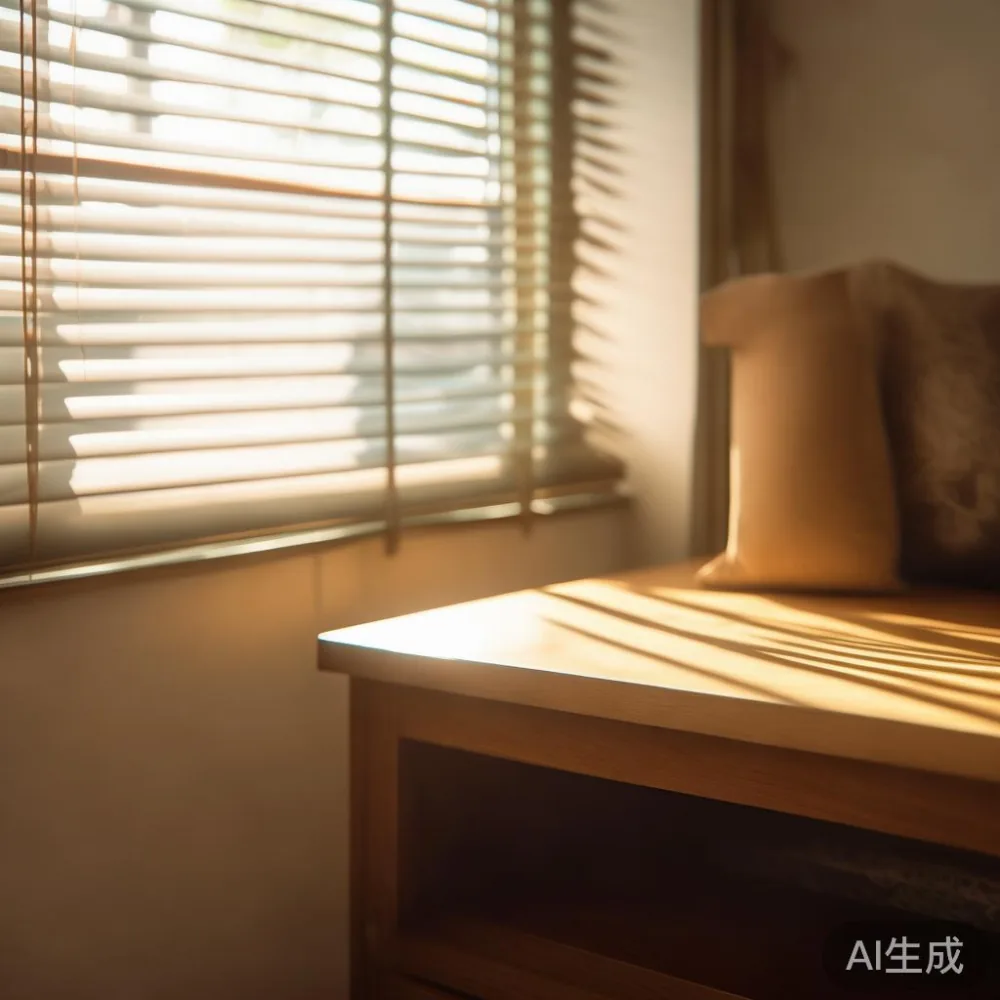
A veneer nightstand from a local retailer or online marketplace might cost between SGD 180 and SGD 350. These pieces are often mass-produced, making them affordable for furnishing a new apartment quickly. They are also lightweight, typically weighing around 12 to 15 kilograms, which can be an advantage for working through narrow HDB corridors or condo lift lobbies.
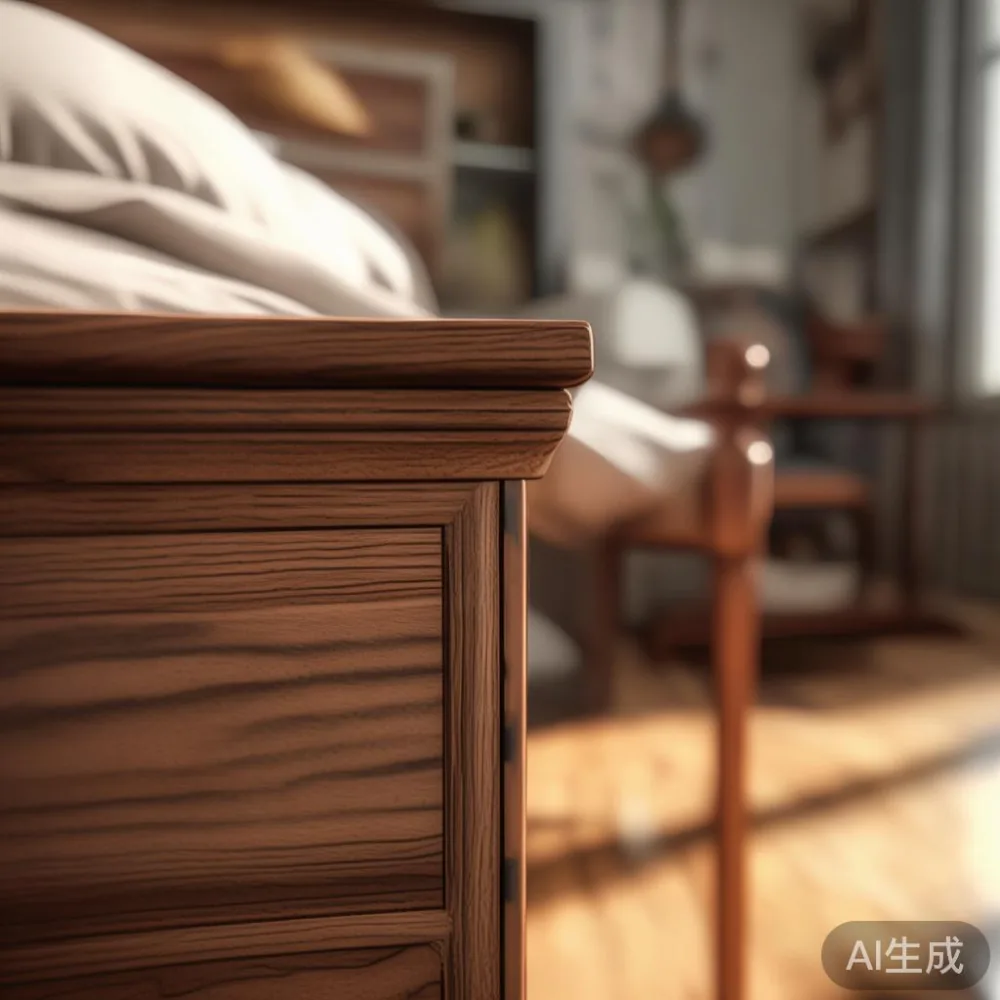
A solid wood nightstand, however, commands a higher price. The same dimensions in a solid oak or walnut piece would start from approximately SGD 550 and can go up to SGD 900 or more. The weight is also considerably greater, often between 20 and 25 kilograms, reflecting the density of the material. This initial investment is the first major financial point of divergence, and it's a factor many homeowners consider carefully.
Durability and Longevity: A 5-Year Perspective on Wear and Tear
Price is only one part of the equation. The true cost of a nightstand is revealed over time through its durability. Singapore's climate, with its high humidity, is a natural stress test for wooden furniture. The 5-year mark is an excellent benchmark to assess how each material holds up.
A veneer nightstand, especially a lower-cost model, shows its weaknesses within the first few years. The humidity can cause the engineered wood core to expand and contract. This movement can lead to the veneer lifting or peeling at the edges, particularly around the drawer fronts. Drawers themselves can begin to sag or warp as the MDF core loses its structural integrity. I tested a popular SGD 220 veneer nightstand in my colleague's Bedok apartment for six months. By the end of the period, the drawer runners had already started to feel loose, and a faint bubbling was visible on the top surface near a water ring that had been wiped clean. After five years, such a piece would likely require replacement or extensive repair, having lost its aesthetic and functional value.
A solid wood nightstand, on the other hand, is built to withstand this environmental stress. Solid wood is a natural material that breathes, absorbing and releasing moisture without warping or cracking. Joints in a well-constructed solid wood piece are often dovetailed or mortise-and-tenon, which are incredibly strong and resist racking over time. After five years, a solid wood nightstand will not only look better but will function like new. Its surface may develop a richer patina, and its structural integrity will remain intact. This longevity means you are not spending money on replacements every few years, making it a more sustainable choice in the long run.
Repair, Refinishing, and Resale Value: The Hidden Costs
When a nightstand is damaged, the cost and feasibility of repair become critical. A deep scratch or a small dent on a solid wood nightstand is a repairable issue. A skilled craftsman can sand down the damaged area and reapply the finish, often making the repair nearly invisible. For major damage, the piece can even be completely refinished, restoring it to its original glory. This is a key benefit of solid wood furniture; it is not disposable.
Repairing a veneer nightstand is a different story. If the veneer is scratched, the repair involves carefully matching the grain and colour before applying a new layer of finish. If the veneer peels or chips, it can be nearly impossible to repair smoothly. The damaged section often needs to be replaced, a complex job that may not be cost-effective for a lower-priced piece. Once the engineered wood core is exposed to moisture and damaged, the entire nightstand is often considered a write-off.
Resale value also tells a story. A five-year-old solid wood nightstand retains a significant portion of its value. It is seen as a quality piece of furniture. A five-year-old veneer nightstand, however, has negligible resale value. It is often difficult to give away, let alone sell, as it is perceived as worn-out and of low quality. This hidden cost—the inability to recoup any investment—further tilts the financial scale in favour of solid wood.
Is a Solid Wood Nightstand Really Worth the Extra Cost for a Small Singaporean Home?
This is the most common question from homeowners in Singapore, where space is at a premium and every dollar counts. The answer lies in shifting the perspective from the initial cost to total cost of ownership. For a small HDB flat or a compact condo unit, a nightstand is a long-term fixture. It's not something you replace every time you move or redecorate.
Consider the timeline. A veneer nightstand might last 3-5 years before showing significant wear. A solid wood nightstand will last 20-30 years or more, potentially becoming a family heirloom. When you amortize the cost over its lifespan, the solid wood option becomes the more economical choice. A SGD 700 nightstand that lasts 25 years costs SGD 28 per year. A SGD 250 nightstand that needs replacing every 4 years costs SGD 62.50 per year. The math is clear: the higher initial investment of a solid wood nightstand pays for itself over time.
Also, the aesthetic and emotional value should not be underestimated. A solid wood nightstand adds a touch of warmth and substance to a bedroom. It aligns with the desire for quality that many homeowners seek when investing in a solid wood sofa or a bed frame. It's a piece you can be proud of, one that complements a marble table in the living room or a well-crafted dining table without looking out of place. For those exploring how to style American wardrobe in bedroom or looking for pieces under under 2000 European light luxury furniture, a solid wood nightstand fits perfectly into a cohesive, light-luxury design scheme, whether it's French, American, or post-modern in inspiration.
MIDHILL and the Philosophy of Lasting Value
When considering a purchase that is meant to last, it's helpful to look at manufacturers who stand behind their products. A brand that offers a 10-year structural warranty understands that their furniture should not fail under normal use. This commitment is a proof of the quality of their construction. For example, a company like MIDHILL, which has been making solid wood furniture since 2008 and exports to over 15 countries, builds its reputation on durability. Their 10-year structural warranty and lifetime refinishing service are not just marketing points; they are a promise to the customer that the piece is an investment, not an expense.
This philosophy extends to the entire customer experience. Free shipping over SGD 350 is a significant benefit, especially for larger items that would be difficult and costly to transport on your own. A 14-day return policy provides peace of mind, ensuring you are happy with your purchase. These services reduce the friction and hidden costs associated with buying furniture online. A colleague of mine recently visited a MIDHILL showroom and was impressed by the feel of their MIDHILL coffee table, noting the substantial weight and the smooth, hand-finished surface. He said it felt like a piece that would be in his family for decades, which is exactly the point.
In the context of Singapore, where a GST of 9% is applied to all purchases, getting value for money is paramount. A higher-priced item that comes with a decade-long warranty and a lifetime refinishing guarantee effectively mitigates the risk of the additional GST paid. It protects your investment, ensuring that you won't have to spend more money on repairs or replacements down the line. This is the practical application of light-luxury living—choosing items that offer enduring quality and timeless style, rather than fleeting trends. For someone asking is Italian light luxury bed worth it, the same logic applies: the worth is in the decades of use and the pleasure derived from owning a well-made object.
Conclusion: A Financial and Aesthetic Win for Solid Wood
After a 5-year analysis, the financial case for a solid wood nightstand in a Singaporean home is compelling. While the initial outlay is higher, the long-term costs of ownership—factoring in durability, repair, and the lack of need for replacement—make it the more economical choice. The aesthetic benefits, the potential for resale value, and the alignment with a light-luxury lifestyle further solidify its position as the superior option.
For residents in Tampines, Punggol, or anywhere in between, choosing a nightstand is about more than just a place to put your phone. It's about making a smart, sustainable choice for your home. In a world where disposable furniture is common, opting for a solid wood nightstand is a statement of quality and a commitment to a home that truly lasts.