5-Year Cost Breakdown: Veneer vs Solid Wood Nightstands
Buying furniture in Singapore involves more than just selecting a style that matches your interior design vision. Homeowners in HDB flats and private condos often face a significant decision between veneer finishes and solid wood construction. The tropical climate here, with humidity levels frequently hovering around 84%, places unique stress on materials. Many residents in areas like Tampines, Bedok, and Punggol discover that initial savings on veneer can lead to higher expenses over time. This analysis breaks down the financial reality over a 5-year period, considering purchase price, maintenance, and replacement costs. We will examine how these choices impact your living space and budget in the long run.
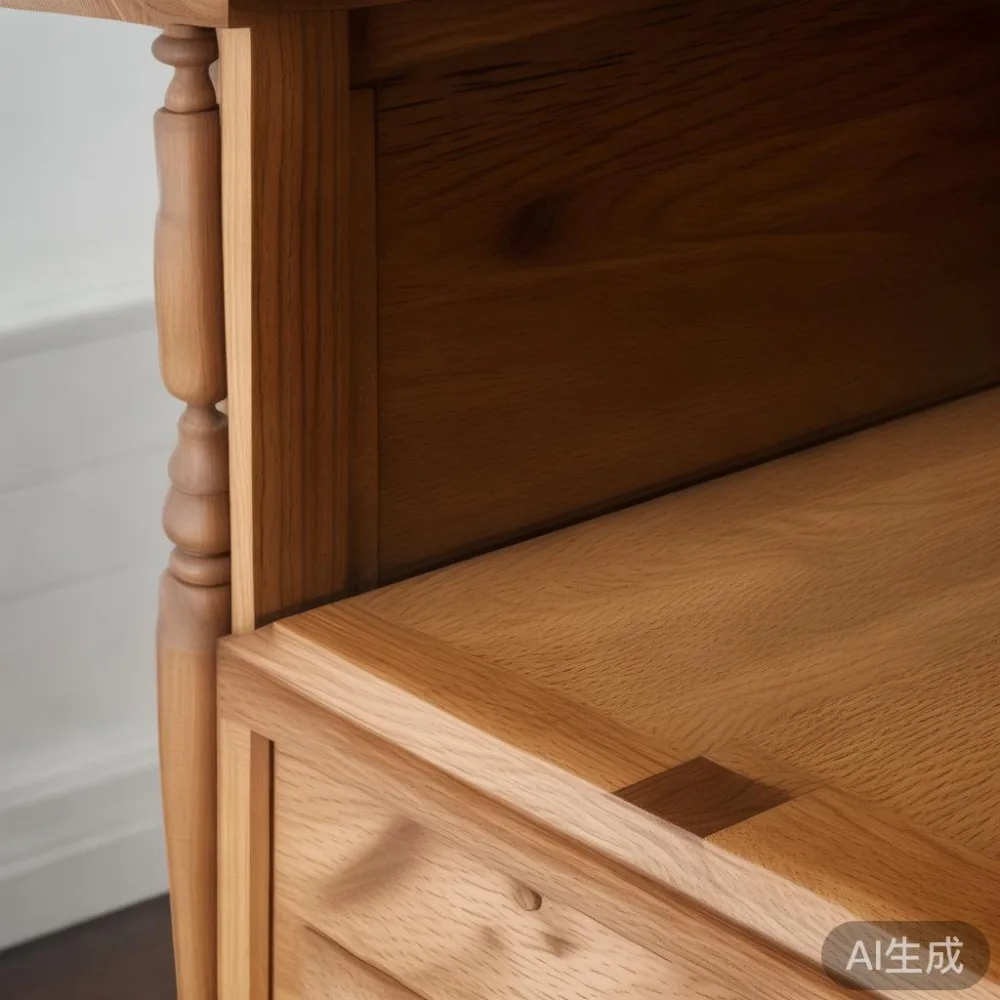
When furnishing a new BTO unit, the temptation to cut costs is strong. A typical veneer unit might cost SGD 450, while a solid wood counterpart often starts at SGD 1,200. However, the lifespan of these materials differs significantly under local conditions. Veneer consists of a thin layer of real wood glued over particle board or MDF. Solid wood involves lumber milled from a single piece of timber. The weight difference is substantial. A veneer unit might weigh 15 kg, whereas a solid wood piece of the same dimensions could weigh 35 kg. This density affects stability and longevity. Understanding these physical properties helps buyers make informed decisions about where to allocate their renovation funds.
Initial Purchase Prices and Hidden Costs
The sticker price is only the beginning of the financial equation. In Singapore, you must account for Goods and Services Tax, which currently stands at 9%. For a veneer nightstand priced at SGD 500, the GST adds SGD 45 to the bill. A solid wood version priced at SGD 1,300 incurs SGD 117 in tax. Delivery fees also vary based on weight and volume. Heavy solid wood items often require specialized handling. Some retailers charge SGD 80 for delivery if the item exceeds 20 kg per piece. Lighter veneer furniture might qualify for standard courier rates around SGD 30. However, free shipping thresholds exist. For example, policies offering free shipping over US$350 can offset some logistics costs for imported solid wood items.
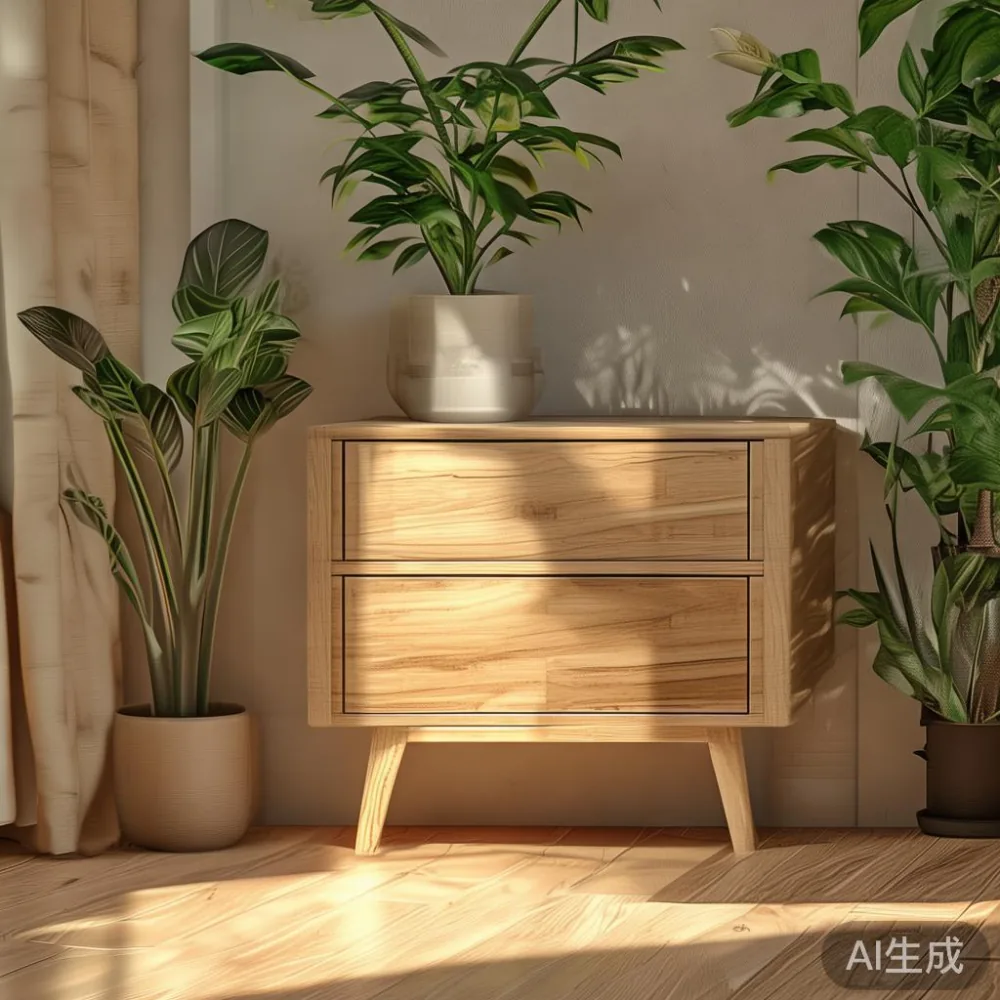
Assembly costs are another factor. Veneer furniture often arrives flat-packed, requiring self-assembly or hiring a handyman at SGD 50 per hour. Solid wood pieces frequently arrive fully assembled or require minimal joining. If you hire a professional assembler for a complex veneer unit, it could take 2 hours, costing SGD 100. Solid wood items might need only 30 minutes of adjustment, costing SGD 25. Over a 5-year period, these initial hidden costs add up. When calculating the total entry cost, the gap between veneer and solid wood narrows. The veneer option starts at SGD 575 including tax and delivery, while the solid wood option starts at SGD 1,442. This difference of SGD 867 seems large initially, but maintenance costs shift the balance over time.
Durability and Maintenance Over 5 Years
Humidity is the enemy of particle board cores found in veneer furniture. In Singapore, moisture can cause the core to swell, leading to peeling edges. Once the veneer layer chips, it cannot be repaired easily. You typically must replace the entire unit. Solid wood can be sanded and refinished. A scratch on a solid wood surface can be buffed out with fine grit sandpaper and re-oiled. This process costs roughly SGD 20 in materials if done yourself. Professional refinishing services charge around SGD 150 per piece. Over 5 years, a veneer unit might need replacement once due to water damage or delamination. This means buying a new SGD 500 unit in year 3. The solid wood unit remains functional throughout the entire period.
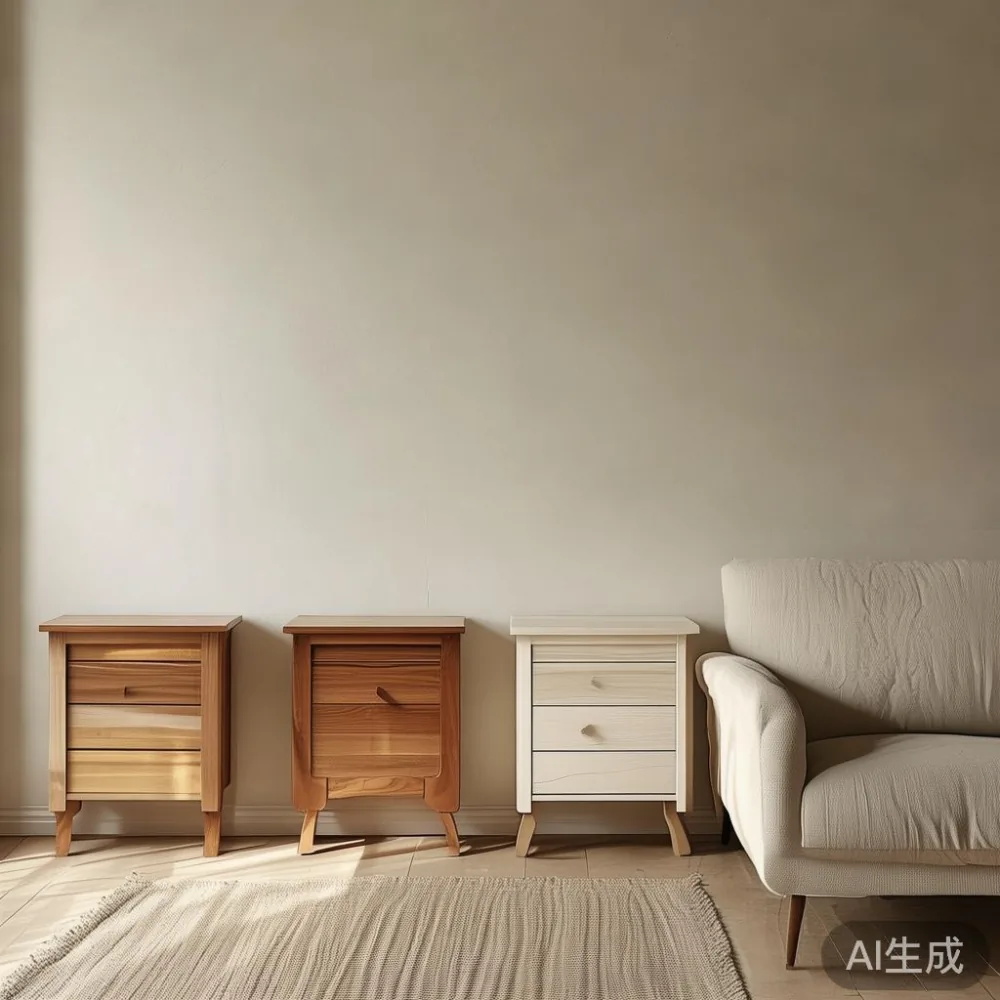
Heat resistance also differs. Placing a hot cup of coffee on a veneer surface can leave a permanent white ring. Solid wood handles heat better, though coasters are still recommended. I tested this personally last month when I visited a client in Bedok. They had a veneer side table that warped after a leak from an air conditioning unit. The damage was irreversible. In contrast, their solid wood bed frame showed no signs of swelling despite the same humidity exposure. Maintenance for solid wood involves applying wood oil every 6 months. A 500 ml bottle costs SGD 25 and lasts for multiple applications. Over 5 years, you might spend SGD 250 on oil and minor repairs. Veneer requires specific cleaners costing SGD 15 per bottle, used monthly, totaling SGD 900 over 5 years, plus the replacement cost.
What is the difference between Nordic nightstand and modern furniture?
Nordic designs prioritize minimalism and light wood tones, while modern furniture often incorporates mixed materials like metal and glass. This distinction affects how the piece ages and fits within a light-luxury aesthetic. French light luxury styles often favor solid wood with curved legs and brass accents. American light luxury might use darker stains and heavier proportions. Post-modern light luxury blends geometric shapes with natural textures. A solid wood nightstand fits naturally into French light luxury schemes due to the authenticity of the grain. Veneer can mimic these looks initially but lacks the depth required for high-end styling. The joinery methods also differ. Nordic pieces often use visible joinery or simple dowels. Modern furniture might hide connections with hardware.
When matching these styles with other room elements, consistency matters. A solid wood sofa pairs well with a solid wood nightstand to maintain material continuity. A marble table might complement a modern veneer unit, but the temperature contrast can be stark. Durability plays a role here too. High-traffic areas benefit from the resilience of solid timber. If you plan to keep your furniture for more than 5 years, the style longevity of solid wood supports various design evolutions. You can refinish solid wood to change its color from walnut to oak. Veneer color is fixed at the factory. This flexibility allows your home to adapt to changing trends without purchasing entirely new suites. The investment supports a evolving interior rather than a static one.
Logistics and Installation in HDB Flats
Moving furniture into Singaporean homes presents physical challenges. HDB corridor widths are typically 90 cm to 100 cm. Lift dimensions vary, but most accommodate items up to 110 cm in height. A solid wood wardrobe might be too tall to fit in the lift diagonally. It may require stair carry services, which cost SGD 20 per floor. Veneer units are often modular and fit easily through standard doors. However, disassembly weakens the structure over time. Reassembling a veneer wardrobe multiple times during moves can strip the screw holes. Solid wood construction relies on mortise and tenon joints or heavy-duty bolts that withstand disassembly better. For residents in Punggol condos, lift lobby sizes are generous, but unit doorways remain standard at 85 cm wide.
Delivery timelines also impact costs. Local stock veneer items might arrive in 3 days. Imported solid wood furniture often takes 30 to 45 days. Planning ahead is necessary to avoid storage fees. If you rent a storage unit for 1 month while waiting for delivery, it costs SGD 150. Coordinating delivery for heavy items requires booking specific time slots. Some management offices charge a refundable deposit of SGD 200 for furniture movement. This applies to both veneer and solid wood. However, the risk of damage during transit is higher for veneer due to lower structural integrity. A dropped corner on a veneer unit crushes the core. A dropped corner on a solid wood unit might dent, but can be repaired. Understanding these logistics helps prevent unexpected expenses on moving day.
Long-Term Value and Warranty Coverage
Warranty terms reveal the manufacturer's confidence in their product. Veneer furniture often comes with a 1-year warranty covering manufacturing defects. Structural issues after year 1 are the owner's responsibility. Solid wood makers often provide longer coverage. For instance, MIDHILL offers a 10-year structural warranty on their solid wood pieces. This covers joint failures and wood splitting under normal use. They also provide lifetime refinishing services, which significantly reduces long-term ownership costs. If the finish wears out after 7 years, you can send it back for restoration instead of buying new. This policy changes the 5-year cost calculation entirely. The ability to refinish extends the life of the furniture beyond 10 years.
Return policies also differ. A 14-day returns window allows you to inspect the item upon delivery. If the solid wood grain does not match your expectation, you can return it within this period. Veneer returns are often stricter due to lower margin pricing. Checking the return policy before purchase protects your investment. When considering a full home setup, the warranty value increases. A solid wood dining table with a 10-year warranty holds resale value better than a veneer equivalent. Second-hand markets in Singapore favor solid wood. You might recover 40% of the cost selling a used solid wood unit. Veneer items often have zero resale value. MIDHILL exports to 15+ countries, indicating a standard of quality that supports these warranty claims. The combination of warranty, refinishing, and resale potential makes solid wood a financially sound choice for long-term residents.
Maintenance routines should integrate with your home care. For example, tv console height care involves ensuring the surface remains level to prevent electronics from sliding, which applies to both materials but is more critical for smooth veneer finishes. Regular dusting with a microfiber cloth prevents grit from scratching the surface. Using felt pads under decorative items protects the finish. These small habits extend the life of any furniture piece. However, solid wood tolerates neglect better than veneer. If you miss a month of polishing, solid wood will not degrade immediately. Veneer might show dust accumulation in the grain lines that becomes permanent. The margin for error is wider with solid timber. This forgiveness is valuable for busy households where strict maintenance schedules are difficult to maintain.
Calculating the total 5-year cost shows a clear trend. Veneer starts low but incurs replacement and higher cleaning costs. Solid wood starts high but remains stable with lower maintenance and higher resale value. For a homeowner planning to stay in their HDB flat for 10 years, the solid wood option saves money in the second half of that decade. The initial outlay is an investment in stability. The weight of 35 kg provides anti-tip safety compared to 15 kg veneer units. This safety factor is important for families with children. The environmental impact also differs. Solid wood is biodegradable and sustainable if sourced correctly. Veneer cores often contain adhesives that release VOCs over time. Choosing materials that support health and longevity aligns with a sustainable living approach. The data supports choosing solid wood for key pieces like the nightstand, bed frame, and dining table.