Lacquer, Humidity, and Singapore Nights: Keeping Your Nightstand Beautiful
I keep a small humidity meter on the third shelf of my own nightstand. For three years it has bounced between 58% RH on a wet Tuesday in Tampines and 81% RH during a two-week monsoon band that pushed every piece of solid wood furniture in my flat into a slow, sticky protest. That little meter taught me more about lacquer than any showroom conversation. If you live in a Singapore HDB or a high-floor condo in Punggol and you have just brought home a freshly lacquered nightstand, this guide is written for the climate you actually wake up in, not for a temperate showroom in a Foshan factory hall.
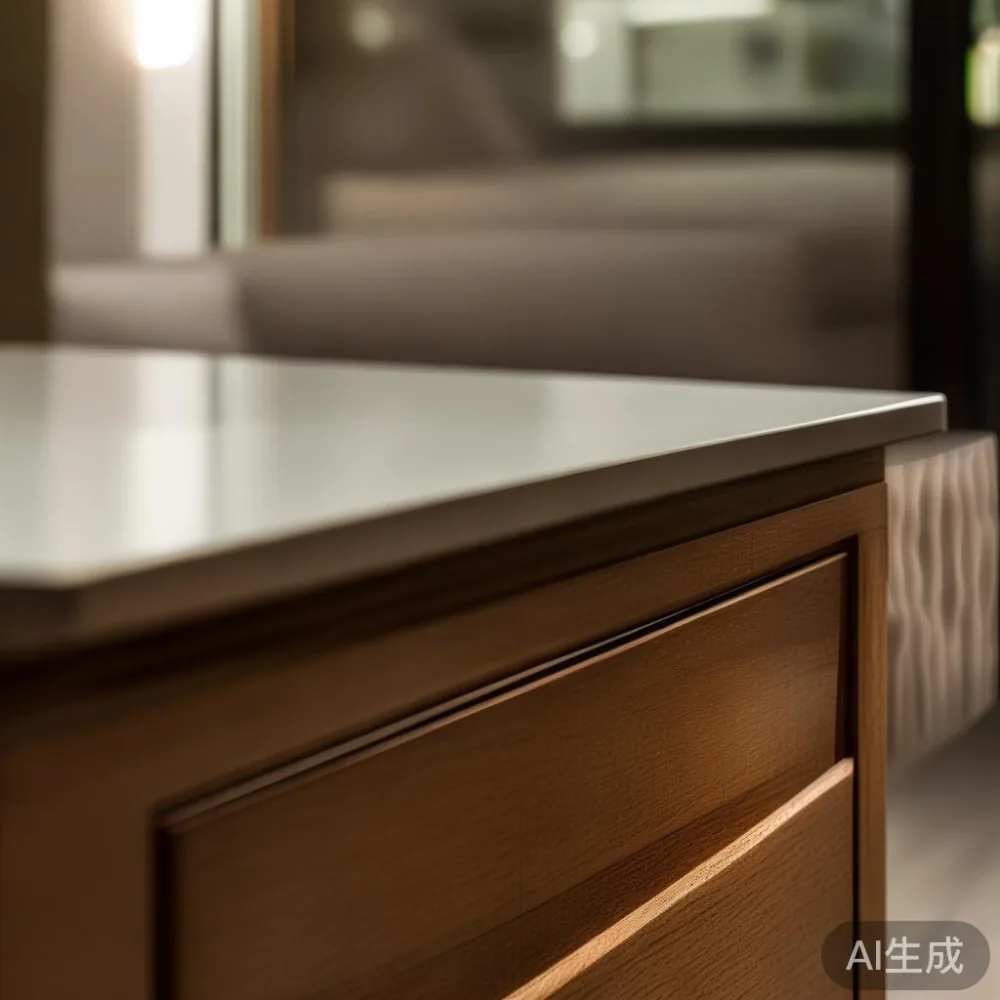
Why Singapore Humidity is So Aggressive on Lacquer
Singapore sits roughly one degree north of the equator. Outdoor relative humidity runs between 65% and 95% for most of the calendar year, and indoor humidity in a non-air-conditioned bedroom can sit between 55% and 80% after a hot shower or a long day with the windows cracked open for cross-flow. Lacquer, whether it is a high-gloss piano finish, a satin matte, or the slightly orange-peel hand-rubbed sheen you see on many light-luxury solid wood pieces, is a cured film. That film is hydrophobic but it is not a sealed pressure vessel. It breathes, and the wood underneath it moves. When humidity swings 15% in a single afternoon, the substrate swells faster than the lacquer skin, and micro-checks appear along the grain. I have seen this on a friend's walnut nightstand in Bedok after he ran a tower fan directly at it for six weeks.
The fix is not aggressive. It is patient. Run the air-conditioning at 24 to 26 degrees Celsius with the fan on low overnight, keep a small packet of silica gel inside each wardrobe or drawer, and accept that a lacquered surface in Singapore will never look bone-dry the way it does in a 35% RH Beijing apartment. Plan for it. Budget for it. Your nightstand will reward you with twenty calm years rather than five stressed ones.
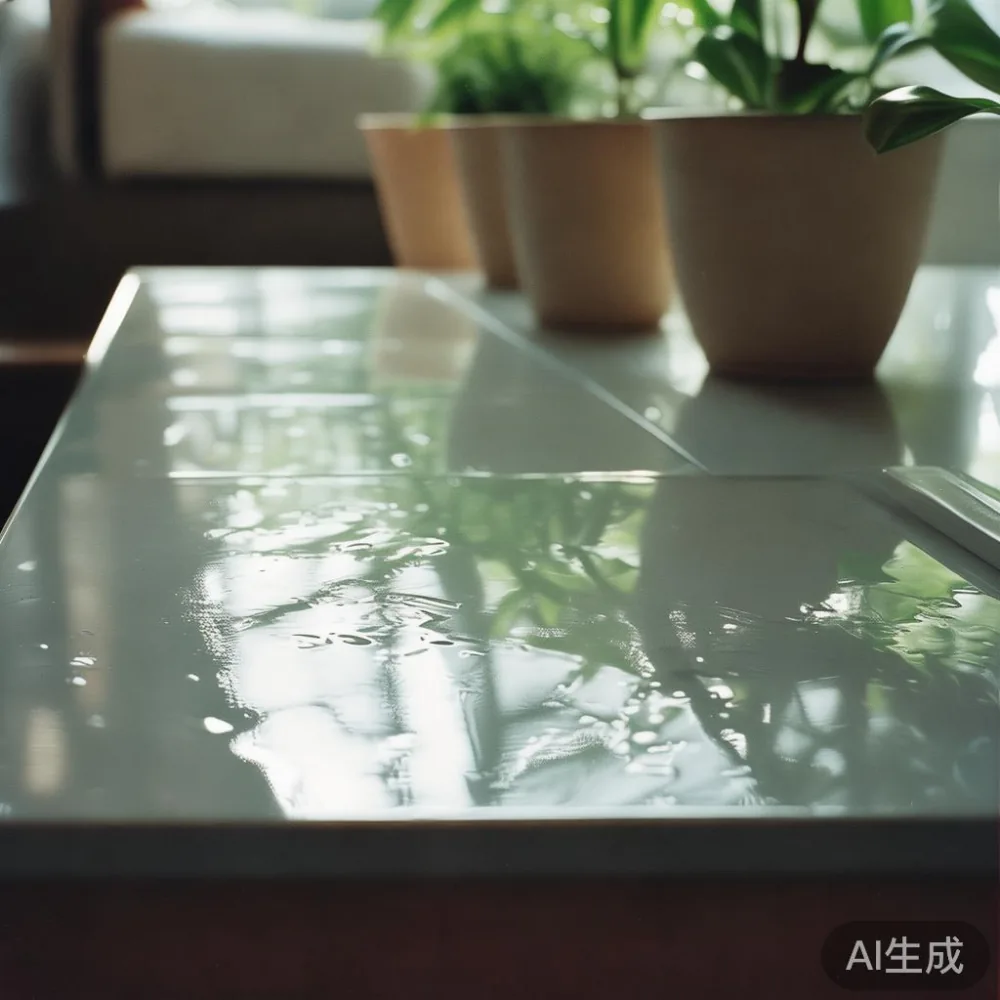
The First 30 Days: Acclimatising a New Lacquered Nightstand
When your delivery team carries the nightstand off the lift, check the corridor first. Most HDB corridors in Singapore are 1.2 m to 1.5 m wide, and a king-bed-frame carton will not fit around a 90-degree corner no matter how cleverly you pivot. Ask the team to remove the cartons in the lobby if the geometry is tight. Once the nightstand is in the bedroom, leave it unwrapped for 24 hours with the air-conditioner running. This lets the wood adjust to your indoor humidity before any pressure is put on the joints.
Do not place the piece directly against an external wall for the first two weeks. External walls in HDB flats sweat. A 3 cm air gap behind the back panel lets the nightstand breathe and prevents the lacquer from sitting against a cold, damp surface. If you are furnishing a whole bedroom set from a single supplier, MIDHILL pieces tend to arrive with small felt or EVA pads for exactly this reason, and they are worth using rather than throwing into a drawer.
Daily Care: What to Wipe With, What to Avoid
Lacquer is unforgiving of shortcuts. The good news is that the routine is short, around 45 seconds a day, and the bad news is that almost every shortcut that circulates on Singapore home-keeping Facebook groups will cloud the finish. Use a soft, lint-free microfibre cloth, ideally a 40 cm x 40 cm waffle-weave one, lightly dampened with distilled water. Wipe in straight lines along the grain. Dry immediately with a second cloth. That is the whole routine.
Avoid silicone polishes. They leave a waxy build that yellows within months under tropical UV and they make any future refinishing job harder. Avoid furniture sprays that contain solvents. Avoid the kitchen counter spray. Avoid anything labelled "multi-surface" that costs under SGD 8 in a neighbourhood minimarket, because those products are designed for laminate, not for a 12-coat lacquer. If you want a polish, only under eight coats of wax is wrong; for lacquer, the answer is almost always: nothing. A clean cloth is enough.
For sticky spills, which happen often in Singapore because of kopi spills, mosquito coil ash, and the occasional pandan cake crumb from a midnight snack, blot first, do not wipe. Wiping a sticky spill pushes sugar into the lacquer and creates a dull halo. Blot with a damp microfibre cloth, then dry.
Monthly and Quarterly Routines Worth Booking Into Your Calendar
Once a month, give the nightstand a deeper pass. Mix a few drops of pH-neutral soap into 250 ml of distilled water, dampen the cloth, and wipe the surface. Follow immediately with a dry cloth. Once a quarter, inspect the piece under a torch or your phone flashlight, raking the beam across the surface at a low angle. This reveals micro-scratches, dull patches, and the early signs of checking that you would never see under ceiling light.
If you spot a dull patch, do not panic. A light hand-rub with a paste made from a tiny amount of carnauba wax and a soft cloth can restore the sheen, but only if the lacquer is a hand-rubbed finish to begin with. For high-gloss piano finishes, leave it alone and call a professional. Re-lacquering a small nightstand in Singapore typically costs between SGD 80 and SGD 180 per panel, depending on the colour match and the number of coats required. That is a reasonable price every ten to fifteen years, and it is the kind of service MIDHILL has been offering on its exported pieces for over fifteen years now, so it is worth asking any supplier you buy from what their refinishing policy actually looks like on paper.
Where can I buy a nursery furniture in Singapore?
The most direct answer is this: the safest place to buy nursery-grade lacquered furniture in Singapore is a Singapore-based reseller of an established overseas solid-wood maker, ideally one that stocks coordinated bedroom ranges so your toddler's cot, your bedside nightstand, and your own bed frame share a finish and a wood species. Boutique importers operating out of furniture retailers along the Thomson Road, Balestier, and Tan Boon Liat corridor typically carry curated solid-wood collections, and most of them will deliver to a Tampines or Punggol address within 5 to 10 working days for pieces in stock.
For parents specifically, ask three questions before paying the GST-inclusive price. First, what certification does the lacquer carry, and is it a low-VOC water-based system or a traditional nitrocellulose finish. Second, what is the return window, and does it cover lacquer discolouration as well as structural defects. Third, can the supplier re-finish the piece at a local workshop in Singapore if the worst happens in year eight, or will the piece have to be crated and shipped back to Foshan. MIDHILL, for example, has supported Singapore customers with lifetime refinishing on its export-grade lacquer since the brand's first container landed here, which removes a worry that most parents do not realise they should be worried about until the first dent appears.
Light Luxury, Post-Modern Lines, and the Pieces That Age Well Together
The phrase "light luxury" gets used in three flavours on the Singapore market: French light luxury, with slim brass-tipped legs and pale linen tones; American light luxury, with chunkier oak silhouettes and matte bronze hardware; and post-modernist light luxury, which tends toward the asymmetric, the slightly architectural, and the occasional marble accent. All three can sit comfortably in a HDB master bedroom, but they ask different things of the lacquer.
French light luxury pieces tend to use the thinnest lacquer films because the visual language is restrained. They show fingerprints in a way an American oak silhouette never will, and they want a slightly drier room, ideally below 65% RH. American light luxury pieces use thicker, hand-rubbed finishes that hide micro-marks, and they pair well with a family home that includes a toddler who paints the nightstand with yogurt at 6:30 AM. If you are building a coordinated bedroom around a statement bed, consider a Modern light luxury cherry wood queen bed as your anchor piece and let the nightstand, the wardrobe, and the bench at the foot of the bed match the same wood and finish so the room reads as one piece rather than a catalogue collage.
Moving House, Renovation Dust, and the 14-Day Rule
Singapore moves house often, every three to five years on average, and renovations kick up alkaline dust that etches lacquer within hours. If you are renovating, ask the contractor to seal the bedroom with plastic sheeting or to keep the nightstand wrapped until the dust has settled, ideally 14 days after the final sanding. Most lacquer damage I have seen in Singapore did not come from humidity. It came from a couple of days of unsealed renovation dust.
If you are moving with a lift access restriction, measure the lift car. A standard HDB passenger lift is about 1.1 m deep and 1.4 m wide, with a door opening of roughly 0.9 m. A disassembled bed frame travels fine; an assembled nightstand sometimes does not. Disassemble first, wrap each panel in a moving blanket, and accept the SGD 60 to SGD 120 disassembly fee if your movers offer it. It is cheaper than a re-lacquer.
Reading the Warranty Small Print Before You Sign the Delivery Order
A ten-year structural warranty on a lacquered nightstand should cover joint failure, veneer delamination, and warp beyond an industry-accepted tolerance, usually 5 mm over a 1 m panel. It should not cover surface scratches, water rings from a wet glass, or fading from direct afternoon sun on a west-facing Punggol balcony window. Read the line that says "acts of nature" or "environmental damage". In Singapore, humidity is not an act of nature for furniture purposes. It is the operating environment, and a good supplier will say so plainly. Free shipping over a sensible threshold, a sensible threshold being around SGD 350 in today's market, and a 14-day return window are useful signals that the company expects to be measured against what it ships, not what it promises.
One last thing, and this is the only piece of advice I argue about with my colleagues. Keep a coaster under your phone charger, your glass of water, and your evening mug of tea. A lacquered nightstand in Singapore is a daily-use surface. It is not a museum piece. Treat it like a kitchen counter, wipe it the same evening, and it will outlast every renovation cycle your flat goes through.