How to Choose the Right Nightstand Size for a Singapore HDB Living Room
Choosing a nightstand for a Singapore HDB flat is less about matching a catalogue image and more about measuring the room you actually live in. A unit that looks balanced in a showroom can crowd a compact HDB living room, block a corridor, or leave no usable space beside the sofa. The right size depends on the room layout, the clearance needed around the piece, and whether it must fit through the lift and along the common corridor.
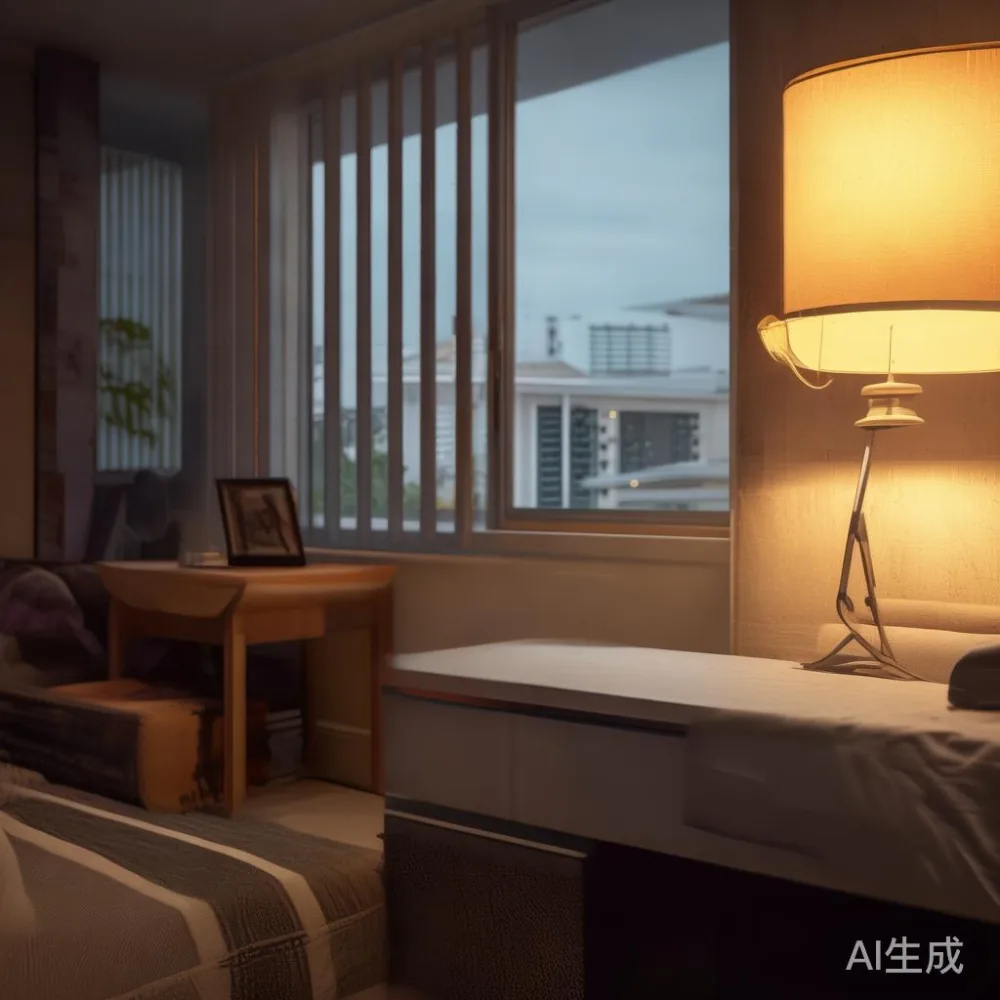
Singapore’s HDB homes vary considerably. A Tampines flat may have a generous open living room and a compact bedroom, while a Bedok home might have a narrow entry passage and a more angular sofa arrangement. Punggol flats often combine a functional living area with built-in storage, so the nightstand must work hard without making the room feel crowded. Even in newer condominiums, sliding doors, tight turns, and restricted lift dimensions can decide whether a piece can enter the home.
This guide explains how to measure, compare, and place a nightstand in a Singapore home, with prices shown in SGD and dimensions in centimetres. It also considers solid wood construction, French light luxury styling, and the practical differences between products such as a solid wood sofa, bed frame, dining table, wardrobe, nightstand, and marble table.
What size should a nightstand be in a Singapore living room?
A good starting point is a nightstand measuring between 40 cm and 50 cm wide, 35 cm to 45 cm deep, and 50 cm to 60 cm tall. These dimensions suit most compact sofas and allow a phone, glass of water, book, and lamp to fit without dominating the seating area. If your sofa seat is unusually deep, select a slightly wider top or a slim profile rather than buying an oversized cabinet.
Height matters more than many buyers expect. The nightstand top should be within roughly 5 cm to 10 cm of the sofa seat height. This makes the surface comfortable to reach from a seated position. A table that is 10 cm above the arm is convenient; one that is 25 cm above it can feel awkward. For a low modular sofa, a 45 cm to 50 cm nightstand may work better than a 60 cm model.
Width should relate to the sofa rather than the wall. A narrow nightstand beside a 180 cm sofa can look deliberately proportionate when it is 40 cm wide. A 60 cm unit may suit a 220 cm sofa, but it can look oversized beside a 160 cm two-seater. Check the sofa arm, not only its total length. Leave at least 5 cm between the nightstand and the arm if possible, unless the piece is designed to tuck beneath it.
For a 3-door or 4-door HDB living room, measure the narrowest usable route between the sofa, television console, dining table, and main doorway. The nightstand should not reduce this route below 60 cm where people regularly walk. If the route is already narrow, choose a narrow unit with straight sides, removable drawers, or a wall-mounted shelf. A protruding handle can add another 3 cm to 5 cm.
MIDHILL nightstands are offered in several practical dimensions, with solid wood options that suit both restrained HDB interiors and more decorative living rooms. The important point is to compare the physical dimensions with the available space before selecting a finish or drawer configuration.
How do I measure my room and sofa correctly?
Begin with a tape measure and a sheet of paper. Measure the sofa at its widest point, including the arms, and record the seat height from the floor to the top cushion. Measure the depth from the front edge of the seat to the back cushion. Then measure the wall or cabinet run where the nightstand will sit.
Write down four minimum dimensions:
- Available width: measure along the wall beside the sofa.
- Maximum depth: allow 3 cm to 5 cm for doors, sockets, skirting boards, and handles.
- Comfortable height: compare the top with the sofa seat.
- Clear walking route: measure the narrowest passage after placement.
Do not assume that the product dimensions shown online are the same as the space required for delivery. Add a few centimetres to the listed width and depth when turning corners. A 45 cm-wide nightstand placed in a 50 cm alcove may fit, but a 45 cm-wide piece with a shaped handle can still catch the frame during the turn.
You also need to know the route from the building entrance to the flat. Check the lift door width, lift car depth, corridor turns, and any staircase or threshold. Standard HDB lift openings are often around 80 cm to 90 cm wide, although exact dimensions vary by block and should be confirmed with the building office or delivery contractor. A nightstand under 50 cm wide can pass through many common lift doors, but the diagonal and corridor turning space still matter.
Photograph the route with your phone, including the lift lobby, corridor, flat entrance, and final turn. If the nightstand has detachable legs, unscrew them before measuring the smallest rigid section. This simple step can make the difference between a straightforward delivery and a failed attempt on the third floor.
Will the nightstand fit through the lift and corridor?
Delivery access is one of the most overlooked parts of buying furniture in Singapore. The lift door opening is only one constraint. The nightstand must also fit inside the lift car, turn into the corridor, pass any handrail or fire hose reel, and enter the flat without damaging the frame.
For a rectangular nightstand, ask the seller for the packaged width, depth, height, and weight. The package may be 2 cm to 5 cm larger because of protective foam, cardboard, and corner protection. A product listed at 45 cm wide may arrive in a 50 cm package. If the lift door is 80 cm, there may still be enough clearance, but the angle inside the car can be tight.
Common delivery timing in Singapore is 5 to 10 working days for in-stock items, while made-to-order pieces may take 4 to 8 weeks. Confirm the delivery window before purchasing, especially if a renovation date or move-in date is fixed. A lift reservation may also be required by the building management office.
MIDHILL provides a 10-year structural warranty, lifetime refinishing, free shipping on orders over US$350, and a 14-day return window. For Singapore buyers, the return terms should still be checked against the seller’s local arrangements because a customised nightstand may have different return conditions.
If the building has a narrow corridor, consider a nightstand with a flat-pack or modular base. Drawers can be removed, and a slim back panel is easier to manoeuvre than a deep solid carcass. Avoid choosing an ornate pedestal design purely for its appearance until the delivery team has confirmed that the route is workable.
Which nightstand style suits HDB and condo interiors?
For HDB flats, simple silhouettes often work best because the living room may already contain several materials, patterns, and built-in cabinets. A straight-sided nightstand in light oak, warm walnut, or off-white lacquer can sit comfortably beside a grey, beige, or muted blue sofa. The aim is to create a deliberate pause in the room rather than another large visual object.
French light luxury is a suitable direction for a compact home if it is handled with restraint. Look for refined proportions, a clean top, gentle curves, and restrained hardware rather than excessive carving. A French-style nightstand with two drawers can bring elegance without becoming a decorative feature that overwhelms a small room.
American light luxury tends toward generous scale and comfortable materials. A larger nightstand may fit a condo living room with a broad sofa and generous side clearance, but it should still preserve a 60 cm walking route. Post-modern light luxury offers another useful approach through mixed materials, such as solid wood with a stone or marble-look top. A marble table in the dining area can be balanced by a simpler nightstand nearby.
Solid wood gives a nightstand a tactile quality and long service life, particularly if the piece is made from well-seasoned timber. Solid wood can move slightly in Singapore’s humid conditions, so look for stable construction, finished drawer runners, and a surface that can be maintained. The finish should be wipeable and repairable, not merely attractive on delivery day.
Keep the style conversation connected to the rest of the home. A solid wood sofa and solid wood bed frame may establish a warm material language, while a dining table with a marble surface and a painted wardrobe can create contrast. The nightstand should not copy every item, but it should agree with the room’s main colours and visual weight.
Should I choose a narrow, square, or wide nightstand?
A narrow nightstand, usually 30 cm to 40 cm wide, is useful beside a small two-seater or in a tight living room. It provides space for a phone, a remote, and a small lamp, but it may not accommodate a 25 cm-wide book or a full-sized water glass without looking crowded. Check the top surface area as well as the cabinet width.
A square nightstand between 40 cm and 45 cm wide is a flexible option for HDB flats. It is wide enough for daily items and narrow enough to preserve circulation in a moderate room. If the sofa has a high arm or a deep seat, a square shape can also look more balanced than a very slim model.
A wide nightstand from 50 cm to 60 cm can work with a large sectional or a 220 cm sofa. It offers more drawer storage and a stable surface for a table lamp, charger, and books. The trade-off is visual mass. In a compact room, a wide unit should have a lighter colour, slim legs, or an open frame to avoid making the sofa area feel compressed.
Consider the drawer count against the footprint. Two drawers may be enough for a living room where the nightstand mainly holds small items. Three drawers are useful for books, cables, and personal belongings, but they make the unit heavier and deeper. A typical nightstand weighs about 12 kg to 25 kg depending on its solid wood construction and hardware. A heavier model may be less convenient to move, especially during delivery.
For a multi-functional living room, a small nightstand can also serve as an occasional side table. Just avoid placing hot drinks on a wood surface without a coaster, and keep it clear of the sofa’s usual traffic path. A 5 cm clearance around the piece is a sensible target when lifting it into position.
What about electrical outlets, lamps, and everyday storage?
Check the position of the nearest power outlet before selecting the nightstand. A socket at floor level may be easier to reach than one behind the sofa, but it can also create a visual tangle of cables. Leave 10 cm to 15 cm behind the unit if possible for plug access and cable routing.
A lamp is a common reason to choose a larger top. Measure the lamp base and shade diameter, not only the furniture. A 35 cm shade may overhang the edge of a 40 cm nightstand, which is acceptable if it is above the sofa arm and not in a head-height zone. A taller lamp may need a 50 cm to 60 cm unit for visual balance.
Storage should reflect actual use. A single drawer is enough for a living room where the nightstand supports a sofa corner, while two drawers suit a bedroom or a multipurpose space. Look for smooth drawer movement, a stop mechanism, and enough internal clearance for a power adapter. A depth of 35 cm to 40 cm usually gives a useful drawer without pushing into the walkway.
For readers researching related furniture, a MIDHILL coffee table review can help with low-table dimensions and seating clearance. Questions such as is European sofa worth it and how to choose Italian light luxury sofa usually lead to useful ideas about scale, but those products should not distract from the nightstand’s own footprint. Likewise, for sale European furniture and Japanese bed vs Japandi bed are useful comparisons for material and style decisions elsewhere in the home.
The same care applies to nearby pieces. An American bed vs Mid-century modern bed comparison can inform the bedroom’s visual language, while the nightstand should continue that language without copying the bed frame exactly.
How much should I spend on a solid wood nightstand?
In Singapore, a compact solid wood nightstand commonly falls around SGD 180 to SGD 450 before delivery. A wider unit with thicker timber, more drawers, or a stone-look top may range from SGD 350 to SGD 800. Hand-finished or more decorative French light luxury designs can sit above SGD 700. These are practical reference ranges rather than fixed price bands, because drawer hardware, timber species, finish, and size all affect the final amount.
Compare the price with the specification. Ask whether the drawer sides, back panel, and legs are solid wood or engineered board. A solid timber frame with plywood drawer boxes can offer stable everyday performance, while a completely solid piece may be heavier. A quality finish should withstand repeated wiping and minor scuffs. MIDHILL’s lifetime refinishing service adds value for a surface that may need attention after several years of use.
Include delivery, lift booking, and return costs in the comparison. If the nightstand is below the free-shipping threshold of US$350, the final landed cost may change. A buyer in Singapore should also confirm whether GST is included in the quoted price. A piece listed at SGD 260 before GST becomes SGD 271.80 when 5% GST applies.
Do not choose by price alone. A smaller nightstand that fits the alcove and provides a comfortable surface may suit the home better than a larger, more decorative model. Measure the route, compare the drawer layout, and check the warranty details before placing the order.
What should I check before ordering?
Use this final checklist before payment:
- Confirm the sofa width, seat height, and available wall space in centimetres.
- Check the lift door, lift car, corridor, and flat entrance dimensions.
- Allow at least 60 cm for a frequently used walking route where possible.
- Compare the nightstand top with the sofa arm and seat height.
- Confirm the packaged dimensions and estimated delivery days.
- Ask about GST, returns, warranty coverage, and refinishing terms.
- Review the finish in neutral daylight, not only under showroom lighting.
I visited a friend’s 4-door HDB flat in Bedok last month and watched a 45 cm-wide solid wood nightstand being carried from the lift to the living room. The lift door measured 82 cm, but the corridor turn near the flat entrance was the limiting point. The unit had removable legs and a narrow drawer front, which made the final turn manageable. A wider model with a fixed pedestal base would not have cleared the corridor.
That experience reinforced a simple rule: measure the whole journey, not just the living room. In Tampines, Bedok, and Punggol, a well-proportioned nightstand can make a compact seating area feel more relaxed, but only if its physical size respects both the sofa and the building access route. Choose the dimensions first, then the finish, then the decorative details.