How to Match a Nightstand to a Warm Minimal Interior
A warm minimal bedroom is not a room with the least furniture. It is a room where every piece has enough space, every material feels tactile, and nothing competes with the quiet rhythm of daily life. The nightstand is particularly important because it sits beside the bed, holds the objects you reach for at night, and frames the bed from a standing position. In Singapore, that means considering the compact dimensions of many HDB flats and condos, the route from the lift to your bedroom, and the way warm light behaves in a space that may have only one or two windows.
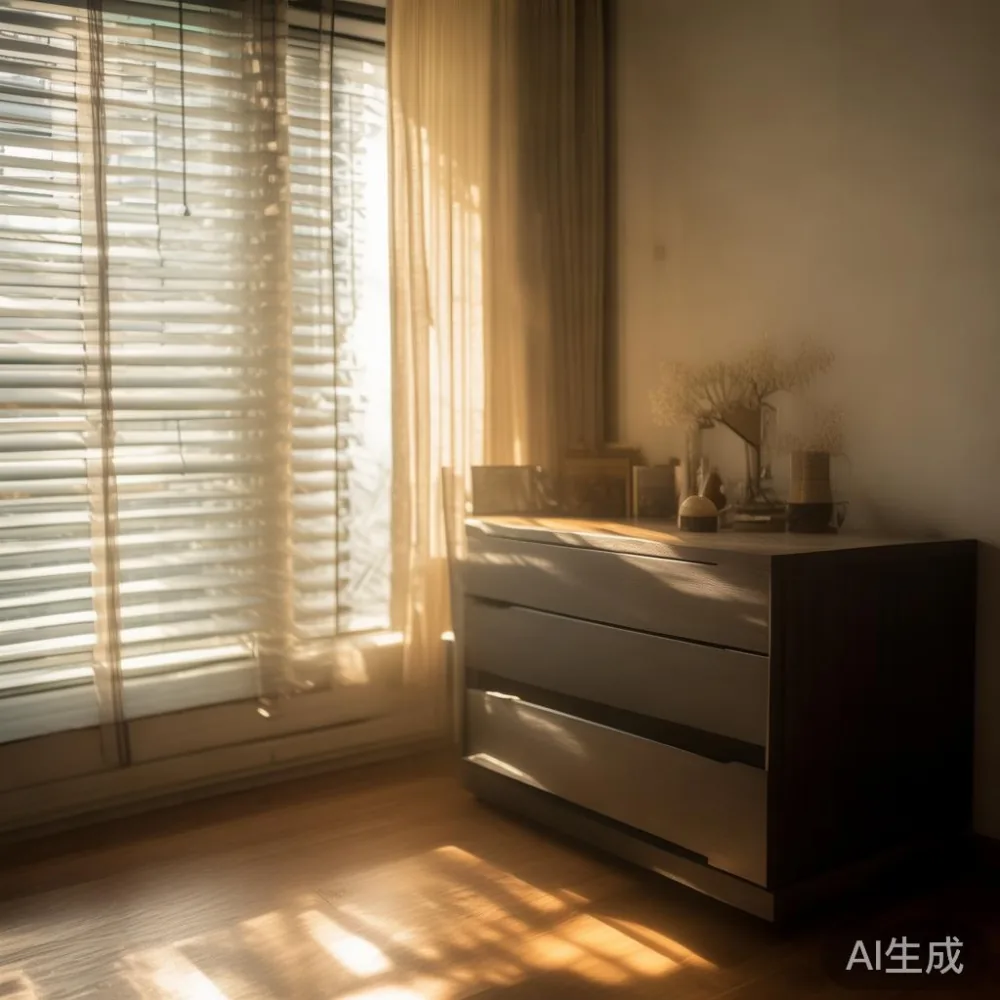
At MIDHILL, we design solid wood furniture around practical proportions, natural surfaces, and enduring construction. A good nightstand should feel generous without crowding a 3 m bedroom wall, substantial without becoming difficult to move, and refined without looking showroom-perfect. This guide explains how to match one to a warm minimal interior, with measurements, prices in SGD, and examples suited to homes in Tampines, Bedok, Punggol, and newer condo developments.
What Makes a Warm Minimal Bedroom Feel Balanced?
Warm minimalism combines restraint with sensory comfort. Pale walls, simple joinery, and uncluttered circulation create the base; warmth comes from oak, walnut, ash, woven textiles, linen bedding, ceramic lamps, and controlled layers of light. The goal is not emptiness. It is visual breathing room.
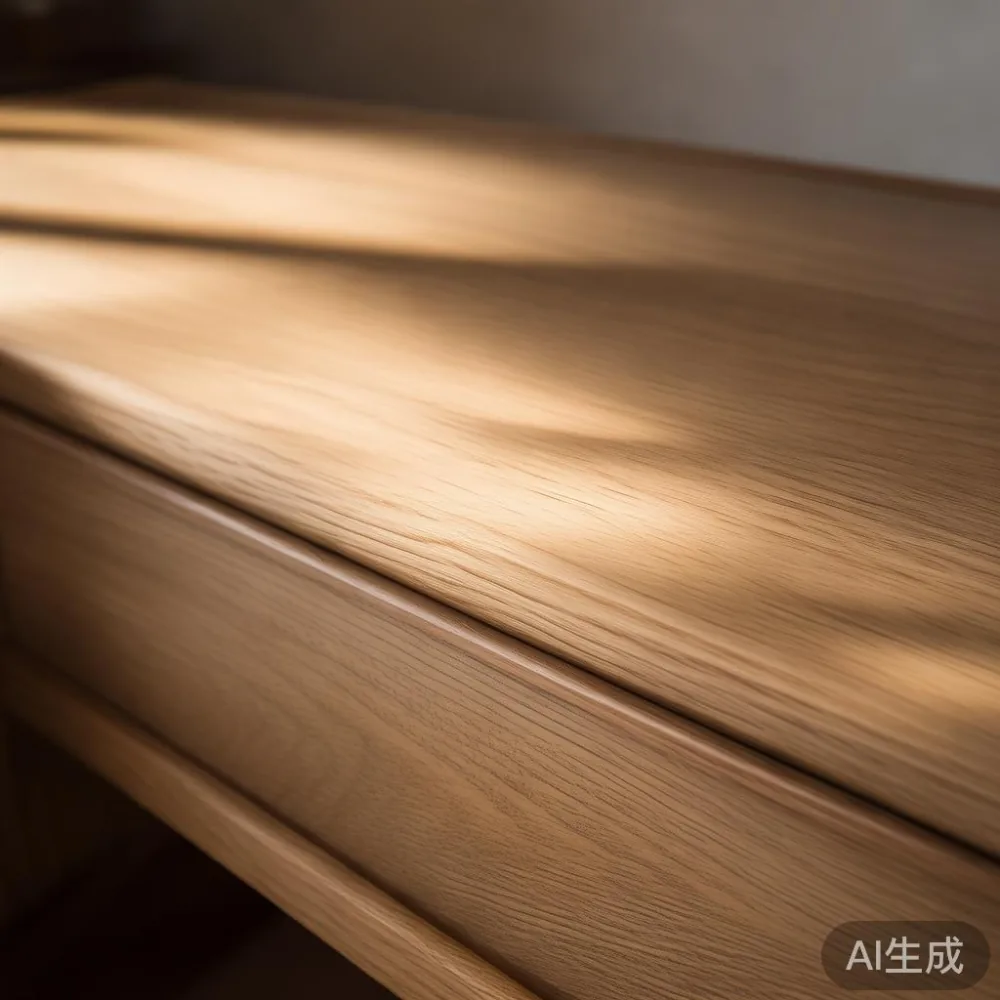
Begin with the bed as the room’s fixed point. Leave at least 60 cm between the bed and a wardrobe door, 75 cm in a main circulation route, and about 45–60 cm beside the bed where a nightstand can sit. A 45 cm-wide nightstand is comfortable in a compact HDB bedroom, while a 50–55 cm model looks more deliberate beside a queen or king bed. Depth matters more than people expect: choose 35–40 cm so the unit can hold a phone, water glass, charger, and book without projecting into the walkway.
For material continuity, repeat one timber tone rather than matching every surface exactly. A light oak nightstand can work with a white oak bed frame, while a darker walnut unit can anchor a pale wall. Mixed grains are acceptable when the contrast remains controlled. The nightstand should visually connect to the bed, not impersonate it.
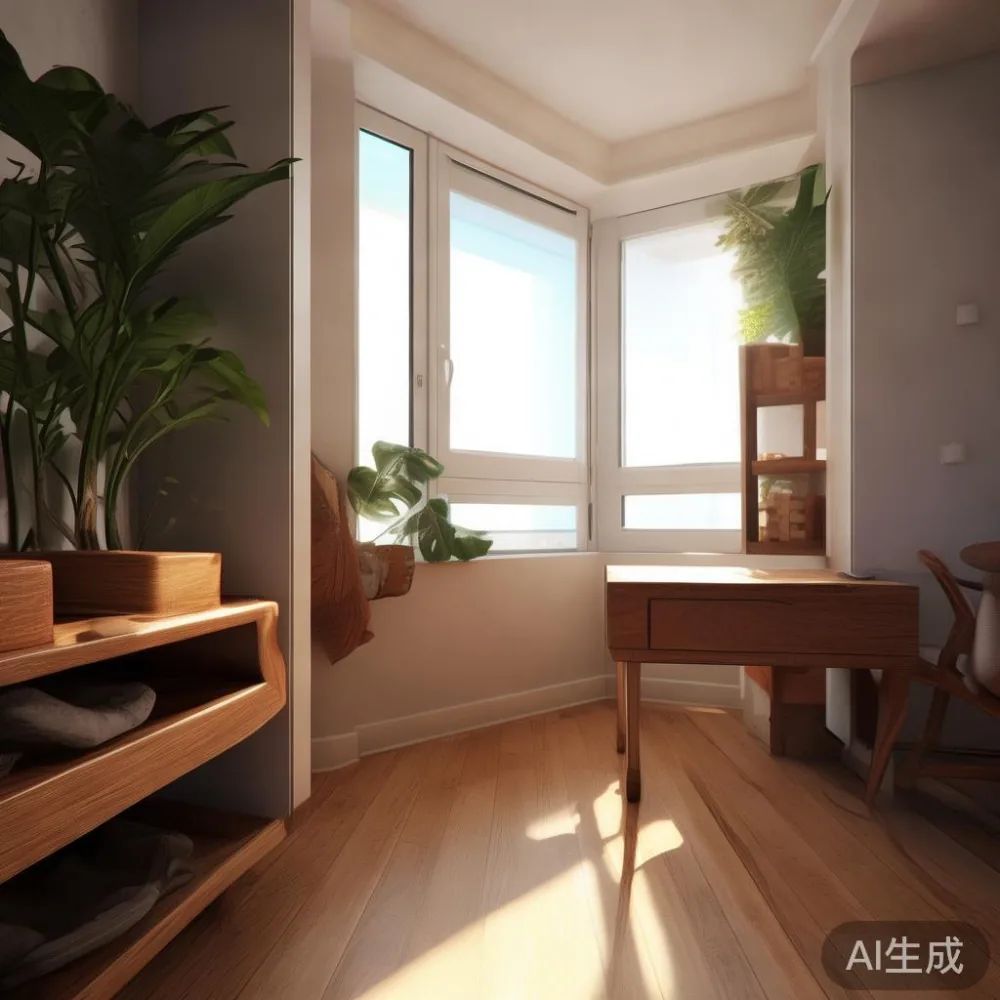
Local lighting also changes how furniture reads. Singapore’s brightness and humidity make finishes easier to assess near a window, while bedrooms lit after sunset can appear cooler. Warm-white bulbs around 2700–3000K soften solid wood and make a calm room more inviting. Avoid a single ceiling light if the nightstand is a focal point; a 25–40 cm table lamp with a linen shade provides a useful pool of light at roughly 300–500 lumens.
How Do You Choose the Right Nightstand Size for an HDB Flat?
Measure the bed, then measure the wall. A standard queen bed is approximately 152 cm wide in Singapore, while a king bed may reach 183 cm. A single nightstand is usually 40–50 cm wide, and a pair often measures 45–60 cm each. For visual symmetry, use two matching units rather than one larger piece if the wall allows at least 90 cm of total clearance around the bed.
In an HDB master bedroom, a typical usable wall length might be 240–300 cm, but doors, windows, sockets, and the wardrobe opening can remove 45–90 cm of practical space. A nightstand placed beside the headboard should not block a sliding door or the wardrobe’s 90 cm access zone. Keep the front edge at least 60 cm from an opposing wardrobe where possible. In Punggol or Tampines family flats, where bedrooms often double as study areas, a shallow 35 cm depth can preserve a narrow path between the bed and desk.
Check the lift and corridor before ordering large furniture. A nightstand that fits the bedroom may still be awkward to carry if its carton exceeds 70 cm in its longest side. Confirm the packaged dimensions, carton weight, lift door measurement, and turning space at the corridor. For deliveries above US$350, shipping is free, but a local Singapore delivery or installation fee may still apply, commonly around SGD 30–80 depending on access and the number of items.
For a practical reference, a 45 × 35 × 50 cm nightstand may weigh 18–25 kg in solid wood. A smaller 35 × 30 × 45 cm unit may weigh 10–16 kg. Those figures matter when the corridor is narrow or a family member needs to help carry the carton upstairs. The unit should also have a stable footprint of at least 30 cm in each direction and sit close to the mattress height, usually within 5–8 cm, for easy reach.
Which Wood Finish Works Best in a Warm Minimal Room?
Oak is a natural choice for warm minimal interiors because its open grain and gentle variation add texture without looking heavy. Walnut offers deeper contrast and a more American light luxury mood, especially against warm-white walls and cream bedding. Ash has a straighter, cleaner grain for a Scandinavian feel. Teak, with its warmer colour and tighter grain, suits rooms that already contain dark wood, woven rattan, or leather accents.
Match the finish under neutral daytime light, then check it under the lamp you plan to use. A nightstand can look beige at noon and honey-toned at night, so the whole room should be judged at both times. A matte finish generally suits a calm interior better than a mirror-like lacquer. It hides fingerprints, reduces glare, and allows the grain to remain visible.
French light luxury tends toward pale timber, cream upholstery, curved details, and softened edges. American light luxury often uses walnut, leather, brass-toned hardware, and deeper tonal contrast. Post-modern light luxury allows a cleaner geometric nightstand to sit beside a softer bed frame or textured headboard. In all three approaches, the same principle applies: one quiet material, one controlled accent, and enough empty space around the piece.
If you are comparing several bedroom layouts, a Japanese sofa vs Nordic sofa decision affects the lounge side of the room rather than the bedside zone, but its material still gives useful direction. A low-profile Japanese sofa in light timber calls for pale, uncluttered furniture, while a Nordic sofa in oatmeal fabric can be balanced by warmer wood. Either way, the nightstand should not become an isolated style statement.
How Should a Nightstand Sit Beside a Bed Frame?
Place the nightstand so its top is close to the mattress surface. The usual difference is 2–5 cm below the top of the mattress, although a slightly higher unit can work if the bed has a low platform frame. The gap between the nightstand and the bed should be around 2–5 cm. This is close enough to make a glass or book easy to reach, but far enough to avoid a cramped appearance.
Back alignment matters. If the bed frame has a straight headboard, align the back of the nightstand with the headboard rather than the mattress. If the frame has a curved or upholstered headboard, allow the nightstand to sit 1–2 cm forward so its rectangular outline does not clash. A wall-mounted or very slim nightstand can suit a floating bed frame, but it should still provide a surface at least 30 cm wide and 20 cm deep.
Storage should follow the room’s real habits. One drawer and one open shelf are often more useful than three shallow drawers. Keep the visible shelf mostly empty, with perhaps 2–4 daily items. A soft-close drawer is worth considering in a compact home because it requires less force and stays quiet at night. Avoid sharp, protruding handles in a narrow walkway; recessed pulls or rounded edges are safer.
Think about the rest of the bedroom as one composition. If you are researching how to style Japandi sofa in bedroom ideas, the lesson is to use low, pale furniture and tactile textiles rather than filling every surface. A similar approach works beside the bed: limit the nightstand’s display to one lamp, one small tray, and one object with personal meaning. If you also wonder how to style Japandi wardrobe in bedroom layouts, keep the wardrobe’s vertical lines simple and let the nightstand provide warmth through timber rather than decoration.
What Lighting and Accessories Keep a Nightstand Calm?
A lamp is usually the only large accessory a warm minimal nightstand needs. Choose one with a stable base of at least 15 cm in diameter, a shade no more than 30–35 cm tall, and a warm-white bulb between 2700K and 3000K. A dimmer is useful in shared bedrooms and condos where hallway light may enter through a door gap. LED lamps consume roughly 6–12 W and can last 15,000–25,000 hours, making them easy to live with in daily use.
Use a tray for small objects if the drawer contains cables. A tray measuring 25–30 cm can hold a phone, watch, and ring without making the surface look busy. Limit books to two or three, and keep chargers routed behind the unit with a cable clip rather than across the front. A small ceramic vessel can provide a natural accent, but it should be stable and not placed where it can be knocked from the bed.
For the broader room, a warm minimal scheme benefits from at least three material textures. For example, combine an oak nightstand with a linen bed cover, a wool or cotton blanket, and a ceramic lamp. A solid wood sofa elsewhere in the living room can echo the same timber, while a marble table can provide a cool counterpoint in a separate dining or lounge zone. These references should be repeated sparingly; matching the whole home does not require identical furniture.
When evaluating a bed, a guide to the best Minimalist bed for 2026 can help you identify a frame with a restrained headboard and a consistent wood tone. The nightstand should complement that frame’s proportion. A dark, wide frame can carry a slightly lighter nightstand for balance; a pale frame can support a walnut unit if the room still feels light.
Budget examples help keep decisions realistic. A well-made solid wood nightstand from a Singapore retailer may range from SGD 280 to SGD 850, while a hand-finished or imported design can reach SGD 1,200. A table lamp may cost SGD 60–250, and a linen shade can add another SGD 40–120. MIDHILL pieces sit within a light-luxury range designed for long-term use, with a 10-year structural warranty and lifetime refinishing service.
Can a Nightstand Fit a Narrow Singapore Condo Bedroom?
Yes, if the proportions are disciplined. A 35–40 cm-wide unit with a 30–35 cm depth is often the safest choice for a compact bedroom. Look for a straight-sided design with a lower shelf, slim legs, or wall-mounted construction. The nightstand should not need to be pulled out for basic use; drawers should open without hitting the bed, and the front should remain clear when the door is open.
Measure the delivery path before choosing a design with overhanging tops or wide handles. In many condo corridors, the practical clearance may be only 90–120 cm, while an HDB lift interior can be around 110–140 cm wide and 140–160 cm deep. Turn corners, stair landings, and the bedroom door can be the limiting points. Ask the supplier for the carton dimensions rather than relying only on the assembled measurements.
Singapore’s GST is normally 9% and is included in the displayed selling price at registered local retail outlets. For online purchases, GST and delivery treatment should be stated clearly at checkout. Standard delivery within Singapore often takes 7–14 days for stocked items, while made-to-order pieces may take 4–8 weeks. Returns are accepted within 14 days under the stated conditions, and the structural warranty continues for 10 years.
For buyers building a broader interior, our top 10 Mid-century modern furniture checklist can help identify useful shapes such as tapered legs, compact side tables, and clean silhouettes. The nightstand is still the central decision: choose enough surface for the lamp and glass, no more, and a finish that makes the room warmer rather than busier.
How Do You Check Craftsmanship Before Buying?
Inspect the joinery, drawer movement, surface edges, and underside. Solid wood should be named for the species, with differences in grain accepted as natural rather than treated as defects. A nightstand may include solid wood legs, rails, and drawer components while using a plywood or engineered panel for a large hidden panel; that construction can be reasonable if the specification is transparent.
Look for drawer runners that run smoothly and supports that prevent sagging. Open and close each drawer several times. Check that the back is finished, not raw particleboard, especially in humid conditions. A nightstand with a 40 × 30 cm top should not visibly flex when you place a 2–3 kg lamp and small objects on it.
Finish quality is just as important. Rub the surface lightly with a dry cloth and inspect it for roughness, pinholes, or excessive gloss. For maintenance, dust with a soft cloth and avoid standing water. If the finish is eventually marked, refinishing can restore the appearance. MIDHILL offers lifetime refinishing, and each piece carries a 10-year structural warranty, giving the nightstand a longer role in the bedroom rather than a short decorative cycle.
Last month I visited a friend’s three-bedroom HDB flat in Bedok and helped her replace a bulky bedside cabinet with a 45 × 35 × 50 cm solid oak nightstand. The original unit projected 8 cm into the path between the bed and wardrobe. We kept the lamp and moved the charging cables behind the new frame. The result looked simpler, the drawer was easier to reach, and the remaining wall felt 10–15% wider even though the room itself was unchanged. That experience reinforced how small a change in depth can be in a compact bedroom.
A well-matched nightstand completes the room without dominating it. Choose a warm timber, a stable and reachable size, and only the accessories used each night. Let the bed frame remain the main presence, repeat one or two materials elsewhere, and preserve the open space that makes a Singapore home feel comfortable.