Small-Apartment Styling: A Practical Nightstand-Led Approach
Styling a compact HDB flat or condo in Tampines, Bedok, or Punggol rarely requires more furniture. It requires better proportions, fewer visual weights, and products that earn their footprint. A well-chosen nightstand can hold a lamp, phone, charger, and book while giving the bed area a finished outline. If you are planning a wider refresh, the same discipline should carry through to a solid wood sofa, bed frame, dining table, wardrobe, and marble table rather than filling every wall.
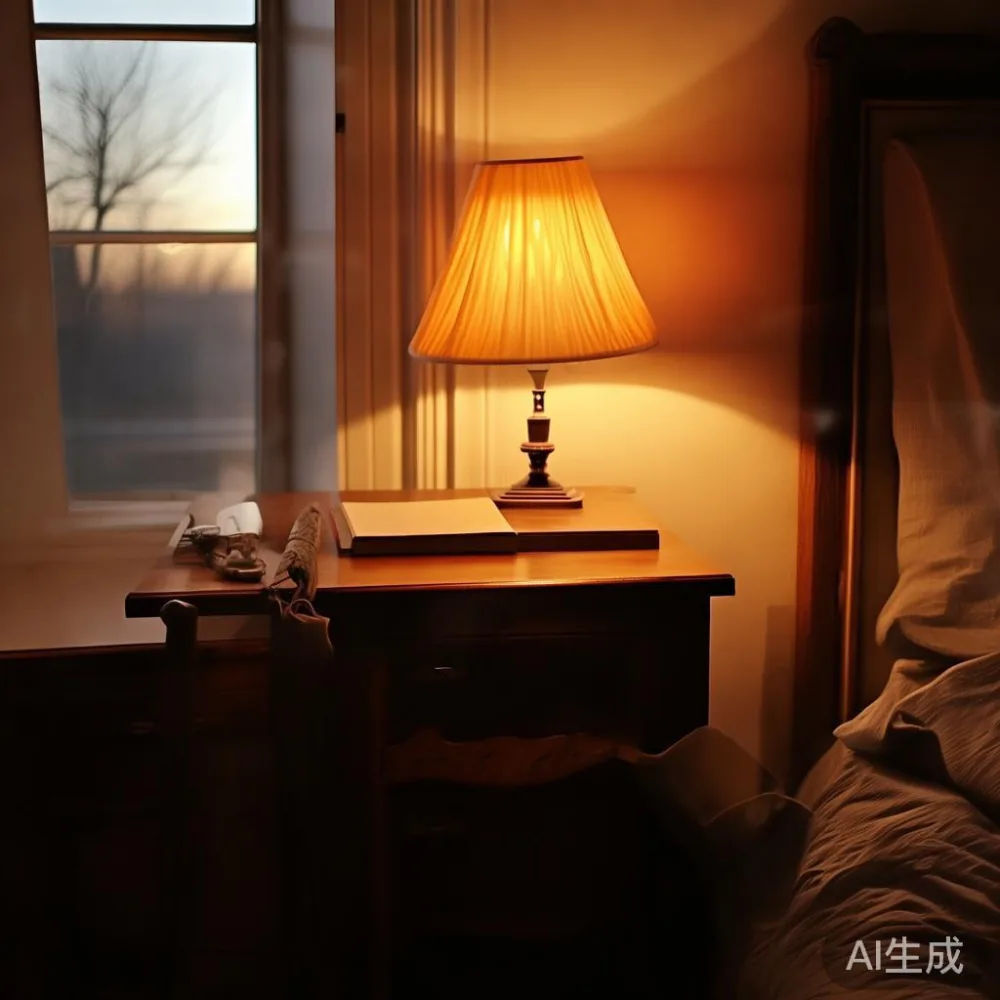
MIDHILL is a Foshan solid wood furniture maker established in 2008, with furniture exported to more than 15 countries. Its pieces are backed by a 10-year structural warranty, while refinishing service is available for life. For Singapore buyers, deliveries are free above US$350, equivalent to about SGD460 at a broad exchange-rate estimate; local GST and the final checkout total should still be confirmed. Returns are accepted within 14 days, subject to the stated policy.
The dimensions in this guide use centimetres because that is how most Singapore interior drawings are labelled. I have also included kilogram weights, Singapore prices in SGD, and practical delivery windows to make the advice easier to apply.
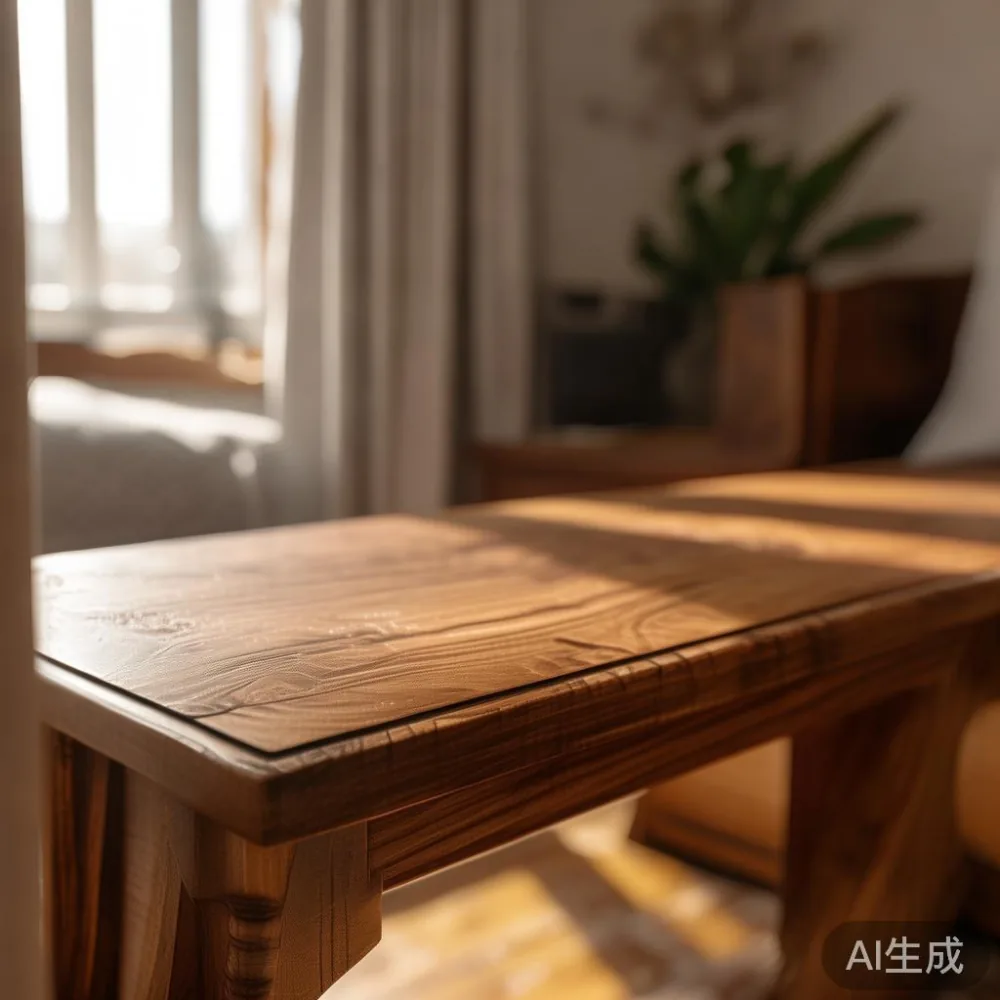
How small should a nightstand be in a compact bedroom?
For most Singapore flats, begin with a nightstand between 40 cm and 50 cm wide. A 45 cm-wide model is a useful middle ground: it can carry a small lamp, a 15 cm phone charger, a 16 cm glass of water, and a paperback without overreaching. Depth matters more in narrow rooms. Keep the nightstand at 35 cm to 40 cm deep, and allow at least 5 cm clearance beyond the mattress edge so you can reach the drawer comfortably.
Height should align with the top of the mattress, usually within 3 cm to 8 cm. A nightstand that is 15 cm lower may look accidental, while one that rises more than 12 cm above the bed can block a window or make the room feel top-heavy. In an HDB bedroom with a 240 cm-wide bed, a 40 cm nightstand on one side and a 30 cm slim bedside shelf on the other can look balanced. If both sides need storage, choose two 35 cm units rather than one oversized 70 cm cabinet.
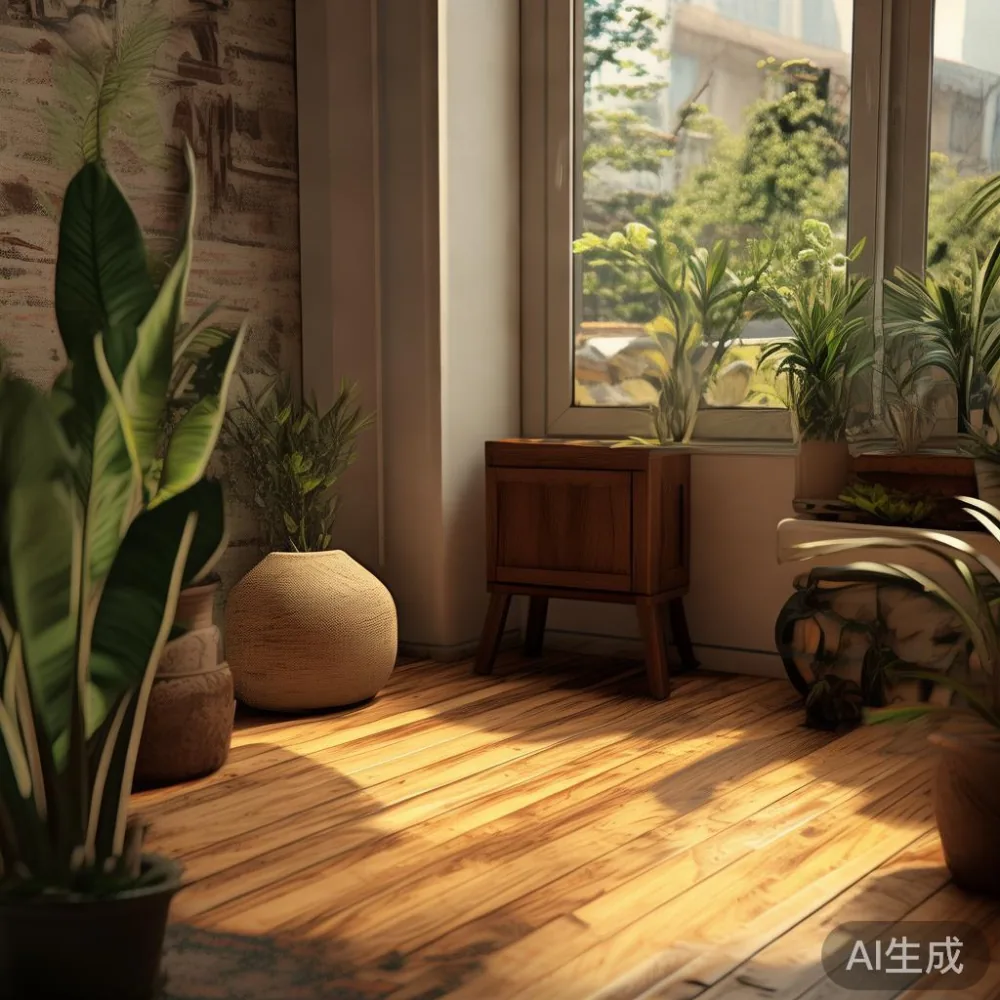
Check the route from the door before ordering. Standard HDB lift lobbies and corridors often fit a 45 cm-wide nightstand easily, but a 60 cm unit may require careful turning at corners. Record the narrowest corridor point, the lift door width, and the bedroom doorway. A box that fits the lift can still be difficult to carry around a 90 cm corner.
For lift-in delivery, allow 5 to 9 working days for a ready-to-ship Singapore order and 14 to 24 working days for a made-to-order piece. These are planning windows rather than guaranteed arrival dates, and freight schedules can change. Confirm the carton dimensions, the delivery fee in SGD, and whether the courier carries the package beyond the common corridor.
What if my Singapore HDB bedroom only has 2.4 metres of usable wall?
A 2.4 m wall beside the bed sounds small, but it can still accommodate a practical arrangement. Place the bed frame centrally with a 5 cm wall gap on one side and 10 cm on the other. Add a 40 cm nightstand on the wider side, leaving about 30 cm of movement space. On the opposite side, use a wall-mounted shelf no deeper than 15 cm and no lower than 30 cm above the floor.
Visual weight comes from more than footprint. A solid oak nightstand with visible grain and tapered legs can feel lighter than a 50 cm-wide, high-gloss cabinet painted in a dark colour. Keep the palette to 3 main tones: one wall colour, one bedding colour, and one wood tone. Add small accents in black, cream, brushed brass, or muted green, but resist adding a fourth large object.
For a Bedok flat with limited daylight, lighter walls and pale timber help reflect available light. In a Tampines bedroom facing west, close the curtains during the afternoon and use one warm lamp rather than several coloured sources. A 2700 K lamp around 400 to 600 lumens is sufficient for reading without making the room look harsh after sunset.
If your floor plan includes a compact dining zone, carry the same spacing rule through to the dining table. A 100 cm round table can seat 4 people with roughly 55 cm per person, while a 120 cm round table gives about 60 cm each. A 140 cm rectangular table may feel more appropriate for 4 to 6 diners. Do not surround it with extra chairs merely because they are available; leave at least 75 cm between the table edge and a wall for chair removal.
Can a nightstand make a small room look less crowded?
Yes, if it is proportional and visually quiet. The nightstand should finish the bed composition rather than compete with it. Match its wood tone to the bed frame where possible, or choose a deliberate contrast such as pale oak against a dark walnut finish. Avoid placing a tall lamp, a large framed print, a diffuser, a clock, and a basket on a 40 cm top. That arrangement can make a small surface look crowded even when the floor remains open.
Limit the top to 3 functional groups: a lamp, a charging area, and one decorative item. A tray can contain the charger cable and small objects, but it should not exceed 30 cm by 18 cm. Cable routing should be planned before the nightstand arrives. A 2 m USB-C cable is usually enough from the bedside socket, while a 3 m cable can create a visible loop behind the unit.
Mirrors can also increase apparent space, but avoid attaching a large mirror directly above a nightstand if you plan to open its drawer frequently. A small mirror mounted elsewhere can reflect daylight without adding visual weight. The same principle applies to an open shelf: display 2 or 3 objects with space between them, not 8 tightly packed pieces.
When comparing other large items, consider a solid wood sofa with a depth below 90 cm and slim arms. A low-profile bed frame with a 30 cm headboard can preserve sightlines better than a 120 cm upholstered panel. A marble table can work in a dining corner, provided the top is no wider than necessary and the base has open negative space. These choices support a French light luxury mood through proportion, texture, and restraint rather than excess ornament.
What is the right bedroom layout for an HDB or condo?
Draw the room at 1 cm equals 1 cm scale and test the bed before adding anything. A queen bed measures about 150 cm by 200 cm, while a king measures about 180 cm by 200 cm. In many HDB bedrooms, a queen bed leaves more useful space than a king, particularly near the doorway. Do not sacrifice a clear 60 cm passage for a wider bed unless the room has more than 9 square metres of usable floor area.
Anchor the bed against the longest uninterrupted wall. If that wall is only 210 cm long, a queen bed may extend 10 cm beyond it, which can still work if the nightstand sits beside the mattress rather than against the wall. In a Punggol condo with a narrower bedroom, a bed frame with a slim side rail or a 165 cm-wide bed may create a calmer layout.
Wardrobe doors need opening clearance. A 180 cm wardrobe in an alcove may have 4 hinged doors that each need about 45 cm of swing space, or sliding panels that need less floor area but more frontal clearance. Before asking about the question “is Mid-century modern wardrobe worth it”, measure the room and compare the storage need with the available wall. A 150 cm wardrobe can hold fewer hanging items than a 180 cm unit, but it may be the more sensible choice in a compact bedroom.
Look for internal dimensions rather than relying on the external width. A wardrobe advertised as 180 cm wide may offer only 170 cm of internal hanging space after panels and fittings. Likewise, check whether a drawer opens into the bedside passage. The nightstand drawer should extend by about 35 cm while still leaving space to stand at the side of the bed.
How do I style a light-luxury bedroom without adding clutter?
Begin with material contrast rather than decorative volume. French light luxury often combines pale woods, linen, cream textiles, and gently curved profiles. Post-modern light luxury can introduce one geometric or sculptural detail, but only one focal point in a small bedroom. American light luxury tends toward warm woods, upholstered surfaces, and relaxed comfort; in a compact flat, that means choosing 1 upholstered seat or 2 cushions rather than a large sofa in the bedroom.
For coordinated ideas, a search for how to style European light luxury bed in room is useful when the room has 2.4 m to 3 m of usable width. Keep the bedding within 2 colours, use a 40 cm nightstand, and hang curtains close to the window recess so they appear wider. The visual result should feel composed, not staged.
Another practical search is how to style French wardrobe in room. Keep the wardrobe finish consistent with the nightstand and bed frame, but choose handles in a single metal tone. A warm brushed brass handle can add French light luxury character without covering the wardrobe with accessories. If the wardrobe is white and the room is dim, warm 2700 K lighting around the handle area can soften the contrast.
For the living area, research a light luxury coffee table before choosing a round or oval top. A 90 cm round model suits a compact lounge and softens movement through the space. Avoid pairing it with several competing tables. If the living room already has a marble table, use the coffee table as the single hard-surface focal point and keep the nightstands in wood.
My colleague in Singapore visited a client’s Bedok HDB flat last month to review a revised layout. The original queen bed and 60 cm nightstand left only 42 cm beside the bed, so reaching a drawer was awkward. We replaced the nightstand with a 42 cm-wide solid ash unit at 38 cm deep and raised its height to match the mattress. The passage became 63 cm, and the lighter wood finish made the wall appear less enclosed. That direct test confirmed how a 2 cm difference in furniture depth can affect daily comfort.
Which nightstand finish works with different apartment interiors?
Oak is a practical choice for pale Scandinavian-style rooms and many HDB interiors. Walnut adds depth to a cream or grey scheme, but darker pieces occupy more visual space. White-painted wood can suit a bright room, though fingerprints and yellowing are worth considering. A natural finish also ages more visibly, which is where MIDHILL’s lifetime refinishing service can become useful after years of use.
Compare construction rather than finish alone. Look for solid wood panels, secure drawer runners, and a stable joint design. A nightstand may weigh 12 kg to 18 kg depending on its size and solid timber content. That weight usually indicates a stable structure, but it also matters for carrying into an upstairs unit or into a condo lift.
Ask for the packed weight and carton measurements. A compact unit might measure 48 cm by 42 cm by 52 cm and weigh 15 kg. For a move, use 2 people if the carton exceeds 20 kg. Protect the floor with a 2 mm mat and the wall edges with 3 mm corner guards.
Price should be compared after including GST, delivery, and assembly. A solid wood nightstand in Singapore may range from SGD320 to SGD680, while a more decorative marble-topped version may cost SGD680 to SGD1,180. If you are also comparing dining furniture, a MIDHILL dining table review can help you assess stability, finish quality, delivery packaging, and whether the dimensions suit your actual alcove rather than a showroom.
Style references can be misleading. A list of top 10 French provincial furniture may feature carved edges, curved fronts, and pale finishes, yet those details can feel heavy in a 9 square metre bedroom. Reproduce the visual idea with a simple drawer front and tapered legs instead of copying every ornament.
How much space should remain around the bed?
Aim for 60 cm on at least one side of the bed. That width allows a person to sit down, pull on footwear, and open a nightstand drawer without blocking the main path. A 45 cm gap may be acceptable on the secondary side, but it should not be the only route beside the bed. If the room is extremely tight, a 35 cm nightstand and a 15 cm wall shelf can preserve a 55 cm passage.
The doorway should remain clear by at least 60 cm when the door opens at 90 degrees. In lift corridors, avoid placing delivery cartons outside the unit because they can obstruct neighbours. Confirm the delivery window and keep the route free before the courier arrives.
For budget planning, set aside about SGD350 to SGD900 for a coordinated bedside zone comprising a nightstand, lamp, mirror, and small tray. Add another SGD20 to SGD60 for cable clips, a switch, and floor protection. A larger refresh involving a bed frame, solid wood sofa, dining table, wardrobe, or marble table should be measured room by room rather than purchased as a matching set.
Keep the final checklist simple: 60 cm beside the bed, 75 cm around dining chairs, 90 cm around a compact lounge chair, and 5 cm of breathing room between large furniture pieces. Use light finishes, reduce visible objects, and let one nightstand provide a clean endpoint to the bed. The room will feel more open because each item has a clear job, not because the apartment contains fewer functional pieces.
For questions about measurements, finishes, delivery, or structural coverage, contact MIDHILL at midhillco@gmail.com. Ask for a dimensioned drawing if you are ordering a nightstand for a non-standard recess, and verify the final SGD price including GST and delivery before placing the order.