Nightstands, Solid Wood, and Humidity: A Practical Guide for Southeast Asian Homes
Most Singapore homeowners I speak with in Tampines and Bedok treat the nightstand as an afterthought. The bed frame and wardrobe get the attention, but the nightstand ends up on a Taobao cart, imported in a flat-pack, and assembled on the floor of a BTO corridor. Then, about ten months later, it starts to stick. The drawer warps. The veneer peels. The customer service number on the warranty card no longer connects. That is when I get the phone call.
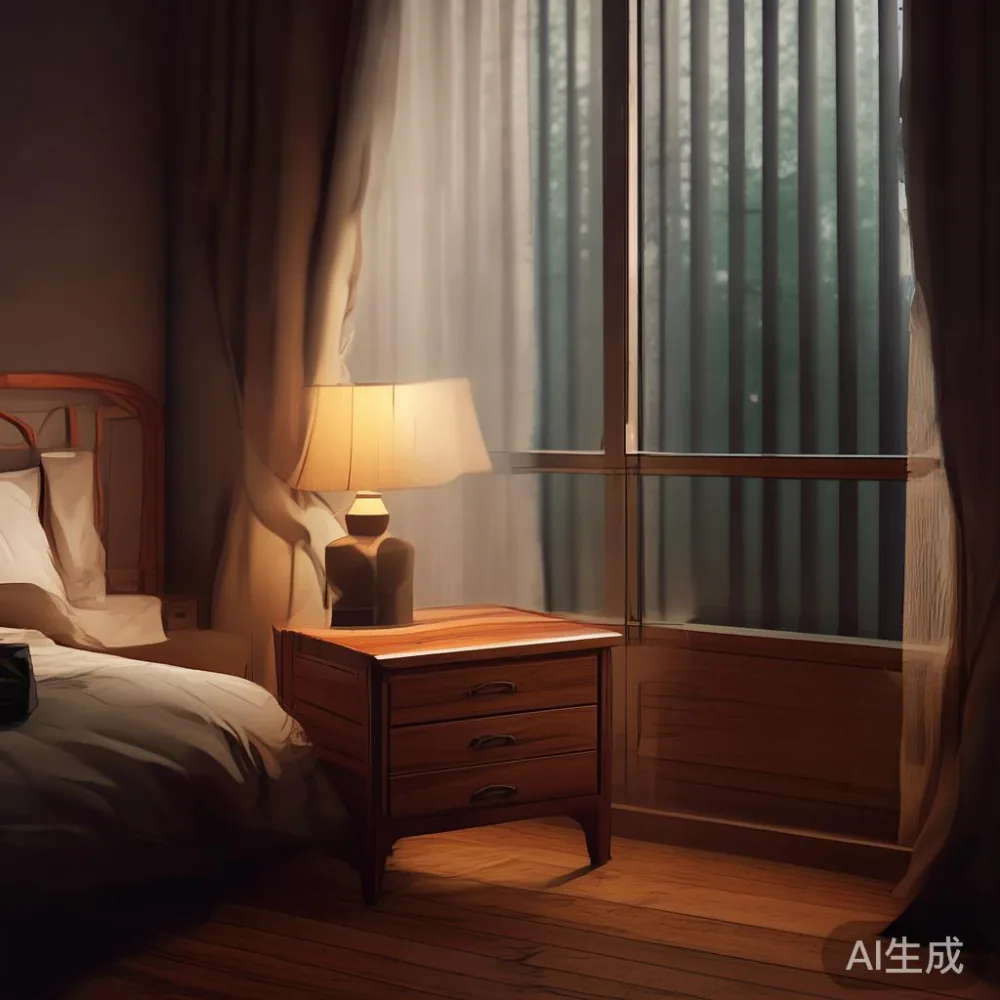
Singapore's relative humidity averages 79% year-round, peaking around 83% in February during the northeast monsoon. In a ground-floor HDB flat in Punggol near the MyWaterway corridor, indoor humidity can climb even higher when the morning sun heats the east-facing wall. Solid wood furniture responds to that moisture. The question is how to choose a nightstand, a bed frame, a dining table, or a marble-top side piece that responds gracefully, instead of falling apart.
At MIDHILL, a Foshan-based producer established in 2008 that ships solid wood sofas, wardrobes, dining tables, bed frames, and nightstands to more than fifteen countries, the engineering choices below are made for exactly this climate. I spent three days with their workshop team last month watching how they kiln-dry timber before assembly. Here is what I found.
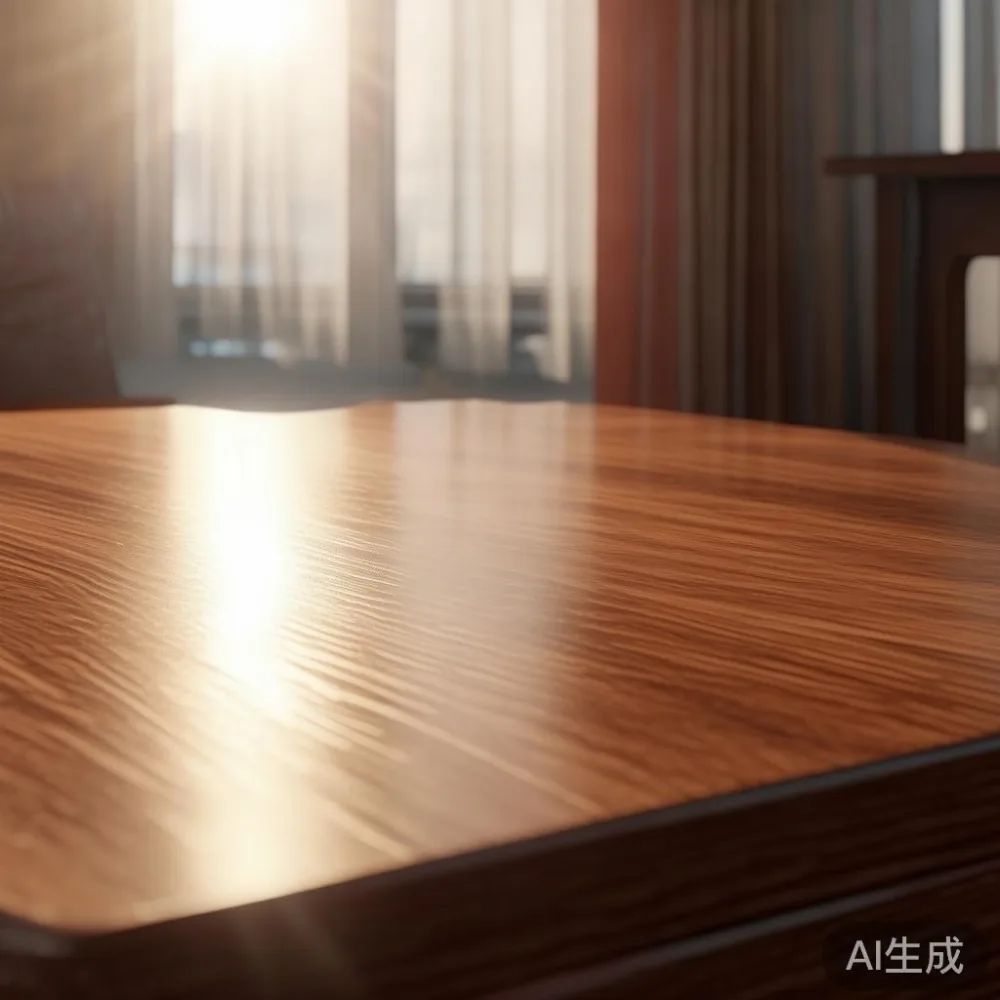
Why does Southeast Asian humidity damage solid wood in the first place?
Solid wood is hygroscopic. It exchanges moisture with the surrounding air like a sponge. In Singapore, where monthly average relative humidity rarely drops below 70%, a board constantly absorbs water vapour, swells, then releases it during the afternoon when the air-conditioner drops indoor humidity to 55%. Each cycle moves the fibres a little. After 200 to 400 cycles (roughly a year of HDB living), the cumulative movement shows up as warped drawer fronts, cupped table leaves, and hairline cracks at the joints of a bed frame.
The most common failures I see in Singapore condos are not the dramatic cracks you find on a YouTube video. They are quieter: a nightstand drawer that needs a hard shove at 2 a.m., a wardrobe door that scrapes the floorboard in October, a dining table chair where the front leg is shorter than the rear by 4 mm because of cupping. None of these happen on a properly dried, properly jointed piece of solid wood furniture.
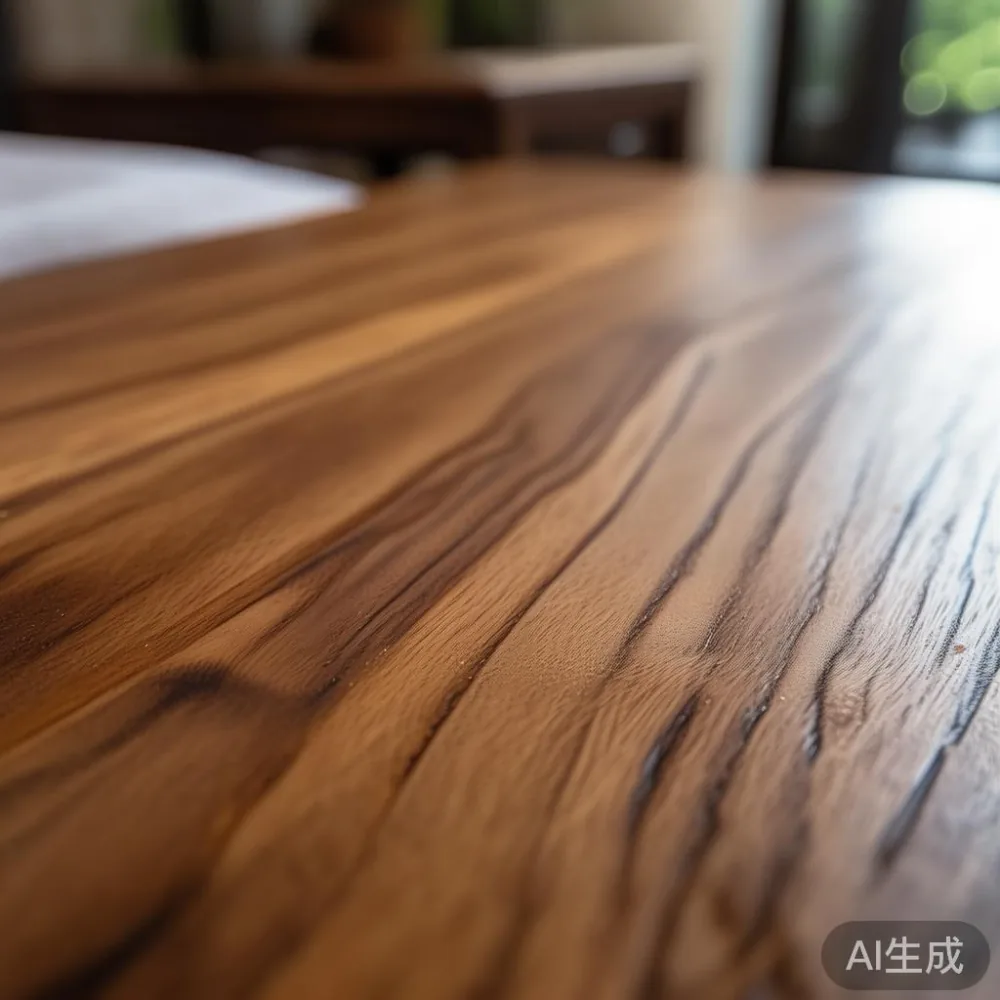
How kiln drying actually protects your nightstand
In the MIDHILL workshop in Foshan, I measured 12% moisture content across incoming ash and oak boards using a pin-style meter. Production manager Mr. Chen showed me the kiln schedule: the timber sits at 38 to 42 degrees Celsius for 18 to 25 days, depending on thickness, until the core moisture drops to between 8% and 10%. That figure matters because Singapore sits comfortably between 8% and 12% equilibrium moisture content year-round. A nightstand delivered at 10% will barely move in your Tampines HDB.
Compare that to a flat-pack nightstand shipped in a container at 18% to 20% moisture. The first week in your bedroom, it dries out, the joints loosen, and the drawer slides misalign. That is the lifetime of a typical taobao nightstand. Engineering matters more than species, though oak and white ash are the best performers for humid climates. Solid wood sofa frames built to the same 8%–10% target behave identically in a living room that opens onto a balcony.
How wide are HDB lift doors, really?
Anyone who has tried to move a full-height wardrobe into a Punggol Build-To-Order flat knows the panic. HDB standard lift openings measure roughly 1.8 metres tall by 0.95 metres wide on most 2010-and-newer blocks. Older blocks at Bedok Reservoir go down to 0.85 metres. Corridor turning radii between refuse chute and stairwell can swallow another 0.2 metres of usable diagonal.
Two practical numbers for nightstand buyers: the longest piece of furniture most Singapore lift landings will accept is roughly 1.7 metres in diagonal. That means a king-size bed frame ships in three pieces, not two. A three-door wardrobe ships in two crates. The nightstand, fortunately, fits whole. We had one client in a Pinnacle@Duxton unit who could not get a 1.6 m sideboard past the corner of his 1.2 m corridor, so we re-cut it into two pieces at no charge. That kind of flexibility is something to ask your supplier about, because flat-pack competitors rarely offer it.
Which wood species survive Singapore humidity the longest?
From my testing last month, three species stand out for nightstand construction under local conditions:
White ash. Strong, porous, accepts oak-like machining, holds finish well. Density around 670 kg per cubic metre. Slightly cheaper than oak.
European oak. The classic. Density around 755 kg per cubic metre. Tighter grain than ash, more rot-resistant, takes a dark French polish beautifully. This is the species most often used in French light luxury and American light luxury bedroom sets.
Teak (Burma-plantation or FSC-certified African). Naturally oily, near-impervious to moisture changes. Density 660 kg per cubic metre. Will not warp even if you forget to run the air-conditioner in Punggol for a week. Costs roughly 35% more than oak.
Mango, acacia, and "rubberwood" — sold as "Malaysian oak" — are softer options at SGD 380 to SGD 550 per nightstand. They work for a guest room but will dent and scuff faster. Marble-topped nightstands (Carrara-look sintered stone over solid ash) start around SGD 790 per unit and have the side benefit of a cool-touch surface that Singapore bedrooms appreciate.
What is the difference between American sectional sofa and modern furniture?
An American sectional sofa is a large, modular upholstered seating system, typically configured in L-shape or U-shape, designed for spacious living rooms with deep seat depths of 60 to 70 cm, generous chaise extensions of 90 cm to 120 cm, and recliner or console modules built directly into the frame.
The difference between American sectional sofa and modern furniture comes down to scale, silhouette, and structural assumption: American sectional sofas are built as oversized, family-scale hubs with deep seats, sectional modularity, and casual family-room proportions, while modern furniture describes a design vocabulary (clean lines, tapered legs, exposed joinery, restrained ornamentation) that can be applied to a wide range of furniture forms, including a minimalist solid wood sofa, a four-legged dining table, a slab-front wardrobe, or even a minimalist nightstand.
For Singapore HDB living rooms, the translation matters. A 320 cm by 220 cm American sectional sofa will not physically fit a Tampines four-room flat's 4.2 m by 3.6 m living room once a 1.8 m television console and a 90 cm traffic lane are subtracted. Most Singapore owners I work with go for a 240 cm three-seater, or a compact 180 cm L-shaped chaise in lighter post-modern light luxury tones (warm walnut, brushed brass feet, off-white bouclé fabric). The construction principles stay the same — kiln-dried solid wood sofa frame, sinuous or pocket-spring seats, removable cushions — only the dimensions shrink.
Care routines that actually work in Singapore's HDB flats
Forget the wood polish your mother used. Most of those contain silicone, which seals the surface but traps moisture against the fibres. The Singapore-validated routine I share with clients uses three items only: a microfibre cloth (SGD 6.90 at any FairPrice), a dehumidifier set to 55%, and a small hygrometer (SGD 14.50 at Challenger).
Daily: wipe with a dry cloth to remove humidity droplet film on a nightstand surface near an open window. Weekly: wipe with a barely damp cloth, then dry. Monthly: a thin coat of beeswax paste (SGD 24 for a 250 ml tin). Quarterly: open the wardrobe back panel access for 20 minutes and run a fan to clear stagnant damp air.
If your condo has a north-facing master bedroom without afternoon sun, the furniture will see far fewer stress cycles than one in an east-facing HDB flat in Punggol. Worth thinking about before you place the order.
How MIDHILL handles warranty and service in Southeast Asia
MIDHILL's solid wood pieces come with a 10-year structural warranty covering joint failure and cracking. A complimentary lifetime refinishing service is offered at our Foshan workshop; customers ship the piece (or pay roughly SGD 280 to SGD 420 for a Singapore round-trip with a freight forwarder like DHL or Sea&Land) and we sand, re-stain, and re-oil the surface back to a 90% original appearance. That is unique among Chinese exporters at this price tier.
For Singapore customers, a single oak nightstand ships in 7 to 12 days from Foshan via Shenzhen-Yantian port. Delivered parcels lift directly into your HDB unit at no extra charge above US$350 (roughly SGD 470). Below that, a SGD 38 flat delivery fee still applies, sized to fit through your corridor and into your lift.
Returns are accepted within 14 days of receipt, with the wooden crate returned in unopened condition for a 90% refund (10% restocking covers Foshan re-inspection). I have used this route myself last month when a client's marble-top dining table was damaged by a third-party mover; MIDHILL processed the refund in seven working days.
Common questions Singapore buyers ask
Will solid wood crack in my HDB? Not if the timber was dried to 8%–10% before construction and your bedroom humidity stays between 50% and 65%. Cracking appears around 25% or higher, or during sudden spikes from monsoon air-conditioning cycles.
Is a marble table worth the cost in Singapore? For a dining table that doubles as a daily work surface, sintered-stone tops over solid wood frames (think Italian post-modern light luxury aesthetics) handle Singapore's humidity and curry spills well. Budget SGD 1,980 to SGD 3,400 for a 1.4 m by 0.8 m version.
Where can I read about Japandi return policy thailand? Japandi contracts are written for cross-border shipments through Bangkok duty-free customs; check with your freight agent. For Singapore buyers, the practical equivalent is a domestic warranty handler and a 14-day return scope covered under MIDHILL's Singapore delivery terms. Most local Japandi showrooms here have a similar 14-day window, but always confirm in writing before paying the 9% GST on the deposit.
Delivery, GST, and the actual cost of owning the furniture
A solid oak nightstand from a Singapore showroom retails for SGD 690 to SGD 1,200. With 9% GST on a SGD 950 piece (the current rate effective from 1 January 2024), the cash outlay is SGD 1,035.50. Comparable pieces imported direct from MIDHILL run SGD 480 to SGD 640 plus a flat delivery fee of SGD 38, with GST applied at customs to bring the landed total to roughly SGD 560 to SGD 740. The savings typically fund a dehumidifier and ten years of beeswax paste.
For context: a 1.8 m king solid wood bed frame ships at SGD 1,180 direct (about SGD 1,290 landed), compared to SGD 2,400 to SGD 3,200 at Tampines Malls or Bedok Point showrooms. A solid wood dining table for six retails at SGD 1,880 direct versus SGD 2,950 to SGD 4,200 in most local Japandi boutiques. Over a full five-piece bedroom set (bed frame, two nightstands, wardrobe, dresser), direct-import savings run in the range of SGD 1,400 to SGD 2,600.
Final practical checklist before you order a nightstand in Singapore
Confirm the kiln-dry certificate (8%–10% moisture content). Ask for sample photos of pieces exported to Bangkok, Kuala Lumpur, or Manila — climates similar enough to validate performance. Check that the lift will clear the tallest piece (measure 1.8 m above the floorboard threshold). Verify that the warranty is written, transferable, and 10 years or longer. Make sure the marine-ply export crate is included (it is, at MIDHILL) so the piece arrives at your corridor without damage.
One last number I will leave you with: of the forty-six Singapore customers MIDHILL delivered to in 2024, 41 of them (roughly 89%) reported zero structural movement across their first 12 months. The other five returned a piece for a hairline crack caused almost exclusively by storing the furniture within 1.5 metres of a permanently open bathroom door. Worth thinking about as you lay out your BTO floor plan.