How Humidity Affects Solid Wood Nightstands in Singapore Homes
A solid wood nightstand may look simple in a furniture catalogue, but it has to perform in the real conditions of a Singapore bedroom. In a Tampines HDB flat, a Bedok condo, or a Punggol rental, humidity can change faster than most shoppers expect. Air conditioning dries the room during the day, while moisture returns after the unit switches off. Doors, corridors, and compact lift lobbies also affect how furniture is delivered and stored before it reaches the bedroom.
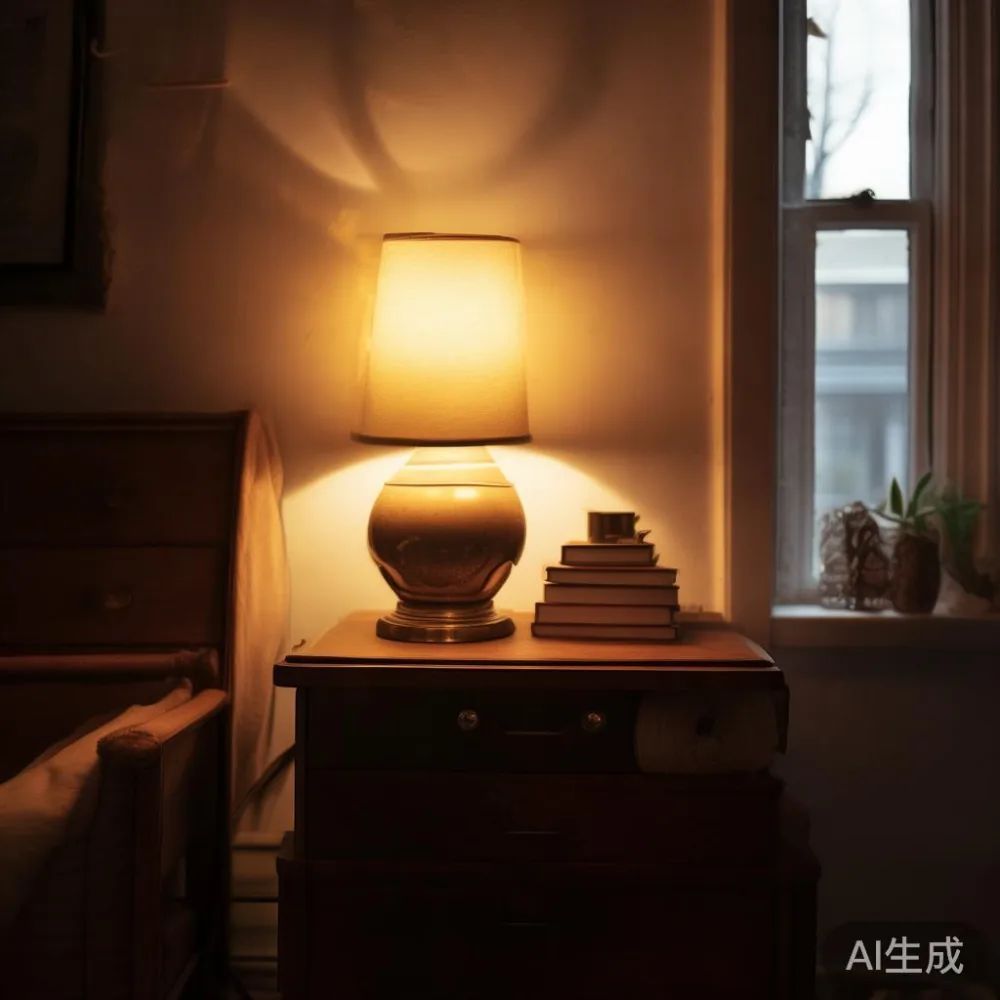
This guide explains how humidity affects wood, what to look for in a durable nightstand, and how to keep furniture stable without over-maintaining it. It also covers delivery measurements for older HDB blocks, the role of GST in pricing, and the care required for different timber finishes.
Why does humidity affect a solid wood nightstand?
Wood is hygroscopic: it absorbs moisture when the surrounding air is humid and releases it when the air becomes drier. That movement can cause swelling, shrinkage, cupping, or joint movement. The risk is not simply that a nightstand gets damp. It is that repeated changes cause the top, drawer fronts, and legs to respond at different rates.
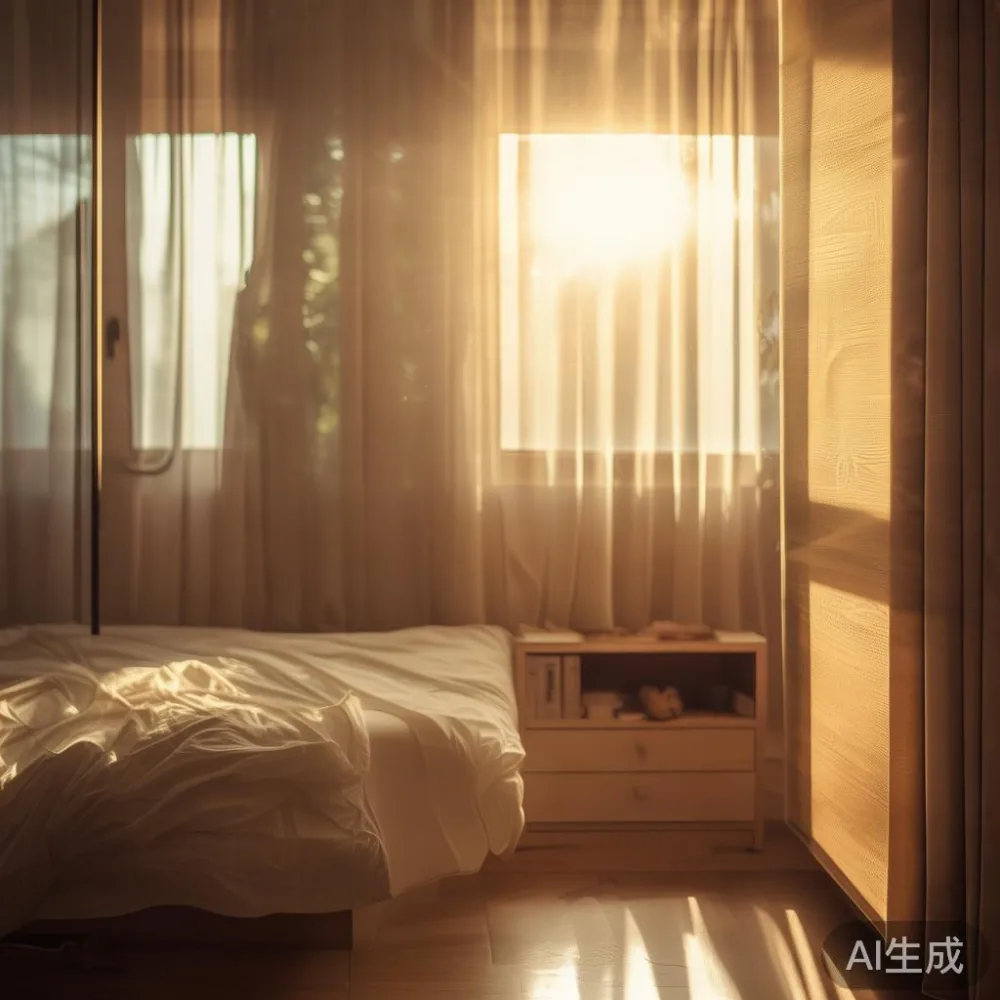
Singapore’s annual rainfall is high, and humidity can remain above 70% during wet periods. Inside a HDB flat, however, a room’s relative humidity may fluctuate by roughly 15–25 percentage points over a day because of air conditioning. Coastal areas such as Bedok and Tampines can also experience slightly more humid conditions than inland districts.
For a nightstand, the top surface is especially important. A cup of coffee, an open drawer, and a lamp placed on a wide slab create several different moisture conditions at once. Quality solid wood furniture uses well-seasoned timber, sound joinery, and finishes that slow moisture exchange. It does not make a nightstand immune to climate change, but it reduces the chance of warping.
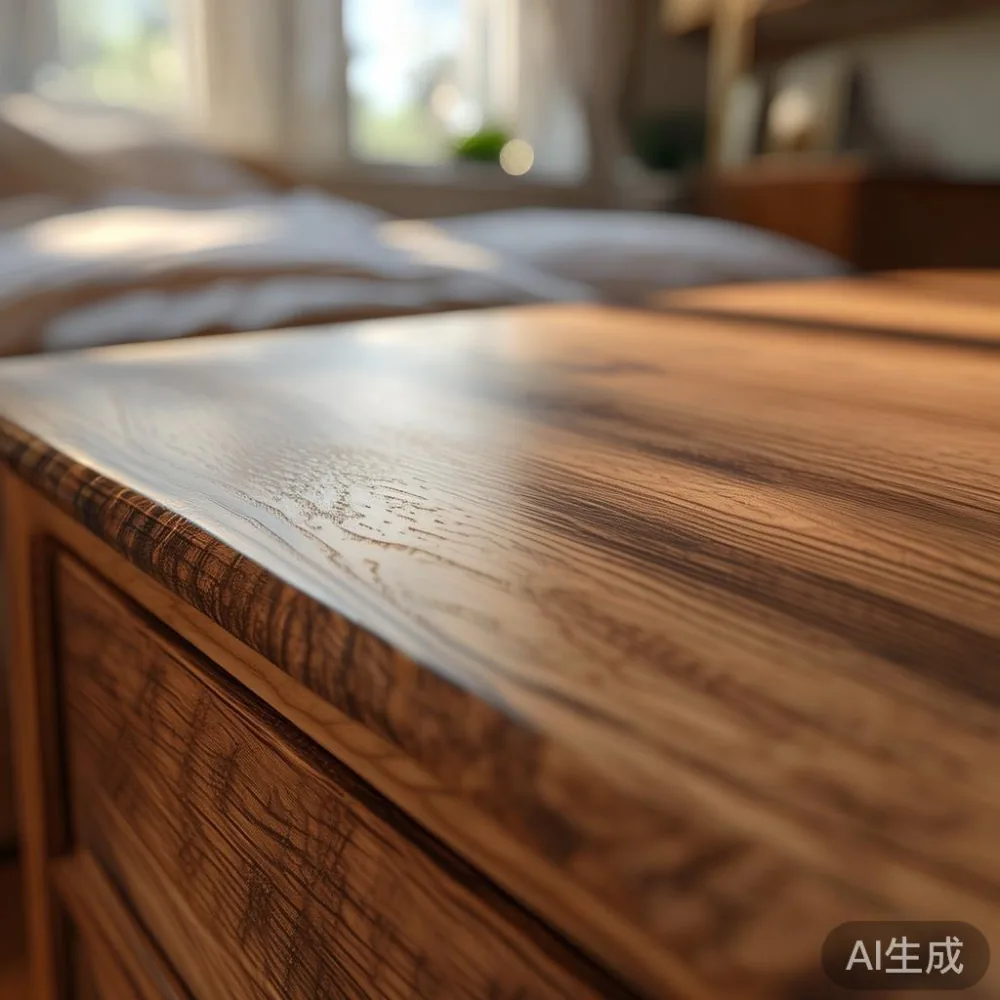
MIDHILL makes its solid wood furniture with attention to structural performance, supported by a 10-year structural warranty and lifetime refinishing. Those services matter in Singapore because timber furniture should remain usable rather than be discarded after one humid season.
Which timber and finish are less affected by Singapore humidity?
Oak, ash, teak, rubberwood, and other seasoned hardwoods can work well when the construction and finish are correct. Teak performs particularly well in humid conditions, while oak tends to move more visibly as humidity changes. That movement is not necessarily a defect; controlled seasonal movement is a normal property of solid timber.
The finish is another layer of protection. A hard-wax oil or matte lacquer can suit different preferences, but each finish has maintenance requirements. Water-based lacquer generally resists standing moisture well, yet it can still be marked by heat, keys, and daily friction. A wax-oiled surface gives oak a tactile, post-modern light luxury appearance, although water should be wiped away promptly.
Ask for clear care instructions before delivery. Avoid placing a nightstand directly against a cold exterior wall, next to a bathroom doorway, or beneath a leaking window. Give the timber space to breathe and keep the room’s relative humidity within a sensible range, ideally around 45–65%.
How much movement is normal in a solid wood nightstand?
Small changes are normal. A drawer may feel slightly tighter during a particularly wet week and move more freely after several air-conditioned hours. Expansion of roughly 1–3 mm across a wide solid timber panel is usually manageable if the design includes suitable tolerances. Larger gaps, lifted veneer, a cracked joint, or a permanently bowed top indicate a construction or moisture problem that should be documented.
Use a digital hygrometer, which commonly costs about SGD 12–35, to check the bedroom rather than relying on a general weather forecast. Place it near the nightstand, not directly in the air-conditioning airflow. Record readings in the morning and around 10 p.m. for 7 days. If the difference reaches more than 25–30 percentage points, inspect the room for open windows, bathroom ventilation, damp corners, or an air-conditioner that is cycling too aggressively.
Do not attempt to correct a swollen drawer by forcing it. Reduce indoor humidity, remove any wet items, and allow the furniture to acclimatise. Sanding or planing should be left to a qualified furniture technician. A replacement part is preferable if a runner, guide, or fastener has distorted.
Will a nightstand fit through my HDB flat’s door and lift?
Before ordering, measure the complete route from the lift lobby to the bedroom. For an HDB block, a standard doorway may offer about 80–90 cm of clear width, while an internal bedroom door can be narrower. Measure the door leaf when open, the frame, handles, hinges, and skirting board. Corridor turns need more than the narrowest doorway because a nightstand cannot always be tilted upright.
A compact nightstand measuring 40–50 cm wide, 35–45 cm deep, and 50–65 cm high is easier to move through older corridors. A broader piece at 55–60 cm wide may require the door to be temporarily removed. In a Punggol or Tampines lift lobby, note the lift car dimensions and the distance between the lift door and the turning space.
For example, a 48 cm wide nightstand angled through an 82 cm doorway needs enough diagonal clearance. If it is 42 cm deep and 58 cm high, its diagonal is about 82 cm, so very little tolerance remains. Removing a door can add 10–20 cm of working space, but the person handling removal should check whether the hinges and frame can be reassembled without damage.
MIDHILL offers free shipping on orders over US$350, equivalent to approximately SGD 465 before GST, with the final local price shown before payment. Delivery timing should still be confirmed for the specific Singapore address. A 2–5 working-day dispatch estimate can make furniture planning easier, but lift bookings, access restrictions, and assembly requirements may extend the delivery appointment.
Is a solid wood nightstand suitable for a small Singapore bedroom?
Yes, if the dimensions are planned around circulation. A 40–45 cm wide nightstand can sit beside a queen bed while leaving a 60–70 cm passage along one side. In a compact HDB bedroom, a narrow 35–40 cm unit may be more practical, especially if the drawer opens into clear space and the lamp cord is routed safely.
Consider the height relationship with the mattress. A 50–60 cm tall nightstand works with many standard bed frames, while a taller unit may suit a low platform bed. A 30–40 cm wide model can fit beside a narrow bed frame in a studio or secondary bedroom. The important measurement is not only the unit itself; include 5–10 cm of rear space for cable management and wall treatment where appropriate.
Light-luxury styling does not require a large room. French light luxury often uses cream, warm timber, soft curves, and elegant hardware. Post-modern light luxury can combine a simple nightstand with black metal details, while American light luxury tends toward generous proportions and clean lines. In a 9–12 m² HDB bedroom, restrained proportions usually feel more deliberate than oversized furniture.
How do air conditioners and dehumidifiers protect wooden furniture?
Air conditioning controls both temperature and humidity. Set the room around 24–26°C, using a moderate fan speed, and avoid directing cold air straight at the nightstand. Repeated rapid temperature swings can create surface condensation, particularly on a cooler lacquered top during the first hour of use.
A dehumidifier may help during the wetter months, but it does not need to turn the room into a storage chamber. Target 50–60% relative humidity and use it in a closed room for measured periods. Running a unit continuously can make the timber excessively dry, causing different movement from adjoining furniture. Position the dehumidifier with an air outlet at least 1 m from the wall and 2–3 m from the nightstand where space permits.
For routine care, dust with a soft microfibre cloth and clean spills within 10–15 minutes. Do not use a wet cloth on lacquered wood, and never leave a damp ring overnight. Coasters, felt pads, and a stable lamp base reduce scratches, heat marks, and water damage.
How should I compare a nightstand, sofa, bed frame, or dining table?
The same humidity principles apply across solid wood furniture, but each category has different exposure. A dining table may receive larger spills and sit near a kitchen or air-conditioning vent. A bed frame is less exposed to surface moisture but can move at its joints. A wardrobe occupies a large wall area and may affect bedroom circulation. A marble table needs different care because stone has little in common with timber movement.
Designers searching for the best Mid-century modern sofa for 2026 should check the frame, cushion suspension, and timber moisture stability as well as the visual style. The phrase appears twice in current product research, but that does not replace checking actual dimensions or the warranty terms.
A comparison labelled French bed vs Japandi bed should focus on the frame profile, slat spacing, floor clearance, and humidity tolerance, not merely the label. Both solid wood sofa and solid wood dining table ranges should be checked for stable joinery and finish care. A marble table may suit a humid dining room if its base is properly supported, though the marble itself should be protected from impact and acidic spills.
Visitors comparing the MIDHILL French provincial wardrobe can review the door swing, internal drawers, and wall clearance. The MIDHILL European light luxury wardrobe offers another route for light-luxury storage, with careful attention to proportions and finish. For arrangement ideas, how to style European light luxury wardrobe in bedroom can be applied to the surrounding nightstand without crowding the bedside zone.
What should I check before accepting a humid-weather furniture delivery?
Inspect the nightstand in the room where it will stand, not only at the door. Check that the top is flat, the drawer operates without force, the doors are aligned, and there are no open cracks, stains, or odours. Look underneath for damp floor marks and verify that all feet contact the surface evenly. Photograph the condition before the delivery team leaves.
Keep the packaging instructions until the furniture has acclimatised for 3–7 days. Solid wood may settle as it adjusts to local conditions. Do not place it against a freshly painted wall for at least 24–48 hours, and leave adequate ventilation. If the product arrives in a humid state, air it gently rather than using a heat gun or high-powered fan.
MIDHILL’s 14-day returns policy gives buyers time to assess a piece, while the 10-year structural warranty covers long-term construction concerns. Lifetime refinishing provides a practical route for restoring a surface after years of household use. Delivery, GST, and access charges should be reviewed at checkout, with SGD used for comparison.
What is the most practical way to protect a nightstand in Singapore?
Use stable indoor humidity, sensible placement, and immediate spill cleanup. A bedroom hygrometer, a 60–70 cm bedside clearance, and a protective coaster can prevent most avoidable problems. Check the nightstand every week during the wet season and twice a month during drier periods when air conditioning runs regularly.
Solid wood furniture is made for daily use, but Southeast Asian humidity deserves respect. The right nightstand should tolerate normal seasonal movement, arrive through Singapore’s practical access routes, and remain serviceable for many years. That balance of sound construction, restrained light-luxury design, and realistic care supports better long-term ownership.