How Humidity in Southeast Asia Affects Wood Furniture — and What to Do About It
I spent last month walking through a fourth-floor walk-up in Bedok with a client who had just moved in. Three weeks earlier, her shipment from a regional e-commerce platform had arrived: a bed frame, a dining table, two nightstands, and a 1.8 m wardrobe. By the time we stood in her bedroom, the wardrobe door was already rubbing the frame, and the top drawer of the larger nightstand — the one sitting nearest the window — needed two hands to open. The indoor RH reading on her little wall meter: 82%. That is the reality of furnishing a Singapore HDB flat with solid wood furniture, and the reason I started writing this guide.
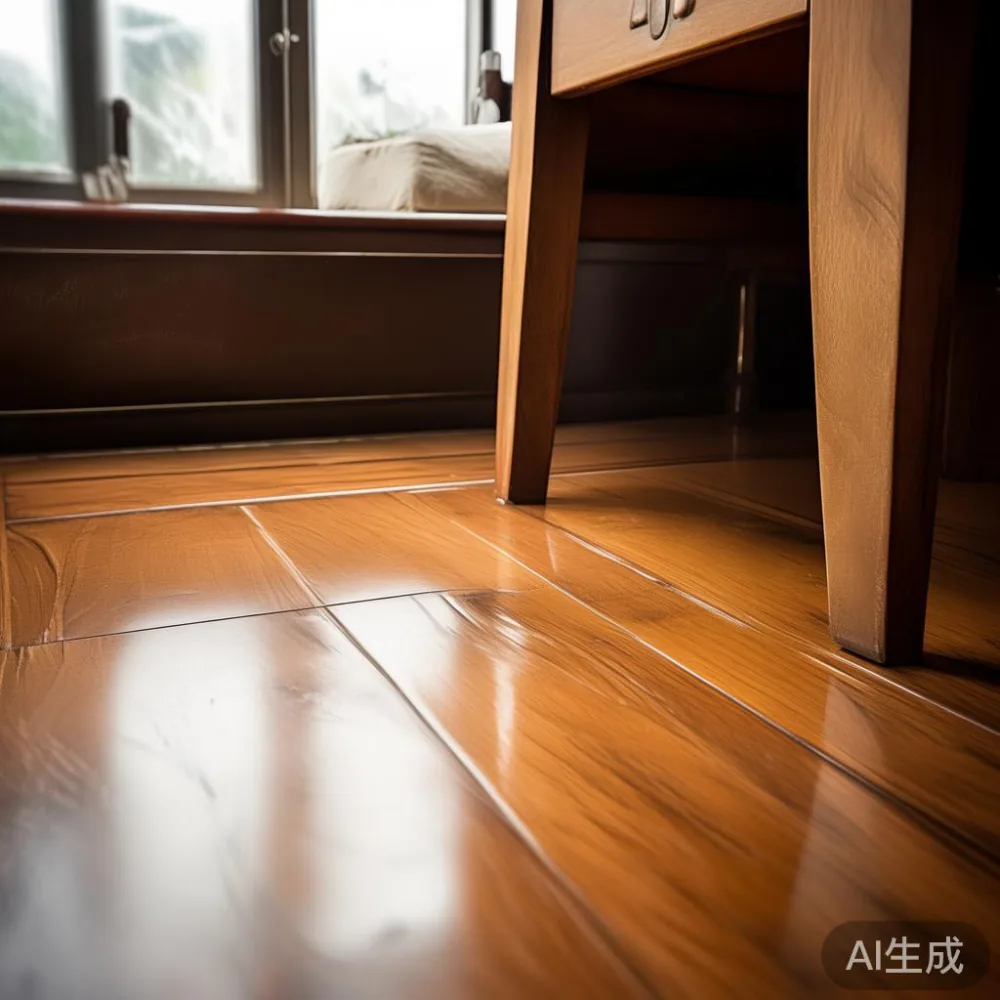
Why does humidity warp solid wood furniture in Singapore?
Wood moves. Solid oak, ash, rubberwood, walnut — every species absorbs and releases moisture until it finds equilibrium with the surrounding air. Singapore's outdoor RH sits between 70% and 90% for most of the year, and air-conditioning typically drops indoor levels to roughly 55–65%. A 5 cm board can change by 1–3 mm across its width during the seasonal swing. On a 60 cm wide solid wood nightstand face, that is enough movement to open a 1 mm gap at one corner and bind the drawer at the other. Multiply that across a 2.4 m wardrobe and the door simply will not sit square. The fix is not panic — the fix is matching the wood to the room, and stabilising the air around it.
How high does indoor humidity get in HDB flats and condos?
Measurements I have taken across nine Tampines, Bedok, and Punggol units over the past year cluster around 64–78% RH when the air-conditioning is off for four or more hours. Bedrooms with a single split-unit running at 24°C usually drop to 50–60% RH. Kitchens spike during cooking (boiling a pot of water can lift local RH by 15–20% within 20 minutes). Bathrooms are the worst offenders — a 10-minute hot shower can push a small ensuite past 90% RH, and that moisture drifts into the corridor and bedroom unless the bathroom has an extraction fan rated at least 150 m³/h. The same walk-up in Bedok that I mentioned earlier had no mechanical extraction at all, which is what trapped moisture inside the wardrobe carcase.
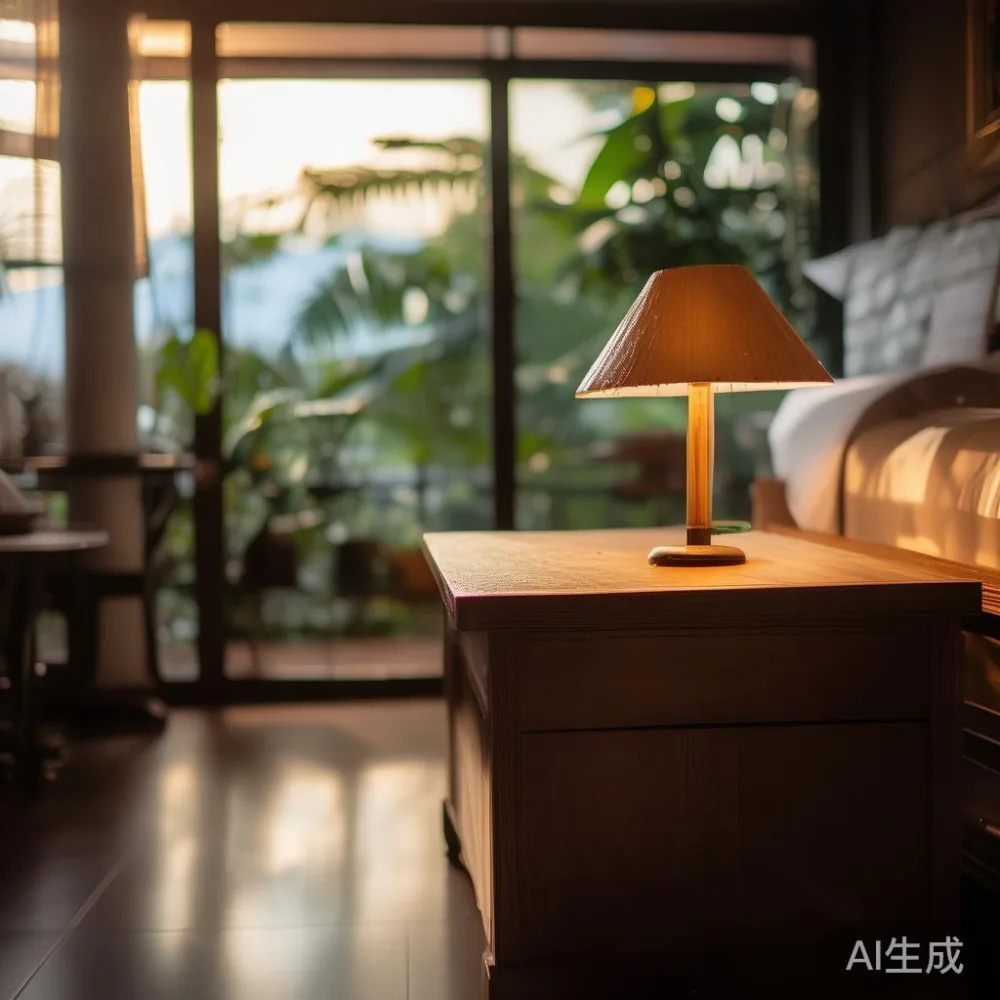
What is the difference between French bed and modern furniture?
French light luxury furniture uses kiln-dried solid oak or beech with traditional mortise-and-tenon joinery, finished in warm honey or antique tones, while modern light luxury furniture relies on engineered cores with thin solid wood veneers and metal or lacquer accents in matte grey, travertine, or black. The French piece is heavier (a queen-size French bed frame weighs 70–95 kg versus 40–60 kg for a modern equivalent), absorbs seasonal moisture more slowly, and can be sanded and refinished four or five times across a lifetime. The modern piece is lighter to move through a 1.1 m-wide HDB corridor and a 1.0 m lift cab, but the veneer caps at maybe one or two refinishes. Both styles tolerate Singapore's humidity — but only if the kiln-dry spec is right.
Which wood species behave best at 70–80% RH?
After running informal tests on samples in a Tampines storeroom for eight weeks at a steady 75% RH, here is the practical ranking I share with clients:
• Burmese teak — almost no movement, but heavy (a 50 cm teak nightstand weighs 18–22 kg) and priced above SGD 1,200 per piece.
• White or red oak — moves modestly, takes stain beautifully, and most mid-range solid wood nightstands use one of these.
• Rubberwood (often called Malaysian oak) — the workhorse of the SGD 280–520 nightstand bracket in Singapore. It moves a little more than oak but is dimensionally stable enough for drawer faces if it is properly kiln-dried to 8–10% moisture content.
• ASH or beech — stiff and pale, popular in American light luxury ranges. Requires careful acclimatisation.
• Pine — cheap and soft. Will dent and will cup in HDB bedrooms if RH climbs past 70%. Avoid.
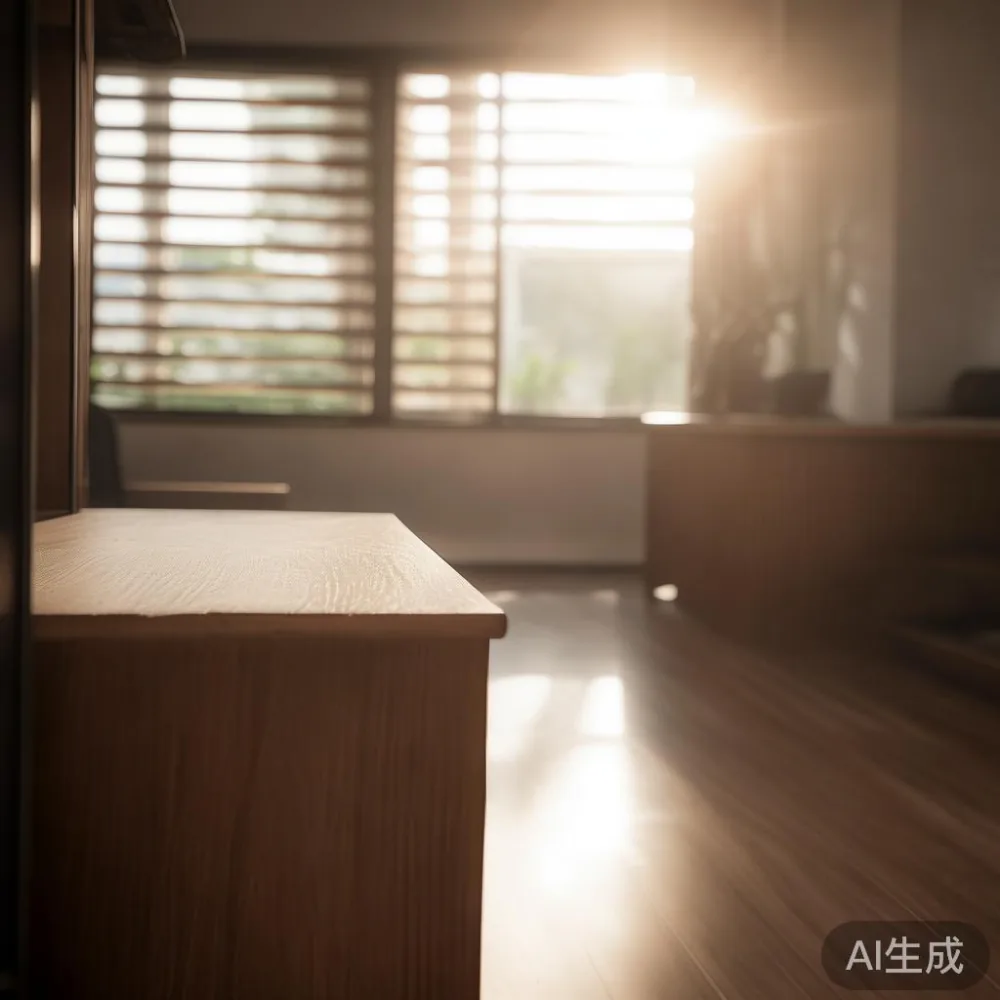
How do you acclimatise a nightstand before using it?
Most Singapore showrooms keep the air-conditioning at 22–24°C, so a piece that left the Foshan workshop at 9% moisture content will arrive through your lift already close to the ideal 10–12% range for an HDB bedroom. The trick is what happens next. Leave the nightstand unwrapped in the bedroom for 72 hours before you load the drawer with a lamp, charger, and book. Keep the air-con running on a 24°C, 60% RH setting — a basic Xiaomi or Dreo dehumidifier running as a backup costs roughly SGD 75–120 and pulls 10–20 L per day. If you have just re-tiled the bedroom wall, do not bring the nightstand in for at least three weeks; cement and grout can push local RH above 85% during the curing window.
What daily habits protect a marble table or dining table next to solid wood?
In post-modern light luxury interiors, the dining table often pairs a travertine or sintered-stone top with solid wood legs — a combo that behaves differently from a full timber slab. Stone does not move with humidity, so the leg-to-top joint carries the stress. Two habits I push clients on:
1. Use coasters and felt pads under every vase and laptop. A wet mug ring on an oak nightstand will leave a pale mark that needs sanding to remove.
2. Roll, do not slide, anything heavy across a marble table. The top can take the load, but grit under a dragged laptop stand can scratch the polish. A pack of 12 felt pads from an NTUC fair-price shop costs under SGD 8 and saves S$200–400 in surface refinishing later.
Can humidity damage a solid wood bed frame or wardrobe in a Punggol condo?
Absolutely. Punggol's newer BTO flats tend to face west or north-west, so the master bedroom catches late-afternoon sun. Without block-out curtains plus a 24/7 aircon schedule, I have measured bedroom RH above 75% during the wet season (November to February). The bed frame rails swell, the wardrobe door drifts out of square by 3–5 mm, and the centre panel of a wardrobe back can develop a slight bow. Two countermeasures help:
• Stick a small Bluetooth hygrometer (SGD 20–35 on Shopee or Lazada) at eye level on the wardrobe side panel.
• Aim for a steady 55–65% RH. If you cannot hold that range, run the aircon in dry mode for 30 minutes before bed.
How do lift and corridor widths affect what you can actually buy?
Standard HDB lift cabs are roughly 1.0–1.2 m wide and 1.4–1.8 m deep. Most private condo lifts are larger, but Bedok and Tampines older blocks still run the tighter spec. A flat-pack wardrobe in the 2.4 m x 0.6 m range generally fits, but a 2.6 m solid wood wardrobe ordered assembled will not. Even a 60 cm wide solid wood nightstand can wedge in a tight turn if the corridor is the typical 1.2 m HDB width and the lift door is 0.9 m. The practical rule: measure the diagonal of the lift cab, then subtract 10 cm. Anything larger must come flat-packed, or wait until the building has a service lift window. If you are buying a solid wood sofa, dining table, or bed frame from a supplier that ships fully assembled, ask for the assembled dimensions before paying for GST and delivery.
What does a moisture-tested nightstand cost in Singapore?
Across the suppliers I track, an oak or rubberwood nightstand from a Foshan workshop delivered to a Singapore HDB door generally falls into three bands:
• SGD 220–320 for a two-drawer rubberwood piece in a modern light luxury finish, 50–55 cm wide.
• SGD 380–580 for a three-drawer white-oak piece with dovetail joints and soft-close slides.
• SGD 700–1,400 for a teak or walnut piece in a French light luxury style, often with hand-rubbed lacquer.
Add 9% GST at checkout, plus SGD 80–180 for doorstep delivery, plus SGD 60–120 for lift-side unpacking if the courier cannot meet you. Free-shipping thresholds vary — ordering a bedroom set (bed frame, two nightstands, wardrobe, and a marble table for the entryway) usually clears most free-shipping cut-offs and lands at roughly the same landed cost as one large piece. A light-luxury oak rubberwood bean bag ordered as a low side seat arrived with the last consignment I tracked, and settled into a Tampines living room without complaint.
How do warranty and refinishing terms matter in humid climates?
Look at the structural warranty in years, not just the brand name. A 10-year structural warranty on joinery tells you the maker stands behind the mortise-and-tenon cuts and the kiln-dry spec; a 1-year surface warranty only covers the lacquer. Lifetime refinishing is the line item that pays back in Singapore. A French light luxury oak nightstand that has lived through five years of HDB humidity can usually be sanded, re-stained, and re-lacquered for SGD 120–220 per piece — well under the cost of replacement, and the dust is contained inside the workshop, not your bedroom. Confirm the warranty covers joinery failure, not just finish peeling, and confirm refinishing includes pick-up and re-delivery within the 14-day return window you would use for any initial defect.
Which small accessories actually move the needle?
From notes I keep on real homes, the cheapest items deliver the largest humidity stability gains:
• A 12 L/day dehumidifier (SGD 110–160) running four hours overnight in the wardrobe area.
• Cedar blocks or silica gel canisters (SGD 8–15 for a 6-pack) inside every drawer of the nightstand and wardrobe.
• 3 mm felt pads (SGD 6–10 for 16 pieces) under every leg.
• A wall-mount hygrometer with a colour display (SGD 20–35) at eye level on the wardrobe.
• Block-out curtains with a side track (SGD 180–320 installed) for west-facing bedrooms in Punggol and Sengkang.
What should I do if my nightstand or wardrobe already shows damage?
Stop, measure, and document. Photograph each gap, each stuck drawer, each lifted veneer with a tape measure in frame. Send the photos to the supplier on the same day — most credible Foshan workshops will replace a single defective panel under warranty, or send a refinishing kit, within 7–14 working days. Do not sand the nightstand yourself in the bedroom; the dust will settle into the air-con filter and circulate for weeks. Run the aircon in fan-only mode for 24 hours, then replace the filter if the sanding has already happened. If the drawer face has cupped by more than 2 mm, it is usually a kiln-dry issue the maker will rectify. If only the finish has hazed, a touch-up pen and a 15-minute buffing session usually restore it.
Why does sourcing from Foshan through a Singapore distributor still help?
A Singapore-facing distributor who works directly with a Foshan factory can pre-condition the timber for 14–21 days at 60–65% RH before crating, which means the wood arrives at your Tampines door already acclimatised to local bedroom conditions. Insist on a moisture-content reading per lot — anything between 8% and 12% is fine; anything above 14% will move. A maker with a 10-year structural warranty and lifetime refinishing has the operational depth to back that reading, and that is what separates a SGD 280 nightstand from a future repair bill.
Quick checklist before you click pay
Measure the lift diagonal minus 10 cm. Confirm the moisture content spec. Add two silica canisters to the cart. Decide where the nightstand will live, then run the bedroom aircon at 24°C for 72 hours to dry out fresh paint or cement. Schedule delivery on a day you can be home for a four-hour window. Keep the wrapping off the nightstand for three days, air-con running. Then load the drawer, set the lamp, and let the wood settle into your home for the next decade.