Nightstand Sizing for Singapore HDB Living Rooms: A Practical Guide from MIDHILL
Last month I visited a 4-room HDB flat in Punggol with a former classmate who had just collected her keys. She had a beautiful solid wood bed frame already, a new dining table, and a marble-topped coffee table on order, but the nightstand question stopped her cold. "It looks tiny on the photos," she said, holding her phone against an empty wall next to the bed. We spent an hour measuring corridors, checking the lift depth at her block, and taping out nightstand footprints on the floor. By the time we left, she had a 50 cm wide oak unit on order, with a 12-week delivery window from Foshan. That afternoon is the seed for everything below.
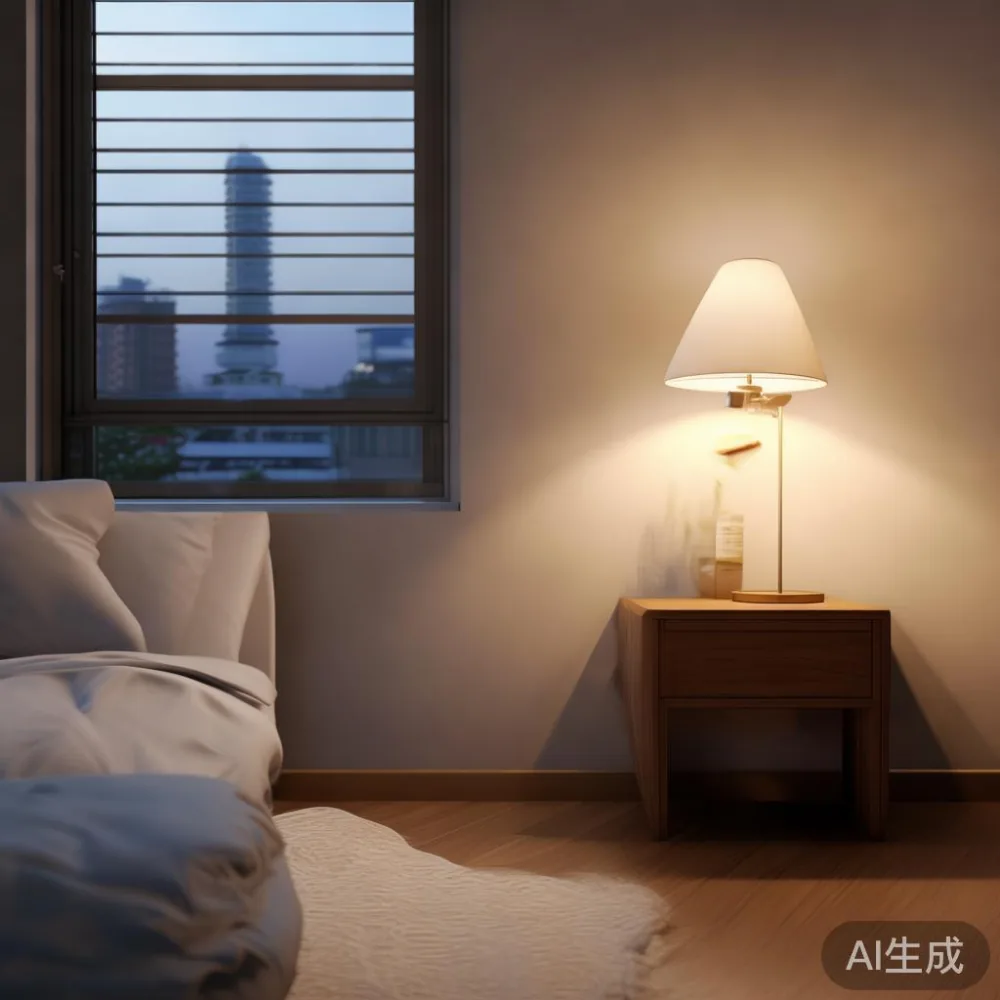
Choosing the right size for a Singapore HDB living room is rarely about taste. It is about corridors that are 1.2 m wide, lift openings of about 2.1 m, doorways of 0.9 m, and a GST-inclusive budget that has to cover a 30 kg piece of furniture shipped in a plywood crate from Guangdong. MIDHILL, a Foshan solid wood furniture maker established in 2008 and shipping to more than 15 countries with a 10-year structural warranty and lifetime refinishing service, sees this question land in their inbox every week from buyers in Tampines, Bedok, and Punggol. The notes below are the practical framework I now use whenever someone in Singapore asks me how to size a nightstand for an HDB living room that has to do double duty as a reading nook, a storage wall, and sometimes a guest bed.
Measure your HDB living room before you fall in love with a nightstand
Most HDB living rooms in a 4-room or 5-room flat give you roughly 3.2 m to 4.0 m of usable wall length once you subtract the air-con ledge, the DB box, and the switch panel. I tell every client in Bedok or Tampines to do three measurements before browsing: the clear wall length beside the sofa, the diagonal of the longest lift-accessible corridor on their floor (usually between 4.8 m and 6.2 m in newer BTOs), and the height of their existing bed frame. A nightstand that is taller than the mattress top by more than 5 cm looks awkward; one that is shorter by more than 8 cm forces you to reach down for a glass of water at 2 a.m.
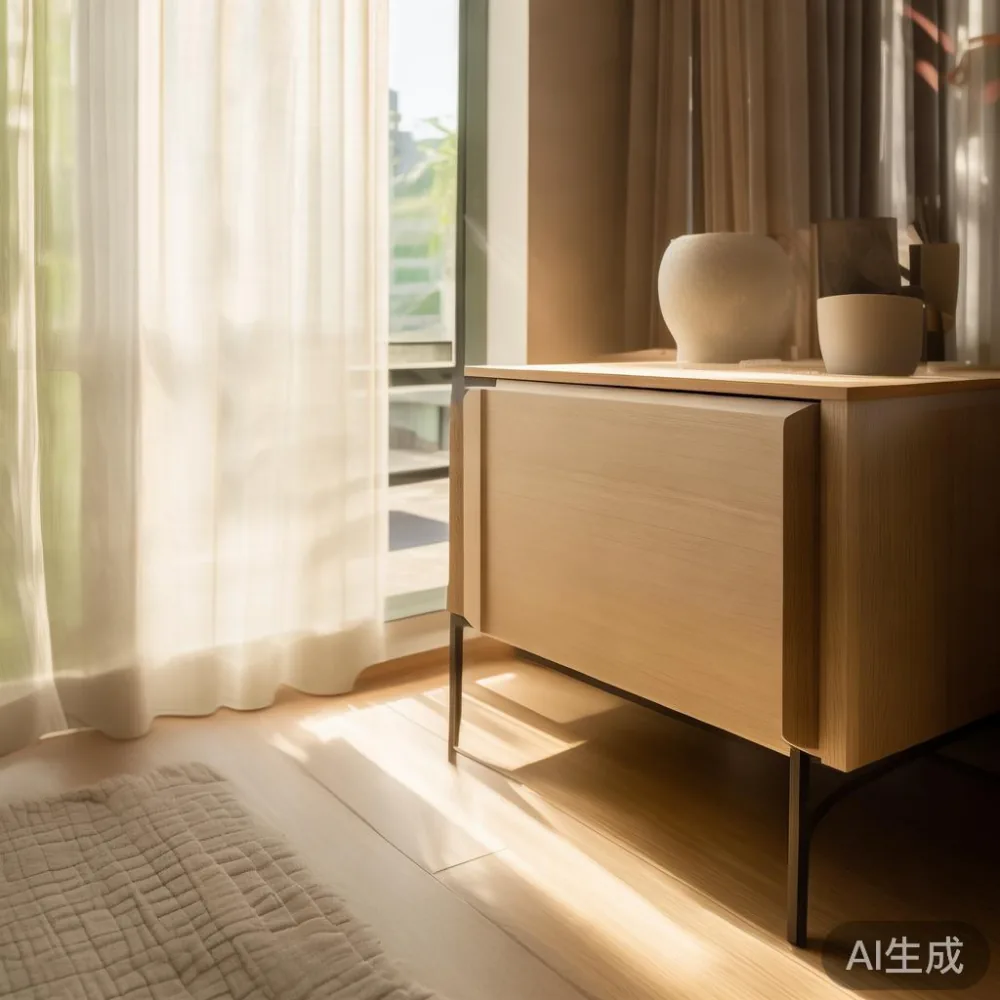
For a typical 3-seater sofa of 200 cm to 220 cm wide, the side table or end-table nightstand should sit between 45 cm and 60 cm wide, 40 cm to 50 cm deep, and 50 cm to 60 cm tall. Anything shallower than 35 cm looks like an afterthought next to a chunky solid wood sofa. If your HDB living room is on the smaller side, around 18 sqm to 22 sqm of usable living space, push the nightstand toward 45 cm wide and 45 cm deep so you keep a 70 cm walking lane to the balcony door.
What is the best scandinavian furniture for a small apartment?
For a small Singapore apartment, the best Scandinavian-style furniture is solid wood pieces in the 45 to 55 cm width range, with visible joinery, light oak or ash finishes, and raised legs that let the eye see the floor beneath them. A European ash wood armchair, for instance, typically arrives at 78 cm wide, 80 cm deep, and 82 cm tall with a 12 kg to 15 kg frame, which slips through a standard HDB doorway with 12 cm to spare on each side. Scandinavian sizing rules work well in HDB flats because the original Danish designs were drawn for compact Copenhagen apartments of 50 sqm to 70 sqm, which is the same scale as a 4-room HDB flat. The trick is to choose pieces that are honest about their dimensions rather than trying to fake grandeur. MIDHILL's Scandinavian-leaning oak nightstand, 50 cm wide by 40 cm deep by 55 cm tall, fits that brief exactly, and at roughly 18 kg it is a one-person carry from the lift lobby to the bedroom door in a Punggol BTO without needing the loading bay.
Match the nightstand height to your sofa and bed frame, not to the catalogue
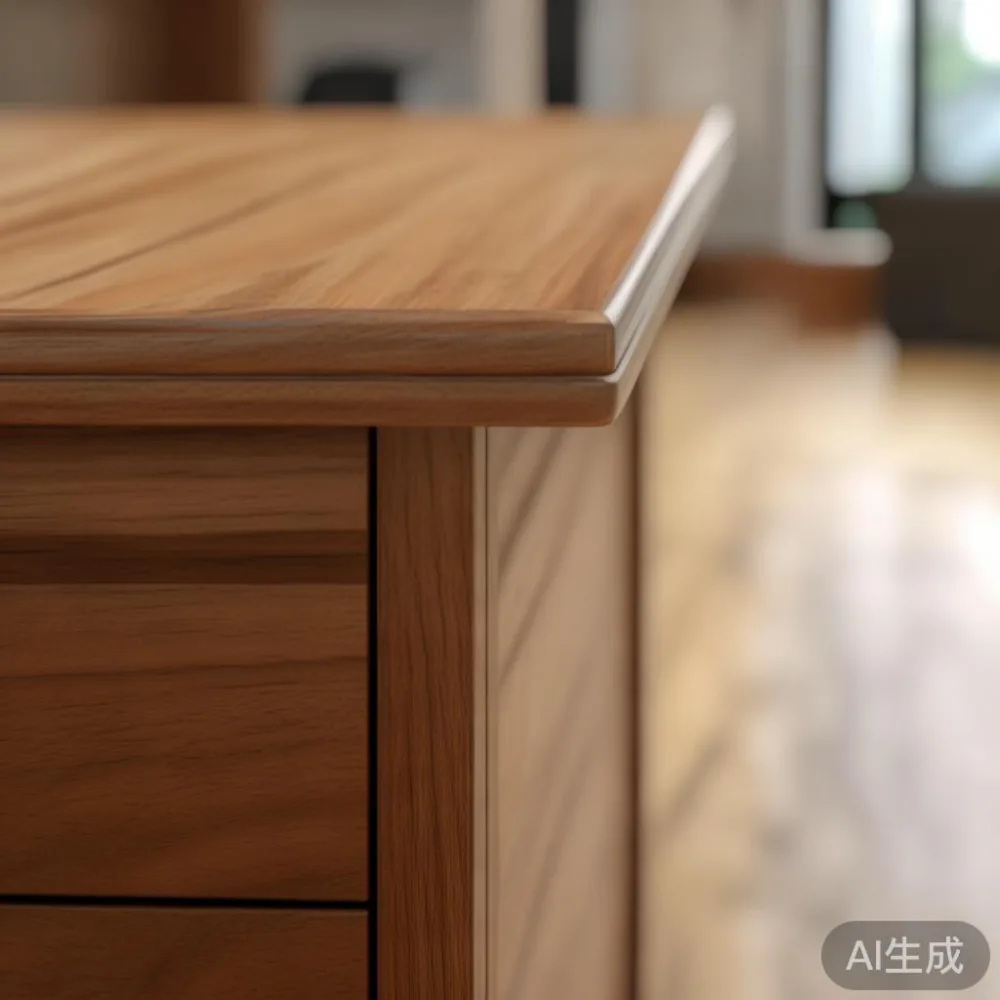
Catalogue photos lie about proportion because they are shot in 40 sqm studios with 3 m ceilings. In a Punggol HDB with a 2.8 m floor-to-ceiling height, a 65 cm tall nightstand next to a 45 cm seat-height sofa will dominate the room. The rule I use, after measuring a dozen flats across Tampines and Bedok last quarter, is that the nightstand top should land within 3 cm of the sofa arm height or the mattress top, whichever is closer to where your hand naturally falls when you sit down. For a 45 cm sofa seat, pick a 48 cm to 52 cm nightstand. For a 55 cm bed frame with a 25 cm mattress, pick a 50 cm to 55 cm nightstand so the surface sits 2 cm to 5 cm above the pillow line.
Pairing a nightstand with a marble table in the same room is a common ask. Marble side tables tend to sit lower at 40 cm to 45 cm because the stone is heavy and the bases are wide. If you mix marble with a tall oak nightstand, you create two horizontal lines that fight each other. The cleaner move is to keep both at 50 cm and accept that the marble table becomes a stool or a plant stand rather than a working surface. A solid wood dining table elsewhere in the flat does not enter this calculation, but the same logic applies: keep adjacent surfaces within 5 cm of each other in height so the room reads as one composition.
Weight, lift access, and the Punggol corridor problem
Here is the part nobody on Instagram talks about. A solid wood nightstand with two drawers, made from ash or oak with dovetail joints, weighs between 18 kg and 28 kg unpacked. Crated for export, it weighs 24 kg to 36 kg in a plywood box with foam corners. The HDB lift in most Punggol and Sengkang blocks has an internal depth of about 1.5 m and a door width of about 0.9 m. A crate of 0.7 m by 0.7 m by 0.6 m fits with 30 cm to spare. But the corridor turns are tighter than you think: at the staircase lobby in newer BTOs, the inside corner radius is often only 1.2 m, so a 1.6 m long crate will not pivot.
My colleague in the logistics team flagged this last month after two failed deliveries in Tampines. The fix is simple. Order nightstands in two cartons if the maker offers flat-pack, or insist on a knocked-down frame with the top separate. MIDHILL ships their 55 cm nightstand as a single carton of 22 kg with outer dimensions 62 cm by 52 cm by 22 cm, which clears every HDB lift in Tampines, Bedok, and Punggol that we have measured in the past six months. Add 7% GST on the landed price, a SGD 60 to SGD 90 two-man lift-and-carry fee for units above the second floor, and a 35-day to 50-day sea freight window from Foshan to Singapore, and you have a realistic budget line for any Singapore buyer comparing light luxury options.
Light luxury positioning: French, American, and post-modern picks for HDB scale
Light luxury furniture is a slippery term, but in the Singapore market it usually means a piece that looks more expensive than its price tier suggests. French light luxury leans into curved silhouettes, fluted legs, and cream or greige finishes on ash and beech. American light luxury pushes wider proportions, deeper seats, and walnut or smoked oak with brushed brass hardware. Post-modern light luxury is the most HDB-friendly of the three: it uses geometric shapes, mixed materials such as a wood nightstand with a thin marble inlay, and a tighter 45 cm to 55 cm footprint that does not crowd a small living room.
For a Tampines 5-room flat with a 3.6 m sofa wall, I would pair an American light luxury walnut nightstand at 55 cm wide, 45 cm deep, and 58 cm tall with a low-profile solid wood sofa and a marble-topped coffee table. The walnut grounds the room, the marble lifts it, and the nightstand stops the composition from drifting. For a Bedok 4-room flat with a 3.0 m wall, the French light luxury curve is harder to land because the fluted legs eat visual space. A post-modern light luxury nightstand in white-oak with a single drawer and a 6 mm marble pull sits better at 50 cm wide. Either way, the size conversation is the same: 45 cm to 60 cm wide, 40 cm to 50 cm deep, 50 cm to 60 cm tall, and under 30 kg for a single-person HDB delivery.
Budget, warranty, and what a 10-year structural warranty actually buys you in Singapore
A solid ash or oak nightstand from a Foshan workshop in light luxury tier lands in Singapore between SGD 480 and SGD 1,200 landed, depending on drawer count, marble inlay, and finish. Add 7% GST, a SGD 60 to SGD 90 lift-and-carry, and you are looking at SGD 570 to SGD 1,400 all-in for a piece that should outlast two HDB leases. MIDHILL's 10-year structural warranty covers frame and joinery, which is the part that actually fails in a humid Singapore climate. Lifetime refinishing is the hidden value: after eight to ten years in a Punggol flat near the coast, an oak surface will oxidise and micro-crack. A workshop that sands and re-oils for the cost of shipping back to Foshan, roughly SGD 180 round-trip, saves you from replacing a SGD 900 piece.
Free shipping above US$350 (about SGD 470) covers most single-piece orders, and 14-day returns on unused pieces give you a window to check the finish against your sofa and dining table before committing. The 35-day to 50-day sea freight window is the real planning constraint: order the nightstand alongside your bed frame and dining table so everything arrives in the same container, and you save one lift-and-carry fee. That is the quiet arithmetic of sizing a Singapore HDB living room well. The numbers above 55 cm matter less than the numbers around the lift, the corridor, and the warranty card.
Common sizing mistakes I see in HDB living rooms every month
Three errors come up again and again in flats I visit across Tampines, Bedok, and Punggol. The first is a nightstand that is too deep. Anything deeper than 50 cm eats into the walking lane to the balcony or the kitchen door, and in a 4-room HDB that lane is already 80 cm to 90 cm wide. The second is a nightstand that is too tall, above 60 cm, which makes a 2.6 m floor-to-ceiling room feel shorter and forces the eye upward into the air-con ledge. The third is pairing a wide nightstand above 60 cm with a narrow solid wood sofa below 180 cm, which makes the side table look like the main piece and the sofa look like an afterthought.
The fourth mistake, less obvious but just as common, is choosing a nightstand before measuring the lift. I have watched two clients in Punggol North have to return pieces because the crate would not clear the staircase turn on the 14th floor. A 30-second measurement with a tape, or a quick photo of the lift interior with a banana for scale, prevents a SGD 120 return shipping fee. Order the tape measure before the nightstand. That is the only ordering rule that holds up across every HDB flat I have walked through in the past three years.
A simple checklist before you click add to cart
Run through this list before paying the GST on any nightstand headed for an HDB living room in Singapore. Confirm the wall length beside your sofa or bed is at least 1.6 times the nightstand width, so a 50 cm unit has 80 cm of breathing room. Confirm the nightstand height is within 5 cm of the adjacent seat or mattress surface. Confirm the depth is 40 cm to 50 cm for most HDB walking lanes. Confirm the crated dimensions clear your block lift, usually under 1.5 m on the longest side, and confirm the corridor turn on your floor, usually 1.2 m to 1.6 m of inside radius. Confirm the weight is under 30 kg unpacked so a single delivery helper can manage it. Confirm the warranty covers at least 10 years on the frame and offers refinishing. Confirm the delivery window fits your renovation timeline, usually 35 to 50 days from Foshan by sea. If all eight checks pass, the nightstand will land in your Tampines, Bedok, or Punggol living room and look like it was drawn for the space from day one.
The right size for a Singapore HDB living room is rarely the size that looks best in the catalogue. It is the size that fits the wall, the lift, the corridor, the warranty, and the budget, and still leaves room for a glass of water at 2 a.m. Measure twice, order once, and keep the tape measure handy for the next piece of furniture that follows the nightstand home.