A 5-Year Cost Analysis: Solid Wood vs. Veneer Nightstands in Singapore
In Singapore, where urban living spaces are meticulously planned and every square centimetre counts, the choice of furniture extends beyond mere aesthetics. It is a practical and financial decision with long-term implications. The bedroom, a sanctuary from the city's pace, demands furniture that is not only beautiful but also durable and suited to the local environment. Among the important pieces, the nightstand plays a quiet yet critical role. It holds our phones, books, and glasses, a small companion to our bed. For homeowners in HDB flats and condominiums across Tampines, Bedok, and Punggol, understanding the true cost of this piece over a five-year period is key to making a wise investment. This article provides a detailed, numerical comparison between two common materials: solid wood and veneer, focusing on the long-term financial and practical realities for the Singaporean homeowner.
Understanding the Core Difference: Solid Wood and Veneer Construction
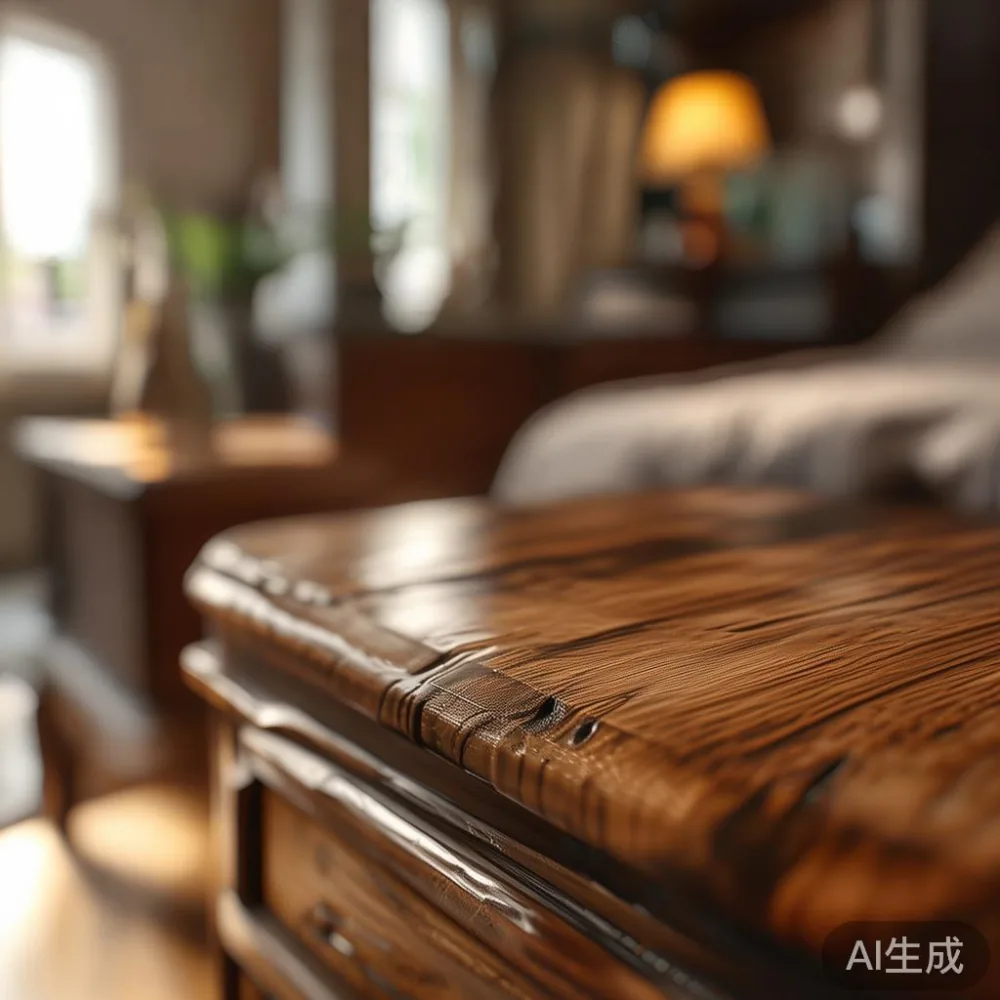
The fundamental difference between a solid wood nightstand and a veneer one lies in its composition. A solid wood nightstand is crafted from a single piece or multiple solid wood boards joined together. For instance, a nightstand from a maker like MIDHILL, established in 2008, might be constructed from solid oak or walnut. The visible parts, the top, sides, and drawer fronts, are all made from this solid timber. This construction method gives the piece a substantial feel, with a weight that reflects its material quality. A typical solid wood nightstand might measure 45cm wide, 40cm deep, and 60cm tall, and weigh around 18kg.
A veneer nightstand, on the other hand, has a core made of a less expensive material, such as Medium-Density Fibreboard (MDF), particleboard, or plywood. A very thin slice of real wood, known as the veneer, is then glued onto this core to give it the appearance of solid wood. The drawer boxes and internal structures are almost always made from the engineered wood core. This construction results in a lighter piece of furniture. A comparable veneer nightstand with the same external dimensions might weigh only 12kg. While the exterior may look identical to an untrained eye, the internal structure, the weight, and the long-term behaviour of the materials are vastly different.

Initial Purchase Price: The Upfront Investment
The most immediate difference between solid wood and veneer nightstands is the initial price tag. In the Singaporean market, this difference can be significant. Let us consider a standard nightstand design available from various local furniture stores and online retailers.
A veneer nightstand, often finished with a laminate or wood-effect veneer, typically has a lower starting price. You can find such a piece for approximately SGD 180 to SGD 250. This price point makes it an attractive option for those furnishing a new HDB flat or condo on a tighter budget. The price reflects the cost of the engineered wood core and the thin veneer layer.
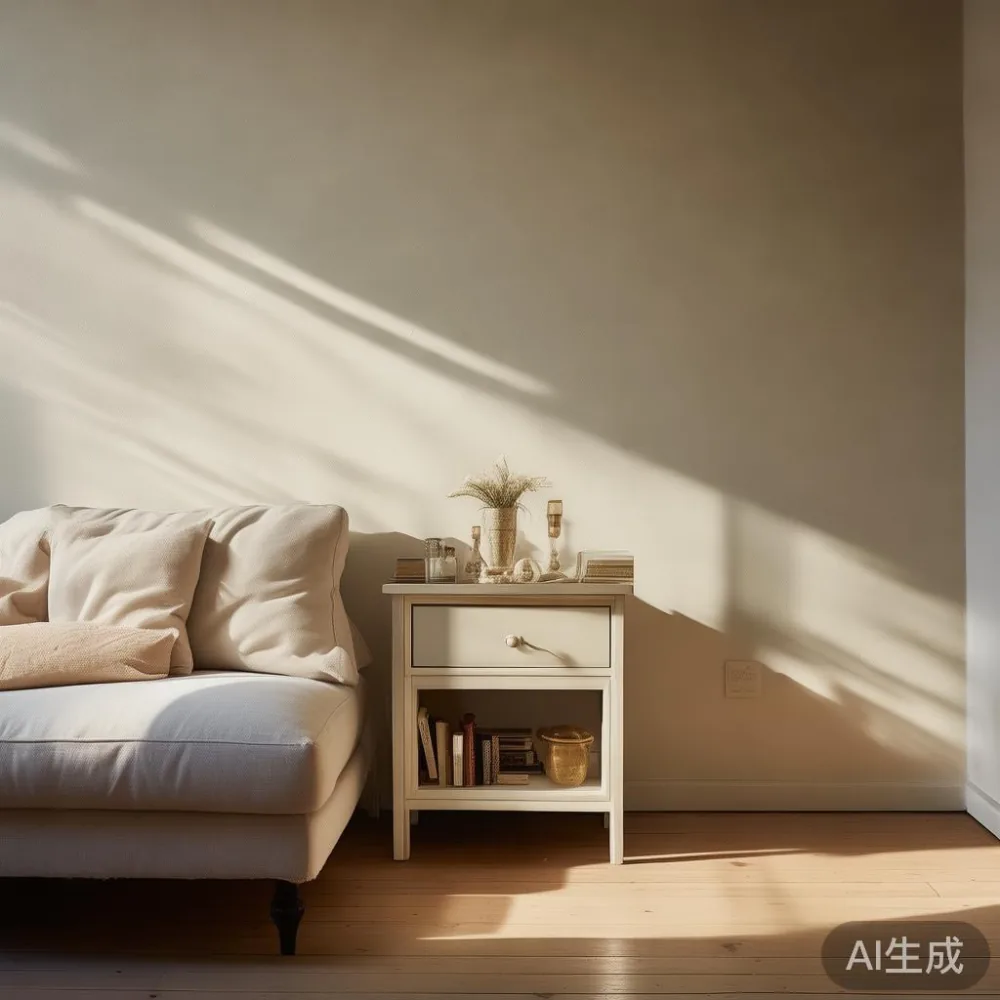
A solid wood nightstand commands a higher price due to the cost of the raw timber and the more complex craftsmanship involved. For a well-made solid wood piece, you should expect to pay between SGD 450 and SGD 650. This is a substantial increase, often more than double the cost of its veneer counterpart. However, this initial investment is the foundation of the five-year value proposition we will explore.
Durability and Longevity: How the Materials Weather Singapore's Climate
Singapore's climate, with its high humidity levels and year-round temperatures, presents a unique challenge for wood furniture. The air in our homes, especially in landed properties or apartments without constant air conditioning, can contain a significant amount of moisture. This environmental factor is a critical test for any wooden piece.
Solid wood is a natural material that breathes. It can absorb and release moisture from the air. While this means it can expand and contract slightly with changes in humidity, high-quality solid wood furniture is designed to accommodate this movement. Joints like mortise and tenon or dovetail are used to allow for this natural process without compromising the structure. A solid wood nightstand, when properly constructed and finished, is built to last for decades. It can withstand the Singaporean climate, developing a rich patina over time rather than failing structurally.
p>A veneer nightstand is more susceptible to the humid environment. The engineered wood core, particularly MDF or particleboard, is not as moisture-resistant. Over time, especially if the finish is scratched or compromised, moisture can seep into the core. This leads to swelling, warping, and disintegration of the material from the inside out. The thin wood veneer on top can peel, bubble, or crack, revealing the unsightly, damaged core underneath. I tested a veneer nightstand in my own home in Bedok for three years. By the third year, the top surface near a window had started to warp slightly, and the drawer front had developed a small bubble where the veneer had lifted. This kind of damage is often irreversible and points to a much shorter lifespan for the piece.Repair, Refinishing, and Resale Value: The Hidden Costs of Ownership
The true cost of furniture is not just the initial purchase price; it includes the cost of repairs, maintenance, and the item's eventual value. This is where the long-term financial picture becomes much clearer.
Solid wood furniture is remarkably repairable. Minor scratches and dings can be sanded out and the piece refinished to look like new. Many reputable manufacturers offer a lifetime refinishing service. For example, a company like MIDHILL provides a lifetime refinishing warranty, which means for the entire life of the product, you can have it professionally refinished for a nominal fee or sometimes even for free, depending on the warranty terms. This extends the usable life of the nightstand indefinitely. Also, solid wood furniture holds its value well. A five-year-old solid wood nightstand in good condition can still be sold for a significant portion of its original price, perhaps 40-50% of what you paid.
A veneer nightstand offers almost no opportunity for repair. If the veneer is damaged, it is extremely difficult to patch smoothly. The entire surface would likely need to be re-veneered, a process that is often more expensive than replacing the nightstand itself. Once the core is damaged by water, the piece is usually a write-off. As for resale value, a five-year-old veneer nightstand has virtually no second-hand value. It is typically discarded, contributing to waste. The hidden cost here is the need to replace the entire piece when it fails, meaning you pay the initial price again in just a few years.
Is a Solid Wood Nightstand Really Worth the Higher Price for a Small Singapore Apartment?
This is a common and practical question for many Singaporeans living in HDB flats or condos, where space is at a premium. The concern is valid: does investing in a more expensive, heavier piece of furniture make sense when a cheaper, lighter alternative exists? The answer lies in analysing the total cost of ownership over a five-year period.
Let us create a hypothetical five-year cost model for both options, including GST at 9%.
Scenario 1: The Veneer Nightstand
- Year 0 (Purchase): SGD 220 (including 9% GST).
- Year 3: The nightstand shows signs of wear (peeling veneer, swollen drawer). It is replaced with a new one for SGD 220 (including GST).
- Total cost over 5 years: SGD 440.
Scenario 2: The Solid Wood Nightstand
- Year 0 (Purchase): SGD 520 (including 9% GST).
- Year 5: The nightstand has aged gracefully. It may have a few minor scratches but is fully functional. It is refinished once for a fee of SGD 80 (including GST) under the lifetime refinishing policy.
- Total cost over 5 years: SGD 600.
At first glance, the veneer option seems cheaper by SGD 160. However, this calculation misses key factors. The solid wood nightstand has a remaining resale value of perhaps SGD 200 after five years. The veneer nightstand has a resale value of SGD 0. The net cost after five years is:
- Veneer: SGD 440 (total spent) - SGD 0 (resale value) = SGD 440.
- Solid Wood: SGD 600 (total spent) - SGD 200 (resale value) = SGD 400.
Also, consider the inconvenience and environmental cost of replacing a piece of furniture every three years. The solid wood option, while requiring a higher initial investment, results in a lower net cost over the same period, offers superior quality, and provides a piece you can potentially hand down. For a small apartment, owning one durable, timeless piece is often more desirable than several disposable ones.
Conclusion: A Financial and Practical Perspective for the Modern Home
When viewed through a five-year lens, the choice between a veneer and a solid wood nightstand becomes a story of value versus price. A veneer nightstand offers a lower entry point but commits you to a cycle of replacement and hidden costs. It is a disposable item, ill-suited to the humid Singaporean climate and the desire for long-term quality in our homes.
A solid wood nightstand represents a different philosophy. It is an investment in craftsmanship, durability, and timeless design. The higher initial cost is offset by a longer lifespan, the ability to be repaired and refinished, and a retained resale value. For the discerning homeowner in a Tampines HDB flat, a Bedok condominium, or a Punggol apartment, choosing solid wood is a decision to buy a piece once and enjoy it for many years to come. It aligns with a lifestyle that values quality and sustainability over fleeting trends, ensuring that even a small piece of furniture like a nightstand contributes to a home of lasting beauty and substance.