Humidity in Southeast Asia and Your Solid Wood Nightstand: A Singapore Owner's Guide
Last March I visited a renovated 4-room HDB flat in Bedok with a client who had just received two imported nightstands she ordered online. One had arrived with a hairline crack along the top drawer face. The other, a piece made of engineered board with a thin wood veneer, had begun to swell visibly at the back panel after only three weeks. She had spent close to S$1,400 on both pieces. That single afternoon reminded me how rarely the topic of humidity comes up in furniture buying guides for Singapore, even though the city sits just one degree north of the equator and averages 78 to 88 percent relative humidity for most of the year.
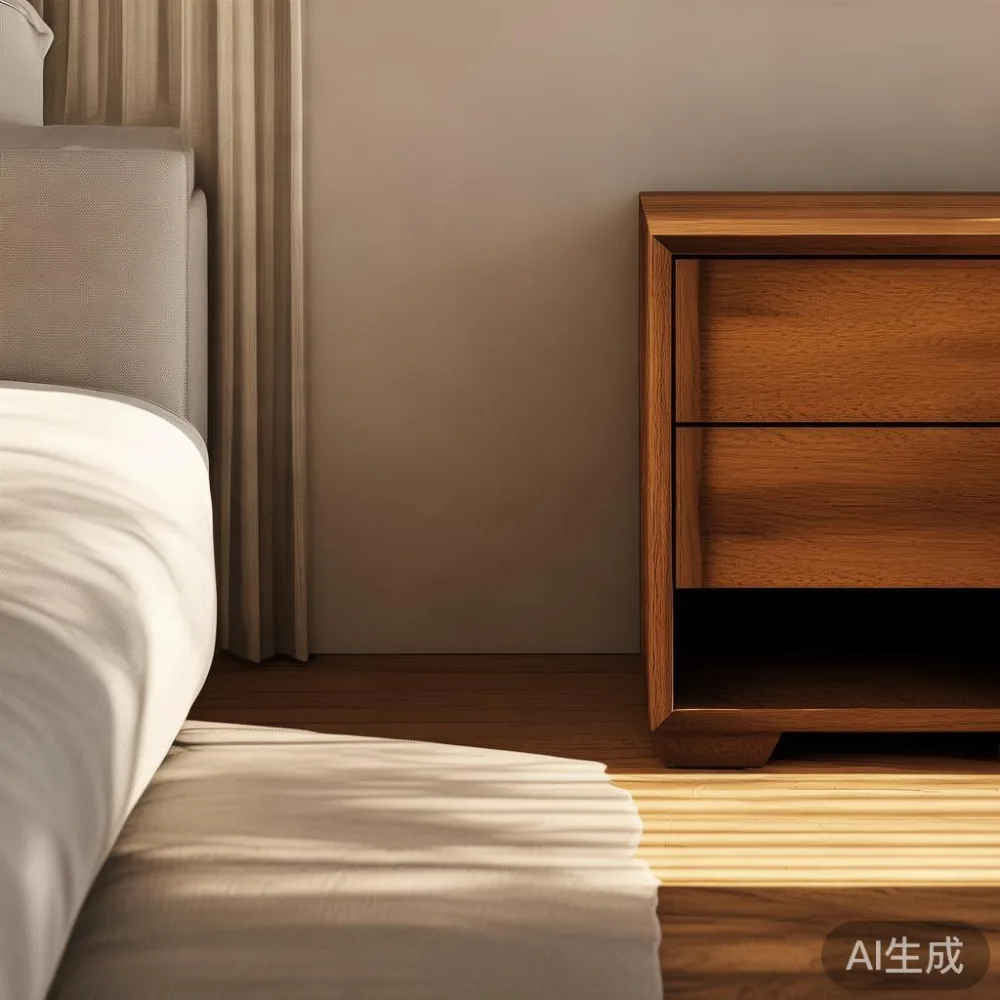
Solid wood furniture behaves differently from the hollow-core and MDF pieces most of us grew up with. A solid wood nightstand is, quite literally, a small block of living material that breathes, expands, contracts, and responds to whatever moisture sits in your bedroom air. If you have ever owned a wooden door that sticks in January and rattles in July, you already understand the principle. The trick, for anyone furnishing a Tampines executive HDB or a Punggol condo with a north-facing balcony, is to choose construction methods and finishes that are matched to our climate from the start.
Why Singapore's Humidity Is Unusually Aggressive on Wood
Singapore's climate is shaped by two monsoon seasons, the northeast monsoon from December to early March and the southwest monsoon from June to September, with relatively drier spells between them. Yet even during those drier weeks, the Meteorological Service Singapore records morning humidity figures that rarely dip below 70 percent. Nighttime readings of 88 to 95 percent are normal in many HDB blocks because corridor ventilation is limited and air-conditioning cycles off while we sleep.
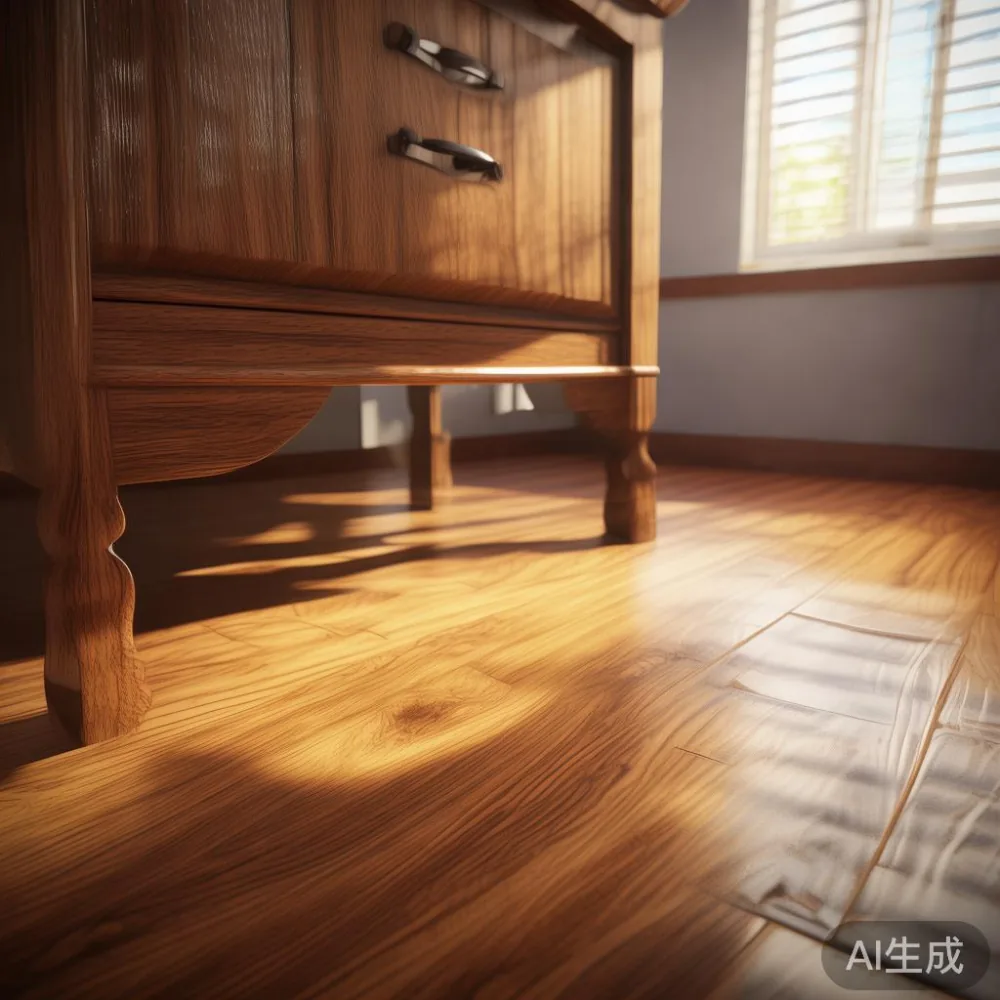
Wood is hygroscopic. It absorbs moisture when the surrounding air is damp and releases it when the air dries. The technical term is equilibrium moisture content, or EMC. For interior furniture in Singapore, the practical EMC target is roughly 13 to 16 percent, against a more familiar European target of 8 to 11 percent. A solid wood nightstand built for a Paris or Toronto bedroom, then shipped flat-packed to a Toa Payoh flat, is going to slowly drift toward our local EMC the moment it enters your home. That drift is what causes the warping, the stuck drawers, and the occasional crack that so many Singaporeans blame on bad luck.
Temperature matters too. Most HDB bedrooms run at 23 to 26 degrees Celsius with air-conditioning, which is fine, but the daily swing of four to six degrees in non-air-conditioned utility rooms, and the bigger swing near balcony doors, creates repeated expansion and contraction cycles that punish glued joints and thin veneers.
What Humidity Actually Does to a Nightstand
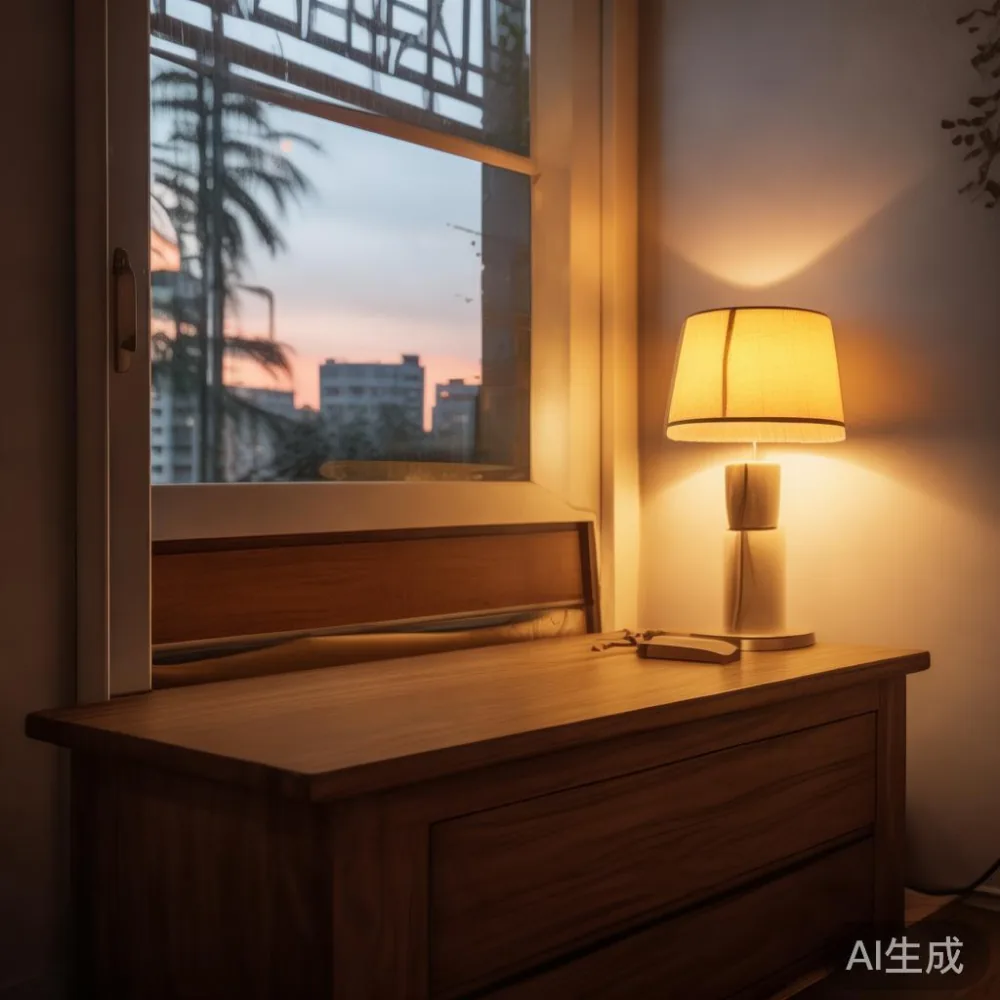
Let us walk through a typical solid wood nightstand roughly 45 cm wide, 40 cm deep, and 55 cm tall, with a single drawer and a small open shelf, the kind you might place beside a king-size bed frame. When humidity rises from 65 percent to 90 percent, the wood fibres in the top panel can absorb enough water to expand by 2 to 4 percent across the grain. That sounds small, but across a 45 cm panel it equals roughly 9 to 18 mm of movement, more than enough to push drawers out of alignment or to crack a finish that has become brittle.
Common humidity-related issues I see in Singapore bedrooms include:
Sticking drawers: the side panels swell faster than the drawer fronts, especially if the drawer slides are basic wooden runners rather than metal ball-bearing slides. A 1 to 2 mm swelling is enough to make a drawer feel jammed.
Cupping on the top surface: when one face of a board absorbs more moisture than the other, the panel cups upward. You will see a slight bowl shape if you place a phone flat on the surface.
Hairline cracks along the grain: these appear when wood shrinks after a long air-conditioned period, usually on the top face of a side table or a wardrobe door panel.
White haze or bloom on the finish: this is moisture trapped under a polyurethane or lacquer coat, often a sign that the finish was applied in a drier climate and never matched to ours.
Mould on the underside: rarely an issue for a living-room piece, but very common in store rooms, bomb shelters, and the back of wardrobes pushed against an exterior wall.
How Is Humidity in Southeast Asia Different From Living in London or Sydney?
Many Singaporeans who relocate from the UK, or who buy furniture during trips to Australia, underestimate how different our indoor humidity is. London averages 70 to 80 percent in winter but drops into the 50s during heated summers, and most British homes run central heating for months. Sydney and Melbourne are far drier, often sitting between 40 and 60 percent in summer.
Southeast Asian humidity is also more constant. There is no real dry season, so wood never gets a chance to settle into a stable low-EMC state. The result is that imported pieces designed for a temperate climate are in effect in permanent expansion mode the moment they arrive. I have measured the moisture content of a 200 euro European oak nightstand in a Marine Parade condo at 17.4 percent after just eight weeks, well above the safe interior range and into the zone where fungal staining becomes a real risk.
Which Construction Methods Handle Singapore Air Best?
Not all solid wood is equal. The species, the drying process, and the joinery together determine whether a piece will survive a decade in a Punggol bedroom or warp within a single wet season.
Species: dense tropical hardwoods such as teak, merbau, and Nyatoh are naturally more dimensionally stable than imported oak, ash, or walnut. White oak is popular in American light luxury collections, and it can work, but it must be properly kiln-dried to our local EMC before assembly. Cheap rubberwood, by contrast, moves a great deal and tends to cup badly.
Drying: look for suppliers who kiln-dry their wood to 10 to 14 percent moisture content, then let the boards rest, or acclimate, in a humidity-controlled warehouse for at least four to six weeks. A solid wood sofa, bed frame, dining table, wardrobe, nightstand, or marble table that is rushed out of the kiln is going to move a lot once it reaches your home.
Joinery: mortise and tenon, dovetail, and finger joints tolerate movement better than simple dowel or staple construction. Floating panels, where the central panel of a door or side is not glued but held in a groove, allow the wood to expand and contract without splitting the frame.
Finish: a breathable oil-and-wax finish, such as those used on much French provincial coffee table styling, lets moisture pass through slowly. Heavy polyurethane, while water-resistant, can trap moisture and cause the white haze I mentioned earlier. For bathrooms or balconies, marine-grade finishes are a sensible upgrade.
As a rough rule of thumb, a well-built solid wood nightstand from a maker that understands Southeast Asian conditions should weigh between 18 and 28 kg, depending on size and species. Anything under 10 kg is almost certainly hollow-core or thin veneer over MDF, regardless of how the listing describes it.
Does a Marble or Stone Top Change the Equation?
Marble and sintered stone tops are increasingly popular on nightstand designs, especially in post-modern light luxury collections that mix warm walnut frames with cool stone surfaces. Stone itself is not affected by humidity, but the wooden subframe underneath still is. A 12 mm marble slab adds roughly 8 to 11 kg to a small nightstand, so the base must be sized to handle that extra load without racking.
Two practical points for Singapore homes:
Stone tops can feel cold and collect condensation during the 4 am humidity peak, so always pair them with coasters under water glasses and lamps.
Because stone does not move, the wooden base should be built with floating mountings, small rubber or silicone pads between the stone and the wood, to allow the frame to expand without cracking the slab.
What About Delivery, Lifts, and HDB Corridors?
Humidity is only one half of the ownership story. The other half is getting a heavy, fully assembled nightstand through a 90 cm-wide HDB door, into a lift with an internal depth of 1.5 m, and along a 1.2 m corridor. A 25 kg solid wood piece in a 60 cm by 50 cm by 60 cm carton is workable, but only if the delivery team understands the constraints of older blocks in Bedok or Toa Payoh where the lift openings are tight and the corridor turns are sharp.
Reputable Foshan makers usually pack a nightstand in a triple-wall corrugated carton with 5 to 8 cm of expanded polystyrene on every face. That level of packing matters during the 5 to 12 day sea-freight transit from Guangdong, when container humidity can briefly exceed 90 percent. For Singapore orders, expect delivery in 14 to 21 days by sea-air combined, with doorstep service from S$45 to S$90 depending on the block and whether installation is included.
Free shipping thresholds are worth checking. A single solid wood nightstand in Singapore typically retails from S$380 to S$650, which sits just under the free-shipping minimums many international brands set at US$350, around S$470. Pairing the nightstand with a matching bed frame or a small side table usually clears the threshold and brings landed cost down by 12 to 18 percent once GST, currently 9 percent in Singapore, is included.
Do Air-Conditioners and Dehumidifiers Really Protect Wood Furniture?
Yes, but with a caveat. Running a bedroom air-conditioner at 23 to 25 degrees Celsius with the dry mode engaged drops relative humidity to roughly 50 to 60 percent, which is friendly to wood. The problem is the 6 to 8 hours per day when the unit cycles off and humidity rebounds. Furniture does not mind slow, steady change. It minds rapid swings, which is why running the air-conditioner continuously on a low setting is gentler on a solid wood nightstand than blasting it for two hours then switching off entirely.
A small compressor dehumidifier rated at 8 to 12 litres per day, available in Singapore from S$180 to S$280 for a decent brand, keeps the whole bedroom in the 55 percent range and is probably the single most effective tool for protecting a wardrobe, a bed frame, and a nightstand set. Dehumidifier pellets and silica gel packs help inside closed wardrobes but are too small to make a difference in an open bedroom.
Will My Solid Wood Nightstand Crack or Warp Within a Year?
Not if it has been built and finished for our climate. A small amount of seasonal movement, sometimes visible as a 1 to 2 mm gap appearing and disappearing between a drawer front and the carcase, is normal. Visible cracking, persistent sticking, and mould growth are not normal and usually point to one of three causes: the wood was not properly dried, the finish is not breathable, or the piece is sitting in a spot with poor airflow, such as directly against an exterior wall or under a north-facing window that sweats during monsoon surges.
For owners who already own pieces that have moved, a furniture repair specialist in Singapore can re-glue loose joints, sand and re-oil dried surfaces, and refit drawer runners for S$80 to S$180 per piece. Several Foshan makers, including MIDHILL, offer lifetime refinishing on solid wood case goods, which means a tired surface can often be sent back or restored on-site at modest cost rather than replaced.
How Should I Care for a Solid Wood Nightstand in a Singapore Bedroom?
Care routines that work in temperate climates often do too much in ours. A weekly wipe with a barely damp microfibre cloth is enough. Avoid the silicone polishes sold in most departmental stores, because they build up a film that traps moisture. Every six months, apply a thin coat of hard wax oil, available in Singapore from S$25 to S$45 for 500 ml, to refresh the protective layer.
Positioning matters as well. Keep the nightstand at least 8 to 10 cm from an exterior wall, even in air-conditioned rooms, so air can circulate behind the back panel. If the piece sits near a window, draw the curtain during heavy rain to avoid direct splash and condensation pooling on the top surface.
Is It Worth Paying More for a Bed Frame and Nightstand Set From a Specialist Maker?
In most Singapore bedrooms, yes. A solid wood nightstand from a generalist marketplace listing at S$220 to S$320 is almost always built from rubberwood or poplar with a thick lacquer finish. It will look fine on day one and start showing problems in months two to six. A piece from a specialist solid wood maker using kiln-dried oak, ash, or tropical hardwood, with mortise and tenon joinery and a breathable oil finish, costs S$480 to S$850 per nightstand, but comes with a 10-year structural warranty, replacement parts, and refinishing services that generalist sellers cannot match.
For households thinking about the full bedroom, the same logic applies to a solid wood bed frame, a matching wardrobe, and a coordinated nightstand pair. Buying them together from one supplier keeps the wood species and finish consistent, which means every piece will age in the same direction. MIDHILL, a Foshan maker that has exported to more than 15 countries since 2008, builds case goods in this style, and their 14-day return window and 10-year structural warranty make the trial period low risk for Singapore buyers.
If you are weighing an American sofa vs Modern sofa for the living room, or comparing a Japanese bed vs Mid-century modern bed for the master bedroom, remember that the same climate rules apply across categories. A room divider, a dining table, a marble coffee table, a mid-century modern accent chair, and a nightstand all breathe together, and they all benefit from the same stable indoor humidity range. Choosing pieces from one maker, in one wood species, with one finish philosophy, is the simplest way to keep a Singapore home looking calm and intentional through every monsoon.
Frequently Asked Questions From Singapore Buyers
How long should I let a new nightstand sit in my bedroom before using it? Give it five to seven days in the room with the carton opened so the wood can equalise with your indoor humidity. If you have a dehumidifier running, you can shorten this to two or three days.
Can I leave a solid wood nightstand on an un-air-conditioned balcony? Not recommended. Direct exposure to rain and to humidity swings above 90 percent will shorten the life of any finish and can cause joints to loosen within a single year. Use a balcony only for fully sealed, marine-grade pieces.
Is French provincial furniture too delicate for a tropical climate? No, but it must be built for it. Well-made French provincial collections use kiln-dried beech or oak with breathable wax finishes and are quite stable. Pieces built for the European market and shipped without acclimation are the ones that struggle. Look for suppliers who understand best French provincial furniture production for Southeast Asian conditions rather than repackaging a European line.
What about mid-century modern styling in the guest room? Mid-century modern for guest room settings works beautifully in Singapore if the wood is properly dried. The clean lines and slim legs of a mid-century nightstand leave plenty of open space for air to circulate, which is actually a plus in our humidity. Pair a slim walnut nightstand with a low teak bed frame and a neutral linen lampshade for a look that suits a Punggol or Tampines guest bedroom without weighing the space down.
Are sintered stone tops worth the extra cost? For a bedside table, sintered stone is a sensible upgrade because it resists stains from water glasses, lotions, and medication spills. The trade-off is the extra 8 to 11 kg of weight, so check that the base joinery is correspondingly heavy-duty. A maker such as MIDHILL, which routinely pairs stone with solid wood, will usually spec the subframe to match.
What is the realistic lifespan of a solid wood nightstand in a HDB flat? With basic care and a stable indoor humidity range, a well-built solid wood nightstand should give 15 to 25 years of daily use. Heirloom-grade pieces in teak or white oak can run considerably longer, which is why buying from a maker that offers refinishing services, such as the lifetime refinishing included by MIDHILL on most case goods, is worth the modest premium for long-term owners.