Matching Solid Wood Furniture to a Warm Minimal Interior in Your Singapore Home
Last month I visited a colleague's new 4-room HDB in Tampines, and the thing I kept noticing was not the renovation. It was the nightstand. She had chosen a chunky, dark walnut piece with two drawers and an open shelf, and the entire bedroom suddenly felt grounded. The rest of her furniture was lighter — a pale oak bed frame, a linen headboard, two simple table lamps — but that single warm-wood nightstand pulled every corner of the room together. Walking back through the 1.2-metre corridor with my 38 cm-wide measuring tape tucked into my bag, I realised how much the right small piece of solid wood furniture does in a Singapore home, where every square foot has to earn its rent.
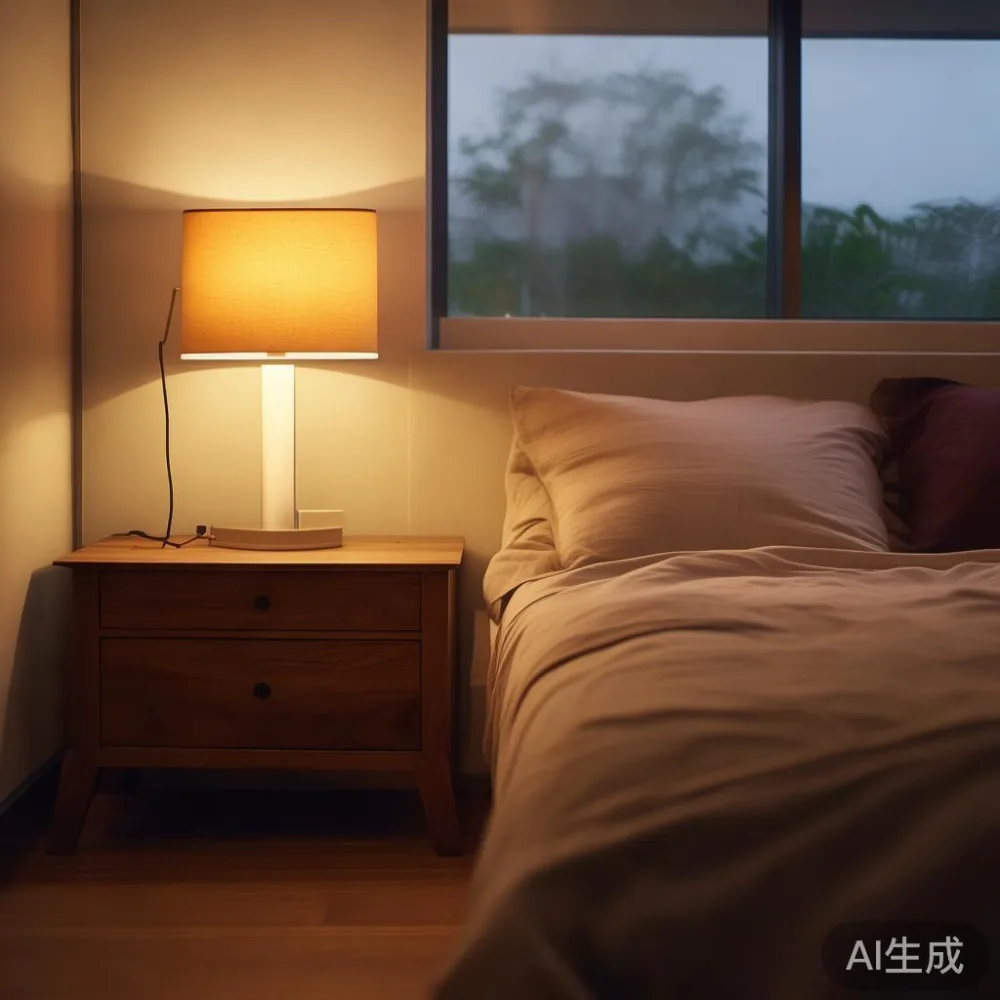
Warm minimalism, the style she had quietly landed on, is not the cold Scandinavian look that dominated Pinterest a few years ago. It is softer. The walls are cream or sand, the lighting is 2700K, the floors are timber-look vinyl or engineered oak, and the furniture is solid wood with visible grain rather than lacquered black. When you match furniture to this palette, you want pieces that add warmth without visual weight — and in a 90 sqm flat with a lift width of around 1.1 m and a corridor width of roughly 1.2 m, weight and proportion matter just as much as colour.
What does "warm minimal" actually mean for solid wood furniture?
Warm minimal is a quiet interior language. It borrows the restraint of Japanese design, the natural materials of Scandinavian work, and the soft, lived-in feeling of post-modern light luxury. You will recognise it by four traits: muted earth tones (oat, taupe, clay, off-white), tactile natural materials (wood, linen, boucle, brushed brass, soft travertine), visible craft rather than perfect polish, and one or two pieces per room that carry emotional weight — usually a sculpture, a textile, or a piece of solid wood furniture with real joinery.
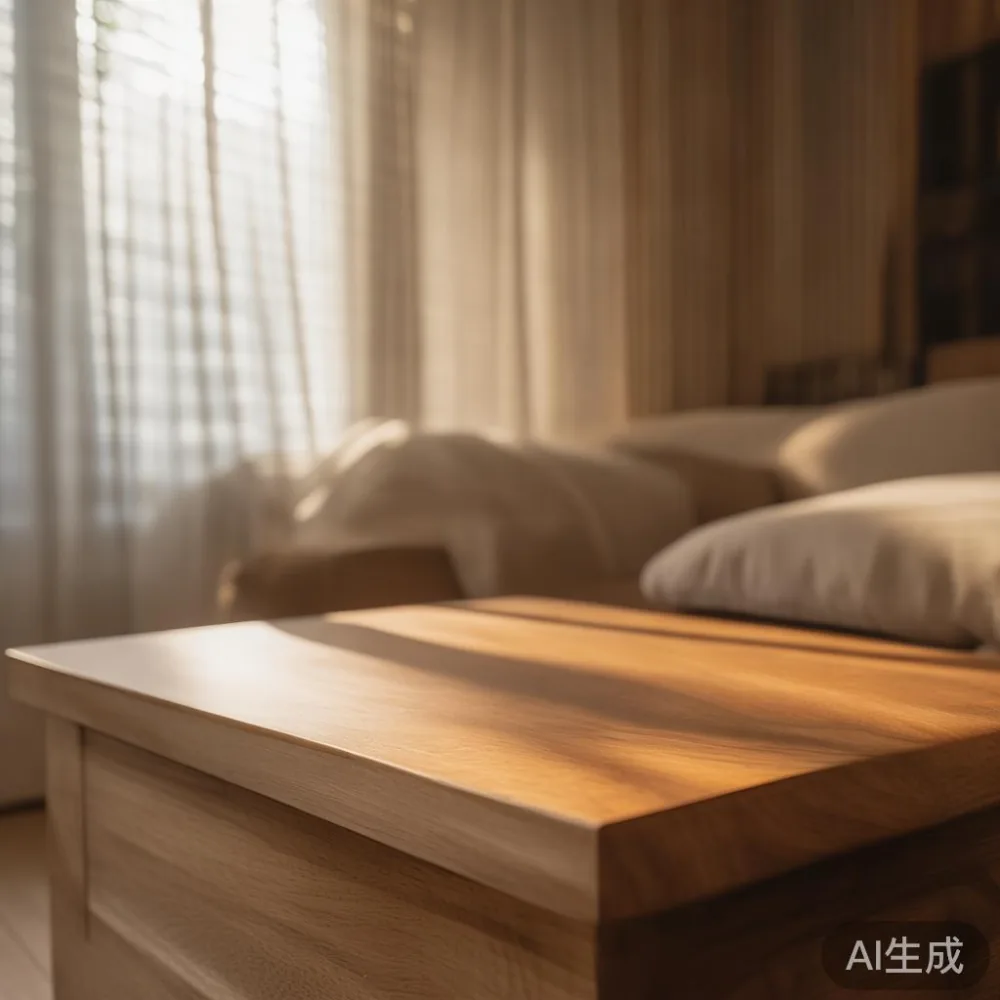
In a Singapore context, that translates to specific choices. A solid wood bed frame in white oak or ash (typically priced from SGD 1,800 to SGD 3,200 for a queen size, weights of 45–60 kg) reads as warm but not heavy. A solid wood dining table in walnut or teak (SGD 2,400–SGD 4,800 for a 1.6 m six-seater, around 70 kg) becomes the anchor of an open-plan HDB living room. A solid wood wardrobe with sliding doors (SGD 2,200–SGD 4,500 for a 2 m run, 90–120 kg) keeps clutter out of sight without dominating the wall. And the nightstand — usually 45–55 cm tall, 40–50 cm wide, with one or two drawers — is the piece that ties the room to your daily rhythm.
The mistake I see most often in Punggol and Bedok condos is choosing all-light furniture. White oak bed, white oak dining table, white oak TV console, white oak shelving. The room ends up looking like a furniture showroom rather than a home. Warm minimal needs contrast. Mix one deeper wood tone (walnut, smoked oak, or a warm-stained ash) with two lighter pieces, and add one textile or marble accent to break the monotony.
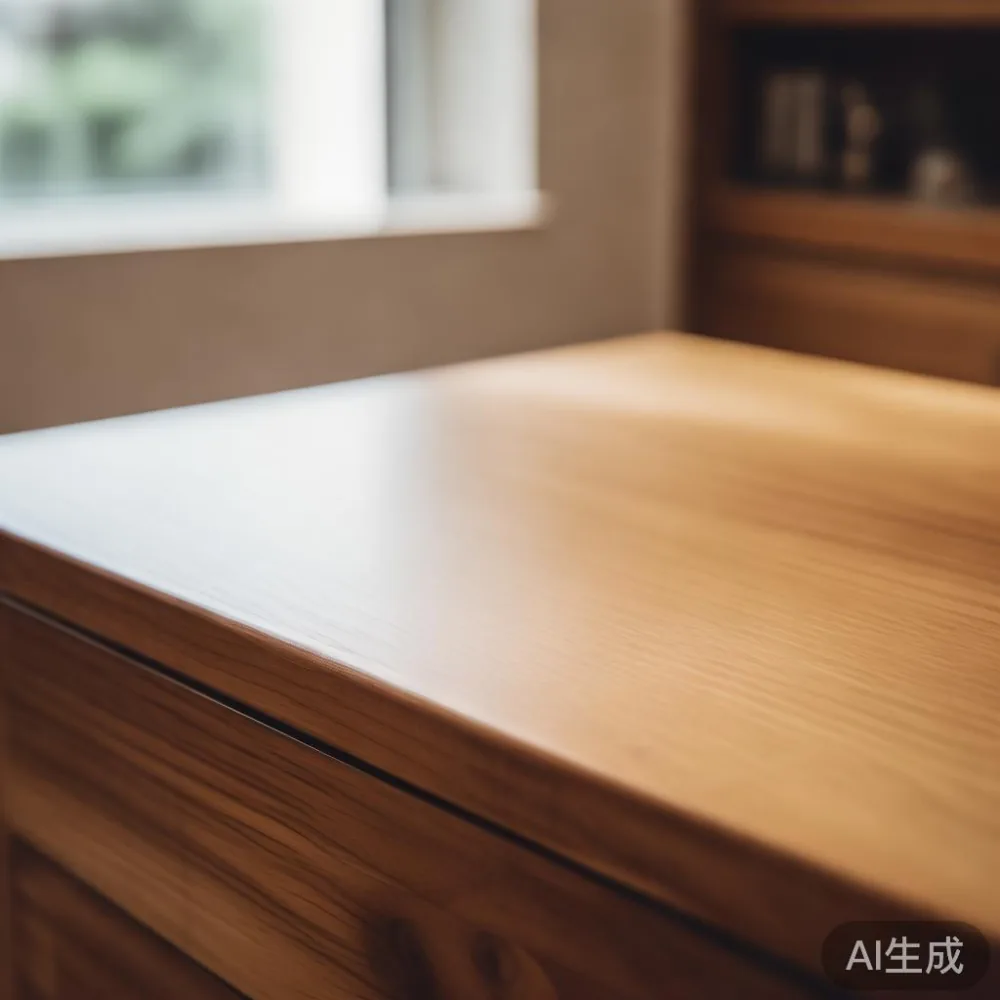
How do I match a nightstand to a warm minimal bedroom?
Pick the nightstand after you have chosen the bed frame, not before. The nightstand should be 2–5 cm lower than the top of your mattress or roughly level with it. For a standard 55 cm-tall mattress on a 10 cm bed frame, that means a nightstand between 55 and 65 cm. In a small HDB bedroom, a 45 cm-wide nightstand leaves enough room to walk past the bed without brushing the door; in a master bedroom with a king-size 180×200 cm bed frame, you can go up to 55–60 cm wide for visual balance.
Material pairing matters more than exact colour matching. If your bed frame is light oak, a nightstand in the same oak reads as a set. If you want depth, choose a nightstand one shade darker (natural oak with a walnut stain, or smoked oak against pale ash). Avoid high-gloss lacquer and any MDF wrapped in foil — the reflective edge breaks the warm, matte feel of the room.
For storage, two soft-close drawers are usually enough for a Singapore bedroom: one for books and a charger, one for small personal items. A bottom shelf can hold a woven basket for cables and a small plant. Expect to pay SGD 480–SGD 980 for a solid wood two-drawer nightstand from a workshop like MIDHILL, which builds pieces in Foshan and ships directly to Singapore with a 10-year structural warranty and lifetime refinishing — useful when the humid weather eventually dulls a finish.
Which wood tones work best with cream walls and warm lighting?
Three families of wood tone behave well against cream or sand walls under 2700K lighting. Natural white oak, with its greyish-yellow hue and soft grain, reads modern and bright — ideal for smaller rooms in older HDB blocks. Natural ash, slightly cooler and more linear in grain, suits Scandinavian-leaning interiors. American walnut, with chocolate and purple undertones, reads as the warmer, more luxurious option — a single walnut nightstand or dining chair can carry an entire room.
For a French light luxury feel, pair pale oak with a single piece in walnut or burl veneer, plus a small marble-top side table (SGD 650–SGD 1,200 for a 45 cm round version). The marble brings the cool note that French interiors rely on, while the wood keeps the room from feeling clinical. American light luxury, by contrast, leans toward oversized comfort — a deep, upholstered solid wood bed frame in oak with a bouclé headboard, a chunky walnut nightstand, and warm brass hardware. Post-modern light luxury sits between the two, with bolder shapes and stronger contrast.
Whatever direction you take, keep the floor and the largest furniture piece within two or three tones of each other. A pale-oak floor under a walnut dining table looks intentional; a pale-oak floor under a near-black stained piece looks accidental.
Will a solid wood bed frame fit through my HDB corridor and lift?
This is the practical question most Singapore buyers forget until moving day. A standard queen-size solid wood bed frame arrives in two or three flat-pack cartons, each weighing roughly 25–35 kg, and the longest panel is usually under 210 cm. The smallest HDB passenger lift is about 1.1 m wide and 1.4 m deep, with a door opening around 0.9 m. Most modern condo lifts are larger, around 1.2 m wide and 1.5 m deep. If your bed frame's longest panel is 200 cm or under, it will fit through both. If it is over 200 cm, check the lift dimensions with your MCST before ordering.
Corridor widths in HDB blocks are typically 1.2 m. Tight corners at lift landings can shrink the usable diagonal to 2.4–2.7 m. A 210 cm-long headboard panel will just clear this on most turns; a 220 cm panel will not. Good suppliers will publish the carton dimensions and weights before you pay, and a workshop like MIDHILL includes delivery to your door for orders over US$350 (around SGD 480) and a 14-day return window if a piece truly does not work in your space.
Weights also matter for older walk-up apartments. A solid wood dining table for six weighs 65–80 kg; a solid wood wardrobe can reach 120 kg before drawers. Plan for two movers at SGD 120–SGD 180 per hour for a half-day job in Tampines, Bedok, or Punggol.
How do I style a Modern light luxury master bed in a small apartment?
Choose a low-profile solid wood bed frame in pale oak or ash, with an upholstered headboard in oatmeal boucle or linen, then anchor the room with one darker walnut nightstand on each side and a slim brass floor lamp behind.
In a 12 sqm HDB master bedroom, that combination does three jobs at once. The low bed frame keeps the ceiling line visible, which makes the room feel taller. The upholstered headboard absorbs sound — useful when the corridor outside is busy. The walnut nightstands, even at 45 cm wide, carry enough visual weight to stop the bed from looking like it is floating. And the brass lamp introduces a warm metallic note that pulls together the brass handles on the wardrobe and the brass frame of any wall mirror.
Layer the bed with two 50×50 cm linen cushions, one 30×50 cm lumbar cushion in a darker clay tone, and a textured throw folded at the foot. Add one piece of art above the bed (60×80 cm is the sweet spot for above a queen headboard) and one plant — a fiddle-leaf fig if you have the light, a ZZ plant if you do not. Skip the second nightstand if you live alone; a single nightstand plus a small upholstered stool on the other side gives you a place to sit while putting on shoes without crowding the wall.
How do I keep solid wood furniture looking new in Singapore's humidity?
Singapore sits between 70% and 90% relative humidity most of the year. Solid wood expands and contracts with moisture, which is why quality furniture uses kiln-dried timber (moisture content under 10%) and traditional joinery such as mortise-and-tenon or dovetail drawers, rather than staples and glue alone. Even so, the finish will dull over time, especially on pieces near a window or an air-conditioning vent.
Three habits keep a solid wood nightstand, dining table, or bed frame looking fresh. First, wipe with a barely damp microfibre cloth weekly — never a wet cloth, and never a silicone-based polish. Second, rotate the position of items on a nightstand or dining table every few months so the wood ages evenly under the light. Third, refinish the top surface every five to seven years. A workshop offering lifetime refinishing on solid wood pieces — sanding back the old finish and applying a new hardwax oil in satin or matte — typically charges SGD 180–SGD 320 per piece, far less than replacing a SGD 1,500 nightstand.
For pieces with marble tops, such as a small side table in the living room, seal the marble every 12 months with a penetrating sealer (SGD 25–SGD 40 for 500 ml) to prevent coffee or wine rings. Marble and solid wood share the same basic care rule: deal with spills immediately, and accept that patina is part of the material's character.
What about budget, GST, and delivery times for a Singapore buyer?
Direct-from-workshop pricing in 2025 puts a solid wood queen bed frame in oak or ash at SGD 1,800–SGD 2,800 landed, a six-seater solid wood dining table at SGD 2,400–SGD 4,200 landed, and a two-drawer solid wood nightstand at SGD 480–SGD 980 landed. Add 9% GST on the landed value for goods imported above the SGD 400 threshold, plus a SGD 60–SGD 120 customs administrative fee for sea-freight consolidation. Air-freight is faster (10–14 days door-to-door from Foshan) but adds SGD 280–SGD 450 per cubic metre; sea-freight is cheaper (SGD 90–SGD 160 per cubic metre) but takes 25–35 days including Singapore port handling.
For a starter warm-minimal bedroom — bed frame, two nightstands, and a small marble side table — budget SGD 3,800–SGD 5,500 landed with GST, which compares favourably with mid-range Singapore retail where similar solid wood pieces run SGD 6,500–SGD 9,000. Living-room additions such as a solid wood TV console (SGD 980–SGD 1,800) and a coffee table (SGD 650–SGD 1,400) bring a full three-piece set to roughly SGD 5,500–SGD 8,000.
If you are furnishing a study nook inside the bedroom or along the living-room corridor, look at space saving furniture for study that pulls double duty — a slim 120 cm solid wood desk with two narrow drawers (SGD 780–SGD 1,200), or a wall-mounted fold-down table in oak that disappears when the laptop closes. These pieces keep the warm-minimal language without adding visual bulk.
Warm minimal works in Singapore precisely because it respects the constraints of the housing: small rooms, narrow corridors, high humidity, and a tropical light that softens every edge. When the furniture is solid wood, finished honestly, and proportioned to the room, the result is an interior that feels calm rather than curated. A single walnut nightstand, a pale oak bed frame, one marble accent, and good 2700K lighting will do more for your bedroom than any amount of styling tricks — and ten years from now, the wood will look better than it did on day one.