Beyond the Surface: A 5-Year Financial Analysis of Veneer and Solid Wood Nightstands
When furnishing a home in Singapore, from the compact layouts of a Tampines HDB flat to the spacious interiors of a Punggol condo, every purchase requires careful consideration. The bedroom nightstand, a small but significant piece, often faces a critical choice: veneer or solid wood. This choice is frequently framed as a simple matter of upfront cost, but a true evaluation must look at the long-term financial picture over five years. This analysis will compare the total cost of ownership, including purchase, maintenance, and potential replacement, using concrete figures and real-world scenarios relevant to Singaporean homes.
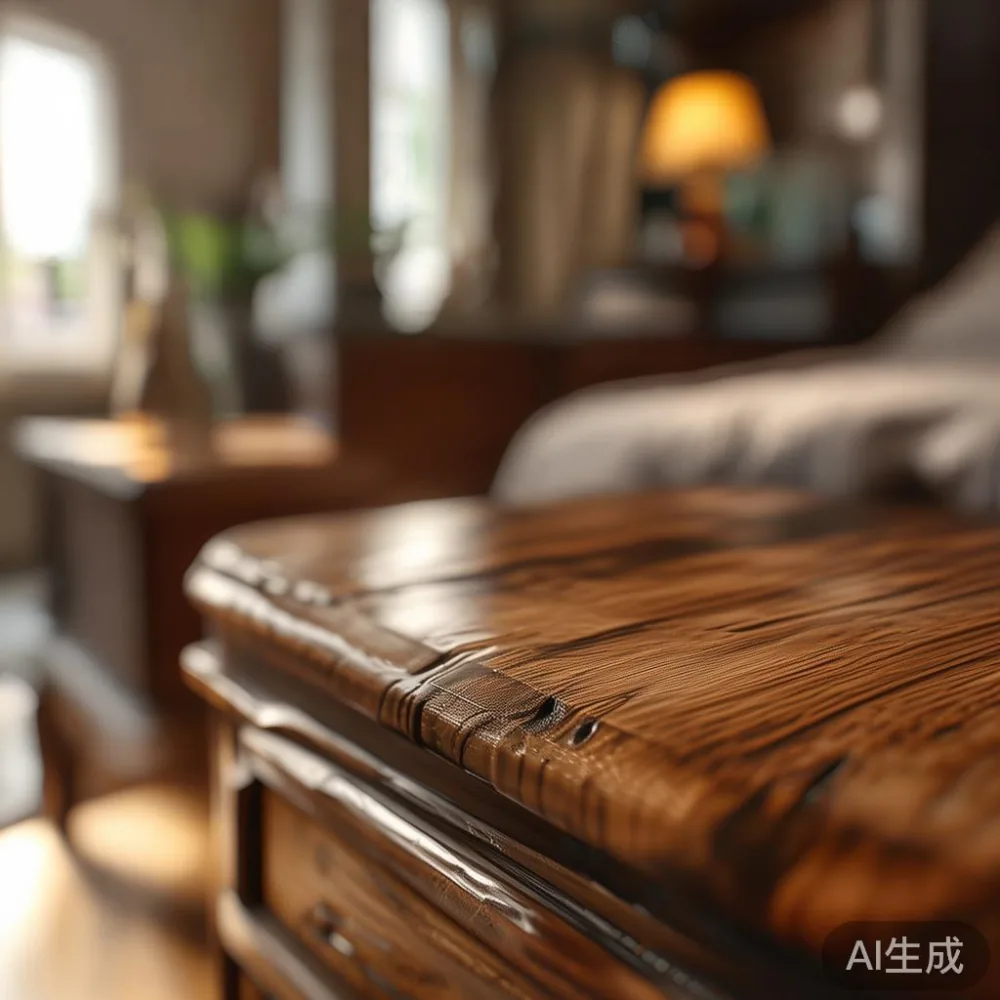
What Exactly Are We Comparing? Veneer and Solid Wood Nightstands
Before diving into the numbers, it's important to clearly define the materials in question. A veneer nightstand is constructed from a base material, typically MDF (Medium-Density Fibreboard) or plywood, to which a thin layer of real wood—often just 0.3 to 0.6 millimetres thick—is applied. This outer layer gives it the appearance of solid wood. The base material is chosen for its stability and cost-effectiveness. In contrast, a solid wood nightstand is crafted from a single, solid piece of lumber, such as oak, walnut, or teak. The entire structure, from the legs to the drawer sides, is made from this natural material. This fundamental difference in construction is the root of all subsequent cost and durability differences over a five-year period.
The Initial Investment: Upfront Costs in Singapore Dollars
The most immediate difference between veneer and solid wood nightstands is the purchase price. In the Singapore market, a standard veneer nightstand typically ranges from SGD 180 to SGD 350. These are widely available from local furniture retailers and online platforms. For example, a simple veneer nightstand with a drawer and a cabinet from a common brand might cost SGD 220. This price point makes it an attractive option for those furnishing multiple bedrooms or on a tighter budget, which is common for first-time homeowners in areas like Bedok.

A solid wood nightstand, however, commands a significantly higher initial price. Due to the increased cost of raw materials and more complex craftsmanship, a solid wood equivalent will generally cost between SGD 450 and SGD 800. A solid oak nightstand from a reputable manufacturer like MIDHILL, known for its quality, might be priced at SGD 580. While this is a substantial upfront investment—more than double the cost of a veneer option—it's important to remember this is just the starting point of our five-year analysis.
The Hidden Costs of Maintenance and Wear Over Five Years
The initial purchase is only one component of the total cost. Maintenance needs begin to reveal the true long-term financial implications. A veneer nightstand, while affordable, is more susceptible to damage. The thin wood layer can chip or peel, especially at the edges. Minor scratches and dents expose the MDF or plywood underneath, which cannot be sanded and refinished. Repairing such damage in Singapore can cost SGD 80 to SGD 150 per session, depending on the extent of the work. Over five years, it is not uncommon for a veneer nightstand to require at least one or two minor repairs, adding SGD 160 to SGD 300 to the total cost.
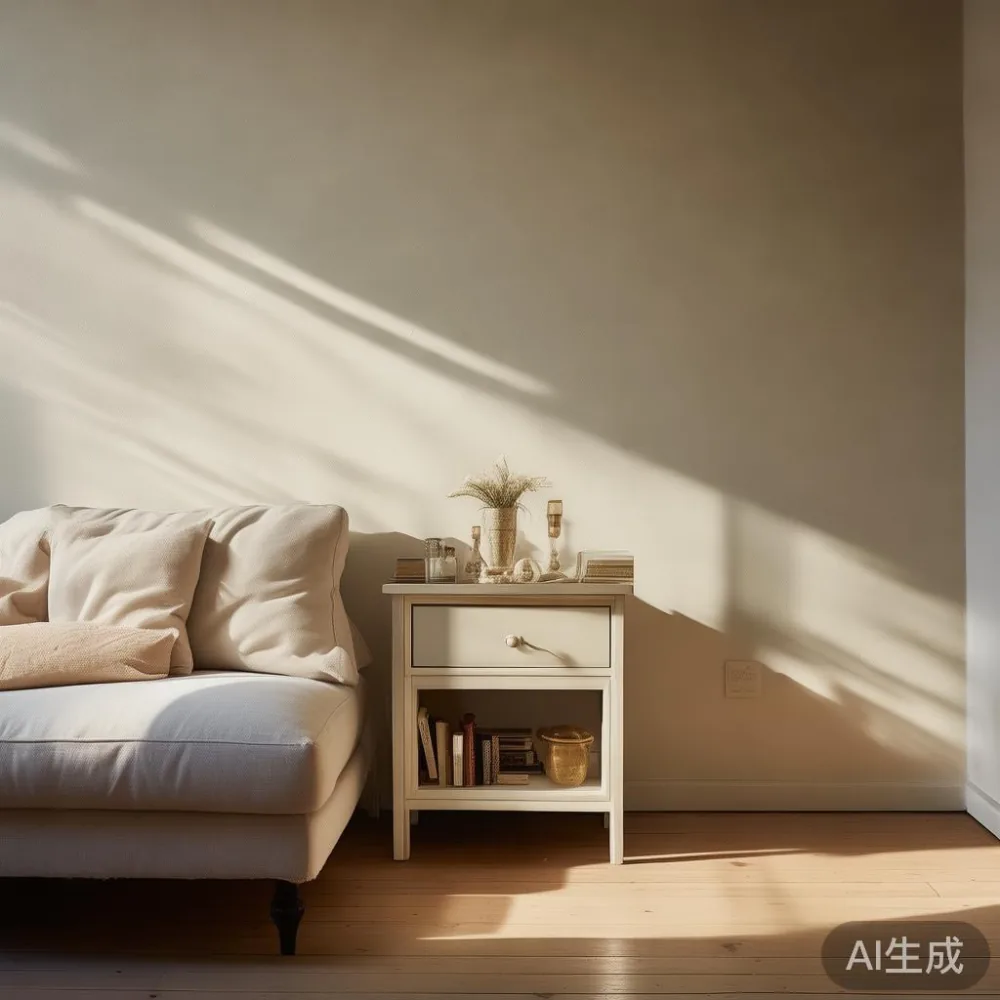
Also, humidity is a constant factor in Singapore. Veneer can react to changes in humidity by lifting or bubbling, a problem that is difficult and costly to fix. A solid wood nightstand, on the other hand, is far more resilient. Solid wood is a natural material that breathes, making it more stable in Singapore's climate. It can withstand minor bumps and scratches without compromising its structural integrity. While solid wood can develop minor scratches, these can often be buffed out with a furniture touch-up pen costing under SGD 20, or properly sanded and refinished for a more significant refresh. The key maintenance for solid wood is occasional polishing with a suitable wood conditioner, which costs approximately SGD 30 every two years. Over five years, this amounts to just SGD 60 in basic upkeep.
Is a Solid Wood Nightstand Really Worth the Higher Price?
This is the central question many Singaporean homeowners ask themselves. To answer it, we must look at the total cost of ownership over five years. Let's create a hypothetical scenario for a nightstand placed in a master bedroom of a condo in Tampines. The owner uses it daily for a lamp, phone charger, and a glass of water.
For the veneer nightstand (SGD 220):
- Initial Purchase: SGD 220
- Repair for a chip on the corner at year 3: SGD 120
- Repair for peeling veneer near the drawer handle at year 5: SGD 150
- Total Cost over 5 years: SGD 490
For the solid wood nightstand (SGD 580):
- Initial Purchase: SGD 580
- Wood conditioner and polishing at year 2: SGD 30
- Wood conditioner and polishing at year 4: SGD 30
- Total Cost over 5 years: SGD 640
At first glance, the veneer option seems cheaper. However, this calculation misses a critical factor: replacement. Veneer nightstands often have a functional lifespan of 5 to 8 years before the structure begins to fail. The drawer glides might warp, the base might become wobbly, or the MDF core might sag from the weight of items. When this happens, the nightstand is usually not worth repairing and must be replaced. A replacement veneer nightstand would add another SGD 220 to the cost, bringing the five-year total to SGD 710 if it fails at the 5-year mark.
A solid wood nightstand, especially from a maker like MIDHILL which offers a 10-year structural warranty, is built to last for decades. It will not need to be replaced within five years. Therefore, the total cost remains SGD 640. While the initial investment is higher, the solid wood option proves to be more financially sound over the long term, offering better value and avoiding the disruption of replacing a piece of furniture.
Real-World Experience: A Nightstand in a Punggol Condo
Last month, I visited my colleague, Sarah, who recently moved into a new 4-room HDB flat in Punggol. She had purchased a veneer nightstand for her master bedroom for SGD 240. Within 18 months, the finish on the top surface had become dull and scratched from her placing a hot mug of coffee on it. A few months later, her cat, while jumping onto the bed, managed to chip a significant piece of veneer from one of the corners. She had it repaired for SGD 110, but the repair was noticeable. She now worries about the drawer, which sometimes sticks when she pulls it open, a sign of the MDF warping in Singapore's humidity. She mentioned that while she liked the look initially, she regrets not spending more on a more durable piece, as the constant maintenance is both a hassle and an unexpected expense.
This personal experience highlights the intangible costs of choosing a lower-quality material. The stress of a damaged item, the inconvenience of arranging for repairs, and the gradual decline in the furniture's aesthetic all add to the true cost. A solid wood nightstand would have absorbed the heat of the mug without a mark, the cat's claws would have left only a minor, easily repairable scratch, and the drawer would have operated smoothly for years to come.
The Aesthetic and Lifestyle Value of a Solid Wood Nightstand
Beyond pure economics, a nightstand is a part of your living space. A solid wood nightstand brings a sense of warmth and authenticity to a bedroom that veneer cannot replicate. The natural grain, the depth of colour, and the solid feel of a well-crafted piece contribute to a room's ambiance. For those appreciating modern Mid-century modern furniture, a solid teak nightstand with clean lines and tapered legs is a statement of quality and taste. This aesthetic value is something that depreciates very slowly, unlike the appearance of a veneer piece, which can quickly look dated and worn.
When considering how to style an American wardrobe in room, the choice of accompanying furniture matters. A solid wood nightstand creates a cohesive, high-end look that complements a substantial American-style wardrobe. It speaks to a commitment to quality that extends throughout the home. Similarly, understanding how to choose an American bed involves looking at the bed frame and nightstand as a set; a solid wood nightstand provides a stable and harmonious foundation for the bedside, matching the quality of a solid wood bed frame.
Conclusion: A Financial and Lifestyle Decision for the Long Haul
When viewed through a five-year lens, the choice between a veneer and a solid wood nightstand becomes clearer. While veneer offers a lower initial price, the cumulative costs of repairs, the risk of premature replacement, and the declining aesthetic make it a less economical option over time. A solid wood nightstand, with its higher upfront cost, proves to be a more sound financial investment. It holds its value better, requires minimal maintenance, and is built to last for decades, not just years.
In the context of Singaporean homes, where space is often at a premium and furniture is a long-term commitment, choosing quality makes sense. The peace of mind that comes with a durable, beautiful nightstand, backed by warranties and designed for a lifetime of use, is an invaluable part of creating a comfortable and stylish home. For those seeking the best Modern sofa for 2026 or the best Scandinavian wardrobe for 2026, the same principle applies: invest in solid construction for lasting value. The decision to choose a solid wood nightstand is ultimately an investment in your home's quality, your lifestyle, and your financial peace of mind over the next five years and beyond.