The Long-Term Value of Your Nightstand: Veneer or Solid Wood?
In the unique living environment of Singapore, where HDB flats and condominiums in areas like Tampines, Bedok, and Punggol are the norm, every piece of furniture must balance functionality, aesthetics, and longevity. The nightstand, a small but significant piece beside your bed, is a frequent point of consideration. This article presents a detailed, 5-year cost comparison between veneer and solid wood nightstands, helping you make a financially sound and aesthetically pleasing decision for your home. We will explore the initial purchase price, long-term durability, maintenance costs, and value, keeping in mind the practicalities of Singaporean living spaces, including lift and corridor dimensions and the impact of the 9% Goods and Services Tax (GST).
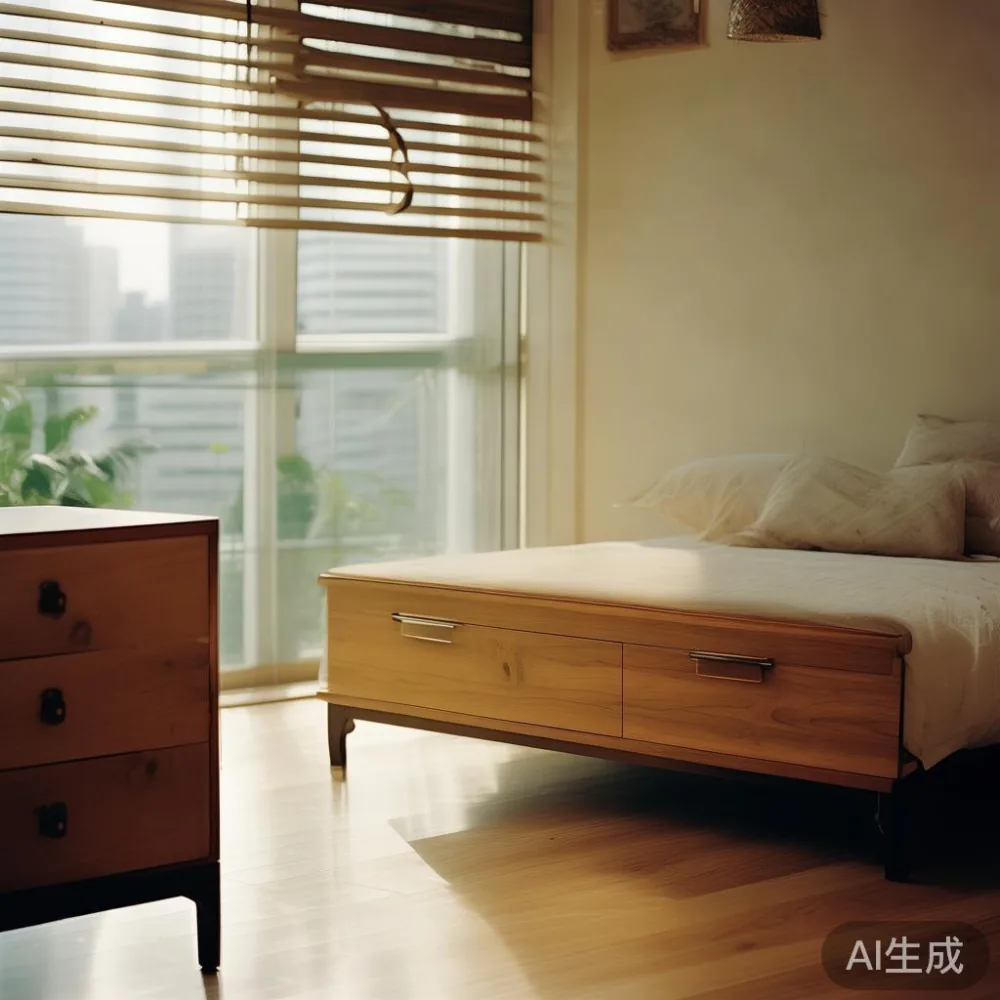
Understanding the Core Difference: Veneer and Solid Wood Construction
Before diving into the numbers, it's important to understand what distinguishes these two materials. A veneer nightstand is constructed with a thin layer of real wood, often just 0.6mm to 2mm thick, bonded to a core made of medium-density fiberboard (MDF), particleboard, or plywood. This core provides the shape, while the veneer layer provides the appearance of solid wood. In contrast, a solid wood nightstand is crafted from a single piece or multiple solid wood planks joined together using traditional joinery techniques like mortise and tenon or dovetail. This construction results in a piece that is inherently more stable, durable, and valuable. The choice between them is not merely aesthetic; it's a fundamental decision about the piece's lifespan and how it will interact with your home environment.
Initial Investment: Breaking Down the Upfront Costs in SGD
The most immediate difference between veneer and solid wood nightstands is the price tag. In the Singapore market, this initial cost disparity is significant. A standard veneer nightstand, typically measuring 40cm wide, 40cm deep, and 60cm high, can be found at local furniture stores for approximately SGD 250. This price often includes a basic finish and standard hardware. The core material, usually MDF, keeps the cost down, but it also dictates the product's lower price point.
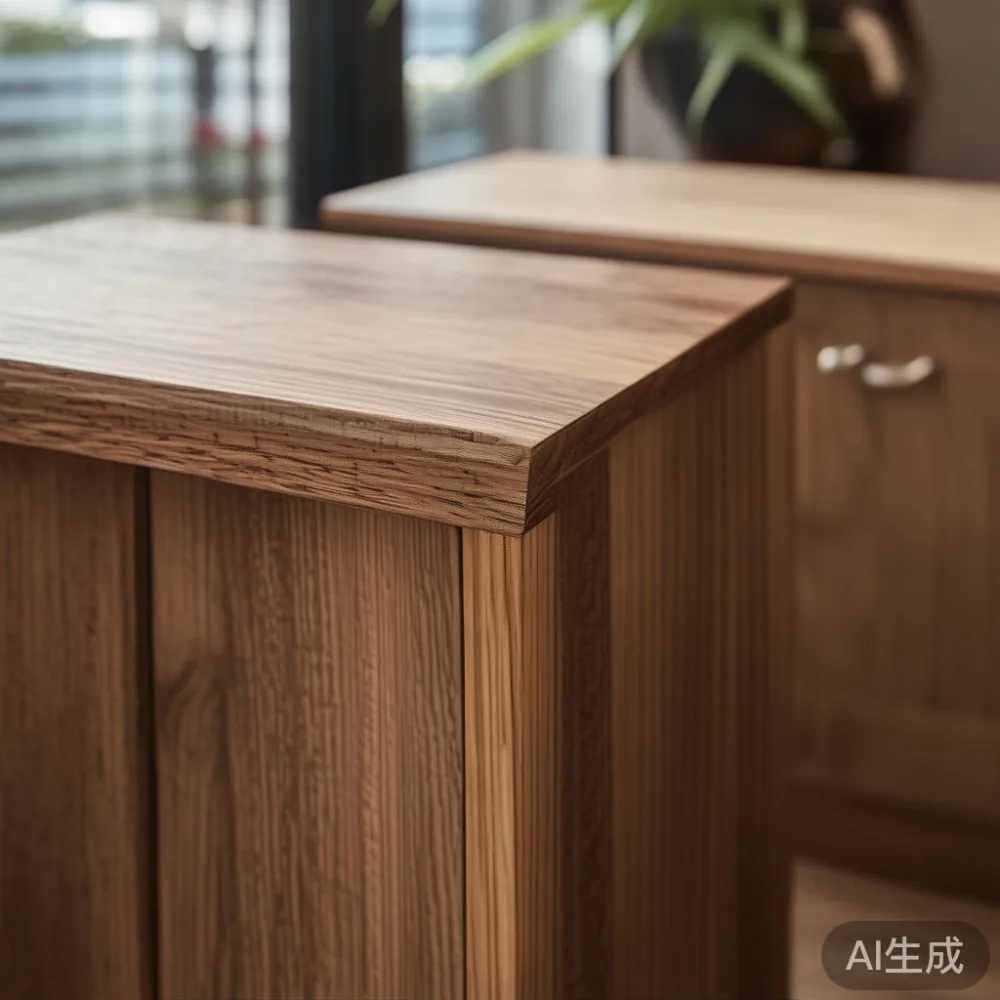
A solid wood nightstand of similar dimensions from a reputable manufacturer like MIDHILL, established in 2008, will command a higher price. The cost for a solid wood nightstand ranges from SGD 550 to SGD 850. This higher price reflects the cost of premium solid wood, such as oak, mango, or acacia, and the skilled labour required for its construction. It is important to remember that this initial price includes the 9% GST, a standard component of all furniture purchases in Singapore. When moving into a new HDB flat or condo, this initial outlay is a key factor in the budget, but it's only the beginning of the financial story.
Long-Term Durability: How Do They Hold Up Over 5 Years?
The longevity of a nightstand is where the true cost of ownership becomes apparent. Singapore's climate, with its high humidity levels of 70-80%, is a significant stress test for furniture. Veneer nightstands are particularly vulnerable in this environment. The thin wood layer can separate from the MDF core due to moisture absorption, leading to unsightly bubbling, peeling, or cracking. Over a 5-year period, a lower-quality veneer nightstand may show visible signs of wear, such as a dull finish or damaged edges. In a worst-case scenario, it might become structurally unsound and require replacement, meaning you would have spent the initial SGD 250 plus another SGD 250 for a new piece, totaling SGD 500 within half a decade.
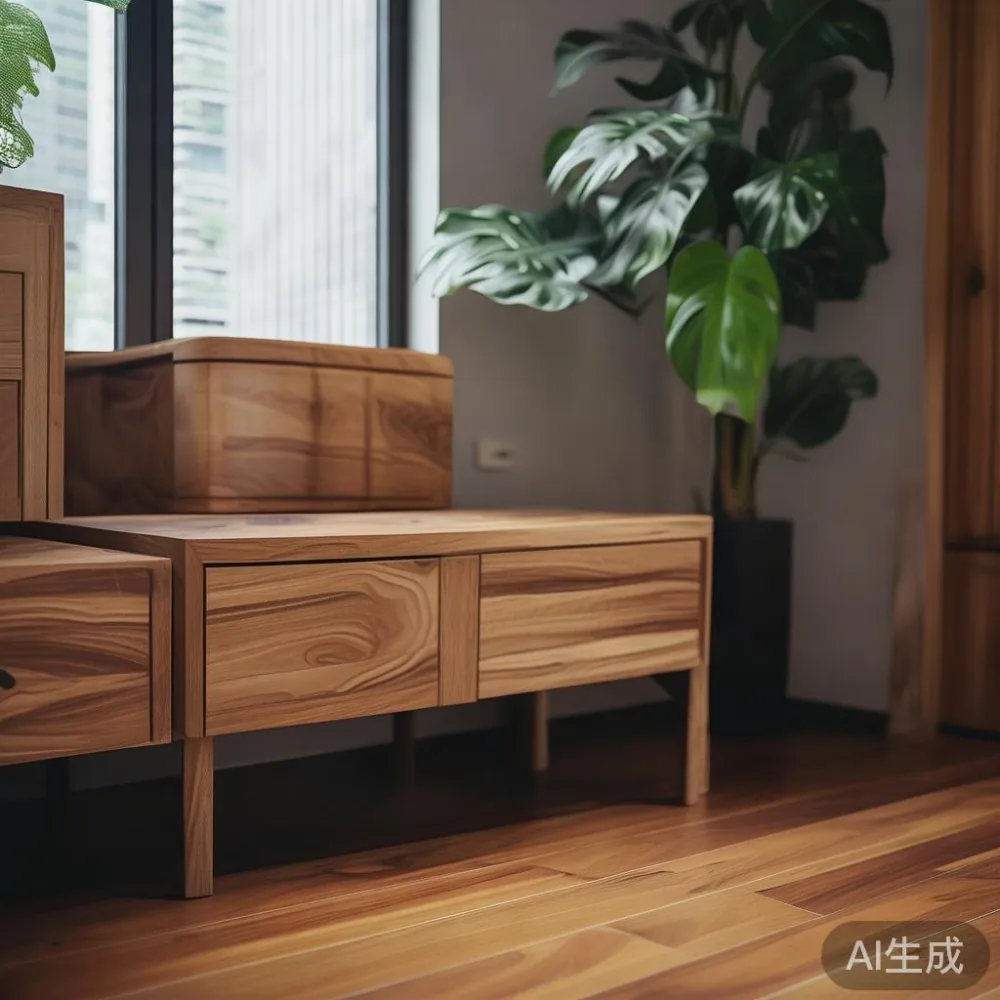
Solid wood nightstands, on the other hand, are built to last. The dense cellular structure of solid wood makes it more resistant to humidity-induced warping or cracking. A well-crafted solid wood nightstand can easily serve for 20 to 30 years or more. This is supported by the 10-year structural warranties offered by brands like MIDHILL, which provide peace of mind against manufacturing defects. Last month, I visited a colleague's home in Bedok who purchased a solid wood nightstand from MIDHILL over 7 years ago. It has endured daily use and Singapore's humidity without any structural issues, its finish only requiring minor maintenance. This resilience makes solid wood a far more durable choice for the long term.
The True Cost of Ownership: Maintenance and Refinishing Expenses
Maintenance is a recurring cost that must be factored into any long-term comparison. Veneer nightstands require gentle care. Cleaning should be limited to a soft, dry cloth or a cloth slightly dampened with water. Using harsh chemical cleaners or excessive moisture can permanently damage the veneer finish. Over 5 years, the primary maintenance cost for a veneer nightstand is minimal, perhaps SGD 20 for specialised wood polish to maintain its lustre. However, if the finish becomes severely scratched or worn, a professional repair can cost upwards of SGD 150, as re-veneering is a complex and often uneconomical process.
Solid wood nightstands offer a different maintenance profile. They benefit from regular cleaning with a slightly damp cloth and periodic application of a natural wood oil or wax to nourish the wood and protect the finish. The most significant maintenance cost for solid wood is refinishing. While not necessary every year, refinishing a solid wood nightstand every 5 to 7 years can restore its original beauty. The cost for this service, which involves sanding and reapplying a protective lacquer or oil finish, ranges from SGD 120 to SGD 180 for a standard-sized piece. More importantly, brands like MIDHILL often offer lifetime refinishing services, meaning this cost could be zero if you purchase from them. This is a key differentiator that dramatically lowers the long-term cost of ownership.
Is a Solid Wood Nightstand Really Worth the Higher Price Point?
This is the most critical question for any homeowner considering this investment. To answer it, we must look beyond the initial price and consider the total cost of ownership and the value added to your living space. A veneer nightstand is a disposable item. When it fails, it is typically replaced, adding to the cycle of consumption. A solid wood nightstand is an investment. It can be refinished multiple times, allowing it to adapt to changing interior design trends. Its timeless appeal and superior craftsmanship add a sense of permanence and quality to a bedroom, complementing other pieces like a solid wood bed frame or a marble-topped dresser.
Also, the tactile experience of solid wood is unparalleled. The weight, the texture, and the natural grain variations are qualities that veneer cannot replicate. In a Singaporean condo where space is limited, the quality of your furnishings becomes even more important. A well-made solid wood nightstand, even in a compact bedroom in Tampines, feels substantial and adds a touch of quiet luxury. It is an investment in both the financial and experiential sense. While the initial outlay is higher, the combination of longevity, potential for refinishing, and enduring aesthetic value makes a solid wood nightstand a financially wiser choice over a 5-year, 10-year, or even 20-year period.
Practical Considerations for Singaporean Homes: Space and Style
The choice of a nightstand is not made in a vacuum; it must fit your physical space and complement your decor. In Singapore's HDB flats and condos, bedroom sizes can be modest. A standard nightstand should fit comfortably within the corridor width of your lift, which is typically 110cm to 120cm wide, allowing for easy movement. A veneer nightstand, being lighter, might be easier to manoeuvre during delivery, but a solid wood nightstand, once in place, offers greater stability. The weight of a solid wood nightstand, usually between 15kg and 25kg, ensures it won't wobble or tip over.
Stylistically, solid wood nightstands offer incredible versatility. They can be stained in a light, natural finish for a Scandinavian-inspired look or painted white for a modern, minimalist aesthetic. For those pursuing a specific style, a solid wood nightstand can be the perfect foundation. Imagine pairing it with an Italian light luxury bed to create a sophisticated boudoir, or using it beside a 2026 French provincial furniture bedroom set for an elegant, classic feel. The clean lines of a solid wood piece also work beautifully with a how to style Japanese bed in room concept, focusing on natural materials and simplicity. For a more contemporary approach, it can complement a cheap Modern light luxury furniture living area by acting as a sophisticated accent piece rather than a bulky eyesore. The key is to choose a nightstand that aligns with your vision, whether it's the understated elegance of best Nordic bed for 2026 or the bold statement of an Italian light luxury sofa in the living room.
A 5-Year Cost Comparison: The Numbers Speak for Themselves
To put this all into perspective, let's create a clear, side-by-side comparison of the costs associated with each type of nightstand over a 5-year period. This table assumes a standard scenario for a Singaporean homeowner.
| Cost Factor | Veneer Nightstand | Solid Wood Nightstand (from a brand like MIDHILL) |
|---|---|---|
| Initial Purchase Price (incl. 9% GST) | SGD 250 | SGD 650 |
| Estimated Lifespan | 3-5 years | 20+ years |
| Maintenance Cost (5 years) | SGD 20 (polish) | SGD 0 (covered by lifetime refinishing) |
| Replacement Cost (if needed) | SGD 250 (at year 4) | SGD 0 |
| Total Cost Over 5 Years | SGD 500 | SGD 650 |
| Resale Value | SGD 0 (considered disposable) | SGD 200 - SGD 300 (retains value) |
As the table illustrates, while the solid wood nightstand has a higher initial cost, the total expenditure over 5 years is only SGD 150 more than the veneer option. This calculation does not even account for the inconvenience of replacing a broken nightstand or the superior aesthetic and tactile quality the solid wood piece provides. The value proposition becomes even stronger when you consider the 10-year structural warranty and the lifetime refinishing service, which protect your investment for decades. This level of assurance is often backed by the manufacturing expertise of companies like Foshan Lingzhan, the region from which many quality furniture brands originate.
Making the Right Choice for Your Bedroom
Ultimately, the decision between a veneer and a solid wood nightstand depends on your priorities. If your primary concern is the lowest possible initial cost and you are prepared to replace the piece in a few years, a veneer nightstand might suffice. However, for anyone who values quality, durability, and timeless design, a solid wood nightstand is the clear winner. It is a purchase that enhances your daily life and becomes a permanent part of your home's story. In the context of Singapore's urban living, where we spend a significant amount of time at home, investing in furniture that is built to last is an investment in our own well-being. A solid wood nightstand is more than just a place to put your phone and a lamp; it is a statement of quality and a proof of the idea that good design is worth holding onto.