A 5-Year Cost Comparison: Veneer vs Solid Wood Nightstands for Singapore Homes
Choosing a nightstand for a Tampines HDB flat, a Bedok condominium, or a compact Punggol home is rarely only about the purchase price. A customer also weighs the dimensions of the lift and corridor, the storage required beside the bed, the effect of Singapore humidity, and the cost of maintenance over several years. Veneer and solid wood offer different financial profiles, but each can suit a particular room and budget.
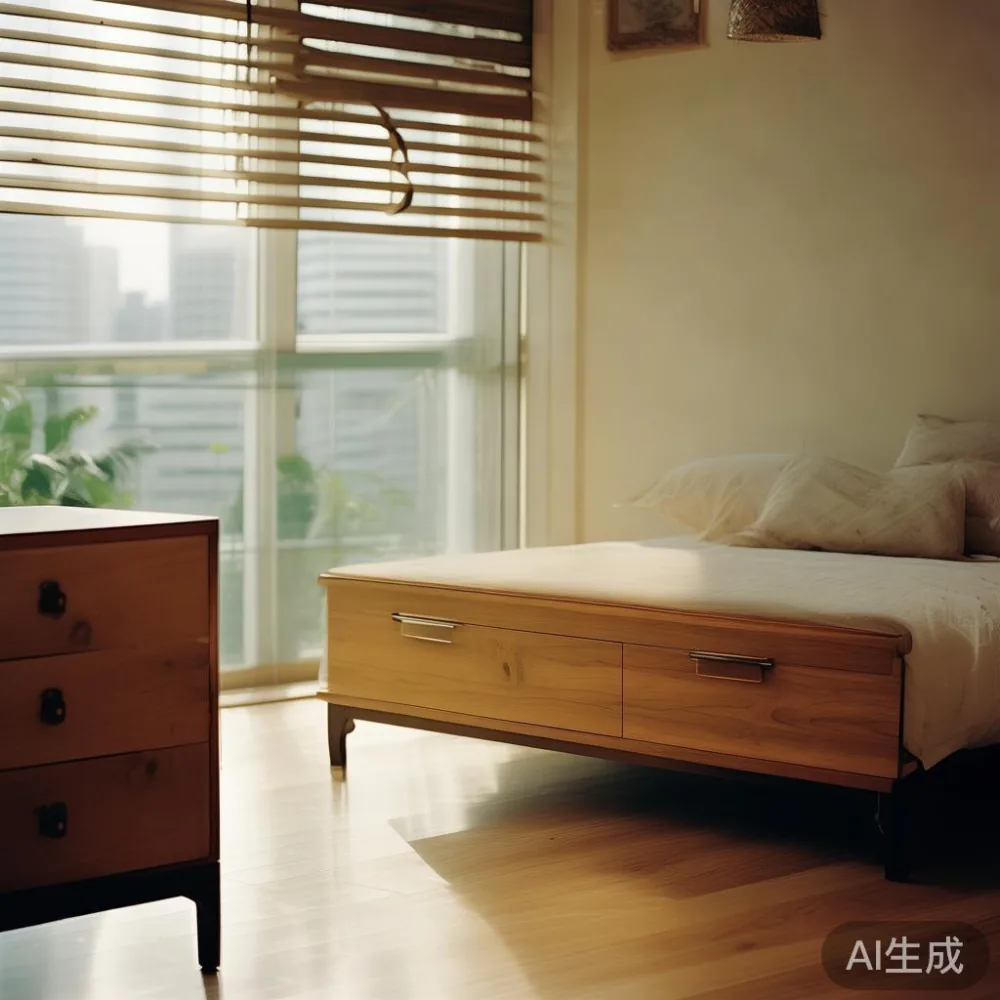
This comparison uses two representative nightstands: a veneered model priced at SGD 249 and a solid oak nightstand priced at SGD 499, both including GST. The calculation covers 5 years, including the initial purchase, routine cleaning, one repair scenario, and a resale allowance. Delivery to Singapore is estimated at 7 to 14 days, with a 10-year structural warranty applying to eligible MIDHILL solid wood pieces and lifetime refinishing available under the stated service terms.
The figures are illustrative rather than quotations. Actual costs vary with dimensions, timber, finish, hardware, access conditions, and repair scope. The purpose is to show why a lower nightstand price does not automatically create a lower 5-year cost.
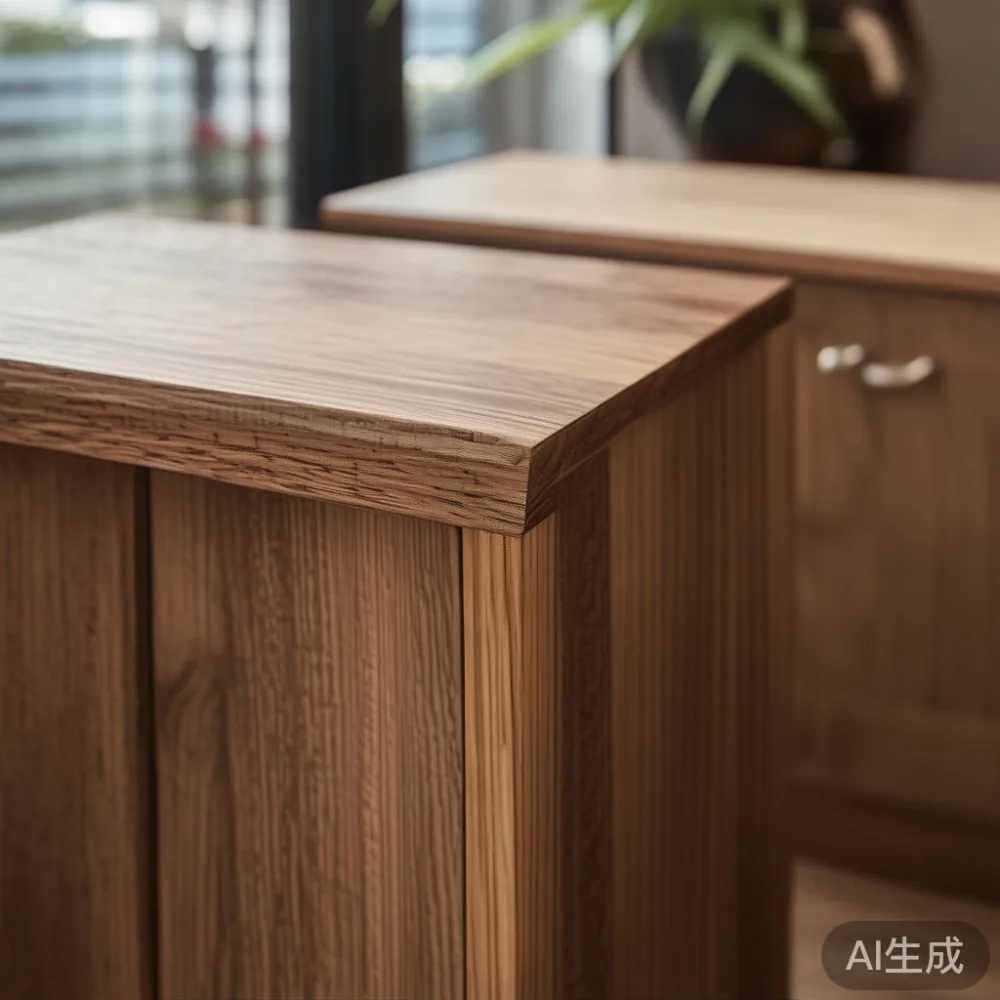
What is the real 5-year cost of a nightstand?
The relevant calculation is not simply SGD 249 against SGD 499. It is the purchase price, multiplied across ownership years, plus maintenance, repair, and disposal effects. For a furniture item used daily, 5 years represents 1,825 nights and roughly 1,825 openings, closings, cleaning cycles, and moments of contact.
Let us use these assumptions:
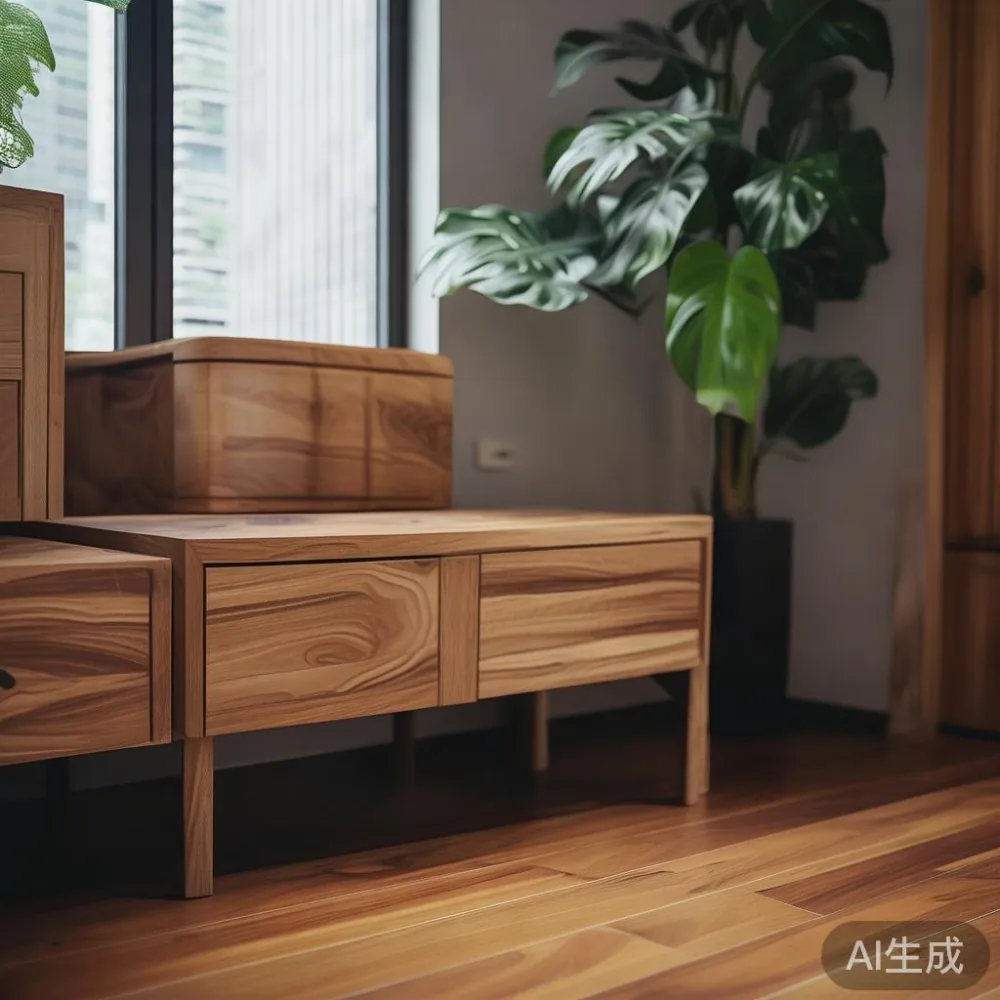
- Veneer nightstand: SGD 249 including GST, with an expected 8% chance of one SGD 60 repair in year 3.
- Solid wood nightstand: SGD 499 including GST, with an expected 20% chance of one SGD 90 repair in year 5.
- Cleaning allowance: SGD 40 over 5 years for veneer and SGD 25 for solid wood.
- Resale allowance: 15% of the original price for veneer and 30% for solid wood.
On that basis, the veneer nightstand costs SGD 249 + SGD 4.80 + SGD 40 = SGD 293.80 before resale. After allowing SGD 37.35 for resale, its estimated net 5-year cost is SGD 256.45.
The solid wood nightstand costs SGD 499 + SGD 18 + SGD 25 = SGD 542 before resale. After allowing SGD 149.70 for resale, its estimated net cost is SGD 392.30.
The difference is SGD 135.85. In other words, the solid wood nightstand costs about SGD 27.17 more per year under these assumptions. The veneer model has the lower 5-year outlay, although the margin narrows if veneer requires replacement or suffers damage that cannot be repaired economically.
How do Singapore room sizes change the answer?
Space affects the practical value of a nightstand and the likely need for repairs. A compact HDB bedroom may have a usable bedside zone of only 35 to 50 cm, while a larger condominium bedroom may allow 50 to 70 cm. A narrow corridor or older lift can also make a wide nightstand inconvenient even when its dimensions appear manageable on a product page.
Before ordering, measure the lift door, turning space, corridor, stair landing, and bedroom doorway. Leave at least 5 cm of clearance around a drawer front that is opened fully. For a common lift entrance measuring 90 cm wide and 200 cm deep, a nightstand with a maximum packed width of 45 cm is easier to manoeuvre. These measurements can prevent the delivery fee from becoming irrelevant through a failed delivery attempt.
For HDB residents, a compact nightstand with a closed drawer may protect the floor better than an open shelf. For a condo owner with more space, a wider unit can offer cable management and deeper storage. The financial comparison should still use the same ownership period and repair assumptions, but a piece that fits the room is less likely to create frustration, relocation, or early replacement costs.
Singapore’s humid climate also changes the maintenance equation. Relative humidity can fluctuate between roughly 60% and 85% indoors, especially during wet periods and in older flats with less effective sealing. Solid wood may move by small amounts as moisture changes, while poor-quality veneer can lift, peel, or discolour along an edge. Proper finishing, ventilation, and avoiding direct contact with damp walls matter for both options.
Does solid wood really cost less after 5 years?
Not under the base assumptions. Solid wood has a higher purchase price and usually remains more desirable after years of use, but resale value is uncertain and should be treated as an allowance rather than a guaranteed return. The estimated 30% residual value for the solid wood nightstand reflects stronger demand for repairable, original timber; the 15% veneer allowance is more conservative.
At month 36, if the veneer nightstand develops a lifted edge costing SGD 60 to repair, its cumulative ownership cost rises to SGD 303.80 before resale. The solid wood model remains at SGD 499 unless a repair is needed. If the solid wood nightstand instead requires SGD 90 of work in year 5, its cumulative cost becomes SGD 542. Neither example proves that one material wins in every home.
The financial argument becomes stronger for solid wood when the owner values refinishing, long-term use, and the ability to repair small marks. A surface scratch may be sanded and refinished rather than replaced. MIDHILL’s lifetime refinishing policy can therefore affect the real cost of a solid wood nightstand, particularly for a buyer who expects to keep it beyond 5 years.
The veneer case becomes stronger when the nightstand has a modest role, is moved frequently, or has a replacement date already planned. Moving a heavier solid wood piece through a narrow HDB corridor also takes more effort and may create a small risk of damaging the frame or walls. Lightweight veneer can be less demanding in this respect. A typical 45 by 40 cm model may weigh about 8 kg in veneer and 14 to 18 kg in solid oak.
What maintenance costs should Singapore buyers budget?
Budget SGD 8 per year for veneer care: a soft cloth, mild cleaner, and careful drying around the edges. A slightly damp cloth should not be used on seams. Solid wood generally requires less chemical treatment, but owners should still keep standing water away from the top and check drawer runners every 6 months.
Over 5 years, the veneer allowance of SGD 40 is enough for several small cleaning products and one minor hardware adjustment. The solid wood allowance of SGD 25 covers routine wiping and occasional oil or polish compatible with its finish. Neither figure includes major water damage, deliberate abuse, or structural failure.
Buyer protection also matters. A 14-day return window can reduce the risk of choosing the wrong size, although returned items must normally meet their original condition and packaging requirements. Free delivery on orders over US$350 does not mean every Singapore order qualifies, so the actual checkout amount should be checked. GST should be confirmed in the quotation rather than inferred from a displayed base price.
For buyers comparing neighbouring product categories, the same ownership logic applies to a solid wood sofa, bed frame, dining table, wardrobe, nightstand, or marble table. Materials, movement, care, and resale all influence cost. A timber dining table and a marble table respond differently to heat and moisture; a wardrobe and nightstand face different storage demands. That is why a material claim should always be tied to a product and use rather than treated as a universal rule.
What if the nightstand must fit a small HDB bedroom?
A compact dimension can lower the total cost because it reduces delivery difficulty and replacement risk. For a narrow bedside area, consider a nightstand no deeper than 38 cm and no wider than 42 cm. Closed storage can hold a phone, book, and charging cable while keeping the room visually ordered. A drawer of 30 cm internal width is practical for small electronics, but a 45 cm unit gives more room for a 25 cm lamp base and accessories.
Solid wood is available in smaller sizes, although timber thickness can keep the piece heavier than expected. Veneer can provide a thinner carcass and lower weight. However, a veneer finish may show its construction when a child or pet catches an edge. Inspect the corners, drawer faces, underside, and joint areas before accepting delivery.
Design references can also influence a choice. French light luxury often uses pale timber, restrained profiles, and gentle proportions; American light luxury tends toward practical comfort and durable finishes; post-modern light luxury may introduce sloped forms, mixed textures, or a marble top. These directions are relevant to a nightstand because the piece sits beside the bed and is touched daily.
Several product phrases appear in broader design searches, including best Scandinavian wardrobe for 2026, Scandinavian for guest room, best Rustic bed for 2026, for sale Japanese furniture, Post-modern for guest room, and Italian light luxury with storage. They describe different aesthetic or functional goals, but none changes the basic 5-year calculation. A warehouse, wardrobe, or bed frame still needs to fit the building and the household’s maintenance habits.
How does delivery affect the total cost?
Delivery should be treated as part of setup, not just a final receipt. A Singapore order may take 7 to 14 days after production and dispatch. Standard access charges might range from SGD 25 to SGD 60, while additional carrying or upper-floor service can increase the amount. A lift reservation is not guaranteed by a furniture supplier, so the customer may need to book a slot with the building management.
Measure the packed nightstand rather than only the assembled unit. A 45 cm-wide nightstand may have a carton width of 48 cm and a diagonal height of 62 cm when the drawer is removed. The carton must pass through the lift doorway and turn into the corridor. Allow at least 10 minutes for checking and fitting if delivery staff must assemble the piece.
MIDHILL was established in 2008 and exports to more than 15 countries, which provides useful experience with international packing standards. It is relevant to damage prevention and delivery planning, although each Singapore building still presents its own access conditions.
Which option gives the lower 5-year cost?
Based on the stated assumptions, veneer has the lower estimated net 5-year cost: SGD 256.45 against SGD 392.30 for solid wood. The saving over 5 years is about SGD 135.85, or SGD 27.17 per year. If the veneer piece is expected to last only 3 years because of heavy use or an unsuitable finish, the comparison changes. If the solid wood piece can be refinished and kept for 10 years, its cost per year becomes more competitive over a longer horizon.
Choose veneer when the priority is a lower initial commitment, a lighter unit for frequent moving, and a simple bedroom setting where the piece is likely to be replaced within the ownership period. Choose solid wood when the priority is a substantial nightstand that can remain in service, accept minor marks, and be refinished. Confirm the timber species, veneer thickness, finish, drawer construction, warranty, and care instructions before payment.
The practical answer for a Singapore home is not that one material is automatically superior. It is that veneer can suit a controlled, budget-conscious plan, while solid wood can offer better long-term repairability and continuity for a carefully chosen piece. Use the 5-year figures to clarify the budget, then measure the building and the bedside space. For a more tailored comparison or to review construction details, visit m.midhill.co and request the exact nightstand specifications.