A 5-Year Financial Breakdown: Veneer vs. Solid Wood Nightstands in Singapore
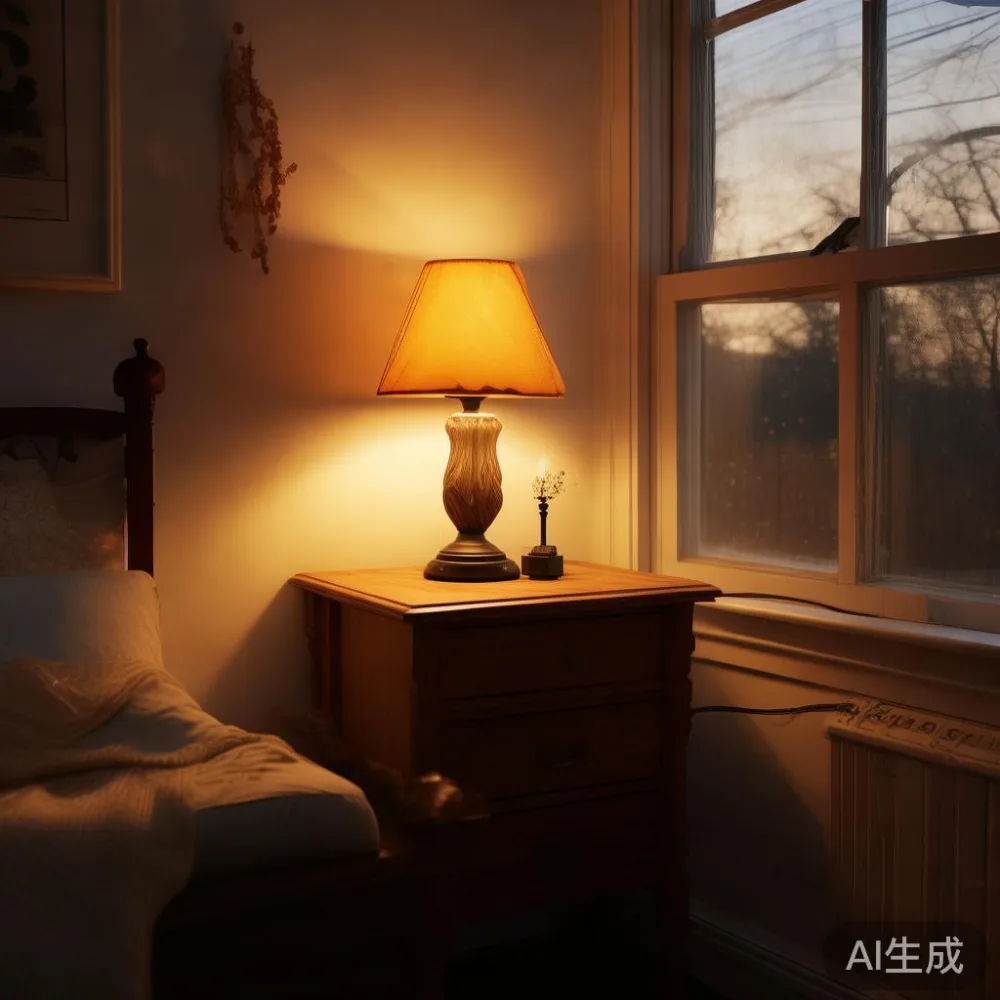
The bedroom is a sanctuary. It is the last space you see before sleep and the first you encounter upon waking. In Singapore, where HDB flats and condominiums often feature smaller footprints—especially in popular estates like Tampines, Bedok, and Punggol—every piece of furniture must be both beautiful and practical. The nightstand, a humble yet important companion to the bed, plays a significant role in this delicate balance. It holds a lamp, a book, a phone, and a glass of water, quietly contributing to the room's aesthetic and function. When choosing a nightstand, a common question arises: is it more economical to purchase a veneer model or a solid wood one? This article will provide a detailed, 5-year cost comparison, examining not just the initial price tag but also the long-term expenses of maintenance, repairs, and replacement. We will use concrete numbers based on Singaporean contexts, including GST, delivery logistics, and the realities of urban living, to give you a clear financial picture.
Understanding the Core Difference: What Exactly Are Veneer and Solid Wood?
Before diving into the numbers, it is important to understand the fundamental difference between these two materials. A solid wood nightstand is constructed entirely from a single piece of lumber, such as oak, walnut, or teak. The entire structure, from the legs to the drawers and the top surface, is made of this solid material. This results in a piece of furniture with a substantial weight, often between 18 and 25 kg for a standard nightstand. Its dimensions are typically 45 cm wide, 50 cm deep, and 60 cm tall, making it a significant presence in a bedroom.
In contrast, a veneer nightstand has a core made of a less expensive material, such as Medium-Density Fibreboard (MDF), particleboard, or a cheaper solid wood. This core is then covered with a very thin layer of real wood, known as the veneer. This veneer is typically less than 2 mm thick. The process allows manufacturers to create a product that looks like solid wood at a lower cost. However, the structural integrity of a veneer nightstand depends entirely on the quality of its core material. A poorly made MDF core can warp or sag over time, especially in Singapore's humid climate, which can cause the thin veneer layer to crack or peel. The weight of a veneer nightstand is usually lower, around 12 to 15 kg, reflecting the less dense core material.

The Initial Investment: A Head-to-Head Price Comparison
The most obvious difference between veneer and solid wood nightstands is the initial purchase price. In Singapore, this difference is significant. A standard veneer nightstand from a local furniture retailer or online store typically costs between S$180 and S$280. This price includes 9% GST. For example, a simple MDF-based nightstand with a walnut veneer finish might be listed at S$220 before GST, bringing the final price to S$239.80. This lower price point is the primary appeal for many consumers, especially for those furnishing a new condominium in Punggol or an HDB flat in Bedok where budgets are carefully managed.
A solid wood nightstand, on the other hand, commands a much higher initial price. A solid oak or walnut nightstand from a reputable manufacturer will generally cost between S$450 and S$700. For instance, a solid walnut nightstand measuring 45 cm x 50 cm x 60 cm might be priced at S$580 before GST, which adds up to S$632.20. The price reflects the cost of premium, sustainably sourced lumber, the greater amount of skilled labor required for its construction, and its inherent durability. While the initial outlay is more than double that of a veneer option, the value proposition of a solid wood piece lies in its longevity and performance over time.
Long-Term Maintenance Costs: What Happens After Year One?
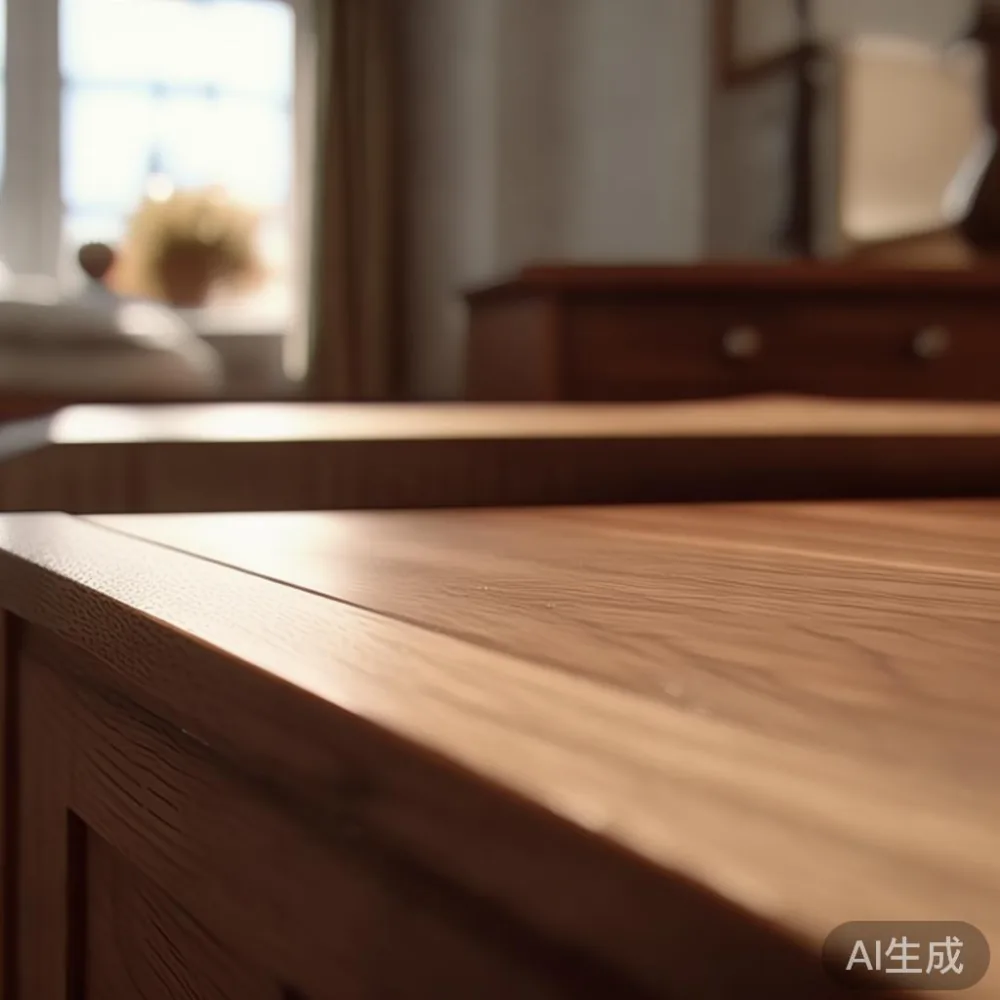
The true cost of furniture reveals itself not at the point of sale, but over the years of use. Maintenance is a key area where solid wood and veneer nightstands diverge significantly. A solid wood nightstand is a natural material that breathes. It can be affected by Singapore's humidity levels, which average around 80% year-round. Without proper care, solid wood can expand and contract. To prevent this and maintain its lustre, a solid wood nightstand requires periodic maintenance. This involves applying a high-quality wood polish or wax every 6 to 12 months. A good quality 500 ml can of polish costs approximately S$45. Over five years, you might use two cans, adding S$90 to the total cost of ownership. This maintenance is simple and can be done by the homeowner, keeping labor costs low.
Veneer nightstands present a different set of maintenance challenges. The thin layer of real wood veneer is glued onto a less stable core. If the core material is not properly sealed, moisture from the air can seep in, causing the MDF or particleboard to swell. This swelling puts pressure on the veneer, leading to unsightly bubbles or, worse, causing it to peel away from the surface. Repairing peeling veneer is difficult and often expensive. A professional repair service in Singapore might charge S$120 to S$200 to fix a single nightstand, as it requires careful sanding, re-gluing, and re-coating. Also, the finish on a veneer piece is often a lacquer or laminate that cannot be easily sanded and refinished like solid wood. If the surface is scratched or stained, it is often permanent, leaving the owner with a damaged piece of furniture. Over five years, the risk of needing such a repair adds a significant and unpredictable cost.
Repair and Replacement Scenarios: The 5-Year Reality Check
To put this into perspective, let's consider two real-world scenarios over a five-year period. The first involves a veneer nightstand. A resident in a Tampines HDB flat buys a S$239.80 veneer nightstand. After 18 months, a small water ring is left on the surface from a cold glass. The laminate finish is stained permanently. After 3 years, a drawer hinge breaks. A replacement hinge costs S$15, but the labor to install it is S$50. After 4 years, due to Singapore's high humidity, the MDF core in the drawer swells, and it no longer closes properly. The repair is deemed too costly, and the owner decides the nightstand has reached the end of its useful life. The total cost of ownership is the initial S$239.80 plus S$65 for repairs, totaling S$304.80. The nightstand is then discarded, and the owner must purchase a new one, restarting the cycle.
Now, consider a solid wood nightstand purchased for S$632.20. The owner, my colleague, purchased a solid oak nightstand last month for his new condo. He placed a hot mug directly on the surface, which left a white heat mark. A quick search online showed that a simple iron-and-cloth technique could remove it, and it did, with no permanent damage. Five years later, the nightstand has minor scratches from daily use. He applies a fresh coat of wood polish, which costs S$45. The drawer slides smoothly, and the structure is as solid as the day he bought it. The total cost of ownership is the initial S$632.20 plus S$45 for maintenance, totaling S$677.20. At the five-year mark, the nightstand is still in excellent condition, with no signs of needing replacement. The initial higher cost has been amortized over a much longer period.
Is a Solid Wood Nightstand Really Worth the Extra Money?
This is the ultimate question for any homeowner in Singapore weighing their options. The answer depends on your definition of 'worth'. If 'worth' is defined by the lowest possible initial price, then a veneer nightstand is the clear winner. However, if 'worth' is defined by longevity, durability, and total cost of ownership over a decade, a solid wood nightstand offers a superior return on investment. A solid wood piece is an investment in your home. It can be sanded down and refinished multiple times over its lifetime, effectively giving it a second or third life. A veneer piece, once the surface is damaged or the core fails, is almost always destined for the landfill.
For those who appreciate light-luxury aesthetics, the choice becomes even clearer. A solid wood nightstand fits perfectly within design philosophies like French provincial or American light luxury, where the natural grain and texture of the wood are celebrated as a feature. It pairs beautifully with a solid wood bed frame and complements a marble-topped dressing table. The tactile quality and heft of solid wood simply cannot be replicated by veneer. When you consider the 10-year structural warranty offered by some manufacturers like MIDHILL, which covers defects in the wood itself, the value proposition strengthens considerably. This warranty provides peace of mind that the piece will not fail structurally, a guarantee that is rarely, if ever, offered for veneer furniture. While veneer might seem economical for a short-term stay, for a long-term home, the enduring quality of solid wood proves to be the more financially sound and aesthetically pleasing choice.
Factoring in Singapore's Unique Logistics: Delivery and Space
The cost comparison is not complete without considering the logistics of furniture in Singapore. Delivery fees are a significant factor. For a single nightstand, many retailers charge a standard delivery fee of S$30 to S$50. However, with a minimum spend of S$350, many companies, including those with a focus on quality like MIDHILL, offer free shipping. This makes purchasing a more expensive solid wood nightstand, or bundling it with other items like a solid wood sofa or dining table, a smarter financial move. You avoid the delivery charge entirely, which helps to narrow the initial price gap.
Physical space is another consideration. Singapore's apartments, whether in a Bedok HDB or a Tampines condo, often have narrow lift corridors and doorways. A solid wood nightstand, being heavier and denser, requires careful handling during delivery. Professional movers will need to work through it through these tight spaces. A veneer nightstand, being lighter, is easier to manoeuvre. However, the structural integrity of a solid wood piece means it is less likely to be damaged during this process. Once in the bedroom, both types of nightstand fit the standard space, but the solid wood one offers a greater sense of permanence and quality, which is a key element of post-modern light luxury design. This design philosophy values clean lines, natural materials, and a sense of calm, which a well-crafted solid wood nightstand provides in abundance.