What to Check Before Buying a Sofa You Cannot Sit On
A sofa you cannot sit on is not automatically a bad purchase. In many Singapore homes, it becomes a carefully chosen display piece: a low bench beside the living-room wall, a slim settee in a dining area, or a decorative sofa in a guest room where appearance matters more than daily lounging. The mistake is buying by silhouette alone.
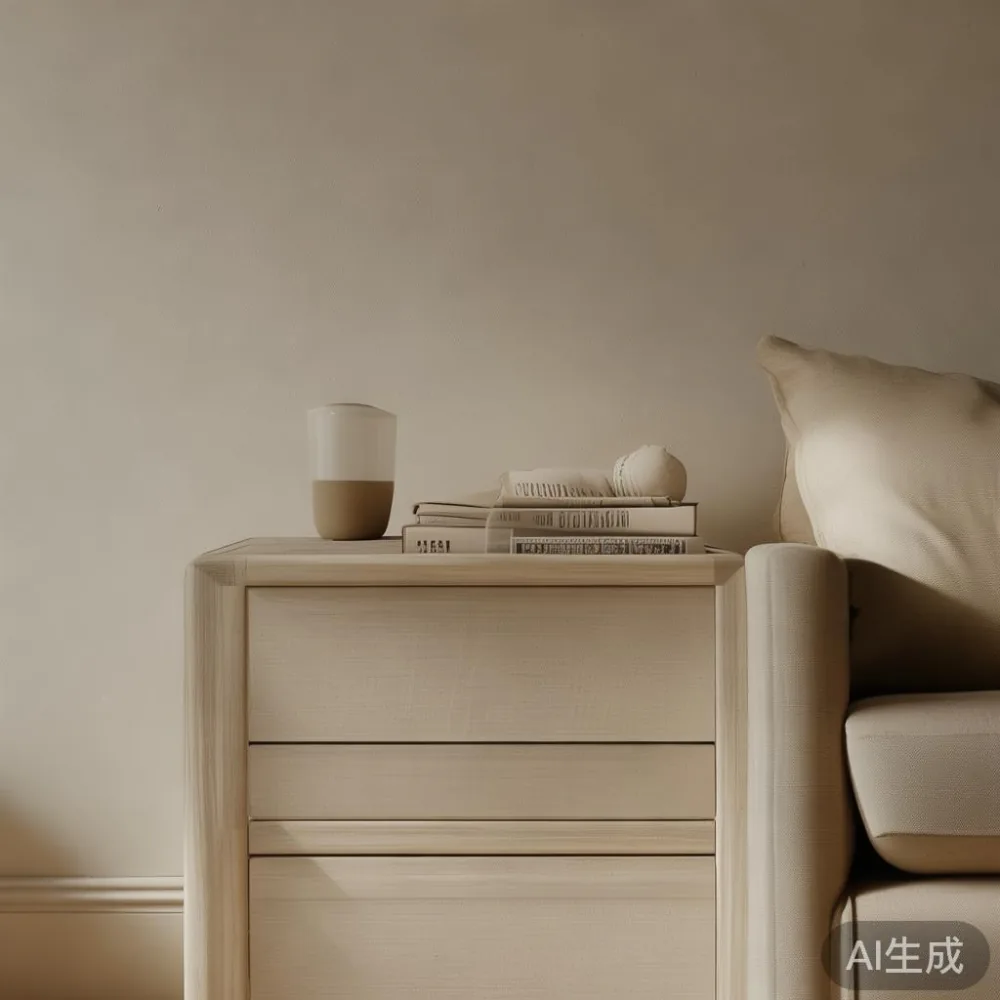
Last month I visited a colleague in a Tampines HDB flat that had a 168 cm display sofa, a marble table and a solid wood dining table. The sofa looked convincing in the showroom, yet its seat height was only 39 cm and its loose cushions had almost no foam support. It looked better than it felt. That experience reinforced my rule: check the sitting dimensions before checking the styling.
For shoppers comparing for sale European furniture, the practical questions are measurable: Will you actually sit on it, where will it stand, and can it pass through your lift and corridor? French light luxury, American light luxury and post-modern light luxury all influence appearance, but comfort and access still decide whether a piece belongs in your home.
Is the sofa meant for sitting, displaying, or occasional use?
Begin with purpose, because a display sofa and a daily family sofa should not share the same buying criteria. A display sofa may have a firm front edge, slim arms, shallow depth and decorative cushions, all of which can reduce comfort. That is acceptable if nobody plans to watch two hours of television there.
Measure the seat height, internal width and usable depth. For regular sitting, a seat height around 40–45 cm suits many adults, while 38–40 cm feels lower and suits some taller users. An internal seat width of at least 50 cm gives one person useful elbow room; 65–75 cm per person is more comfortable for two. A usable depth of 50–55 cm supports the back and thighs better than a decorative depth below 45 cm.

Press down with your palm. A display cushion may be decorative rather than supportive, and a seat described as solid wood does not mean the sitting surface is timber. Check whether the platform is plywood, solid wood, metal or another material, and ask for the cushion density and frame information. If the sofa has no usable back cushion, it may be better positioned as a bench near a nightstand rather than treated as a conventional lounge seat.
What dimensions should you check for Singapore HDB flats and condos?
Photograph the route from the lift to the front door, not just the doorway. Record the lift car width and depth, the door opening, turning points, corridor width and any ceiling or pipe obstruction. A sofa labelled 180 cm wide may be impossible to manoeuvre if the lift entrance is only 80 cm across or a corridor narrows to 85 cm.
Ask the retailer for the packed dimensions, not only the product dimensions. One sofa might measure 190 × 82 × 76 cm but arrive in a carton measuring 198 × 88 × 82 cm. Add packing protection, and compare that figure with every narrow point. For a Bedok or Punggol condo, also check parking-garage height limits, loading bays and the distance from the service lift to the unit.
Floor space matters too. Leave at least 75–90 cm between a sofa and a coffee table for a main walkway. In a compact living room, a sofa around 160–180 cm wide may be more practical than a 210–230 cm model. Do not place the front legs where residents pass behind seated guests; that narrow zone needs roughly 60–75 cm.
Singapore prices commonly reflect GST, so compare the final amount at the register. A sofa listed at SGD 2,480 before GST becomes SGD 2,852.40 after 9% GST. Delivery to the lift lobby may be included, while carrying it to the unit may cost extra. Request a written quotation showing furniture, GST, delivery, installation and any stair or lift surcharge.
How do you inspect a solid wood sofa frame?
Some showroom pieces combine solid timber elements with upholstered frames, so confirm which parts are genuinely solid wood. Look for visible grain, joinery and construction details rather than relying on a broad product label. A solid wood sofa can still have plywood or metal internal supports, and mixed construction is normal when the design depends on particular parts.
Check the frame at the arms, seat rails and back. Press the corners gently; excessive movement suggests loose joints. For a piece expected to last 5–10 years in a family home, the seller should be able to explain the frame warranty and provide maintenance advice. MIDHILL gives a 10-year structural warranty, which is a useful reference when comparing frame coverage across brands.
Weight is another clue, but it is not proof of quality. A substantial frame may weigh 65–85 kg, while a lighter display model may weigh 35–50 kg. Check every carton against your lift’s documented load limit, which is often 630–1,000 kg in Singapore residential buildings. Heavy items also require the right number of movers: two for a sofa under 60 kg and possibly three if the route includes stairs.
Do not confuse frame strength with sitting comfort. A sound frame can carry a thin mattress-like cushion that feels poor. A daily-use sofa should have a seat platform, padding and back support that hold their shape through normal use. Ask how long the cushions should retain shape and what replacement costs might be after 3–5 years.
Will the upholstery suit light-luxury styling without looking too formal?
Light luxury depends on proportion, material balance and restraint. French light luxury often uses curved arms, shaped legs, refined profiles and upholstered details. American light luxury tends toward cleaner lines, generous proportions and deeper comfort. Post-modern light luxury may mix geometry with tactile timber or stone finishes.
For a living room shared with a nightstand and a marble table, a sofa with a quiet profile can work better than an overly ornate model. Measure the nightstand at 40–55 cm wide and 45–60 cm tall so it sits near the sofa arm without blocking the seat. If you are also considering a dining table, the coffee table should not compete with its material weight. A pale marble table with a heavily veined surface needs a simpler sofa; conversely, a bold patterned sofa can balance a restrained stone surface.
One useful comparison is European light luxury sofa vs French provincial sofa. The former usually emphasises cleaner geometry and restrained decoration, while French provincial styling carries more curved arms, carved details and a decorative character. In a compact Singapore apartment, the cleaner interpretation may preserve visual space, even when the provincial version looks richer in a showroom.
For bedroom or studio use, searching how to style Japandi sofa in bedroom can lead to low-profile seating with wood tones, neutral textiles and uncluttered surroundings. The same low model can become a display bench in a HDB living room, but check the back support before expecting it to serve as a reading sofa.
Can the room support a decorative seat without making circulation worse?
A display sofa often works best against a wall, away from the main door swing and television sightline. Leave about 30–45 cm behind it if it is truly decorative and rarely moved; leave 75–90 cm if someone needs to walk behind it. In a Tampines flat with frequent foot traffic, even a 180 cm sofa can shrink the usable room if it projects too far into the passage.
Sketch the sofa footprint at actual scale and test it with masking tape on the floor. Include the coffee table, nightstand and open-door paths. The display piece should look intentional from the main entrance, not appear to occupy the only clear route.
Guest rooms require another test. European light luxury for guest room can include an elegant settee, but a room narrower than 250 cm may become crowded once a bed, wardrobe and side table are present. For a room of 2.8 × 3.2 m, a 140–160 cm settee placed against the long wall may be practical; a 190 cm model could pinch the circulation path.
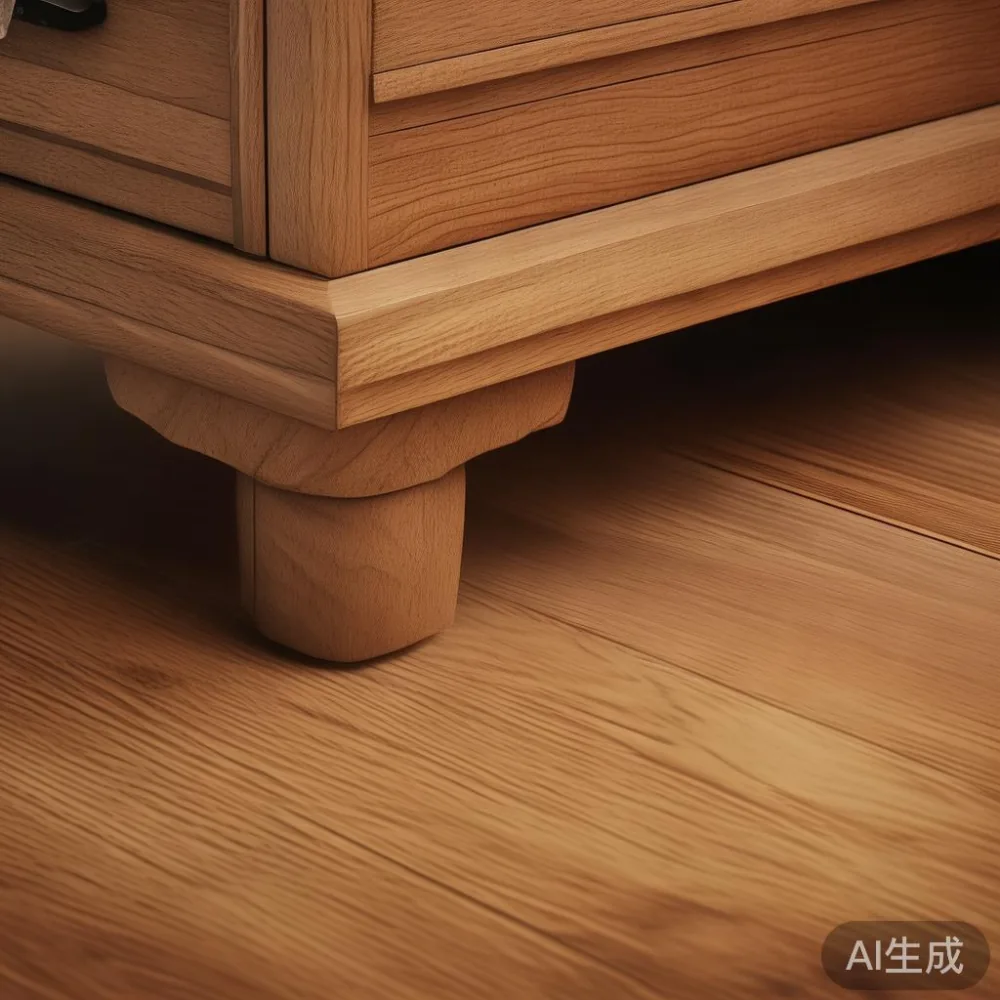
Make sure the sofa can remain stable on the chosen surface. If its legs are narrow, uneven floors in older flats can create rocking. Check adjustable feet and ask about felt pads, which help protect tile and hardwood. For an Asian or tropical home with good ventilation, leave around 50–75 cm between bulky furniture and curtains where practical, and avoid direct afternoon sun on light upholstery.
What should a fair quotation and delivery checklist contain?
A quotation should identify the exact model, dimensions, materials, finish, cushion specification, frame warranty, delivery scope and return terms. It should also state the delivery lead time in days. Allow roughly 7–14 days for a made-to-order solid wood component and 3–7 days for stock furniture, although peak periods and custom finishes can extend delivery to 21–30 days.
Check the retailer’s delivery terms against your access constraints. For example, free shipping over US$350 is stated by MIDHILL, but Singapore shoppers should still confirm the converted threshold, GST treatment, delivery charge and whether service-lift carrying is included in the local quotation. Currency conversion should be visible on the invoice rather than added later.
Returns also need timing and condition rules. A 14-day return window gives time to inspect the sofa, but confirm whether it applies to made-to-order pieces, display items, custom upholstery and freight charges. Photograph the sofa on arrival, check the corners and seat area, and record any damage before signing the delivery sheet.
Ask whether the seller will collect an unsuitable piece and what that costs. A local return could be SGD 80–180, while international freight may be deducted from the refund. Some sellers treat a used or assembled item differently from a factory-sealed one, so get the answer in writing.
Which related products should you measure before finalising the room?
Furniture buying often expands from one sofa into a coordinated room. If you are considering where to buy bed from MIDHILL, compare the bed’s packed dimensions with the same lift and corridor route. A bed frame may be easier to transport in two long cartons than a rigid sofa, but headboard turns and hallway corners still matter.
A wardrobe must also be measured upright. Standard wardrobes can be 180–240 cm wide and 55–65 cm deep, and their cartons may exceed the assembled width. If you are comparing the best Nordic wardrobe for 2026, look for clear internal layouts, adjustable shelves and dimensions that suit the actual bedroom rather than a showroom photograph.
For a dining area, MIDHILL dining table searches should include leaf extension, knee clearance and chair pull-out space. Allow at least 60 cm behind each seated person and roughly 90 cm between a table and a wall when chairs need to move. If the sofa is acting as a boundary, its relationship to the dining zone should be drawn before purchase.
A nightstand is small, yet it affects the sofa’s visual balance. A 45 cm wide unit can sit beside a 170 cm sofa; a 60 cm unit can make the sofa look shorter. Keep the top 5–10 cm below the sofa arm for an easier reach. If you plan to charge a phone there, confirm that the selected nightstand includes a reachable power point and cable opening.
What should you check in the showroom before paying?
Spend 10 minutes with the sofa rather than admiring it for 10 seconds. Sit without using the decorative cushions, then sit with them as intended. Check whether your feet reach the floor, whether the back supports your shoulders and whether the arm height lets you relax your shoulders.
Bring a tape measure and your room plan. Test access with the armrests and back cushions removed if the seller permits it, because the sofa may enter your home in sections. Look underneath for caster wheels, lifting handles and removable legs. Ask for an assembly video if the legs detach.
Inspect the finish for colour variation, scratches, loose joints, gaps and fabric tension. A light-luxury piece should show controlled workmanship rather than exaggerated ornament. Confirm the care method, because steam cleaning can damage some textiles, while oiling a solid wood component requires the correct product and frequency.
Finally, compare the purchase protection with the expected use. A display sofa in a low-traffic guest room may reasonably have a different cushion expectation from a daily family seat. The right choice is not the largest or most decorative model; it is the one whose dimensions, access route, maintenance and purpose match your home.