How to Care for a Lacquered Nightstand in Singapore’s Tropical Climate
A lacquered nightstand can stay elegant in a humid tropical home, but Singapore’s heat, condensation, salt air, and frequent hand contact place more demands on the finish than a dry indoor climate. For residents of HDB flats and private condos in Tampines, Bedok, Punggol, and other districts, the useful question is not simply how to wipe a nightstand. It is how to protect the lacquer, the solid wood beneath it, and the hinges over a 10-year stretch.
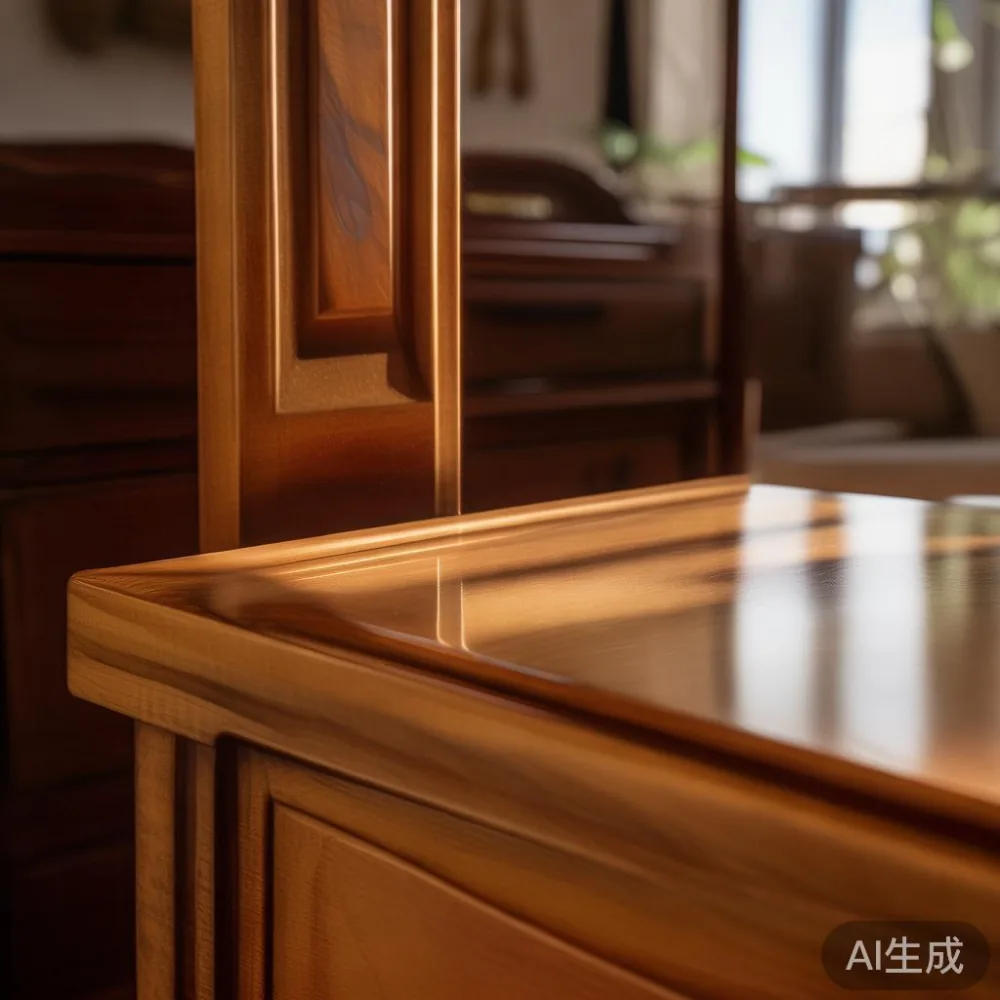
At MIDHILL, where solid wood furniture is made for export to more than 15 countries, a 10-year structural warranty and lifetime refinishing service reflect a long-term relationship with the piece. A lacquered nightstand may look polished and formal beside a solid wood sofa or upholstered bed frame, yet it still needs a practical care routine suited to Singapore’s conditions. The guidance below covers daily cleaning, humidity control, spill response, and long-term maintenance without treating the finish as damage-proof.
Why does lacquer need special care in Singapore?
Singapore’s relative humidity commonly ranges from about 60% to 85%, with afternoons that can bring short, heavy showers and warm air. Inside a compact HDB bedroom, a nightstand may sit close to an open window or an air-conditioning vent. In a condo near the coast, airborne moisture and salts can settle on exposed surfaces. These conditions can encourage swelling around joints, water marks, stickiness, mildew at seams, and dull lacquer if damp cloths and harsh cleaners are used repeatedly.
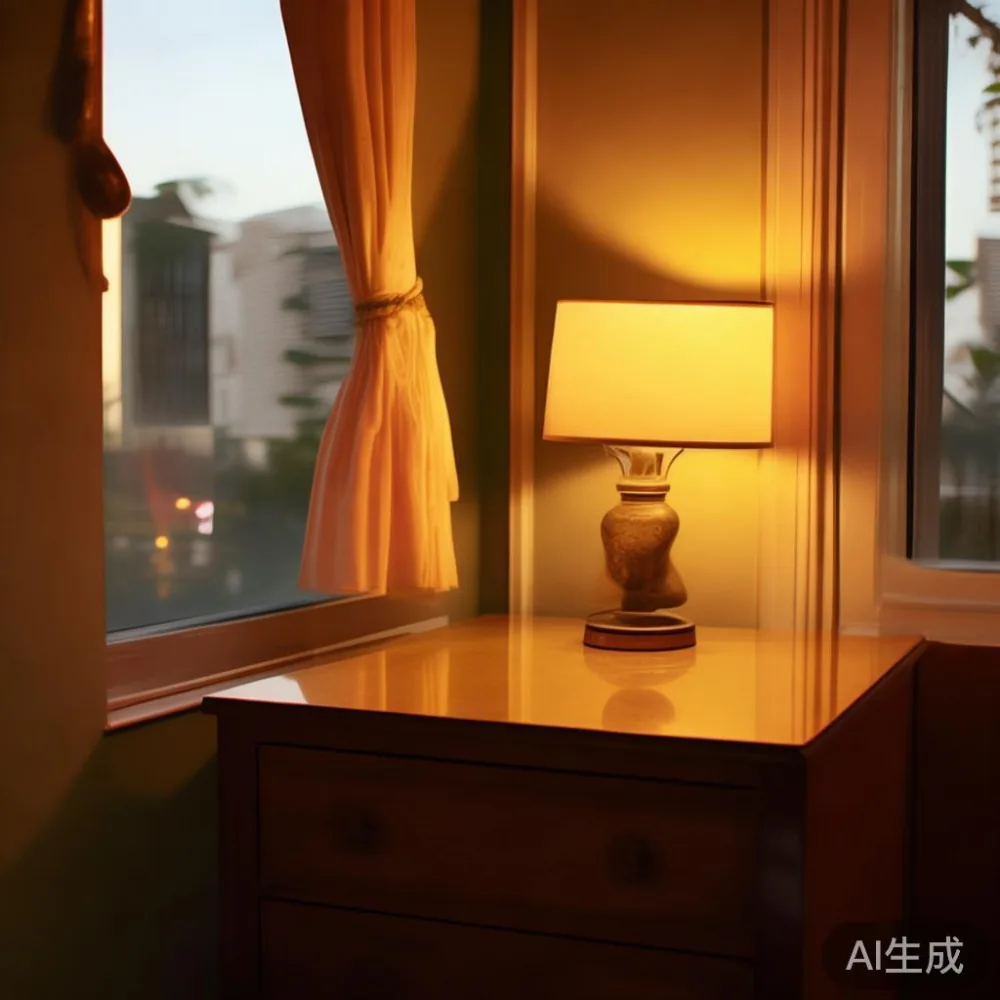
Lacquer is not the same as unfinished solid wood. It creates a sealed, usually smooth surface, but seams, edges, and hardware remain vulnerable. A well-made nightstand should have an even finish, properly fitted drawers, and controlled gaps that allow small movements as timber responds to humidity. It should not be confused with the open pores of an oiled oak nightstand. The finish deserves gentler products and more restraint with water.
Think of the room as a small care environment rather than a showroom. A bedroom temperature of 23–26°C is comfortable, while a relative-humidity reading around 50–65% gives the timber and lacquer a stable setting. If a hygrometer reads above 70% for several hours, improve airflow or use a modest dehumidifier. Air-conditioning alone may lower humidity, but a nightstand should not be placed directly against a cold vent that causes condensation.
What cleaning products are safe for lacquered wood?
A soft white microfibre cloth, plain water, and a small amount of mild dish soap are enough for routine care. Mix about 1 teaspoon of detergent with 250 ml of lukewarm water, dampen the cloth rather than the nightstand, and wipe the surface until no residue remains. Dry immediately with a clean cloth. Test the mixture on the underside or rear edge for 24 hours before using it across the top.
Silicone sprays, furniture polish, ammonia, bleach, acetone, alcohol-based cleaners, and abrasive cream should stay away from lacquer unless the finish manufacturer explicitly permits them. They can leave a sticky film, soften the coating, cloud the sheen, or damage the topcoat. Avoid “baby wipes,” which may contain moisturisers or disinfectants. A clean cloth can be used every day; deep cleaning is usually needed only every 1–2 weeks in a humid home, with spot-cleaning between.
Do not use a wet mop, steam cleaner, or dripping sponge around the nightstand. Water can enter hairline gaps between lacquer and wood or collect around a handle. For dusty areas, a dry microfibre cloth often works better than a damp one. For oily fingerprints, lightly dampen one small section, wipe once, and dry at once rather than scrubbing in circles.
Place coasters and mats beneath cups, water bottles, cosmetics, and humidifiers. Use a coaster at least 8 cm across beneath an 8–10 cm mug. Leave approximately 15 cm between a nightstand and a wall when practical, especially in HDB bedrooms where corridor and lift dimensions are already tight. This allows air movement and makes it easier to inspect the back and side edges for moisture.
How should I remove spills and avoid water marks?
Spills should be treated within 30 seconds when possible. Lift cups and objects instead of dragging them across the surface. Blot, rather than rub, with a clean white cloth. If the spill is sticky, use a barely damp cloth with the diluted detergent mixture, then dry with a separate cloth. Never soak the lacquer or use a razor blade on the finish.
Water rings are common after a glass leaves mineral residue as the water evaporates. A soft cloth lightly dampened with plain water may soften a fresh mark, followed by immediate drying. If a faint mark remains, a manufacturer-approved cleaner is safer than an improvised chemical treatment. Metal polish can interact badly with lacquer, so keep it away from the top even when the nightstand has brass-tone legs or handles.
Never place a nightstand beneath an air-conditioning unit, a bathroom doorway, or a window that remains open during monsoon showers. In a Punggol HDB flat, direct evening rain can reach an open window in seconds. In Bedok, coastal humidity may be noticeable on metal fittings. In Tampines and across newer private estates, sealed glazing and strong air-conditioning may create condensation on very cold surfaces, so position the table more than 30 cm from a vent when possible.
How do I stop a lacquered nightstand from swelling or developing mould?
Control the environment around the furniture. Keep the nightstand at least 15–30 cm away from exterior walls, and use it only after the air-conditioning has reduced room humidity. Close windows during heavy rain, but avoid leaving furniture in a closed room with persistently damp air. A small hygrometer costs less than replacing a swollen drawer front or a mould-stained base.
Check the underside every 3 months. Look for black spotting, musty odours, peeling lacquer, or white powder around the joints. If mould appears, isolate the area and contact the finish specialist before scrubbing. A mild detergent may remove surface mould, but persistent moisture means the source must be fixed. Do not use bleach directly on the finish; even a 1:10 bleach solution can discolour or dull lacquer and is not appropriate unless the coating maker allows it.
For solid wood beneath the lacquer, seasonal movement is normal. A drawer may tighten or loosen by 1–3 mm as humidity changes, but a larger change suggests direct moisture exposure. Keep the piece away from floor-level storage, leaking pipes, and damp laundry. Avoid moving a lacquered nightstand between a cold lift lobby and a warm flat during a renovation. If relocation is necessary, wrap it in a clean sheet and use a trolley rated for at least 40 kg.
How often should the lacquer be renewed?
Inspect the nightstand every 6 months and touch the lacquer only when a coating is genuinely worn. Polishing a sound surface every month can create a build-up that attracts dust. Clean it gently, allow the surface to dry fully for 2 hours, and then assess whether the sheen has dulled or a scratch catches a fingernail.
Very fine scratches can often be addressed with a lacquer-safe repair method, but test any product on a 2 cm section and wait 72 hours. Deep scratches, lifting edges, broad dull patches, and exposed wood need professional attention. Do not sand a lacquered surface at home. Random abrasion can create uneven gloss, visible colour changes, and a larger repair later.
MIDHILL offers lifetime refinishing, which can be useful after years of regular use or accidental damage. Warranty terms should still be checked for the specific finish and purchase. Structural coverage over 10 years is separate from cosmetic wear, so retaining receipts, maintenance notes, and photographs of the nightstand helps document its condition. For clients assembling a room around a solid wood sofa, bed frame, dining table, wardrobe, nightstand, and marble table, matching finishes and care schedules make the furniture collection easier to maintain.
Can lacquered furniture still fit a Singapore bedroom?
Yes. Lacquered nightstands suit a restrained French light luxury bedroom, post-modern light luxury apartment, or a clean American light luxury interior. Their reflective finish can make a 45 cm wide unit feel more refined, provided the proportions remain practical. A bedside height of 50–58 cm works with most adult mattresses, while a top width of 40–50 cm leaves room for a phone, 25 cm lamp base, glass of water, and charging cable.
Compact Singapore homes benefit from shallow nightstands measuring 35–40 cm in depth. Check the route from the lift to the bedroom, especially in older HDB blocks and condo corridors. A boxed nightstand measuring 55 × 40 × 50 cm may fit readily through a standard HDB lift doorway, whereas a wider solid wood bed frame can be challenging. Confirm the packed dimensions rather than estimating from the assembled size.
Local pricing and availability matter too. A showroom purchase may include assembly or delivery within Singapore, while imported pieces can attract GST and additional handling. A budget around SGD 600–1,500 is common for a well-finished solid wood nightstand, depending on timber, dimensions, hardware, and finish. Ask for the final delivered price and any GST-inclusive figures before ordering.
For broader bedroom planning, a comparison such as European bed vs French provincial bed can clarify the intended silhouette before furniture is selected. The same disciplined approach applies to European light luxury bed vs Modern bed, especially when lacquered bedside tables need to harmonise with the headboard. A search for for sale Minimalist furniture should focus on compatible proportions, not just matching labels, while a guide titled best Modern light luxury bed for 2026 can help define the room direction. These comparisons are not advertisements; they are planning tools.
The language used for describing style can also guide a complete room. A solid wood sofa may suit an American light luxury living room, while a post-modern scheme may call for simpler forms and less visual clutter. In a side room, MIDHILL dining table styling can borrow the same finish palette. A quick comparison between American sofa vs Mid-century modern sofa can prevent an otherwise coordinated bedroom from feeling visually unrelated to the living area.
What should I do before a nightstand is delivered to my flat?
Measure the lift, landing, bedroom door, and final position. A standard Singapore HDB bedroom door is commonly around 80–85 cm wide, but older blocks may differ. A lift car might offer approximately 100–140 cm of internal width depending on the building, so a package over 150 cm across will need special handling. Record the narrowest measurement, including the door closer and handles. Add 5 cm of working space when checking turns.
Choose a delivery date with 3–5 days’ notice where possible, and ask the supplier whether the nightstand arrives assembled. Flat-packed units can reduce corridor problems, but they may require more tools and working room. Confirm the estimated delivery days in writing, along with the damage-inspection period, return window, and condition of the lacquer. MIDHILL provides free shipping for orders over US$350, but the international threshold should be checked against a Singapore purchase because local currency and the seller’s current delivery terms may differ.
On arrival, photograph all 6 sides, the top, underside, and hardware before assembly. Check for chips, cracks, moisture, and colour variation. Allow the nightstand to acclimatise indoors for 24–48 hours before loading it with objects, particularly when it arrives from a cooler climate. Keep packaging dry and retain it for at least 14 days, aligning with the stated return period.
What is the practical care routine for a lacquered nightstand?
Use a 1-minute daily wipe with a dry microfibre cloth, a 5-minute weekly clean with mild diluted detergent, and a 10-minute monthly inspection. Move coasters, wipe spills within 30 seconds, and check the humidity reading monthly. Keep the surface 30 cm from vents where possible, maintain 15 cm from walls, and avoid direct rain. If a mark remains after gentle cleaning, leave it alone for 48 hours and seek finish-specific advice instead of trying several products in succession.
For styling, a simple French light luxury arrangement with one lamp, a ceramic tray, and 2–3 books leaves enough lacquer visible to appreciate its finish. In a tropical room, avoid a dense stack of objects that traps humidity. The same light-touch discipline supports a coordinated solid wood sofa, solid wood bed frame, dining table, wardrobe, nightstand, and marble table collection without making the bedroom feel overfilled.
I tested a similar lacquered nightstand last month beside an open window during an afternoon shower in Tampines. The finish stayed free of water rings, but the rear edge stayed damp for about 18 minutes because the window was open. After moving it 20 cm inward and closing the window, the wood surface dried normally within 2 hours. That small test confirmed that placement matters as much as the cleaning product: a beautiful lacquer finish can handle ordinary use, yet it cannot compensate for persistent tropical moisture.