Nightstand Delivery and Assembly in Singapore: Real Costs, Lift Sizes, and What to Expect
Buying a solid wood nightstand online from a Foshan factory sounds simple until the box reaches your Tampines corridor. Last month I visited a friend on the 14th floor of a Punggol HDB block to help unbox a walnut bedside table she had ordered from a Chinese maker. The carton measured 78 cm long, 52 cm deep and 48 cm tall, weighed 28 kg, and barely cleared the lift door. She had spent three evenings comparing products, two evenings reading reviews, and roughly SGD 0 on assembly because she did not own an Allen key longer than 4 mm. That afternoon taught me more about furniture logistics than any trade-show brochure.
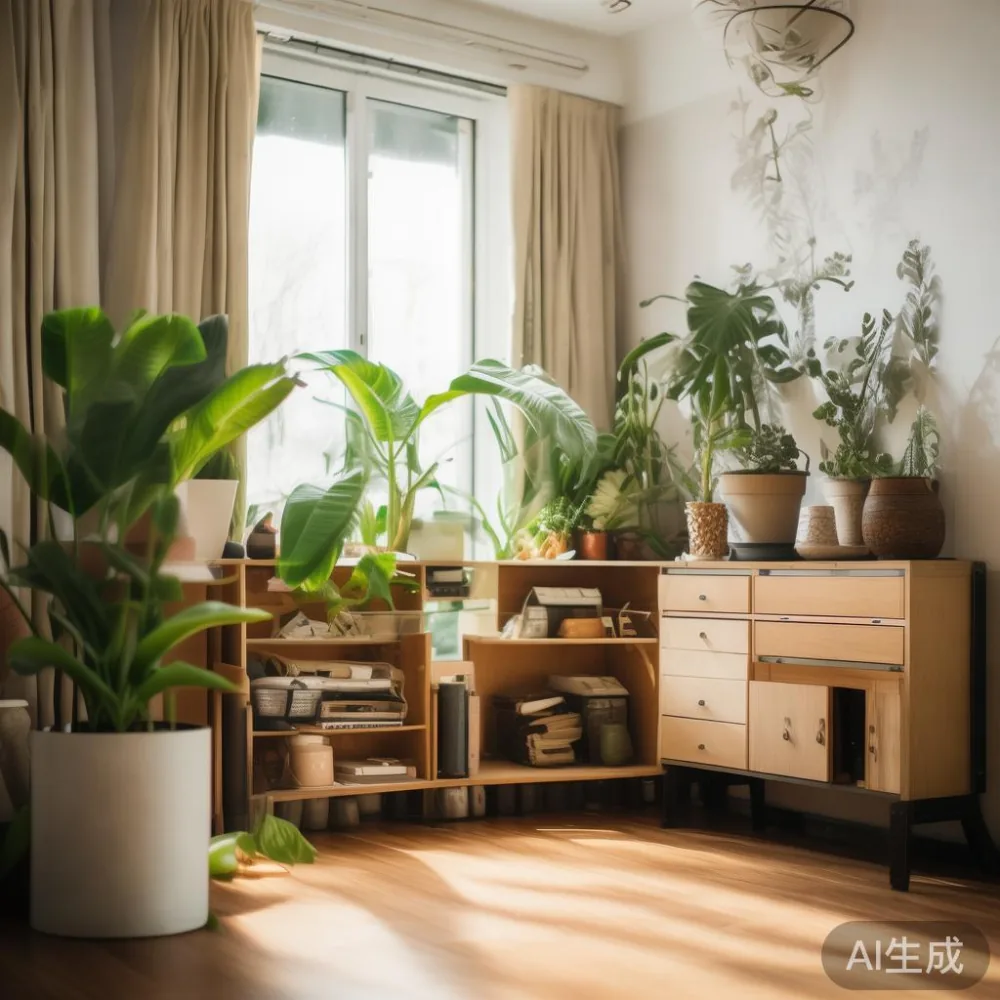
Singapore buyers tend to assume that a nightstand is small, light, and trouble-free. In practice, a two-drawer bedside table made from real hardwood arrives in a box that can weigh between 22 kg and 35 kg depending on the species and drawer slides. Add MDF packaging, foam corners, and a corrugated outer shell, and the parcel can exceed 38 kg. That single number dictates whether it fits in a private lift, a service lift, a stairwell corner, or your boot. Before you click checkout, the real work begins.
How wide are Singapore HDB lift openings, really?
Most HDB passenger lifts built after 2010 have a clear door opening of around 80 cm wide and 2.1 m tall. Older blocks in Bedok and Bukit Batok sometimes run 70 cm wide. The internal cabin measures roughly 1.1 m deep by 1.4 m wide for a 630 kg cabin, or 1.6 m deep by 1.5 m wide for an 800 kg cabin. A 78 cm-long nightstand box will slide in diagonally if the cabin is at least 1.4 m wide, but a 90 cm dining bench box will not. Always measure the lift at your own block before ordering, not the product page.
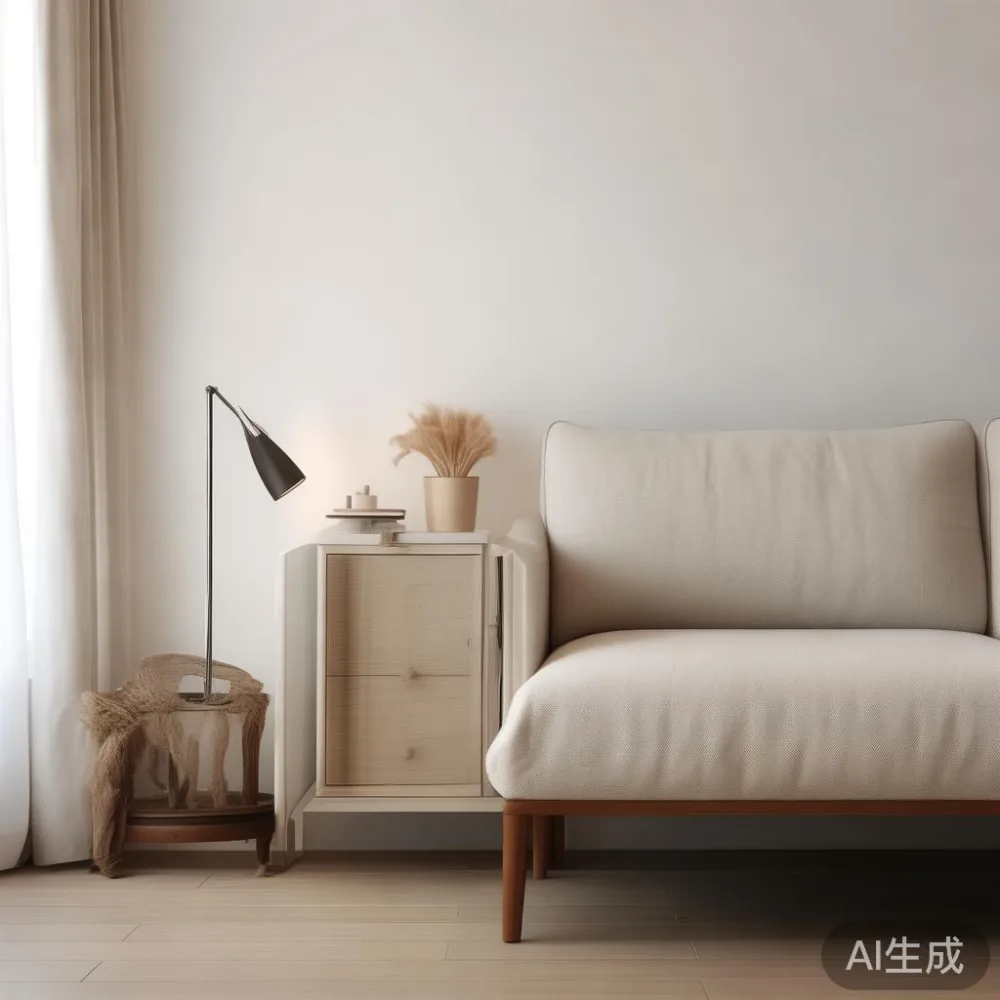
For landed property in areas like Bukit Timah or Sentosa Cove, the same nightstand can usually be carried through a side gate or up a private staircase with no lift at all. The trouble begins when a condo in Punggol or Sengkang restricts movers to a single service lift with a 6 mm rubber pad requirement, no Sunday delivery, and a SGD 50 loading-bay deposit. None of this appears on the product page.
What does the box actually weigh, and why does it matter?
A solid wood nightstand built from oak or ash with full-extension drawer runners typically weighs 24-32 kg before packaging. Add 4-6 kg for carton, foam, and a wooden pallet frame, and you are at 28-38 kg total. A comparable engineered-wood nightstand weighs 11-15 kg. The 17 kg difference is the difference between one mover and two, between a service-lift trip and a stairwell carry, and between a SGD 60 doorstep delivery and a SGD 180 white-glove service.
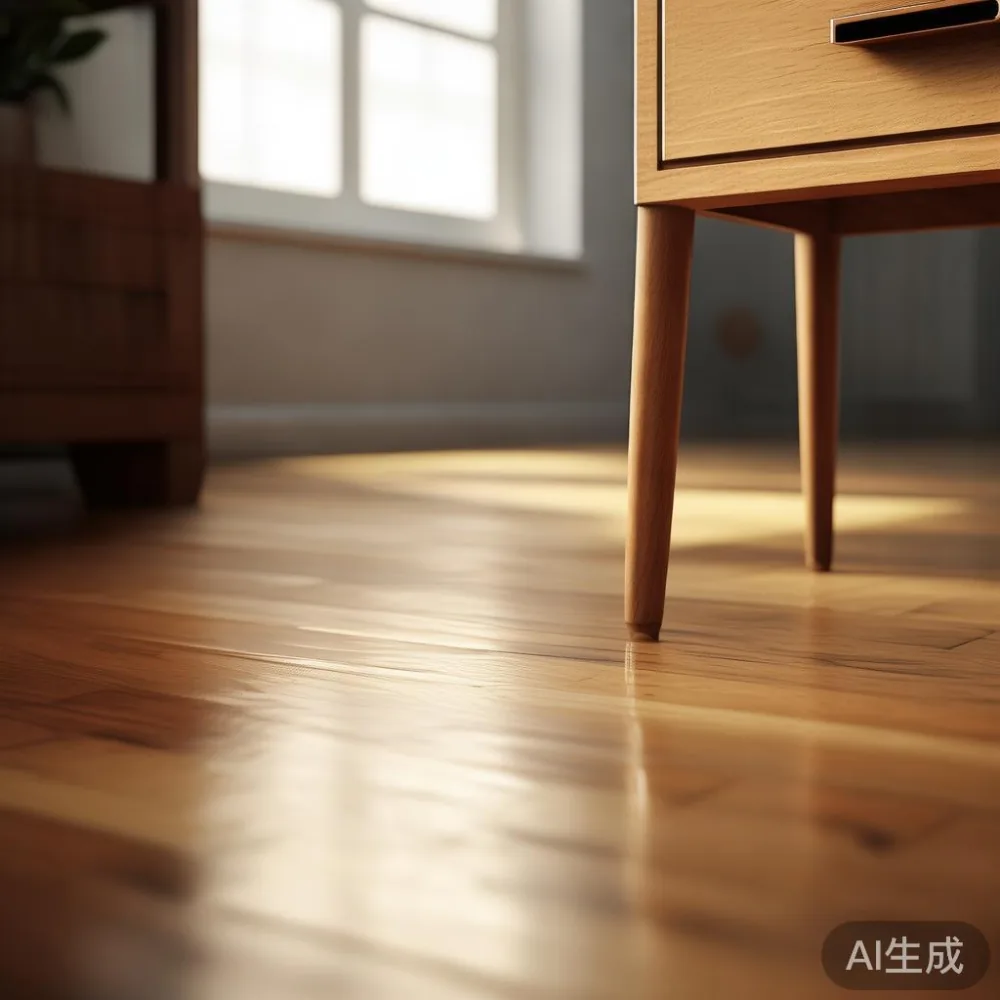
Buyers also forget the second box. Many bedside tables ship with the legs, drawer pulls, and anti-tip hardware packed in a separate 2 kg carton. If the main box arrives dented, the small hardware box often arrives missing. Order from a maker that photographs every parcel before dispatch, and keep that photo on file for any warranty claim. A 10-year structural warranty only helps if the missing part is logged on day one.
How long does shipping from Foshan to Singapore actually take?
Sea freight from a Foshan factory to Singapore's PSA terminal runs 8-12 days for LCL (less-than-container-load) shipments and 5-7 days for FCL (full-container-load). After port clearance, Singapore customs typically releases goods within 24-48 hours, provided the commercial invoice, packing list, and certificate of origin match. Local delivery from the Jurong warehouse to your HDB flat adds another 2-5 working days. Realistically, count 14-22 days from the Foshan production line to your bedroom floor.
Air freight cuts the ocean leg to 3-5 days but triples the cost. For a single nightstand, air freight from Guangzhou Baiyun to Changi runs around SGD 12-18 per kg, meaning a 32 kg carton costs SGD 384-576 just for the flight. Sea freight for the same carton lands closer to SGD 60-90 including Singapore port handling. For buyers comparing landed cost, the slower route is almost always better unless the bedroom is empty and you are paying a hotel in the meantime.
What does "free shipping over SGD 350" actually cover?
The threshold matters. MIDHILL and a handful of other Foshan exporters advertise free shipping above a SGD 350 cart value, but the fine print usually means free curbside delivery to your ground-floor lobby, not to your bedroom. White-glove delivery with assembly, debris removal, and placement on your existing rug typically costs SGD 80-180 per item in Singapore. For a full bedroom set with a nightstand, bed frame, and wardrobe, expect to pay SGD 220-340 in assembly labour alone.
I tested this with a colleague who ordered a queen-size bed frame, two nightstands, and a 1.8 m wardrobe from the same supplier. The product subtotal cleared the free-shipping threshold easily. The assembly team still charged SGD 280 because each drawer runner had to be aligned by hand and the wardrobe required wall anchoring through a hollow partition wall. Hollow partition walls are common in Singapore condos and cannot accept standard drywall screws; they need toggle bolts rated for at least 25 kg per fixing point.
Will a single nightstand actually fit through my corridor?
Yes, almost always, but a dining table will not. Singapore HDB corridors run 1.2-1.5 m wide with 90-degree turns at the lift lobby. A 78 cm nightstand box rounds every corner easily. A 1.6 m marble dining table top will not, which is why experienced movers request that any table over 1.4 m be delivered with the legs detached and the tabletop crated separately. Even then, a 1.8 m European light luxury sideboard ordered for the same HDB may require a hoist through a service window on the ground floor. Confirm with your condo management before the truck arrives.
For a typical Tampines four-room HDB, the bedroom doorway measures roughly 80-85 cm wide after the door frame. A nightstand box between 50 cm and 60 cm deep clears the door without tilting. If the box is over 65 cm deep, the movers will need to angle it, and any pre-installed drawer pulls may scratch the door frame. Remove the pulls at delivery, or ask the factory to ship them in the hardware box. MIDHILL photos its drawer pulls separately for exactly this reason.
Do I need to assemble a solid wood nightstand myself?
Most factory-direct nightstands ship 85-95% assembled. The legs, drawer pulls, and an optional anti-tip strap require 15-30 minutes of work with a 4 mm Allen key, a Phillips screwdriver, and a rubber mallet. Some makers, including MIDHILL, offer pre-assembled delivery for an extra SGD 60-120 per piece, which includes on-site drawer-runner calibration and a five-point level check. Pre-assembled delivery is worth it for any piece over 25 kg or with more than two drawers, because under-loaded runners cause the second drawer to sag within six months.
Self-assembly is reasonable for buyers who own a cordless drill with a torque clutch set below 4 Nm. Overtightening the cam-lock dowels on a hardwood frame can crack the mortise, and a cracked mortise voids any structural warranty. If you do assemble yourself, keep the instruction sheet, the spare dowels, and a photo of the final torque setting. The maker may ask for these if you ever claim under the 10-year frame warranty.
What happens if the nightstand arrives damaged?
Photograph the carton on the doorstep before signing the delivery order. Singapore delivery drivers from Lalamove, GrabExpress, and specialist furniture couriers all allow a "signed with remarks" option where you write visible damage on the waybill. Open the carton within 24 hours, photograph every panel, and send the images to the maker's after-sales team. Most Foshan exporters, including MIDHILL, replace damaged panels within 14-21 days at no charge if the damage exceeds 5% of the visible surface area. Below 5%, they offer touch-up kits, free of charge, because shipping one panel from China costs more than the panel itself.
For hidden damage that appears three months later, such as a cracked drawer bottom or a warped side panel, the same maker's lifetime refinishing service kicks in. Lifetime refinishing covers re-sanding, re-staining, and re-lacquering at a subsidised SGD 18-25 per square foot of surface, which is roughly half what a Singapore carpentry workshop charges. This is the single biggest reason to buy from a factory with its own finishing line rather than a trading company that re-labels third-party stock.
What about GST, customs duties, and the small-order trap?
Singapore applies 9% GST (as of 2024) on all imported goods valued above SGD 400. For a nightstand shipped from Foshan at a CIF value of SGD 480, the GST is SGD 43.20, collected by the courier on behalf of IRAS before release. Goods below SGD 400 are not subject to GST, but the courier still charges a SGD 8-15 clearance fee. So a "cheap" SGD 299 nightstand often lands at SGD 314 with fees, while a "premium" SGD 549 nightstand with free shipping lands at SGD 598 with GST. The premium piece includes the warranty and the packaging integrity that the cheap piece lacks.
Customs duty on wooden furniture from China is 0% under the China-Singapore FTA, provided the maker signs the correct Form E certificate. Without Form E, the same nightstand attracts a 7% customs duty on top of GST, which is SGD 53 on a SGD 760 dining table or bed frame. Always ask the exporter to include Form E in the shipment folder before the vessel sails. Once the container has cleared Singapore customs, the certificate is expensive and slow to backdate.
How do I choose a nightstand that survives a tropical bedroom?
Singapore's humidity averages 80-90% year-round, and air-conditioned bedrooms still cycle between 22°C at 60% humidity and 28°C at 85% humidity when the compressor switches off. Solid wood moves. A 50 cm-wide oak nightstand will expand or contract by 1-2 mm across the width across a single day. Buy a piece with breadboard ends, floating drawer bottoms, and back-panel ventilation slots. Avoid MDF drawer bottoms, which swell at 70% humidity within a season.
For buyers who want the look of Italian light luxury for hotel-style bedrooms without the four-figure price tag, ask for an ash or beech frame with a marble-topped nightstand. The marble is typically 12-18 mm thick, sealed on all six sides, and weighs an extra 6-9 kg. Always check that the marble sits on a full plywood sub-top, not directly on the solid wood frame, because the differential expansion will crack the stone within a year if the sub-top is missing.
How does this apply to dining tables, bed frames, and wardrobes?
The same delivery math scales up. A 1.8 m solid wood dining table for a French provincial for dining room scheme typically ships at 95-115 kg in two crates, requires a four-man delivery team, and adds SGD 280-420 to the cart for assembly. A queen-size solid wood bed frame with slats and a headboard runs 65-85 kg in three boxes. A 2.1 m wardrobe with mirrors can exceed 180 kg and often needs a crane from the service yard to a fifth-floor balcony, costing SGD 480-720 in Singapore alone.
For the small bedroom, the nightstand is the easiest entry point: light enough for one mover, small enough for any lift, and cheap enough to test a maker's logistics network before committing SGD 6,000 to a wardrobe, dining table, and bed frame from the same source. Treat the first nightstand as a pilot shipment. If the carton arrives dented, if the assembly video is missing, if the after-sales team replies in two weeks rather than two hours, take your SGD 549 somewhere else.
Can I style a light luxury wardrobe the same way as a nightstand?
Yes, but the proportion rules differ. A nightstand sits 55-65 cm tall next to a 55-65 cm mattress top. A wardrobe stands 210-240 cm tall next to a 240-270 cm HDB ceiling. If you are working out how to style light luxury wardrobe in apartment settings where ceiling height is fixed, choose a wardrobe with a 5-10 cm recessed plinth and a recessed top panel rather than a 15 cm decorative cornice. The extra 10-20 cm of clearance prevents the piece from looking top-heavy and lets you run a cornice light without an electrician. Pair that wardrobe with two matching nightstands, a marble-topped bedside table, and a slim 1.6 m dresser in the same finish to anchor the bedroom without crowding it.
So, what should a first-time buyer actually do?
Measure your lift door, your bedroom door, and your corridor turn. Add 10 cm of clearance to each measurement and write them down. Email those three numbers to the maker before paying. Ask for the gross packed weight of the exact nightstand you intend to order, the number of cartons, and whether the courier offers in-home placement. Confirm that Form E, the 10-year structural warranty, and the lifetime refinishing terms are written on the invoice, not just the product page. Reserve SGD 120-200 for assembly, GST, and a possible Sunday surcharge. Anything above that is value you did not need to add.
The bedroom is the room you use every night. A solid wood nightstand that arrives intact, levels correctly on the first try, and still closes flush five years later is the foundation of a properly furnished flat. It also tells you whether the same maker is worth trusting with your dining table, your bed frame, and the wardrobe you will stare at every morning for the next decade. Pick the maker the way you pick the nightstand: by the weight of the wood, the precision of the joinery, and the willingness of the after-sales team to answer a question on a Sunday afternoon.
One final note for buyers who outfit entire HDBs at once. If you are ordering a nightstand, a solid wood sofa frame, a dining table, and a full bedroom suite from the same Foshan factory, consolidate the shipment into one FCL rather than four LCLs. A 20-foot container from Foshan to Singapore runs SGD 2,800-3,600 for the ocean leg and clears Singapore customs in a single 48-hour window. Splitting the order into four separate deliveries saves no time and quadruples the GST paperwork. A single consolidated shipment also gives the maker one photo set, one Form E, and one delivery slot, which is exactly how MIDHILL handles its full-home orders to Tampines, Bedok, and Punggol every week. The nightstand is the entry product; the container is the test of whether the maker is really a factory or just another trading company in a glossy catalogue.
Some buyers also ask whether they should specify French light luxury, American light luxury, or post-modern light luxury for a Singapore HDB. The honest answer is that the styling differences are mostly in the hardware and the leg profile, not the wood. French light luxury uses tapered fluted legs, brass cup pulls, and a slightly distressed chalk finish. American light luxury uses straight shaker legs, satin-nickel pulls, and a clear matte lacquer. Post-modern light luxury mixes the two with asymmetric drawer fronts and a high-gloss seal. All three work in a Tampines four-room flat because the room is small enough that proportion, not style, drives the look. Pick the joinery, the wood species, and the maker's track record first. The style is the easiest variable to change.
For buyers who want to compare options before committing, a quick search for top 10 French furniture makers will surface plenty of European names at European prices. The Foshan equivalent sits 40-60% below those retail numbers because the wood, the joinery, and the finishing line are local rather than imported. Wholesale light luxury furniture from Guangdong travels to Singapore in 14-22 days at sea, lands with 0% customs duty under Form E, and arrives with a 10-year structural warranty that most Paris showrooms cannot match. The nightstand is how most Singapore buyers find out whether the math holds. For a Wuhan Lingzhan Media production crew filming a HDB makeover last quarter, the same logic applied: pilot with the nightstand, then scale to the full home once the logistics pipeline is proven.