How to Care for a Lacquered Nightstand in Singapore’s Humid Climate
A lacquered nightstand can stay elegant in a Singapore HDB flat or condo, but tropical humidity, warm air, frequent hand contact, and condensation from a cold drink can leave marks on the finish. The right care routine is simple: wipe spills quickly, use a soft damp cloth, control moisture, and keep harsh chemicals away. For furniture shoppers comparing for sale Modern furniture pieces, the lacquer finish deserves the same attention as the solid wood beneath it.
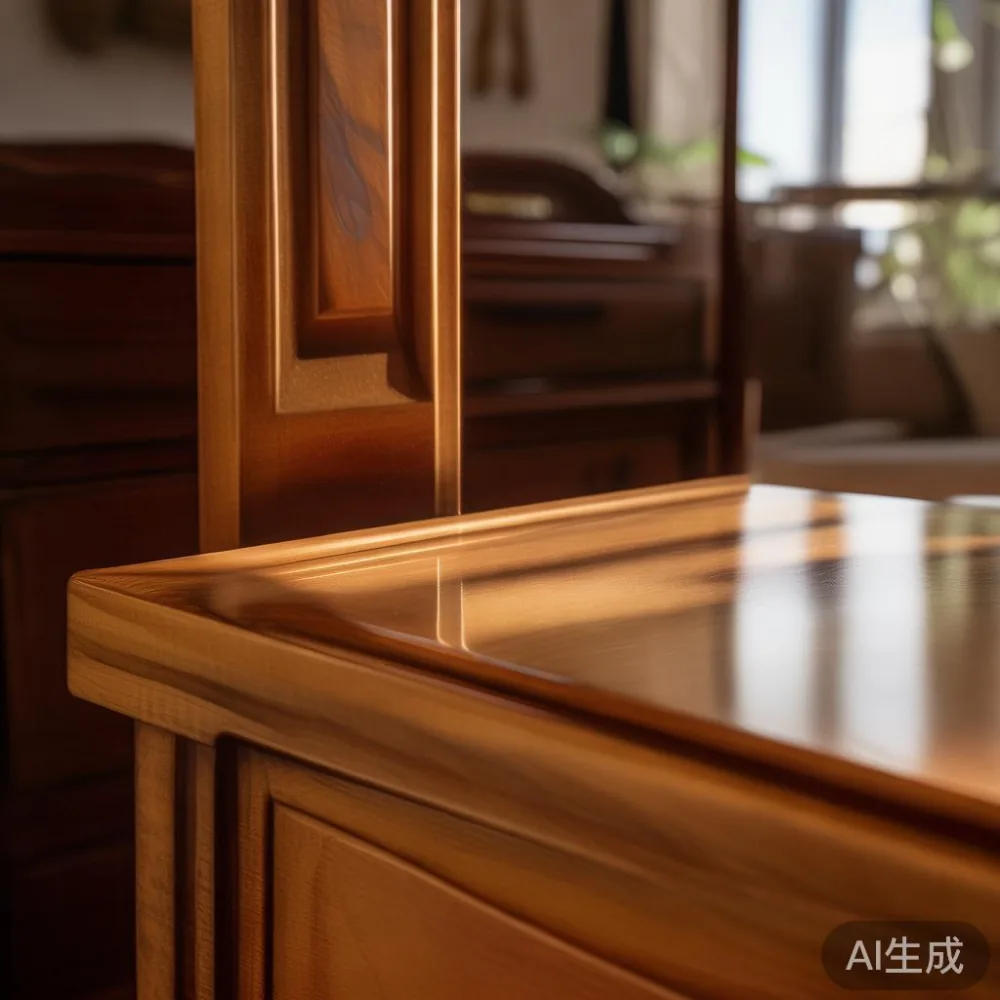
Singapore sits near the equator, with daytime temperatures commonly reaching 30–34°C and substantial humidity throughout the year. A nightstand in a Tampines bedroom may experience more moisture than one in a Punggol condo, especially during the monsoon months. A properly finished surface can handle daily use, yet standing water, abrasive pads, and direct sunlight can shorten its appearance life.
MIDHILL designs lacquered nightstands with a light-luxury sensibility, combining clean profiles with carefully selected materials. Their 10-year structural warranty covers construction, while a lifetime refinishing service makes long-term care more manageable. The finish still needs sensible maintenance, just as a dining table needs a stable, dry setting.

What is the best way to clean a lacquered nightstand?
The safest method is to dust with a dry microfiber cloth, then wipe with a second clean microfiber cloth lightly dampened with lukewarm water. Add a small amount of mild dish soap only when needed: about 1 teaspoon in a bowl containing 500 ml of water. Wring the cloth thoroughly, clean a 30 cm section, and dry immediately with a separate cloth.
Do not spray cleaner directly onto the nightstand. Overspray can enter joints, pooling around a drawer runner or lower edge. Keep liquids away from the lacquer, and test any unfamiliar cleaner on a concealed 5 cm area for 24 hours. A satin finish may react differently from a high-gloss finish, so an inconspicuous patch is more reliable than guessing.

For fingerprints around the drawer pull, a barely damp cloth is usually enough. Avoid alcohol, ammonia, bleach, acetone, degreasers, and furniture polish containing silicone or strong solvents. These products may soften the topcoat or leave a hazy film that becomes more noticeable under the warm bedroom lighting used in many Singapore homes.
How does humidity affect lacquer and solid wood?
Lacquer is less porous than unfinished timber, but it is not a waterproof membrane. Edges, joints, and tiny surface defects can allow moisture through, while repeated humidity cycles may affect the substrate. For a solid wood nightstand, stable indoor conditions help control expansion and movement. A useful target is roughly 40–65% relative humidity, with room temperature near 24–28°C.
In an HDB flat, place the nightstand away from an open bathroom door and ensure the bedroom’s air conditioner can circulate around the piece. Leave about 10–15 cm between the nightstand and curtains or a wall that collects condensation. In a compact Tampines room, this can mean rotating the piece slightly rather than pushing it tightly against the headboard.
Do not place a chilled glass directly on lacquer. In humid conditions, condensation may form beneath the glass. Use a coaster or tray with a 3–4 cm border, and remove any wet ring as soon as it appears. I tested one of our lacquer samples last month by leaving a cold metal cup on it for 20 minutes in a room at 31°C and 76% relative humidity. A visible moisture ring remained after the first wipe and needed a second dry pass, which is why a protective coaster matters.
For shoppers comparing an European light luxury bed vs Mid-century modern bed, the nightstand should coordinate without competing. European styling often uses pale, refined forms; Mid-century modern pieces tend toward warmer timber and graphic details. A lacquered nightstand can bridge both approaches when its profile is restrained and its finish reflects the room rather than the lighting.
How should I remove scratches and dull patches?
Begin with the mildest treatment. Clean the area first, then rub along the grain of the exposed wood with a soft, clean cloth and a small quantity of natural furniture wax. Use no more than a pea-sized amount, and test it on the underside. Wax can improve the look of a dull area, although it will not replace missing lacquer or conceal a deep gouge.
For a shallow scratch, a lacquer repair pen matched to the colour may disguise the mark. Check the pen on the back of the nightstand before applying it to a visible face. Keep the tip 1 cm above the surface and dab rather than flooding the scratch. Deep cuts, chips at the edge, or marks crossing multiple lacquer layers are better handled through professional refinishing.
MIDHILL offers lifetime refinishing, which gives owners a practical route for restoring significant wear. Availability and scope should be confirmed for each piece, but the service is particularly useful for a nightstand that receives daily contact. It is also a reason to examine construction: look for solid wood panels, smooth drawer operation, aligned gaps of about 2–3 mm, and a stable base. The same care principles apply to a solid wood sofa, bed frame, dining table, wardrobe, or marble table, although stone and lacquer should never be treated with the same cleaner.
Can sunlight and heat damage a lacquered finish?
Yes. Direct ultraviolet exposure can fade pigment over time, while concentrated heat can soften or bubble some topcoats. In Singapore, position the nightstand at least 1 metre from a west-facing window if possible, or use a curtain that blocks strong afternoon sun while allowing daylight. A window in a Bedok or Punggol bedroom may create a bright rectangle across the furniture by 3 p.m., so observe where the patch falls before moving the bed.
Keep hot styling tools, curling irons, hair dryers, and plugged-in charging cables away from the top. A charger left overnight may transfer warmth to the surface over 7–8 hours. Place a charging mat on the wall shelf instead. If the room has no shelf, allow at least 15 cm of clearance above the nightstand and route cables down the rear leg.
Light-luxury interiors often use reflective finishes, but restraint matters. French light luxury styling pairs pale materials and decorative detail with a calm atmosphere; American light luxury tends toward comfortable forms and layered textiles; post-modern light luxury accepts cleaner geometry with selective contrast. A lacquered nightstand fits all three when it offers proportion and texture without excessive gloss.
How do I prevent rings, spills, and fingerprints?
Use coasters and a small tray. A tray with a 25 × 18 cm top can hold a cup, phone, watch, and earbud case while creating a protective boundary. Felt pads under the tray should be clean and no larger than the coaster footprint. Avoid silicone rings, which can create a faint oily outline that is difficult to remove.
Respond to spills within 30 seconds. Blot from the outer edge toward the centre with a dry cloth; do not scrub a wet lacquer surface. Then use the damp-cloth method described earlier. If the spill is oily, add 2 drops of mild dish soap to 250 ml of lukewarm water, dampen the cloth, and dry the area at once.
For fingerprints, move the cloth in light, short strokes rather than pressing hard. The texture of the cloth should remain visible; if it feels muddy, it is carrying dirt and should be replaced. Wash microfiber cloths separately from kitchen towels and change them every 2–3 uses. Household lint rollers may pick up dust, but abrasive erasers can scratch lacquer, especially on dark colours.
A slim nightstand also helps with access. Choose one with a drawer that opens about 35–40 cm and a lower shelf with at least 22 cm of clearance for books. These dimensions make it easier to wipe behind the piece in a corridor-facing bedroom. During delivery, measure the lift door and corridor before the carrier arrives; a 55 cm wide nightstand may fit where a 65 cm model cannot.
What should I check before taking delivery?
Inspect the nightstand in neutral light before accepting it. Look for lacquer runs, trapped dust, scratches, dents, and uneven sheen. Check all four feet or the base for flat contact, since an uneven floor can stress the cabinet. Confirm that drawers slide without rubbing and that hardware is secure with each fitting tightened by hand rather than forced.
Ask the supplier for the finish composition and recommended care products. MIDHILL was established in 2008 and exports to more than 15 countries, giving the company experience across varied climates. Its 10-year structural warranty adds confidence for the frame and joinery, while Singapore customers benefit from a 14-day return policy and free shipping on orders over US$350, equivalent to about SGD 465 before applicable GST and exchange-rate movements.
Compare the full delivered price, including GST and lift delivery. A nightstand listed at SGD 289 may reach SGD 322.51 after 9% GST, with an additional lift fee if the building does not include delivery to the door. Allow 7–14 delivery days after the order is confirmed, and add 2–4 days for custom lacquer work. The service lift and corridor should be measured before dispatch, especially in older HDB blocks.
Buyers searching for an American for dining room style guide or a best Rustic bed for 2026 trend page may notice many timber finishes, but a lacquered nightstand serves a different role. It adds a smooth, wipe-clean layer in a humid room. If you are planning how to style French bed in room, use the nightstand as a quiet anchor rather than filling its top with too many objects.
What is a practical care routine for Singapore homes?
A weekly dusting takes about 4 minutes. Wipe high-touch areas with a barely damp cloth every 2 weeks, and inspect for water rings monthly. During the 11-month monsoon period, check the wall behind the nightstand for dampness and keep at least 5 cm of ventilation space. After meals or drinks near the bed, clear cups and coasters within 15 minutes.
Once every 3 months, check the finish under the same lighting used at night. Mark any new mark with a pencil on a paper note rather than on the furniture, then compare it after cleaning. Avoid automated labels such as “the best Rustic bed for 2026”; furniture suitability depends on dimensions, timber, finish, and room conditions rather than a single seasonal label.
For visual planning, consider a solid wood sofa with clean upholstery, a bed frame that leaves breathing room around the nightstand, and a dining table with enough distance from the bedroom door to prevent accidental knocks. A marble table needs its own sealing and spill protocol; lacquer should not be treated with marble cleaner unless the supplier confirms compatibility.
A well-maintained lacquered nightstand should look calm rather than sterile. In a compact Singapore bedroom, its job is to hold the objects used between waking and sleeping while resisting humidity as far as practical. Keep moisture temporary, clean gently, and protect the finish from direct heat. Those habits preserve the visual character of a lacquered nightstand through years of tropical use.