Nightstand Care in Singapore's Tropical Weather
A lacquered nightstand looks calm and refined beside a solid wood bed frame, yet Singapore’s heat, humidity, salt-laden air, and frequent hand contact can make its finish age faster than the timber beneath it. A nightstand may occupy only 45–60 cm beside a bed, but it absorbs the daily rituals of a household: a glass of water, medication, headphones, a phone charger, and damp skin after a shower. In an HDB flat in Tampines, Bedok, or Punggol, it may also sit near an air-conditioning vent where cool air is repeatedly redirected across the lacquer.
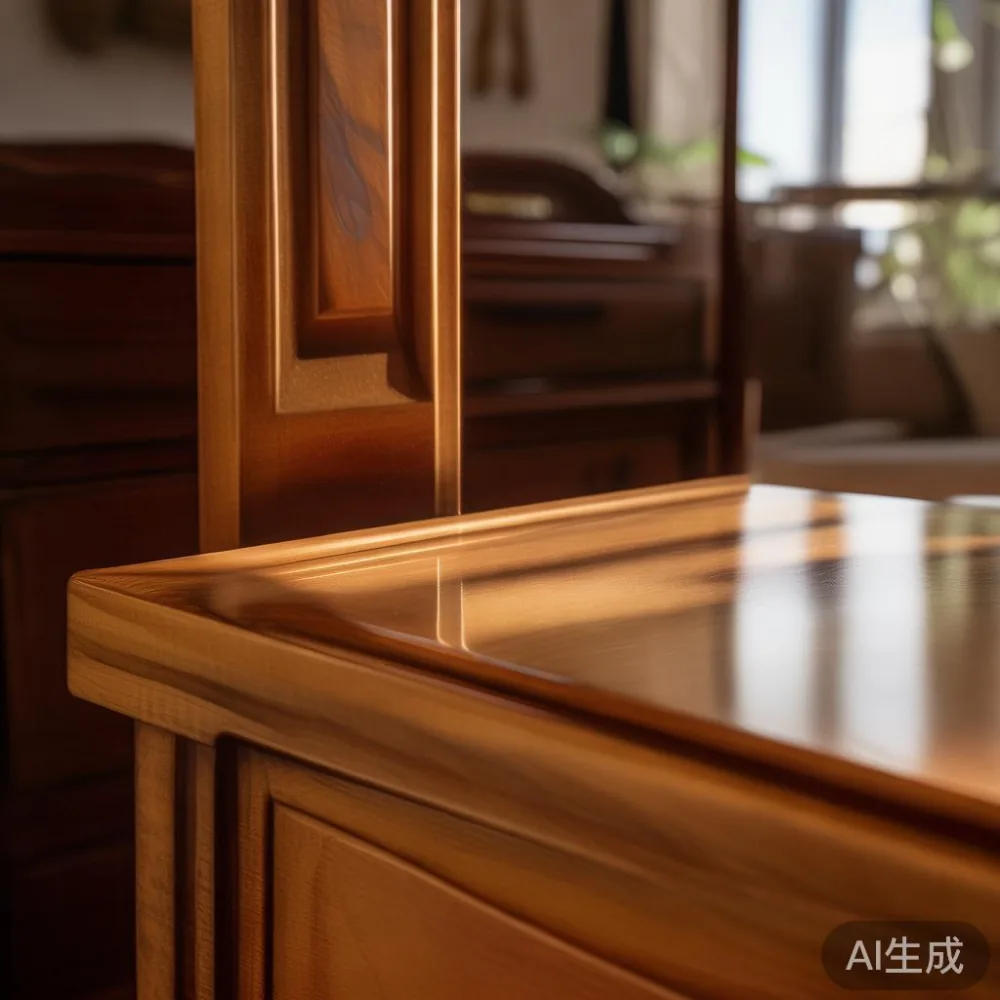
This guide explains how to protect a lacquered nightstand in a tropical climate without turning care into a demanding routine. It covers condensation, UV exposure, cleaning, coasters, lacquer repair, and the small layout details that matter in Singaporean homes. MIDHILL designs solid wood furniture around practical use and long-term ownership, including lacquered surfaces backed by a 10-year structural warranty and a lifetime refinishing service.
For shoppers comparing nearby pieces, a French provincial dining table may be the visual anchor of the dining room, but the bedside table often needs the most disciplined care because it receives moisture and abrasion in a concentrated 45 cm space. The advice applies equally to a compact nightstand in a studio unit and a larger version in a family condo.
What makes lacquer vulnerable in Singapore?
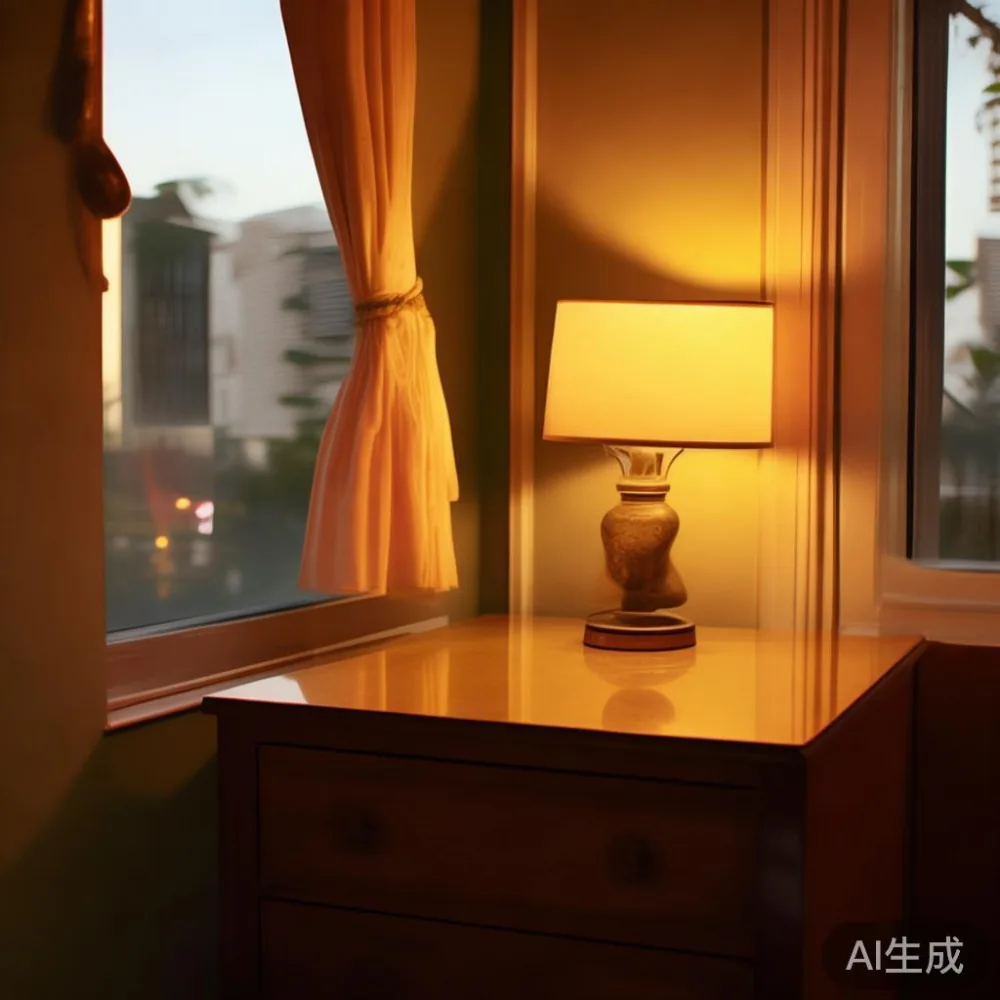
Lacquer creates a thin, polished skin over the nightstand’s wood or engineered core. That skin can look more uniform than bare timber, making small scratches easier to overlook and heat marks more conspicuous. Singapore’s outdoor conditions can move between 25°C and 34°C, while relative humidity may range from roughly 60% to 90% during wet periods. Air-conditioned interiors are usually drier, often around 45%–60% relative humidity, so a nightstand can encounter two different moisture environments in the same day.
Humidity does not automatically ruin lacquer. The risk comes from repeated swelling and contraction of the underlying material, prolonged contact with water, and abrupt temperature changes. A cup placed on an untreated surface can leave a ring in about 20 minutes if condensation forms beneath it. Direct afternoon sun through an east-facing HDB window can warm a dark lacquer above 40°C, accelerating softening, fading, and microscopic cracking. Coastal air in Bedok and Tampines may also carry airborne salt and dust that settle on the finish.

Placement matters. Keep the nightstand at least 30 cm from an air-conditioning vent when possible, and at least 60 cm from an unshaded window. Do not place it against a damp exterior wall or directly beneath a water dispenser. These distances cannot always be achieved in a compact Punggol bedroom, but a simple tray or closed cabinet door can provide a buffer during monsoon nights.
Lacquer is also vulnerable to alkaline cleaners, alcohol-based sprays, abrasive pads, and nail polish remover. A cleaner that appears mild can still haze the surface after repeated use. The safest routine uses a soft cotton cloth, lukewarm water, and one drop of pH-neutral dish detergent in a 250 ml bowl. Avoid spraying cleaner directly onto the nightstand.
How should I clean a lacquered nightstand without damaging the finish?
Start by removing loose dust with a dry microfiber cloth. Then dampen a separate soft cloth with water mixed with a small amount of pH-neutral detergent. Wipe in the direction of the grain, using light pressure, and immediately dry the surface with a clean cloth. The aim is to dampen the cloth, not flood the lacquer. A 10 cm cloth should hold only about 5 ml of cleaning solution.
For sticky residue, do not scrape it with a knife or scrub it with steel wool. Place a slightly damp microfiber cloth over the spot for 3 minutes, then wipe gently. Isopropyl alcohol can work on some modern lacquers, but it may soften an older or solvent-based finish. Test any solvent on a 2 cm area hidden behind the nightstand for at least 24 hours before use.
Spills should be treated promptly. Wipe water upward rather than pushing it into a joint. If a drink has entered a seam or drawer runner, remove the contents and dry the area for 24–48 hours with good room ventilation. Do not use a hair dryer on the hot setting; warm airflow at a distance of at least 60 cm is safer. A moisture meter placed against the side panel can help confirm drying, with readings below 10% treated as a reasonable target for wood in a bedroom.
Use a coaster under every drink, including water bottles and medication cups. A coaster should overlap the full base of the object, with at least 2 mm projecting beyond it. A silicone or neoprene layer is preferable to untreated cardboard, which can disintegrate and leave fibres. For a warm cup, a trivet rated for at least 100°C is a sensible safeguard. Replace a coaster that has become warped or deeply stained rather than stacking objects on it.
Should I polish a lacquered nightstand, or does it need more oil?
A lacquered nightstand does not usually need oil, wax, or furniture polish. Those products are intended mainly for bare wood or oil-finished surfaces. An overapplied oil can collect dust, penetrate joints, or create a patchy appearance. Polish can also leave a residue that makes the next cleaning more difficult. Unless MIDHILL supplies a product-specific care instruction for the exact finish, use a clean microfiber cloth rather than an oil treatment.
For routine maintenance, a dry cloth every 7 days and a damp cloth every 2–4 weeks is enough for an ordinary bedroom. Increase the frequency to every 3–5 days if the nightstand sits near a window, beside a sink, or in a home with pets. Wipe drink rings and fingerprints as they appear rather than waiting for a weekly cleaning session.
Small marks may be treated differently depending on their cause. A superficial fingerprint can often be removed with a barely damp cloth. A fine scratch may need a finish-matching touch-up, while a white ring caused by heat or moisture may require professional lacquer work. Deep gouges, lifting edges, and broad patches of dullness should not be covered with improvised wax. They are signs that the film has separated or degraded and should be assessed by a refinisher.
Keep writing instruments, keys, watches, and metal tools in a tray. Their edges create scratches that are easier to prevent than repair. A 20 cm by 15 cm tray can organise a bedside surface and give small items a defined boundary, which is particularly useful where the nightstand has only 30 cm of usable width.
How should I move and position a nightstand in an HDB flat or condo?
Measure before delivery, not after. A common HDB bedroom door is about 80–90 cm wide, while lift cars and internal lift doors may provide only 70–90 cm of usable opening. A nightstand should ideally enter through the doorway in its packed orientation with at least 5 cm of clearance on each side. Check corridor turns, skirting boards of about 10–15 mm in height, and tight turns near the bathroom or main entrance.
Lift the nightstand rather than dragging it. Remove the drawer if the manual permits, wrap the body in a blanket or moving pad, and secure the drawer separately. Two people should carry a piece weighing more than 20 kg. Avoid pulling it across a tiled floor, because grit trapped underneath can scratch both the lacquer and the tile.
Singapore’s GST-inclusive pricing also affects replacement decisions. A modest lacquered nightstand may be priced around SGD 399–899 before any delivery charge, while larger versions can reach SGD 1,200–2,000. A new piece with equivalent solid wood construction, drawer hardware, and finish quality should be compared by total cost rather than sticker price alone.
Position the nightstand where air can move around it. Against a side wall is acceptable if at least 5 cm remains behind the unit, but a gap of 10 cm is better. Avoid placing it directly against a cold return-air grille. If a bedside cabinet must sit close to a bathroom door in a Punggol flat, consider a finish with a more forgiving surface or place a slim protective mat beneath it without trapping moisture.
For broader room planning, a French provincial dining table or a European light luxury bed vs Mid-century modern bed comparison is usually a question of proportion rather than climate care. In both cases, leave 60–75 cm around the bed for circulation and place the nightstand within reach of the bed without wedging it into a humid corner.
What should I do if the lacquer gets scratched, stained, or peeled?
Assess the damage before choosing a repair method. A scratch that catches a fingernail may have broken through the film, while a line that disappears under a fingertip may be only a surface scuff. A stain needs to be identified first: water leaves a pale ring, heat creates a white or brown haze, and chemical damage may appear as dull, irregular patches.
For minor scuffs, start with a clean cloth and lukewarm water. If that does not work, use a finish-compatible product supplied or approved by the manufacturer. Test it on a hidden section for 3 days. Always work along the grain with a soft cloth, and allow the repair area to remain untouched for 24 hours. Rushing the process can leave a visible halo around a 5 cm repair.
Do not apply paint from a touch-up pen unless the colour and sheen match the lacquer. A low-sheen pen on a high-gloss surface can be more noticeable than the original scratch. For lifting lacquer, blistering, or a scratch longer than 10 cm, professional treatment is the sensible route. Sanding too aggressively can expose the base coat or the wood itself.
MIDHILL offers lifetime refinishing, which can be valuable after years of use. Confirm whether the service covers lacquer, what documentation is needed, and whether collection is available in Singapore. Structural integrity and cosmetic wear are different issues; a 10-year structural warranty does not mean that every scratch or spill will be treated as a structural defect. Get the finish condition recorded before requesting work.
How often should a lacquered nightstand be inspected?
A 5-minute check every month is useful, especially from April to October when Singapore experiences more rain and higher humidity. Look under coasters, around drink rings, along drawer edges, and near the air-conditioner vent. Check the underside for dampness and the rear panel for insect trails or mould. Keep the room between 40% and 65% relative humidity where the building system allows, and consider a hygrometer placed near the nightstand rather than against an exterior wall.
Inspect before guests arrive and after hosting periods. A glass left overnight can create condensation by morning, while oily hand cream transferred from a doorknob can become embedded in the finish. If a stain appears, clean it within 24 hours. For nightly-use homes, replace the surface cloth every 2–4 weeks and wash it without fabric softener, which can leave a film on the lacquer after the cloth dries.
Many furniture decisions are linked across a home. A solid wood sofa, dining table, wardrobe, or marble table may share a finish family with the nightstand, but each material has different tolerances. A marble table can tolerate heat differently from lacquer, and an oiled wardrobe panel should not receive the same cleaner as a lacquered bedside unit. Product-specific instructions should take priority over a general rule.
For compact storage, a Mid-century modern with storage design can provide useful reference points for drawer clearance and internal organisation. Keep pens and cables away from moving runners, and avoid overfilling a drawer by more than 3–5 kg. This reduces strain on the nightstand’s hardware and makes routine wiping easier.
Can a lacquered nightstand suit Singapore’s light-luxury interiors?
Lacquer suits many light-luxury interiors because it reflects light softly and gives a controlled contrast to solid wood. French light luxury often pairs pale timber, muted upholstery, and fine metal details; a lacquered nightstand can support that language without looking heavily ornate. American light luxury and post-modern light luxury can use a cleaner nightstand as a visual pause beside a substantial solid wood bed frame.
The finish should feel proportionate to the room. Gloss lacquer can amplify fingerprints in a bright HDB bedroom, while a satin finish may be easier to maintain. Warm brass pulls, smoked glass, and pale oak create one atmosphere; black lacquer and walnut create another. Neither is automatically superior. The more practical test is whether the selected nightstand fits within 5 cm of the bedside edge, allows a charger to pass behind it, and can be wiped without touching bedding.
Material claims deserve attention during purchase. Ask whether the carcass is solid wood, how the lacquer is applied, how many coats are used, and whether a replacement drawer front is available. A credible seller should be able to explain finish care in writing. MIDHILL’s Foshan factory background and experience since 2008 can provide useful context, but local after-sales arrangements still matter. Confirm the exporter’s Singapore delivery time, return window, and warranty process before paying.
For example, a buyer searching for under 2000 Minimalist furniture may compare a complete bedroom set with a standalone nightstand. A set priced below SGD 2,000 should still have clear dimensions, drawer specifications, and finish details. If MIDHILL dining table wholesale information is being used to coordinate a project, request the same care documentation for every lacquered or solid wood component.
Online guides may use phrases such as best Boho sofa for 2026, but a tactile material trend does not change moisture physics. The sofa, bed frame, wardrobe, dining table, marble table, and nightstand should each be specified according to use. A statement about the European light luxury bed vs Mid-century modern bed is equally secondary to checking the bedside cabinet’s finish and position against moisture sources.
Buyers should also account for delivery. MIDHILL provides free shipping on orders over US$350, which is shown in US dollars for international transactions, while local purchases should be confirmed in SGD because GST treatment and freight arrangements vary. Allow about 7–14 business days for production and dispatch, plus 3–10 days for regional delivery to Singapore. Returns are accepted within 14 days under the stated policy, so inspect packaging and finish promptly after arrival.
What is the simplest care routine for a tropical bedroom?
Use a coaster under every drink, keep the nightstand 60 cm from direct window light, wipe spills immediately, and clean with a barely damp cloth every 2–4 weeks. Check behind the unit every month for dampness, and inspect the finish twice each year. Do not oil lacquer, use abrasive pads, or place a hot cup directly on the surface.
These habits preserve a nightstand through repeated cycles of heat, condensation, and contact. The goal is not a showroom surface untouched by life, but a bedside piece that can handle ordinary use while retaining the clean character associated with French light luxury, American light luxury, and post-modern light luxury design.