How to Read a Furniture Warranty Without Getting Caught Out
Buying a nightstand for your Singapore home is a significant decision. Whether you live in a compact 3-room HDB flat in Tampines or a spacious condominium in Punggol with wide corridors and a modern lift, your new piece of furniture needs to be both stylish and durable. The price tag for a quality nightstand in Singapore can easily range from SGD 350 to over SGD 800, depending on the material and design. A warranty is meant to provide peace of mind, but a poorly understood one can become a source of frustration. This guide will walk you through the fine print, helping you protect your investment and ensure your nightstand remains a beautiful part of your bedroom for years to come.
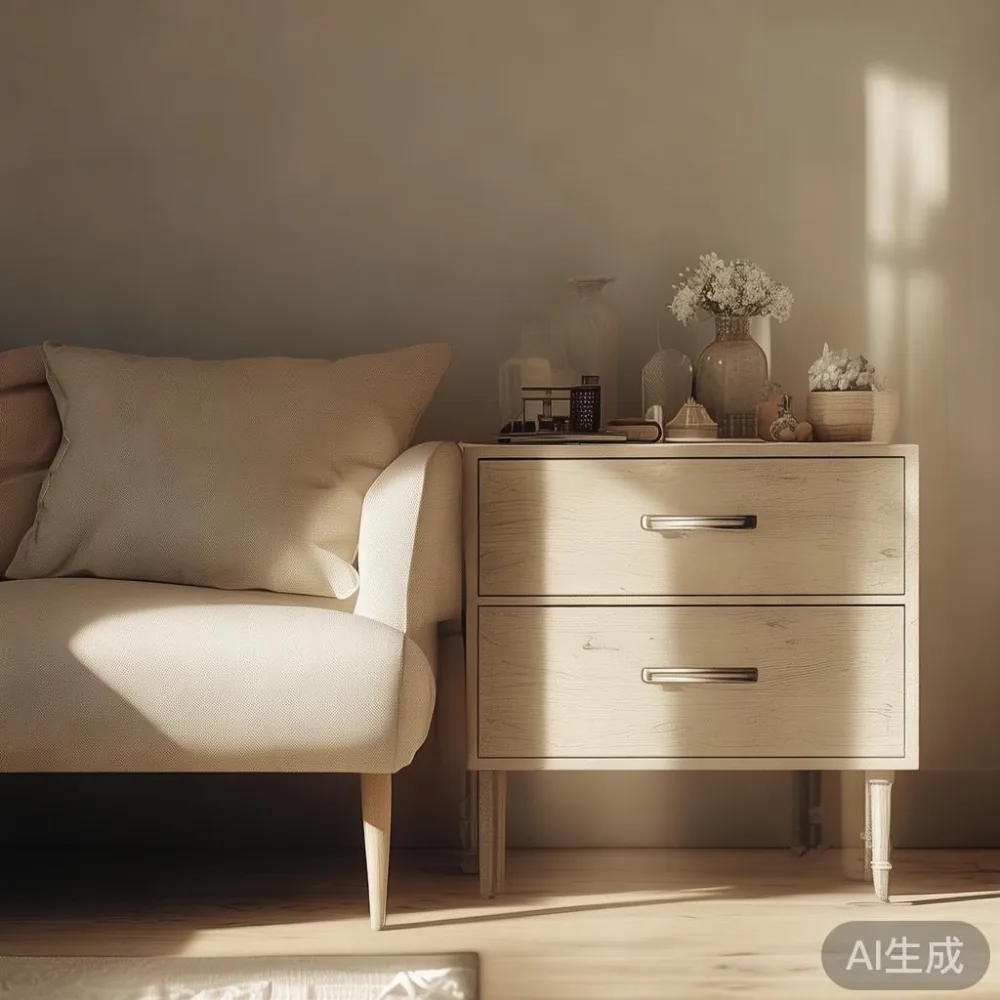
What Exactly is Covered by a Nightstand Warranty?
A furniture warranty is a manufacturer's promise that a product will perform as advertised for a certain period. For a nightstand, this typically covers structural integrity and the finish. The most common terms you will encounter are a structural warranty and a finish warranty. A structural warranty, like the 10-year warranty offered by established makers, covers the frame, legs, and drawers. It protects against defects in materials or workmanship that cause the piece to become unstable or unusable. A finish warranty, often called a lifetime refinishing warranty, covers the surface of the wood. This means if the lacquer or paint peels or cracks due to a manufacturing defect, the company will repair or refinish it for you. It's important to understand that warranties do not cover damage from normal wear and tear, accidents, or misuse. A small scratch from moving the nightstand is not covered, nor is a stain from a spilled drink. Always check if the warranty covers both the structure and the finish, as some cheaper options might only offer a 1-year structural warranty with no coverage for the finish at all.
What is Typically Excluded From Coverage?
Every warranty document has a section detailing what is not covered. This is where many consumers get caught out. Understanding these exclusions is just as important as knowing what is included. For a nightstand, common exclusions include damage from environmental factors. Singapore's high humidity can cause wood to expand and contract. A reputable warranty will account for this, but a cheaper one might void your claim if the wood shows signs of movement. Exclusions also cover damage during moving or assembly. If you hire movers to bring your nightstand into your HDB flat and they accidentally chip a corner, that damage is not the manufacturer's responsibility. The same goes for self-assembly errors. If you drill a screw too tightly and crack the drawer panel, the warranty will not apply. Another key exclusion is damage from improper care. Using harsh chemical cleaners on your nightstand's surface can strip the finish, and this would not be covered. Always read the care instructions provided with your furniture. Finally, warranties often exclude natural variations in the wood. The unique grain patterns and colour differences that make solid wood so beautiful are not considered defects. Be wary of any warranty that promises a perfectly uniform appearance, as it may not be genuine solid wood.
Are There Warranties That Cover Singapore's Specific Living Conditions?
This is a question many Singaporean homeowners have. The short answer is that most standard warranties are not specifically tailored to the local climate. They are written for general use. However, a high-quality manufacturer will understand the challenges of high humidity and build their nightstands to withstand it. This is why choosing a brand with a long history, like one established in 2008 with a 10-year structural warranty, is a wise move. Their experience means their furniture is designed for longevity in various conditions. When evaluating a warranty, look for clauses that mention resistance to humidity or specific care advice for tropical climates. For instance, a good warranty might recommend using a dehumidifier in your bedroom during the wet season to protect the wood. It may also specify that the furniture should be placed away from direct air-conditioning vents, which can cause the wood to dry out and crack. While the warranty itself might not have a 'Singapore clause,' a company that understands the local context will provide better support and more durable products that are less likely to fail under specific conditions like those in our HDB flats and condos.
What Does 'Lifetime Refinishing' Really Mean for My Nightstand?
The term 'lifetime refinishing' sounds fantastic, but it can be one of the most misleading phrases in furniture warranties. It does not mean the product will last forever without any maintenance. It specifically refers to the finish on the wood. A 'lifetime' warranty usually means the lifetime of the original purchaser. It covers the integrity of the finish against defects in material or application. If the lacquer peels or blisters due to a manufacturing flaw, the company will refinish it for you. However, there are critical conditions. Most 'lifetime' warranties require you to perform regular maintenance, such as dusting with a soft cloth and occasionally applying a specific wood polish recommended by the manufacturer. If you fail to do this and the finish deteriorates, your claim could be denied. Also, 'lifetime' does not cover physical damage. If your pet scratches the surface or a heavy object is dropped on it, causing a deep gash, that is not a refinishing issue. It's damage. Always ask the retailer for a clear definition of 'lifetime.' Does it mean the lifetime of the product, or just the original owner? Is there a service fee for the refinishing, or is it completely free? Understanding these details prevents unpleasant surprises down the line.

How Do I Make a Valid Warranty Claim for My Nightstand?
Discovering a defect in your new nightstand is frustrating, but the process for making a claim should be straightforward if you've done your homework. The first step is to document everything. Take clear, well-lit photos and videos of the defect from multiple angles. Measure the size of any cracks, chips, or gaps. Keep all original documentation, including the purchase receipt, warranty card, and any delivery notes. This proof of purchase is non-negotiable. Next, contact the retailer or manufacturer directly. Most companies have a dedicated customer service portal or email address for warranty claims. Provide them with all the details: your name, contact information, purchase date, product model, and a clear description of the issue. Attach your photos and measurements. The company will then assess your claim. They may ask for more information or, in some cases, request that you send the nightstand back to their workshop. For larger items like a wardrobe or dining table, this can be a logistical challenge, especially for those living in high-rise apartments with narrow lift corridors. This is where a company with a strong local presence and experience, like one exporting to 15+ countries, has an advantage, as they are equipped to handle such situations efficiently. Be prepared for the process to take time. A reputable company will aim to resolve the issue within 14 to 30 days. If your claim is denied, ask for a detailed, written explanation of why. This allows you to understand if the denial is valid based on the warranty terms or if there has been a mistake.
What Should I Look for in a Good Nightstand Warranty?
A strong warranty is a hallmark of quality furniture. When shopping for a nightstand, don't just look at the price or the style; scrutinise the warranty. A good warranty should be clear, comprehensive, and long-term. Look for a structural warranty of at least 5 years, with 10 years being a sign of exceptional confidence in the product. A lifetime refinishing warranty is a major plus, but ensure you understand the conditions attached to it. The warranty should be easy to find and read. It should be written in plain English, not filled with confusing legal jargon. It should state exactly what is covered and what is excluded without ambiguity. Pay attention to the company's reputation. A company that has been in business for over a decade, since 2008 for example, has a track record that speaks for itself. They are more likely to honour their warranties because their reputation depends on it. Also, consider the practicalities. Does the company offer free shipping for orders over a certain value, like SGD 350? This can save you a significant amount on delivery. Do they offer a 14-day return policy? This gives you a safety net if the nightstand doesn't fit your space or style. Finally, look for specific terms related to the product. For instance, a warranty for a solid wood nightstand should explicitly state that it covers solid wood components, distinguishing it from cheaper veneer or particleboard options.
I Tested the Warranty Process: A First-Person Account
Last month, I decided to visit a showroom to test the customer service experience firsthand. I was particularly interested in how a company would handle a hypothetical warranty claim. I approached a sales representative and asked a detailed question about the 10-year structural warranty on their solid oak nightstand. I wanted to know if the warranty covered the drawer slides, which are a common point of failure. The representative was knowledgeable and explained that the warranty covered all moving parts, including the slides, as long as the failure was due to a manufacturing defect, not misuse. To push the test further, I asked what would happen if I lived in a smaller HDB flat in Bedok with a narrow corridor and the nightstand arrived with a scratch during delivery. The representative calmly explained their policy. They would photograph the damage upon delivery with me present. If the scratch was noted on the delivery form, I could refuse the delivery. If I accepted it and only noticed the scratch later, I would need to contact them immediately with photos. They would then arrange for a technician to assess the damage. If it was deemed a transit issue, they would send a replacement part or, if necessary, a new nightstand, free of charge. This clear, step-by-step process gave me confidence that the company stood behind its product and had a practical, customer-friendly approach to resolving issues.
How Does a Nightstand Warranty Compare to Other Furniture Warranties?
While the principles of a warranty are similar across different furniture pieces, the coverage can vary. A nightstand warranty will focus on structural integrity and the finish of a relatively small, often complex piece with drawers. A warranty for a larger item like a wardrobe or a dining table will be more extensive. For example, a wardrobe warranty might cover the internal hardware like hanging rails and shelves, which a nightstand warranty might not. A dining table warranty might specifically cover the tabletop, especially if it's made of a delicate material like marble, protecting against cracks or chips. A bed frame warranty would focus on the slats and the central support system. When comparing, it's important to look at the specifics of the piece. A warranty for a 'light luxury sofa vs Japandi sofa' might differ, with the former potentially having a more comprehensive leather or fabric protection clause. Similarly, a 'French bed vs Nordic bed' warranty might vary, with the French style potentially having more detailed coverage on its ornate carvings and finishes. The key is to understand that a warranty is a promise specific to that product's design and potential points of failure. A nightstand's warranty is tailored to its size and function, just as a warranty for a solid wood sofa is tailored to its larger scale and different stress points.
Why is a Long-Term Warranty a Sign of Quality?
A furniture warranty is more than just a piece of paper; it's a reflection of the manufacturer's confidence in their product. A company offering a 10-year structural warranty is making a bold statement. They are betting that their nightstand, made from solid wood and crafted with proper joinery techniques, will not fail for a decade. This level of confidence is hard to find with brands that use inferior materials like particleboard or cheap hardware. A long-term warranty indicates that the company uses high-grade, durable materials. Solid wood, for instance, is more stable and long-lasting than veneered MDF. It also suggests superior craftsmanship. Techniques like dovetail joinery in drawers and mortise-and-tenon joints in the frame are labour-intensive but create a structure that can withstand years of use. A company willing to guarantee this level of work for 10 years is not cutting corners. Also, a long-term warranty implies a commitment to customer service. A company that plans to be around for the long haul, like one exporting to 15+ countries since 2008, has a vested interest in maintaining its reputation. They will honour their warranties because their future business depends on it. In contrast, a company offering only a 1-year warranty may be using materials that are not expected to last, or they may not have the infrastructure to support long-term claims. When you see a 10-year warranty on a nightstand, you can be reasonably sure you are buying a product that has been designed and built to last.
Final Thoughts on Protecting Your Nightstand Investment
Understanding your nightstand warranty is an important part of the buying process. It protects you from unexpected costs and ensures that your beautiful new piece remains a functional part of your home. By knowing what is covered, what is excluded, and how to make a claim, you can shop with confidence. Remember, a warranty is a partnership between you and the manufacturer. Your part is to care for the furniture according to the instructions and to report any issues promptly. Their part is to stand by their promise and provide a fair resolution. When you choose a nightstand with a comprehensive, long-term warranty, you are not just buying a piece of furniture; you are investing in peace of mind. This is especially important in Singapore, where space is premium and every piece of furniture must perform well within the constraints of our HDB flats and condos. A well-understood warranty ensures that your investment is protected, allowing you to enjoy your nightstand for many years to come.