How to Choose the Right-Sized Nightstand for a Singapore HDB Living Room
A nightstand can make a compact Singapore home feel more practical without crowding the room. In a Tampines, Bedok, or Punggol HDB flat, its job is simple: hold a phone, water glass, lamp, charger, and a few books within easy reach. The difficult part is choosing dimensions that suit the bedroom door, lift, corridor, and the narrow circulation routes typical of high-rise living.
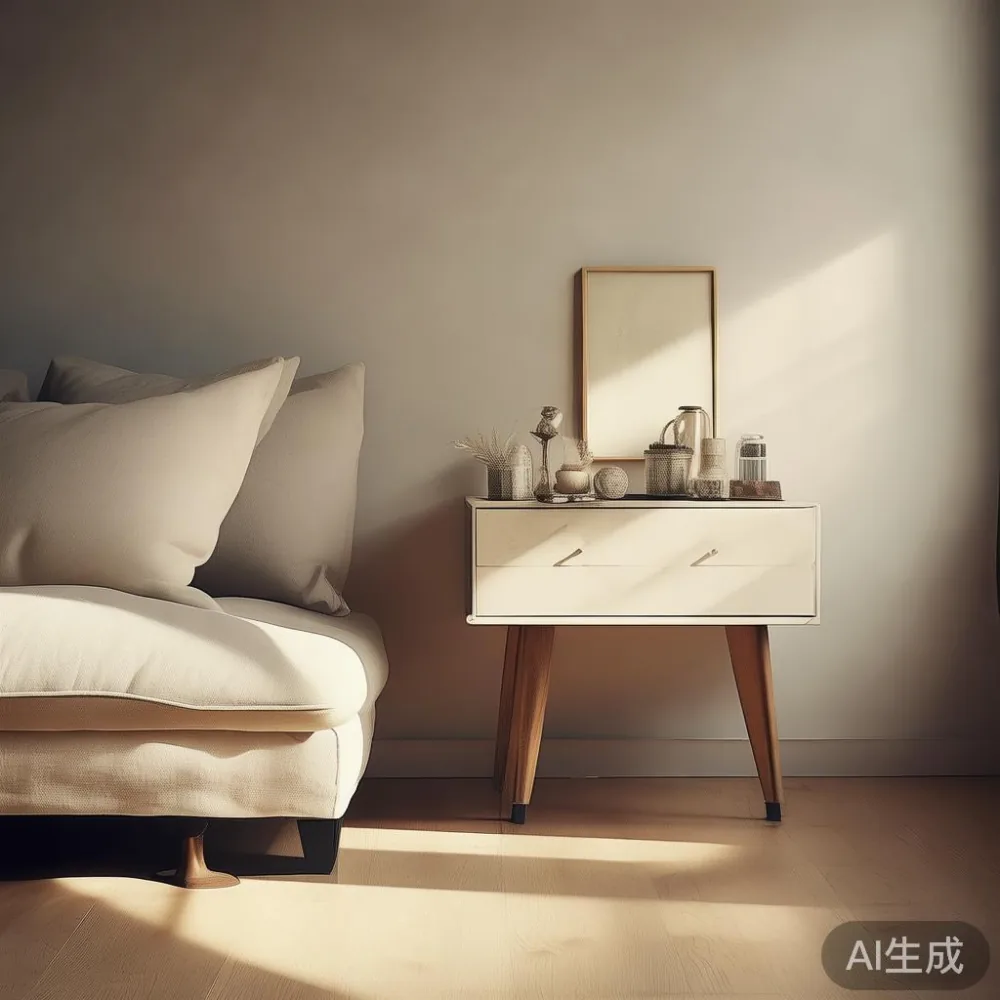
This guide focuses on size rather than decoration. It explains how to measure before ordering, how solid wood construction affects weight and clearance, and how to compare a nightstand with nearby furniture. Prices are shown in SGD, with GST of 9% included where stated.
What size nightstand fits a Singapore HDB bedroom?
The most usable nightstand for many HDB bedrooms measures about 40–50 cm wide, 35–45 cm deep, and 50–60 cm high. That range suits a double bed measuring 135 cm or 152 cm wide, while leaving enough space to walk past the bed and open its drawers. Width is not the only measurement. The nightstand should be narrower than half the bed width, or no wider than 60 cm beside a standard double bed.
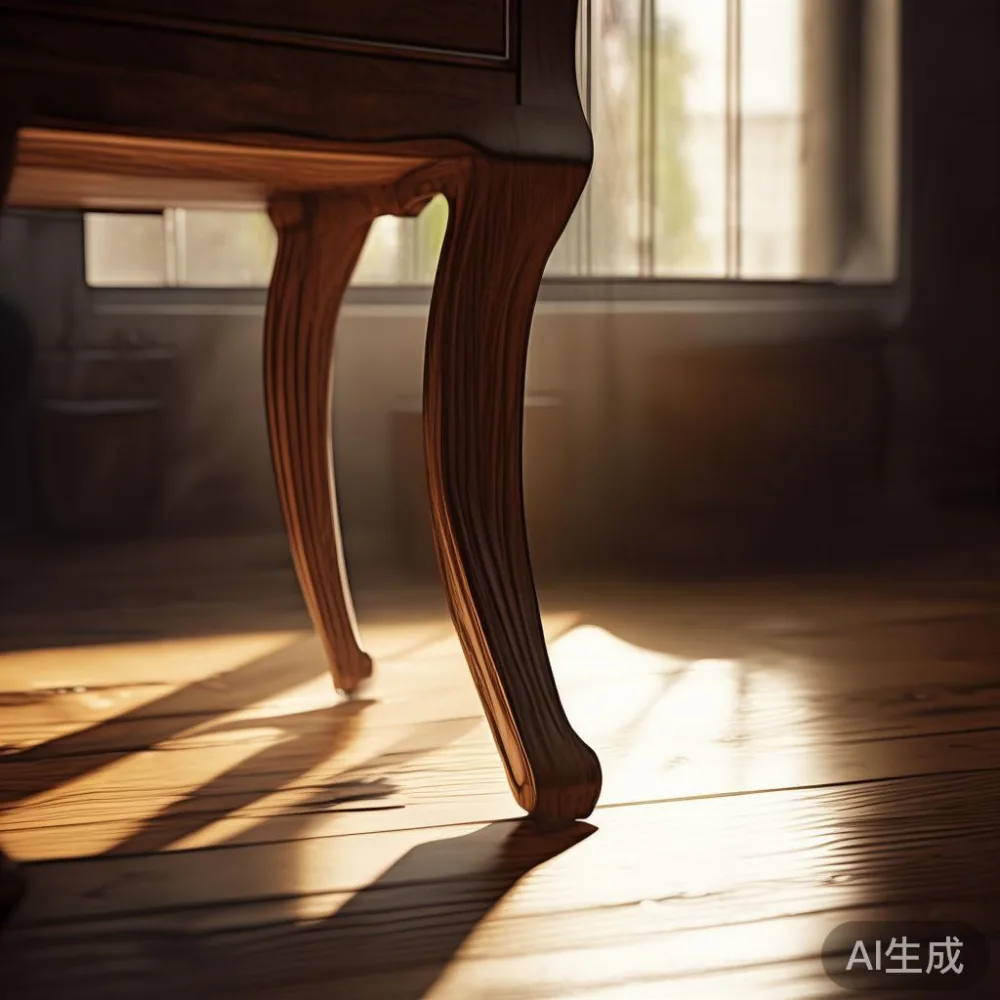
Depth deserves equal attention. A bedside cabinet at 40 cm deep can hold a charging cable and lamp without projecting too far into the room. A model at 50 cm deep may fit a larger drawer, but it can interfere with a wardrobe door, especially in an HDB bedroom where the bed sits close to built-in storage.
Height affects both comfort and visual proportion. A top between 50 cm and 58 cm is roughly level with many mattresses, making the surface convenient for a glass of water or phone. A 60 cm cabinet can work beside a higher bed frame, but it may look bulky if the mattress top is only 50 cm high.

For a Queen bed measuring 152 cm wide, one nightstand between 45 cm and 55 cm wide often creates a balanced arrangement. Two matching units are another option, although they require more floor space. In a compact HDB room, one wider nightstand may be more sensible than two narrow ones.
How should I measure the bed, wall, and door?
Begin with the bed and the intended nightstand position. Measure the mattress width from frame edge to frame edge, then measure the wall or headboard area where the cabinet will stand. Record the available width, depth, and height in centimetres. Do not assume that the visible gap beside the bed is the actual usable space; skirting, sockets, bed frames, and protruding hardware can reduce it.
Next, check the route from the HDB lift to the flat. Common residential lift doors are approximately 90 cm wide, with interior depths around 110–140 cm, though older and newer blocks vary. The corridor may be only 120–180 cm wide. A nightstand boxed at 55 cm wide and 48 cm deep can generally pass through a 90 cm lift opening if turned correctly, but measurement is safer than assumption.
At the flat entrance, measure the security gate, service door, and bedroom doorway. Remove shoes or other obstacles before testing the movement path. A rigid nightstand cannot be twisted like a flat-pack package, and its diagonal dimension matters if a landing turns are tight. Add at least 5 cm of maneuvering tolerance when the cabinet has legs or handles.
I tested this process last month during a visit to a Bedok flat. The resident had assumed that a 50 cm-wide solid wood nightstand would fit beside the bed. It was 54 cm wide and 44 cm deep, and the bedroom door opened directly toward it. After measuring, we found a 42 cm-wide model would clear the door swing and still hold a lamp and charger. The smaller cabinet also made the 3.4 m × 3.1 m bedroom feel less crowded.
Should I choose solid wood, veneer, or engineered wood?
Solid wood is useful in a Singapore home because it is stable, repairable, and visually substantial. Oak, ash, beech, and rubberwood are common choices. A solid oak nightstand may weigh 18–28 kg, while a smaller rubberwood unit may weigh 12–18 kg. Heavier cabinets feel secure, but they are harder to move upstairs or reposition during cleaning.
For a flat with a narrow corridor, consider a nightstand weighing no more than 18–20 kg if two people may need to carry it. Check whether the drawer runners are full-extension and whether the cabinet can be delivered assembled or in sections. MIDHILL offers solid wood nightstands with a 10-year structural warranty and lifetime refinishing, which can make maintenance less demanding over time.
Do not confuse solid wood with a solid veneer surface. Veneer can be appropriate when lower weight or a thinner profile matters, but its real value depends on the substrate, edge treatment, and joinery. Avoid particleboard in a humid room if the piece will sit near an open window or air-conditioning vent. Look for drawers that do not visibly sag under a 2 kg load and for back panels that sit firmly within the frame.
Price guidance in SGD: a compact engineered nightstand may begin around SGD 120, a solid rubberwood version around SGD 220, and a more finely finished solid oak nightstand around SGD 350–600. Prices can vary with timber, drawer hardware, and finish. Any displayed Singapore retail price should include 9% GST clearly.
How wide should a nightstand be beside a single or double bed?
For a single bed measuring 90–100 cm wide, a nightstand between 35 cm and 45 cm wide usually balances the frame without overwhelming it. Keep the cabinet no deeper than 40–45 cm where space is limited. In a studio unit or compact HDB flat, a 30–35 cm wide wall-mounted nightstand may work better than a floor model.
Beside a double bed, choose a width that does not make the bed appear unusually short. A 40–50 cm cabinet is generally easier to live with than one over 60 cm wide. If the bed is a king size measuring 180 cm or more, matching nightstands of 45–55 cm can look more intentional.
Proportion matters more than an exact rule. A small 35 cm nightstand beside a large bed can look deliberate if repeated on both sides. A 55 cm cabinet beside a narrow single bed can look disproportionately large. The goal is to create a usable bedside zone without reducing the clear path between furniture.
What should fit inside the drawers and on top?
Measure the internal drawer space, not only the external cabinet. A nightstand for a bedside phone, glasses, medication, and a book may need at least 30 cm of internal width and 28–32 cm of usable depth. A shallow drawer at 25 cm deep is convenient for small items but less suitable for a 27 cm laptop or tablet.
Check the top surface for stability. It should accommodate a lamp with a base around 15–20 cm wide and a water glass without wobbling. If a lamp requires a wide 25 cm base, choose a broader cabinet. A rear charging area with a cable opening is practical, but keep the opening away from the drawer path to prevent the cable from being pinched.
Storage capacity should follow the room. In a compact HDB flat, one drawer and one open shelf often provide enough space. For a larger condo bedroom, two drawers and a closed lower compartment can conceal power banks and cables. Avoid using the nightstand as a display shelf overloaded with objects; the surface needs room for daily use.
Nearby furniture can affect the choice. If the room also contains a solid wood sofa, bed frame, dining table, wardrobe, or marble table, coordinate the timber tone rather than forcing every piece to match perfectly. A light oak nightstand can sit beside a darker solid wood bed frame, provided the finish contrast remains controlled.
How do lift and corridor dimensions affect delivery?
Delivery fails most often because the seller measured only the final room, not the complete route. Provide the block number, floor, and flat number, then ask the supplier to confirm the packaged dimensions and estimated delivery days. Standard HDB delivery may take 3–7 working days after production or stock allocation, while made-to-order pieces may require 4–8 weeks.
Packaging adds size. A 45 cm-wide nightstand may be packed in a box measuring 60 cm wide and 12–18 cm deep for protection. The package should still pass through a typical lift doorway, but protruding handles and diagonal turns can complicate the route. For a large solid wood unit, ask whether the legs are detachable. This can reduce both the package size and lifting effort.
Insured delivery may cost around SGD 25–80 within Singapore, depending on the lift level, distance, and item size. Some suppliers offer free delivery above a purchase threshold such as SGD 350. Compare the total landed cost rather than the furniture price alone.
Check the cancellation and return terms before purchase. A 14-day return period is useful for a finished nightstand, provided the piece remains unused and in its original packaging. Custom-sized units may be excluded. Singapore purchases should show the 9% GST breakdown on the receipt.
Can a nightstand work in a French, American, or post-modern room?
Yes. The cabinet’s size should serve the layout first, while its profile supports the interior style. French light luxury often pairs curved edges, pale timber, slender brass-toned hardware, and restrained detailing. A 45 cm-wide nightstand with a 50 cm height can fit that setting without looking oversized.
American light luxury tends to use cleaner lines, darker timber, symmetrical arrangements, and substantial hardware. A wider 50–55 cm solid wood nightstand may suit a larger master bedroom in a Punggol condo, while a smaller unit keeps the room calm. Post-modern light luxury can accept a compact geometric cabinet with softened corners or an unusual drawer shape, provided the footprint remains restrained.
One useful comparison is European light luxury sofa vs French provincial sofa, but the same proportion logic applies to the nightstand. A carved provincial cabinet next to a highly ornamented sofa can overwhelm a small room. A simpler bedside piece provides balance. For wider style research, phrases such as Post-modern for small living room and how to choose French wardrobe may help define the mood, but measurements still determine whether the nightstand functions.
Use the bedroom as the reference point. A Modern light luxury coffee table may work in the living area, while the bedroom cabinet should echo its timber tone more than its exact design. Similarly, how to style Japandi bed in room benefits from low visual clutter; a pared-back nightstand with one drawer and a clean top suits that approach.
What are the common sizing mistakes?
The first mistake is buying from the empty room instead of the measured room. A nightstand may fit the wall position but block the door, wardrobe, or corridor. The second is focusing on width while ignoring drawer extension. A 40 cm cabinet with full-extension drawers can occupy 60–70 cm when open.
The third mistake is choosing a tall cabinet for a low bed. This creates a visible height mismatch and may cause the user to reach upward rather than sideways. Keep the surface within roughly 15 cm of the mattress top where possible.
The fourth mistake is assuming a corridor wider than the lift entrance. The lift is usually the tighter point. The fifth is selecting a heavy model without checking whether the stairs, landing, and bedroom threshold can accommodate its dimensions and weight.
There is also a style-related mistake: buying a nightstand too ornate for the room. If the bed already has a shaped headboard, select a simple cabinet. If the bed is plain, a lightly detailed model can add character. Keep the furniture palette to 2–3 main finishes within one visible area.
How can I check the product before ordering?
Request the external dimensions, internal drawer dimensions, weight, timber species, finish, and packaging measurements. A reliable product page should also clarify whether the quoted figure is the bare cabinet or the packaged size. Compare these figures with your measurements and note the narrowest point on the delivery route.
Look for clear photos of the drawer, joints, underside, and rear cable opening. Reviews can reveal whether the stated dimensions are accurate and whether the finish changes noticeably in daylight. A practical warranty should cover structural failure for 10 years, while lifetime refinishing helps restore scratches or worn surfaces over a long ownership period.
MIDHILL’s product information and support channel at midhill.co are useful points of reference for exact dimensions and delivery arrangements. Confirm the Singapore delivery quotation before payment, and retain the receipt for warranty service.
The right nightstand for a Singapore HDB living room is not the largest cabinet that fits. It is a piece whose width, depth, height, and weight work with the bed, door swing, lift, corridor, and daily storage needs. Measure in centimetres, check the complete delivery route, select solid wood where durability matters, and allow the cabinet to support the room rather than dominate it.