Nightstand Costs After 5 Years: Veneer vs Solid Wood in Singapore
Choosing a nightstand for a Tampines HDB flat, a Bedok condo, or a compact Punggol bedroom often comes down to two figures on the showroom ticket. The larger question is what the piece will cost after five years of daily use, including scratches, humid air, cleaning, repairs, and eventual refinishing. Veneer can be a sensible choice for some homes, while solid wood suits buyers who prioritise long-term material integrity and a surface that can be renewed. This comparison looks at a 55 cm wide nightstand in practical Singapore dollars, with GST included.
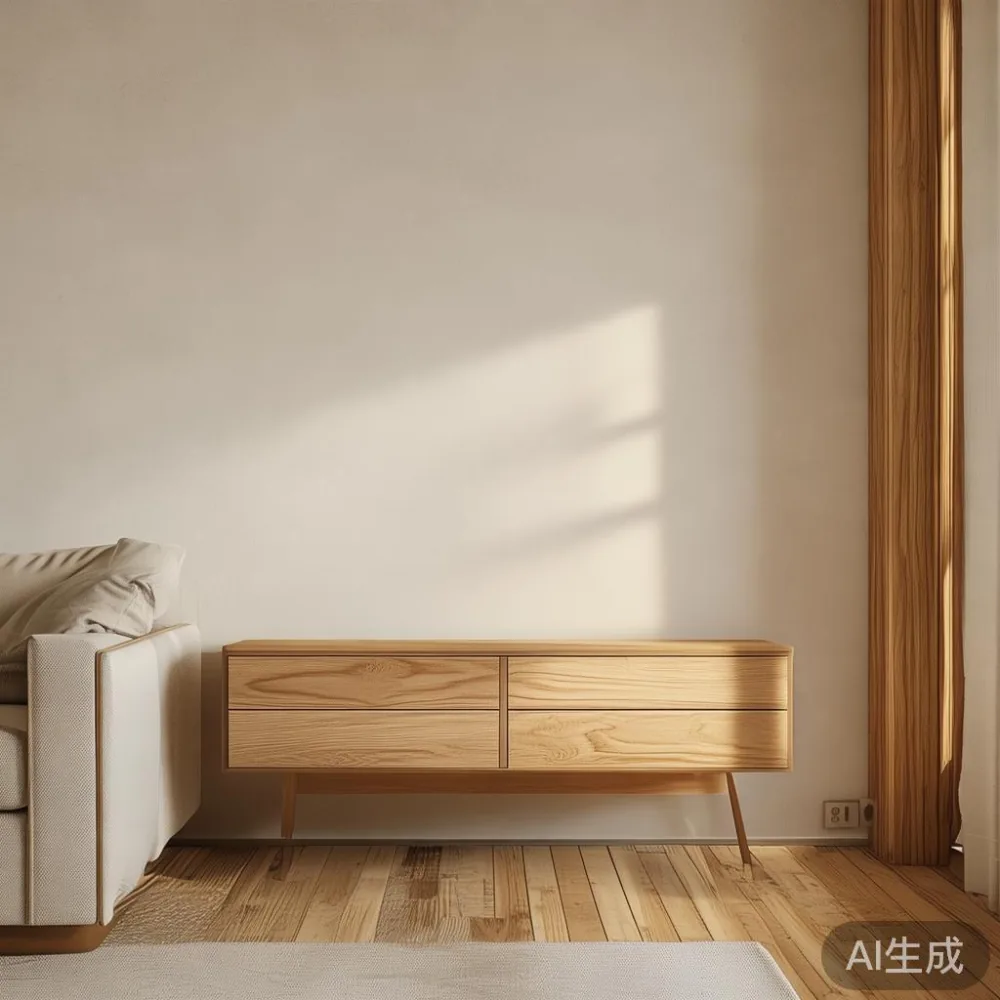
MIDHILL is a Foshan solid wood furniture maker established in 2008. Its furniture reaches more than 15 countries, carries a 10-year structural warranty, and includes lifetime refinishing on applicable solid wood pieces. Singapore customers also benefit from free shipping above US$350 and a 14-day return period. These details matter because a five-year comparison should include service life and ownership, not merely the checkout price.
What are the real differences between veneer and solid wood nightstands?
A veneer nightstand uses a thin layer of timber, usually 0.6 mm to 1.2 mm, bonded to engineered board such as MDF or particleboard. A common 55 cm by 40 cm model weighs about 14 kg to 19 kg. A solid wood nightstand of similar external dimensions may weigh 24 kg to 34 kg, depending on whether it uses rubberwood, oak, ash, or another timber.
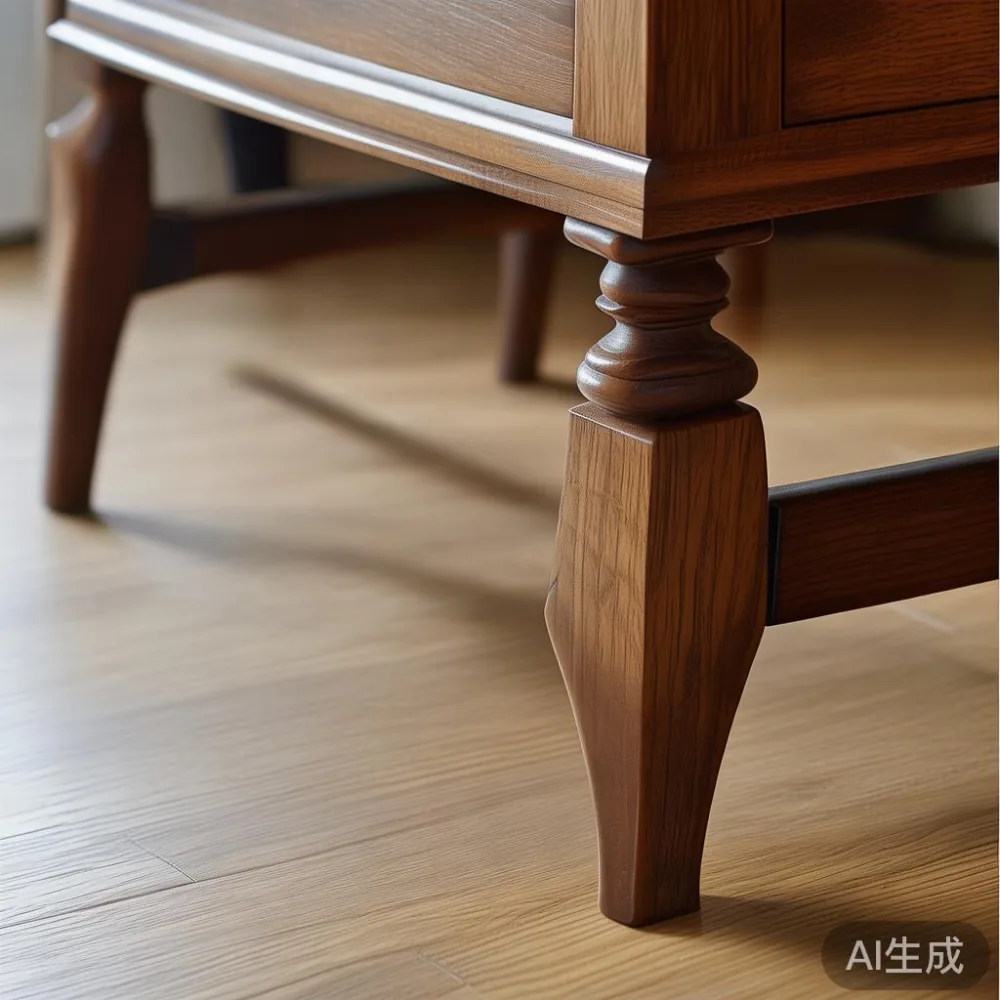
That extra mass can make installation awkward in a Singapore HDB block. A standard HDB bedroom door is commonly around 80 cm to 85 cm wide, while many condo doors are 85 cm to 90 cm. A 55 cm nightstand is manageable in most corridors, but diagonal clearance matters in narrower landings. Check the corridor width before ordering; a 70 cm lift may require the carton to stand no taller than 68 cm.
The material difference also affects repair. Veneer can chip at exposed edges and may show water swelling if the core board is exposed. Solid wood can scratch, dent, or split, but a 1 mm to 2 mm deep mark may be sanded and refinished. These are material characteristics, not a promise that either product is maintenance-free.
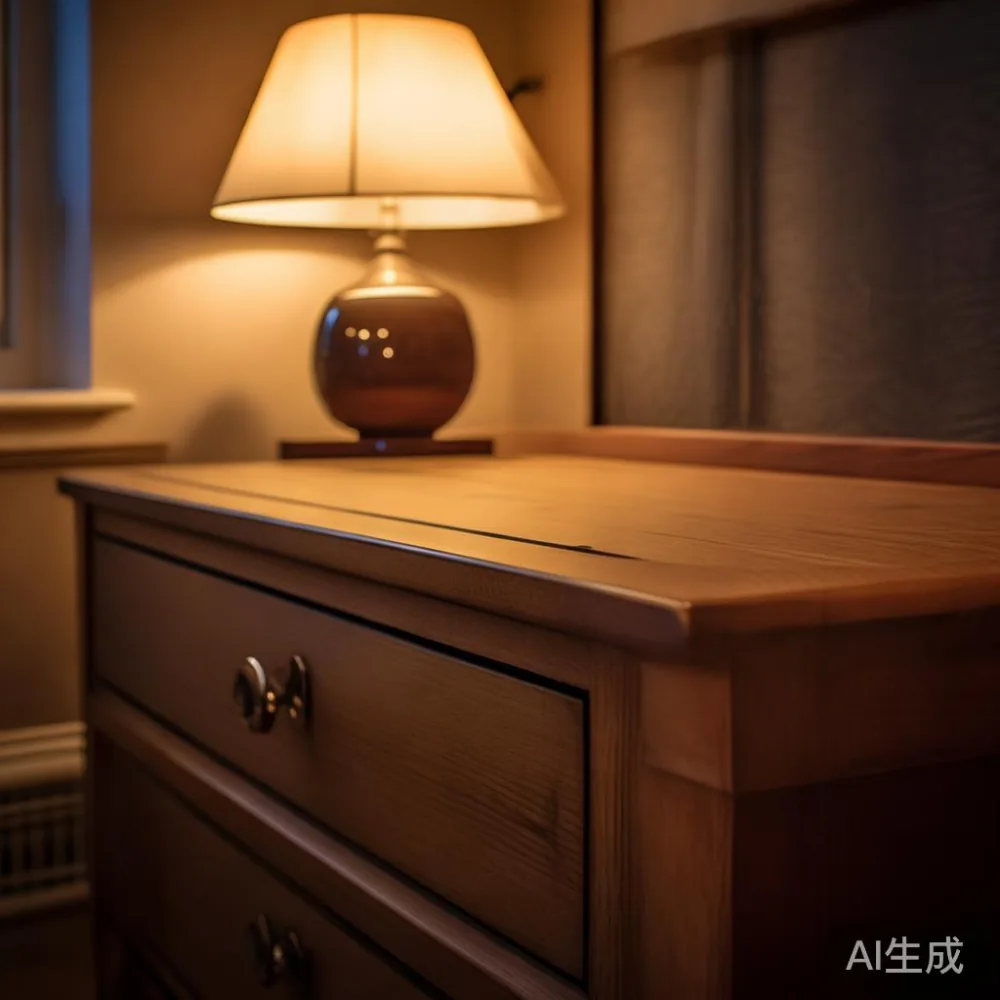
How much does a veneer nightstand cost over five years in Singapore?
For this comparison, consider a practical veneer nightstand priced at SGD 160 with 9% GST included. The initial outlay is therefore SGD 160. Add a replacement every four years at SGD 160, and the five-year gross purchase cost becomes SGD 320. This deliberately simple model assumes one replacement in year four, without counting delivery.
You may also pay SGD 25 for assembly if the unit arrives flat-packed, though many sellers include this service. A replacement is more likely in a family bedroom where the top receives frequent contact from books, phone chargers, water glasses, and luggage. Budget roughly SGD 60 to SGD 120 for a second unit in year four, including modest delivery within Singapore. The resulting five-year acquisition figure is SGD 245 to SGD 305 for the initial nightstand plus one replacement, or up to SGD 400 if two units are required during the period.
Cleaning costs for veneer are usually low. A damp cloth with diluted mild soap takes about 5 minutes. A specialist deep clean might cost SGD 45 to SGD 90. If the edge has swollen or the laminate has lifted, a local repair can add SGD 80 to SGD 180. Over five years, assume two professional interventions of SGD 100 each, giving an estimated ownership total of SGD 425 to SGD 585 for one replacement cycle.
This model does not suggest veneer is poor quality. It is designed to show why initial price and expected life must be handled separately. A SGD 160 nightstand replaced after four years is a valid outcome; the total is simply different from keeping one solid wood piece for the same five-year window.
How much does a solid wood nightstand cost over five years in Singapore?
A solid wood nightstand in the same 55 cm width range may start around SGD 390 with GST included. For light-luxury detailing, hand-finished edges, dovetail-style joinery, and a better-grade timber, expect SGD 590 to SGD 890. A representative comparison uses SGD 590, including VAT under Singapore's prevailing 9% GST treatment.
If the nightstand remains in service, the five-year purchase cost stays at SGD 590. A small refinishing service every 18 months may cost SGD 70 to SGD 140, including surface preparation and a clear coat. Four visits over five years add about SGD 280 to SGD 560. Add two professional cleaning sessions at SGD 80 each, and the estimated five-year ownership total reaches SGD 1,030 to SGD 1,310.
Refinishing can extend the useful life further, but the labour becomes noticeable. Sanding a top with visible marks takes roughly 90 minutes; a complete refinishing session usually requires 4 to 6 hours and at least 24 hours before the surface is handled carefully. An in-home technician may charge SGD 120 to SGD 220. Over five years, three visits at the midpoint of SGD 170 each create a more conservative total of SGD 1,100.
MIDHILL's lifetime refinishing policy can reduce repeat refinishing expenditure on eligible pieces, although transport and service terms should be confirmed for Singapore orders. Its 10-year structural warranty also gives owners a longer defined coverage period than the five years modelled here. For a bedroom nightstand expected to remain beside the same bed, that continuity has practical value.
Which option costs less after five years: veneer or solid wood?
Using the same assumptions for both options, veneer produces an estimated five-year cost of SGD 425 to SGD 585, while solid wood produces about SGD 1,030 to SGD 1,310. The solid wood premium is therefore approximately SGD 445 to SGD 885 over five years in this worked example. For one nightstand, the higher figure is less striking than for a large dining table or wardrobe because the surface area is smaller.
The comparison changes if two people use a shared bedroom and require two nightstands. Two veneer units can cost SGD 320 initially and around SGD 850 to SGD 1,170 after replacement, cleaning, and repair. Two solid wood units can cost SGD 1,180 initially and around SGD 2,060 to SGD 2,620 over five years. The absolute premium rises, but so does the number of surfaces that remain serviceable.
Delivery is another local factor. A cartonised nightstand should usually reach Singapore in 7 to 14 working days after dispatch, though customs and port schedules can extend the period to 21 days. A lift or corridor fee may be SGD 10 to SGD 35. For one flat-packed unit, the delivery cost can be absorbed in a normal furniture order. For two assembled units, reserve a loading bay and inform the driver about a 10:00 a.m. to 2:00 p.m. delivery window, when resident traffic and void-deck congestion may be lower.
Some HDB flats have a service lift with a door width near 70 cm. Check whether the nightstand can be carried in its carton or whether it must be separated. An assembled body can still fit diagonally, but a wide drawer may need removal. Ask for exterior carton dimensions, not only the product dimensions.
How do humidity, cleaning, and accidents affect the five-year bill?
Singapore's humid climate makes edge protection and finish maintenance important. Relative humidity in an air-conditioned bedroom may sit between 50% and 65%, while an unconditioned corner can experience higher fluctuations. Keep the nightstand 10 cm to 15 cm away from a wall where possible, and use felt pads under objects. Wipe spills within 10 minutes rather than leaving them overnight.
Solid wood tolerates seasonal movement better than many engineered cores because the timber can expand and contract across its grain. It can still react to persistent moisture, so avoid placing it beside an open bathroom or damp balcony door. Veneer performs well when the outer skin remains intact; repeated contact with water can weaken the adhesive bond at corners.
Accidental damage changes the calculation. A veneer replacement may be economical if the whole nightstand costs only SGD 160. A solid wood nightstand may be repairable at a fraction of replacement cost. A drawer runner replacement could add SGD 35 to SGD 80 in either case. A damaged solid wood top may require SGD 120 to SGD 220 in refinishing; a matching veneer panel may be difficult to source after four years because timber shade and grain batches vary.
Weight is worth considering during cleaning. Moving a 29 kg solid wood nightstand requires two people or careful planning, whereas an 17 kg veneer unit is easier for one adult to reposition. Before lifting, remove the drawer and loose objects. Protect the floor with a 2 mm pad, and use a furniture dolly rated for at least 40 kg.
Which nightstand fits HDB and condo bedrooms?
For a compact HDB bedroom, a nightstand measuring 45 cm wide by 35 cm deep by 55 cm high leaves useful floor space and fits beside beds with 50 cm to 60 cm bedside gaps. A 55 cm wide model feels more generous in a Tampines master bedroom but may crowd a narrow Punggol study. Drawer depth of 30 cm to 35 cm can hold a phone, book, and glasses without making the unit project into the walkway.
In a Bedok condo bedroom with a larger mattress and wider bedside allowance, a 50 cm to 60 cm nightstand creates more balance. French light luxury can appear here through pale oak, softened corners, and slender drawer pulls. American light luxury is more likely to use walnut tones, stronger profiles, and darker metal hardware. Post-modern light luxury works well with mixed materials, such as a timber carcass and a stone or marble top.
A marble table is a different category because marble tops add both visual weight and cost. A marble-topped nightstand may reach SGD 850 to SGD 1,600, and the 35 kg to 48 kg total weight can strain a narrow HDB corridor. A timber-only nightstand is easier to move and usually keeps the five-year repair bill more predictable.
Nearby furniture affects the perceived style. A French sofa, a solid wood sofa, or a French provincial accent chair does not need to match the nightstand exactly. Shared warm timber tones can connect the room without making it look uniform. For broad planning, the phrases French sofa vs French provincial sofa and French sofa vs Japandi sofa explain two distinct routes, but the bedside piece should still respond to the actual room dimensions.
What should a five-year owner consider before buying?
Ask the seller for the core material, veneer thickness, finish type, internal dimensions, and the full warranty scope. A vague claim such as “wood construction” is not enough. For solid wood, confirm whether the drawer fronts, side panels, back panel, and top are solid timber or whether some components are engineered board. For veneer, request photographs of the edges and any factory patching.
For the style plan, search for how to style French bed in bedroom if the bed has curved timber details, then repeat one colour rather than several competing patterns. A small room may still suit light luxury for small living room principles: pale surfaces, controlled contrast, and furniture with a light visual footprint. A nordic light luxury sofa can share the same oak or ash palette, although its larger scale deserves more clearance than a nightstand.
My own test took place last month when I visited a customer in Bedok and inspected a 55 cm solid wood nightstand that had moved between two bedrooms. The top carried a 0.8 mm scratch and a darkened ring about 18 mm across. After cleaning and light sanding, the refinishing work took 3 hours, and the repair was difficult to see. I could not duplicate a severe split or chipped veneer edge, so this observation supports repairability rather than claiming equal durability across every product.
On cost, a buyer wanting a low starting price should calculate replacement, while a buyer expecting to keep the furniture for 8 to 12 years should consider maintenance and refinishing. Solid wood usually carries the higher five-year total in this model, yet it offers a surface that can be renewed, stronger long-term ownership continuity, and the option to move it into a larger home. Veneer can suit a temporary bedroom, rental, or a child’s room where a complete replacement may be practical.
For a Singapore nightstand, the five-year decision is about expected retention as much as material category. Compare SGD 160 veneer with roughly SGD 390 to SGD 590 solid wood, confirm the dimensions against your bedroom door and lift, and keep a repair estimate near the product notes. A 14-day return window offers a final check: open the drawers, measure the carton, inspect the finish under daylight, and keep the nightstand in the room for a full week before accepting it.