How Humidity Affects Solid Wood Nightstands in Singapore Homes
Singapore’s climate can make a solid wood nightstand look more beautiful in the first few months, then create problems once the wood has settled into a humid HDB flat or condo. High humidity slows moisture loss, while frequent air-conditioning creates a repeated cycle of expansion, contraction and surface stress. The right response is not to treat wood as waterproof, but to control the room environment, choose a sound construction method and allow the furniture to acclimatise.
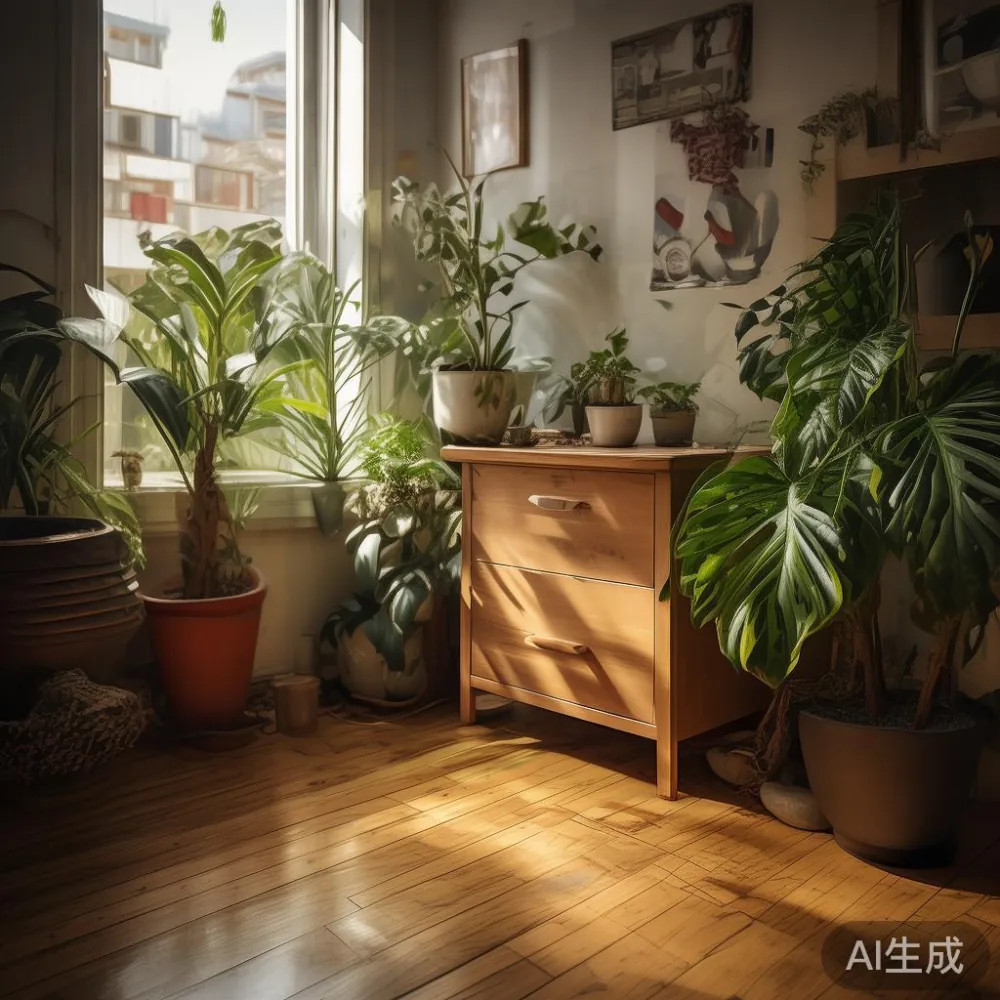
MIDHILL designs solid wood furniture for practical use while retaining the warmth of natural timber. For a nightstand, the important details include solid drawer boxes, well-fitted joints, smooth runners and a finish that can tolerate the humidity levels found in homes around Tampines, Bedok and Punggol.
Does Singapore Humidity Damage Solid Wood Furniture?
Yes, persistent humidity can affect solid wood furniture, especially an unfinished or lightly finished nightstand. Southeast Asia combines daytime humidity with year-round warmth and heavy monsoon moisture. In an un-air-conditioned room, relative humidity may remain around 70–85%. Indoors, an air-conditioner may bring the level down to approximately 40–60%, but doors, windows and ventilation introduce variation.
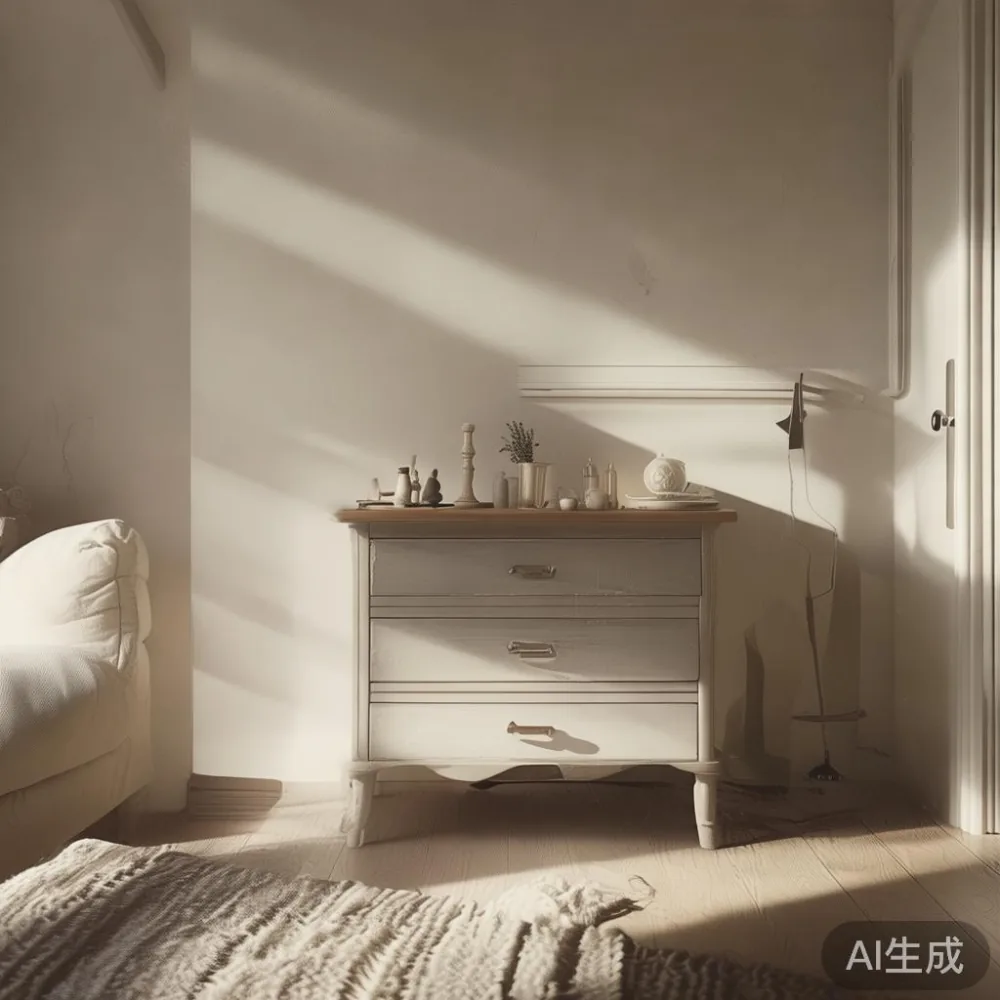
Wood is hygroscopic: it absorbs and releases moisture as the surrounding air changes. In practical terms, a nightstand may lose or gain moisture through its grain. If the drawer becomes tight during a humid week and looser after a dry afternoon, the cause is usually changing wood moisture content rather than defective hardware.
Repeated fluctuations can produce checks in the finish, movement around joints and warping in thin panels. Solid wood generally tolerates gradual change better than veneer or particleboard because the grain can expand and contract through the thickness of the board. Construction still matters. A drawer assembled with weak joints, oversized screws or a flat back can move more readily than a nightstand built with sound joinery.
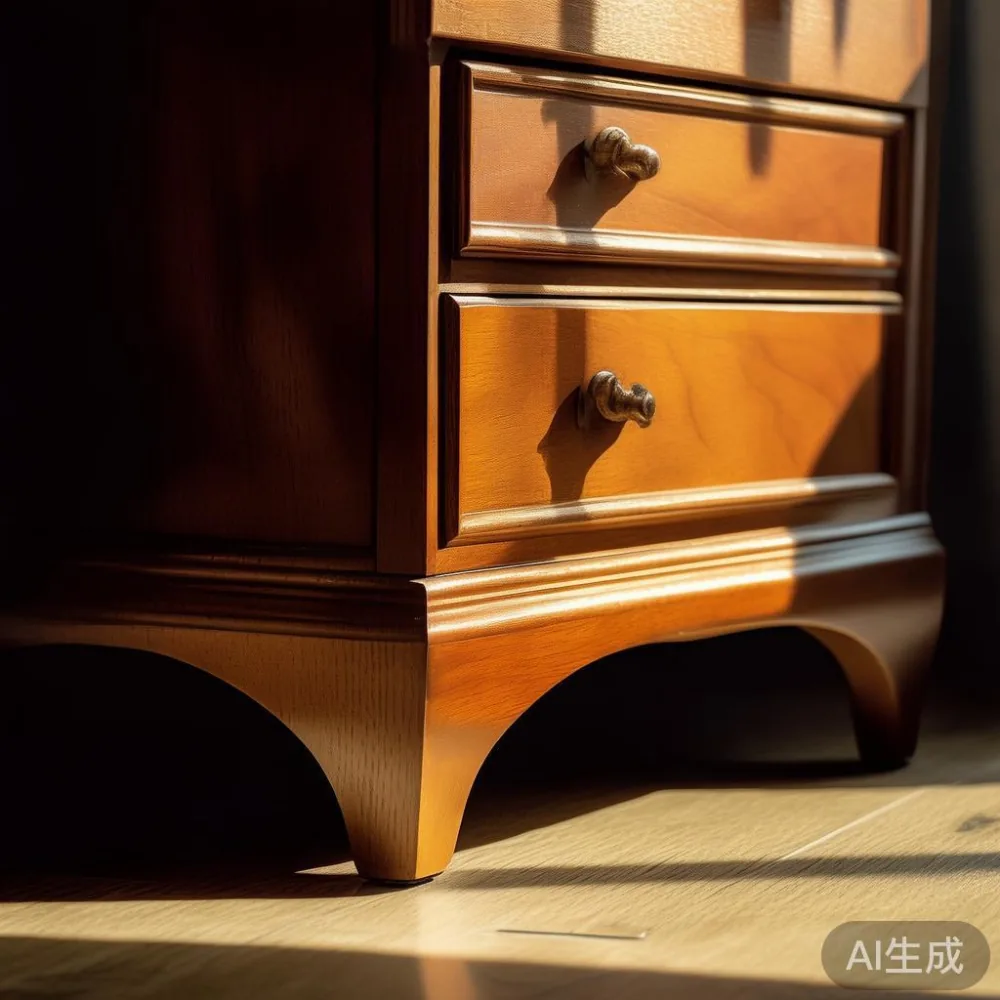
For furniture sold in Singapore, buyers should ask for the wood species, panel thickness, joinery and finish type. A 10-year structural warranty provides useful coverage for construction problems, but it does not mean the wood will remain dimensionally unchanged in a wet or poorly ventilated room.
How Much Humidity Should a Singapore Bedroom Have?
A reasonable target is 45–60% relative humidity, with small and gradual changes preferred. This range supports stable timber movement and reduces condensation risk. A hygrometer placed beside the nightstand is more informative than a general weather forecast because the bedroom may differ substantially from the corridor or balcony.
Check the reading in the morning and again at night for 7 days. Record 12 readings across the week and calculate the difference between the highest and lowest. A spread below 10 percentage points is preferable; a spread above 20 points indicates that the room is changing sharply and needs attention.
Condensation is a stronger warning sign than a high but steady reading. Watch for droplets around the window grille, a damp skirting board or a cool nightstand top. Water rings can also come from a glass, vase or bottle placed directly on the timber. Use a coaster with a base of at least 8 cm and keep drinks away from the rear edge.
Air-conditioning helps because it removes moisture from the air, but running it only when the room feels hot may create faster wood movement. A more stable approach is to use a sensible schedule, keep doors closed while cooling and avoid directing cold air directly against the nightstand. Singapore’s common 24°C room setting is generally more suitable for timber than an extremely cold 18°C room maintained for extended periods.
What Should I Do Before Bringing a Solid Wood Nightstand into My HDB Flat?
Allow the nightstand to acclimatise for 7–14 days before treating it heavily. Leave the drawers open for the first 24 hours, then close them after checking that they still move smoothly. Keep the piece away from a newly painted wall, a bathroom-adjacent laundry area or an exterior wall that remains damp.
For a new HDB flat in Tampines, measure the bedroom, lift doorway, stairwell turns and corridor before delivery. A compact nightstand of 40–45 cm wide may pass a lift door measuring 90 cm, but the turning space in older blocks can be tighter. A 50 cm model is still practical beside many 90–120 cm beds, although the delivery route should be checked.
Professional delivery usually takes 3–7 business days after confirmation in Singapore, with larger or fully assembled pieces potentially requiring 7–14 days. The delivery fee and GST should be stated clearly. For orders above US$350, MIDHILL offers free shipping, but the destination, customs and local handling arrangements should be confirmed before purchase.
Inspect the nightstand on arrival. Check the top, sides, drawer interior and back panel for moisture marks. Slide each drawer through its full travel and look for side-to-side clearance of roughly 3–5 mm. Tightness may change as the timber settles, but the drawer should not scrape or require force.
MIDHILL’s lifetime refinishing service addresses surface wear and finish renewal over the long term. It does not make the nightstand immune to environmental stress, so placement and humidity control remain the owner’s responsibility.
Which Wood and Finish Are More Suitable for Singapore’s Climate?
Hardwood species such as oak, ash, beech and teak have different responses, but species alone does not determine performance. Board density, grain direction, thickness and construction all influence movement. Teak performs well in humid conditions because of its natural oils, yet it can still darken, expand or check under severe exposure. Oak and ash have pronounced grain that may show seasonal movement more visibly.
A nightstand with 18–25 mm solid wood panels and well-fitted drawer boxes is preferable to a thin decorative shell. Drawer bottoms should sit in grooves, not rely on a single central screw. Back panels need enough clearance to move with the frame rather than forcing the carcass out of square.
Factory-applied finishes vary too. Water-based polyurethane, oil-wax and hardwax oil can suit different styles, while lacquer creates a sealed surface that is easier to wipe. The key is a complete, even coating on all faces and edges. Some pieces have only a top-coat on visible surfaces, which can allow moisture to enter through unfinished drawer interiors.
Light-luxury design should not mean neglecting maintenance. French light luxury often uses pale woods, moulded edges and refined hardware, while American light luxury favours generous proportions and a more relaxed finish. Post-modern light luxury can pair solid timber with clean lines, restrained colour and contrasting stone details.
For a bedroom, those aesthetics should still meet practical standards. Soft-close runners, a reinforced top and stable proportions matter more than elaborate decoration. If the room contains other timber furniture, coordinate the species and finish so the nightstand does not look visually disconnected.
Can Air-Conditioning Prevent Humidity Damage?
Air-conditioning controls moisture effectively, but ventilation and placement still affect a nightstand. Keep at least 30 cm of clearance from an exterior wall where possible, particularly in a ground-floor Bedok unit or a flat near the access deck. If damp is common, use a dehumidifier and maintain a drain hose rather than repeatedly running the air-conditioner at a low temperature.
Do not place the nightstand directly beneath a dripping air-conditioning condensate pipe or beside a window that remains open during the monsoon. A bedroom in Punggol may experience stronger solar gain in the afternoon. Curtains can reduce heat and moisture entering with outside air, while a bedroom with good cross-ventilation can dry after rain.
Cleaning requires restraint. Wipe the surface with a slightly damp cloth, then dry it immediately. Avoid household glass cleaner, alcohol-heavy products and silicone-based furniture polish unless the finish manufacturer confirms compatibility. A dry microfibre cloth handles ordinary dust; deeper cleaning should occur only after testing a small hidden area.
Leave breathing room around the piece. A nightstand should not be pushed tightly against a wardrobe, bed frame or wall if air cannot circulate behind it. Good airflow helps the finish dry after a wipe and makes early warning signs easier to notice.
How Do I Stop a Humid Nightstand From Sticking or Warping?
First, identify whether the problem is wood movement or mechanical binding. A seasonal drawer that becomes tight after 3–5 humid days may need adjustment once the room stabilises. Remove the runner, clean the channels and check whether screws have been driven too tightly. Do not plane or sand the drawer immediately after a humid night; the timber may return to its previous dimension.
If the top has bowed, place it under a stable load only after measuring the bow. For a 50 cm-wide top, a deviation of more than 5–8 mm across the panel warrants professional assessment. Small surface checks can be treated with a finish-compatible repair, while movement that splits a joint or opens a drawer gap is structural.
For replacement parts, document the room humidity, dry weight and date before requesting support. MIDHILL can use those observations to distinguish normal seasonal movement from a construction fault. Keep purchase records, care instructions and warranty documents in a single file or photograph them for easy reference.
The same environmental discipline applies to related furniture. A solid wood sofa or bed frame should sit on a level floor with sufficient airflow beneath it. A dining table near an open kitchen window needs protection from steam and condensation, and a wardrobe in a humid corner should not be sealed against the wall. A marble table is less responsive to humidity, yet its stone, metal fittings and surrounding wood still require sensible care.
Is a Nightstand the Only Solid Wood Item That Needs Humidity Care?
No. Every wooden piece responds to moisture, although the visible effect depends on construction and use. A dining table experiences spills, cleaning and long periods of indoor air. A wardrobe experiences door movement and pressure from clothing stored inside. A bed frame carries weight and may sit close to walls with limited ventilation. A nightstand is especially noticeable because drawers need consistent movement, and its top often holds water rings, lotions and electronics.
Some online comparisons can distract from this practical point. Buyers searching for a light luxury accent chair, a MIDHILL sofa or advice on how to style Japandi bed in room are choosing wider bedroom schemes, but the nightstand still needs the same environmental care. Likewise, a European light luxury sofa vs Mid-century modern sofa comparison concerns silhouette and comfort rather than moisture resistance.
Other buying guides use broad terms such as cheap Mid-century modern furniture or top 10 Japandi furniture. Price and style labels should not replace timber specifications. A lower-cost piece with weak joinery can move more than a better-built nightstand, while an expensive design still needs humidity control.
Buyers seeking the best European light luxury wardrobe for 2026 should check drawer or door tolerances, back-panel construction and whether all high-contact surfaces are sealed. For solid wood furniture in Singapore, the most useful specification is not only the species but also the actual moisture and finish system used.
What Is a Sensible Humidity-Care Routine for My Nightstand?
Check the hygrometer once a day for the first week, then 2–3 times per week during more humid periods. Keep readings between 45% and 60% where possible. Clean the top every 1–2 weeks, address spills immediately and inspect moving parts every 3 months.
At least once each year, inspect the underside, drawer runners, back panel and any area close to a wall. Tighten loose fittings only when the cause is clear. Over-tightening can restrict natural movement and create a worse problem. Renewing the finish at the first sign of roughness may protect the surface better than waiting until the wood is visibly worn.
Singapore’s climate makes careful timing important. Monsoon periods, new renovations and extended air-conditioning use can all change the moisture balance. A nightstand that arrived in good condition may need a week of controlled ventilation, not immediate sanding or lacquer repair.
MIDHILL combines solid wood construction with a 10-year structural warranty, lifetime refinishing and a 14-day return window. These services support long-term ownership, while good humidity management protects the material between refinishing cycles. Singapore’s warm, humid conditions do not make solid wood furniture impractical. They make measured care, stable indoor humidity and thoughtful placement part of normal furniture ownership.