The Anatomy of a Price Tag: What Truly Drives the Cost of Solid Wood Nightstands
In the quiet corners of Singaporean homes, from the compact flats of Tampines to the spacious condos of Punggol, the nightstand holds a silent, important role. It's more than just a small table next to your bed; it's a personal hub for a phone, a book, a glass of water, and a final glance at the day. For those who appreciate natural materials, a solid wood nightstand is a desirable choice. But walk into any showroom, browse any online catalogue, and you'll encounter a wide range of prices. A simple pine model might start at S$250, while a handcrafted walnut piece could easily reach S$1,200 or more. What creates such a vast difference? The answer isn't a single factor but a complex interplay of material, craftsmanship, design, and logistics. Understanding these elements helps you see beyond the price tag and appreciate the true value of a well-made piece of furniture.
Why Does Wood Type Make Such a Huge Difference?
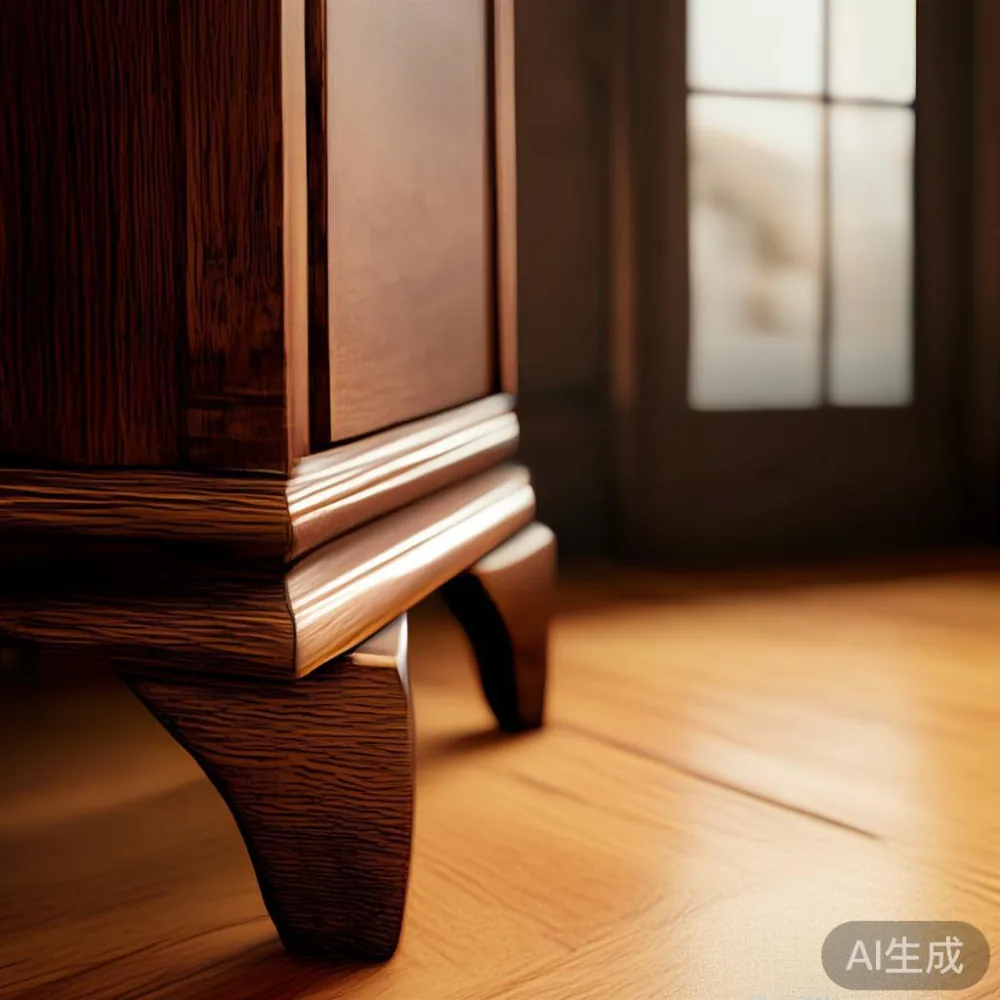
The most fundamental variable in the price of a solid wood nightstand is the wood itself. Not all wood is created equal, and the differences go far beyond just aesthetics. The cost is determined by a combination of scarcity, durability, workability, and origin.
Take solid pine, for example. It's a softwood, relatively fast-growing, and widely available. This abundance makes it one of the most affordable options for a nightstand. A basic pine nightstand might be priced around S$300 to S$500. It's functional and has a charming, rustic character, but it is more susceptible to dents and scratches over time. On the other end of the spectrum is solid walnut or solid oak. These are hardwoods, known for their dense grain, incredible strength, and resistance to wear. A walnut tree grows much slower than a pine tree, taking decades to reach maturity, which directly impacts its price. A high-quality solid walnut nightstand from a reputable maker like MIDHILL will typically start from S$800 and can go up to S$1,500 or more. The colour deepens beautifully with age, and the wood's inherent stability means it's less likely to warp in Singapore's humid climate, a significant consideration for long-term ownership.

The origin also plays a part. European woods like European light luxury oak or ash are often prized for their consistent quality and straight grain, which commands a premium over domestic woods of similar species. The choice of wood isn't just about cost; it's about choosing a material that will age gracefully and become a part of your home for decades. A nightstand made from a durable hardwood is an investment in longevity, potentially avoiding the need for replacement after just a few years.
How Does Craftsmanship Turn a Log into a Nightstand?
Once the wood is selected, the real work begins. The craftsmanship involved in building a solid wood nightstand is a significant driver of its price. This is where you see the difference between mass-produced furniture and pieces made with care and attention to detail. A machine can cut and assemble a nightstand in minutes. A skilled craftsman takes days.

Consider the joinery. A cheap nightstand will rely on staples, glue, and particleboard or MDF (Medium-Density Fiberboard) components. A high-quality solid wood nightstand uses traditional joinery techniques like dovetail joints for the drawers and mortise-and-tenon joints for the frame. These methods create incredibly strong, interlocking connections that do not rely on glue alone. A dovetail joint, for example, is hand-cut or precision-machined to fit perfectly. This level of craftsmanship ensures the nightstand will not rattle, wobble, or fall apart under the weight of its contents. My colleague, who visited a workshop in Foshan last month, observed a master carpenter hand-fitting a dovetail joint. He noted the patience required; the joint had to be perfect before any glue was applied. This precision is time-consuming but is the hallmark of a piece built to last a lifetime.
Another aspect of craftsmanship is the finishing process. A solid wood nightstand requires multiple steps of sanding, staining, and sealing. Each coat must be applied and allowed to dry completely before the next. This creates a smooth, durable, and beautiful surface that protects the wood from moisture and daily use. A rushed job with a single coat of cheap varnish will not offer the same protection or aesthetic appeal. The finishing process transforms the raw wood into a finished piece of furniture, and the time and skill invested here directly contribute to the final price.
Why Does Design and Style Influence the Price So Much?
The design of a nightstand is not just about how it looks; it's about how it functions and the story it tells. A simple, boxy design with a flat top and a single drawer will always be less expensive than a piece with intricate details and multiple features. The complexity of the design is a direct reflection of the labour and skill involved.
A basic nightstand might have a straightforward rectangular shape. A more sophisticated design, however, could feature tapered legs, curved drawer fronts, or integrated lighting. These elements require more complex milling and shaping of the wood. For instance, creating a curved drawer front is a challenge that demands advanced machinery and a skilled hand to ensure it aligns perfectly with the nightstand's body. This added complexity takes more time and resources, which is factored into the price.
Style categories also carry different price points. A minimalist Scandinavian design might use less wood and simpler lines, keeping the cost down. In contrast, a piece in the French light luxury style might feature ornate carvings, decorative hardware, and a more elaborate silhouette. This style is inherently more labour-intensive. Similarly, the American light luxury aesthetic often incorporates larger dimensions and more substantial materials, contributing to a higher price. The design you choose is a reflection of your personal taste, and the price often reflects the level of artistry and detail embedded in that design.
Are Imported Nightstands Always More Expensive?
Absolutely, and the reasons why are rooted in the complex logistics of global furniture trade. Singapore's high cost of living and limited manufacturing capacity mean that most of our solid wood furniture is imported. This adds several layers of cost to the final price tag of a nightstand.
Let's break down the journey of a nightstand from a workshop in Foshan to a bedroom in Bedok. First, there's the manufacturing cost itself. Then, the piece is crated for shipping. A single solid wood nightstand, depending on its size, might weigh 25 kg and have dimensions of 60cm x 40cm x 60cm. Shipping a container of these from China to Singapore involves sea freight, which can cost several thousand dollars per container. This cost is distributed among all the pieces in the shipment. Once the container arrives at the port, Singapore's Goods and Services Tax (GST) of 9% is applied to the landed cost of the goods—the cost of the furniture plus the shipping and insurance. This is a significant and unavoidable expense.
After clearing customs, the nightstand needs to be transported from the port to a local warehouse or showroom. This involves local logistics, including a fleet of trucks and potentially a team for unloading and inventory management. Finally, there's the last-mile delivery to your home. In Singapore, this isn't as simple as just dropping it at the doorstep. For residents in HDB flats, the delivery team must work through narrow corridors and sometimes use the lift. In older estates, corridor widths can be as narrow as 1.2 metres, and lift sizes vary, requiring careful planning to move a 60cm-wide nightstand without damage. For those in condos like Punggol, the process might be smoother, but the service level is expected to be higher. A reputable company will offer free shipping for orders over S$350, but this is a service built into the pricing structure. All these logistical steps, from international shipping to local delivery, add up, making the final price of an imported nightstand considerably higher than its base manufacturing cost.
Why Should I Pay More for a Nightstand from a Brand with a Warranty?
This is a question many customers ask, and the answer lies in the peace of mind and long-term value that a strong warranty provides. A cheap nightstand might seem like a bargain initially, but what happens when a drawer stops closing smoothly after a year, or a leg starts wobbling? Without a warranty, you're left with a broken piece of furniture and the cost of replacing it.
A brand that stands behind its products, like MIDHILL, offers a 10-year structural warranty. This is a powerful statement of confidence in their craftsmanship. It means they are so sure of the joinery and construction that they guarantee it for a decade. This warranty covers the core integrity of the nightstand—the frame, the legs, the drawer boxes. It protects you from defects in materials and workmanship. This long-term assurance is a key part of the value proposition. You are not just buying a nightstand; you are buying a guarantee that it will be a stable and reliable part of your bedroom for years to come.
Complementing the structural warranty is a lifetime refinishing service. Solid wood, especially a beautiful piece like an oak or walnut nightstand, can be refinished to look like new if it gets scratched or worn over time. This service extends the life of the furniture indefinitely, allowing you to refresh its appearance without having to replace it. This is a sustainable and cost-effective approach to furnishing your home. When you consider the total cost of ownership over 10 or 20 years, a more expensive nightstand with a lifetime guarantee can actually be a smarter financial decision than a cheaper, disposable one. It’s an investment in quality and longevity that protects your home and your wallet in the long run.
How Do These Factors Apply to Other Furniture Pieces?
The principles that determine the price of a nightstand are universal to all solid wood furniture. Whether you're considering a solid wood sofa, a dining table, or a bed frame, the same core elements apply. The type of wood, the quality of craftsmanship, the complexity of the design, and the logistics of importation all contribute to the final price.
A solid wood sofa, for example, uses a much larger volume of high-quality wood for its frame and often features complex upholstery work. This combination of premium materials and skilled labour makes it a significant investment. Similarly, a dining table needs to be exceptionally sturdy to withstand daily use, so the joinery and wood selection are critical. A bed frame supports the weight of the mattress and sleepers, so its structural integrity is paramount. The same 10-year structural warranty that applies to a nightstand is just as important for a bed frame, ensuring it remains stable and creak-free for years.
Even within specific styles, these factors hold true. The search for under 2000 Nordic furniture is popular in Singapore for its clean lines and functionality, but even within this budget, the quality of the solid wood and the simplicity of the joinery define the price. For a Japandi for guest room, the focus is on natural wood and minimalist design, but the durability of the materials is key for a piece that may see less frequent use but must still be solid. The choice between a European light luxury bed vs Modern bed often comes down to the intricacy of the design and the quality of the wood used in the headboard and frame. Understanding these dynamics helps you make informed decisions across your entire home furnishing journey, from selecting a marble table for your living room to choosing the perfect nightstand for your bedroom. You can explore these principles further by visiting a resource like midhill.co, which details their commitment to these standards.