The True Cost of Your Nightstand: A 5-Year Veneer vs Solid Wood Analysis
Choosing furniture for a Singaporean home is a decision that balances aesthetics, space constraints, and long-term value. In a city where HDB flats and condos have specific dimensions—from the narrow corridors of older estates like Tampines to the more spacious layouts of newer developments in Punggol—every piece of furniture must earn its place. The nightstand, a small but significant piece, sits beside our bed, holding our phones, books, and glasses. It’s a silent witness to our daily lives. But when you stand in a showroom, the choice between a veneer nightstand and a solid wood one can seem simple. The price tag on the veneer piece is often lower, making it an attractive option. However, a 5-year perspective reveals a different story, one that involves not just the initial purchase price but also the costs of durability, maintenance, and replacement. This article breaks down the financial and practical implications of each choice over a half-decade, using concrete figures and real-world scenarios to help you make an informed decision for your Singapore home.
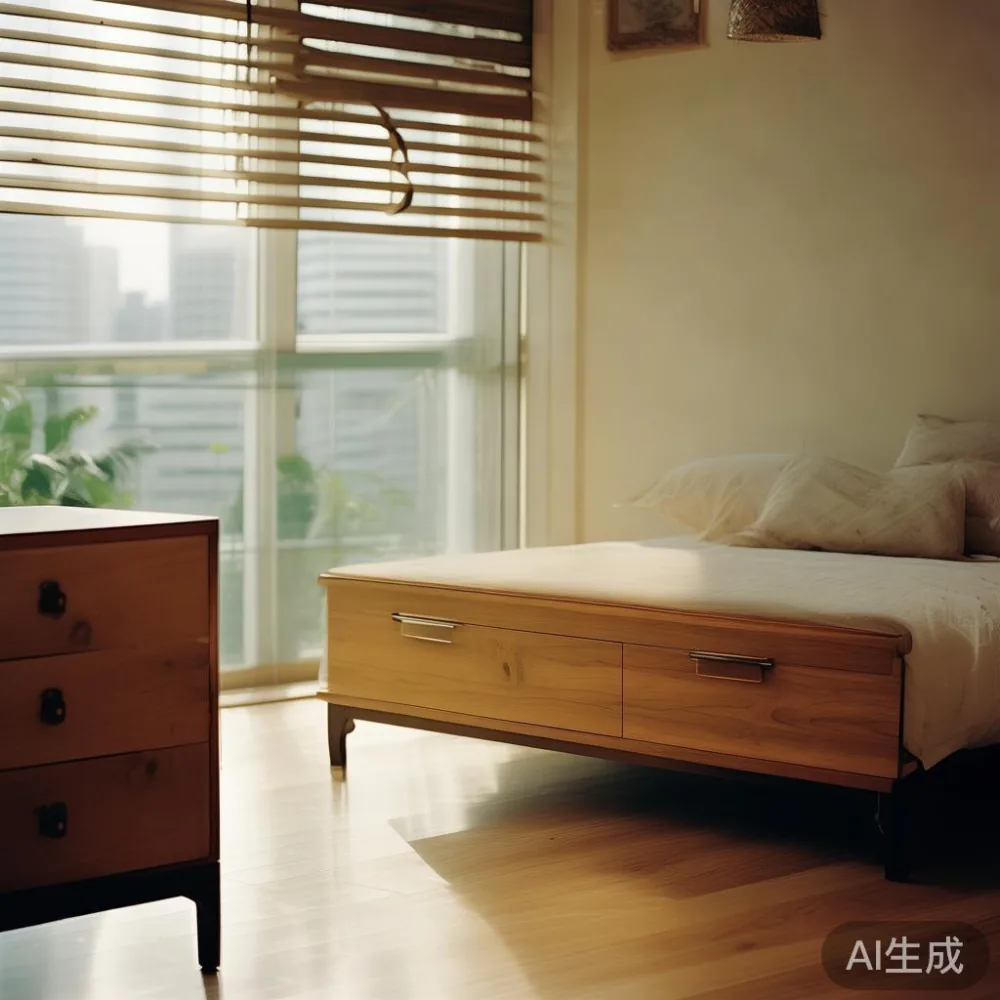
Understanding the Materials: What Veneer and Solid Wood Actually Mean
Before we get into numbers, it's important to understand what these terms signify. A veneer nightstand is constructed from a base material, usually Medium-Density Fiberboard (MDF) or particleboard, which is then covered with a thin layer of real wood. This top layer, or veneer, provides the look of solid wood at a fraction of the cost. Think of it as a photograph of wood; it captures the grain and colour but lacks the depth and substance of the real thing. The base material is often less stable, meaning it can warp, swell, or chip more easily, especially in Singapore's humid climate where the average relative hovers around 80%. A solid wood nightstand, on the other hand, is crafted from a single piece or multiple pieces of genuine timber, such as oak, walnut, or mango wood. The entire structure—drawers, sides, and top—is made from this solid material. This gives it a weight and sturdiness that veneer cannot match. Solid wood is also more porous, allowing it to breathe and adapt to changes in humidity more gracefully, making it a more resilient choice for our local conditions.
Initial Investment: The Upfront Cost of a Nightstand
The most immediate difference between the two options is the initial price. For a standard-sized nightstand measuring 45cm wide, 40cm deep, and 60cm tall, a veneer model from a common furniture retailer in Singapore might cost around S$180 to S$250. This price point makes it accessible for many homeowners, especially those furnishing a new HDB flat or condo on a budget. The solid wood equivalent from a maker like MIDHILL, using high-grade solid oak, would typically start from S$380 and can go up to S$550 depending on the design and finish. This is a significant difference, often more than double the price of the veneer piece. This initial cost is a major factor in the decision-making process. A young couple in Bedok, for instance, might opt for two veneer nightstands for S$400 total, feeling they have made a smart financial choice. However, this initial saving is only the first chapter of the story. To understand the true cost, we must look at what happens over the next five years, factoring in wear and tear, repairs, and potential replacement.
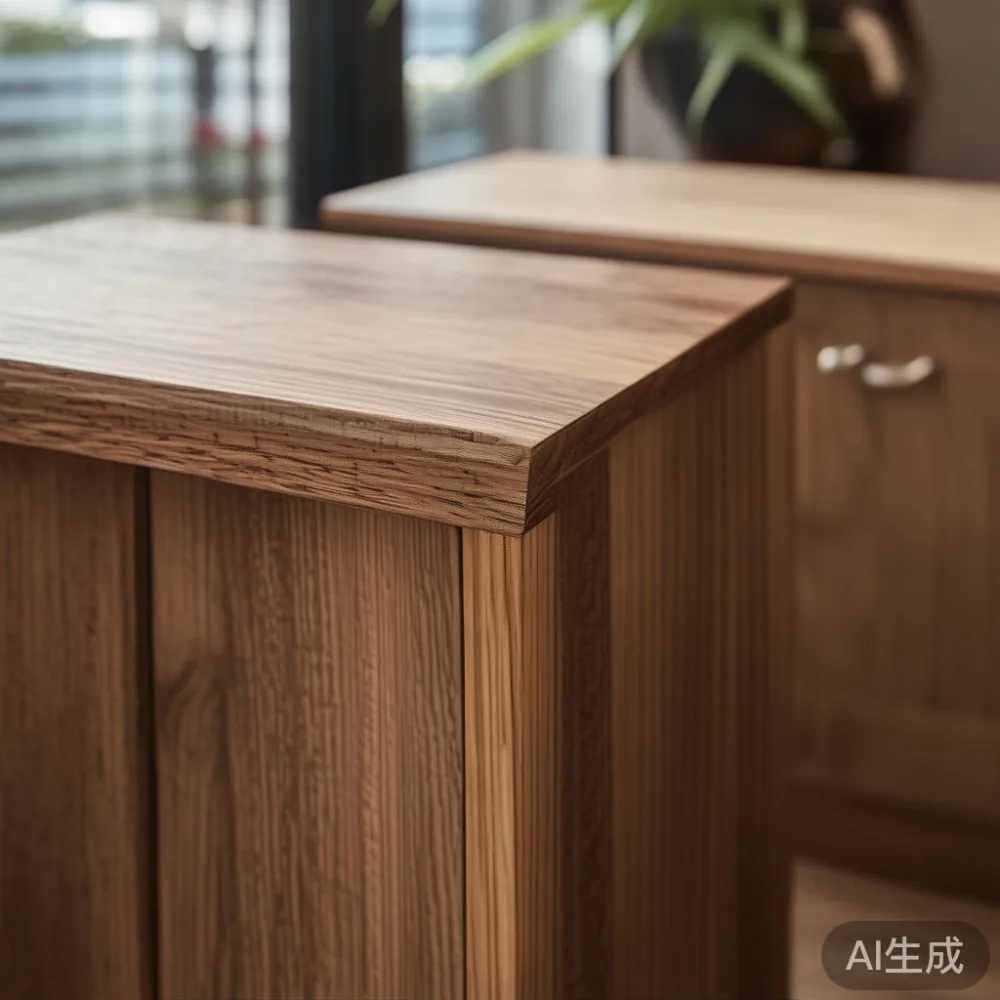
Year 1-2: The honeymoon period and the first signs of wear
In the first two years, both types of nightstands will likely look good. The veneer nightstand will have a smooth, uniform finish that matches the catalogue photo. The solid wood nightstand will begin to show its character, perhaps with subtle variations in the grain that give it a unique, handcrafted feel. This is the period where the initial investment feels justified. However, subtle differences start to emerge. My colleague, Sarah, who lives in a Tampines HDB flat, bought a veneer nightstand last year. She mentioned that after about 12 months, the finish on the top surface, where she places her phone and a glass of water, began to look dull. The thin veneer layer is susceptible to minor scratches and the loss of its lustre over time. Cleaning it requires a gentle touch; a slightly damp cloth can cause the fibrous MDF underneath to swell if moisture seeps through a tiny, invisible crack. The solid wood nightstand, in contrast, develops a patina. A small scratch might appear, but it can often be buffed out with a wood polish. The structure remains firm. The drawers slide smoothly, and the joints remain tight. The initial higher cost is reflected in this superior build quality and resilience during the early years of ownership.
Year 3-4: The turning point and the cost of repairs
By the third and fourth year, the paths of the two nightstands diverge more sharply. For the veneer nightstand, this is often the point of failure. The humid Singaporean air, combined with daily use, takes its toll. The MDF core can absorb moisture, causing the nightstand to warp. The drawers might no longer align properly, scraping against the frame. The veneer itself can start to peel or chip, especially at the edges. Repairing a veneer nightstand is difficult and often expensive. A professional repair to fix peeling veneer might cost S$80 to S$120 per session, and it may not be a permanent solution. If the drawer mechanism fails, replacing it could cost another S$60 to S$100. For many owners, the cumulative repair costs make the initial savings feel like a false economy. They are now looking at a piece of furniture that is not only unsightly but also functionally compromised. The solid wood nightstand, however, continues to perform well. It may show more signs of use, like faint rings from a glass or deeper scuffs, but these add to its character rather than detracting from its value. The structure remains sound. If a drawer becomes stiff, a simple application of wax or wood lubricant can solve the problem for a few dollars. The long-term durability of solid wood means that it often requires no professional intervention during this period, saving the owner significant time and money.
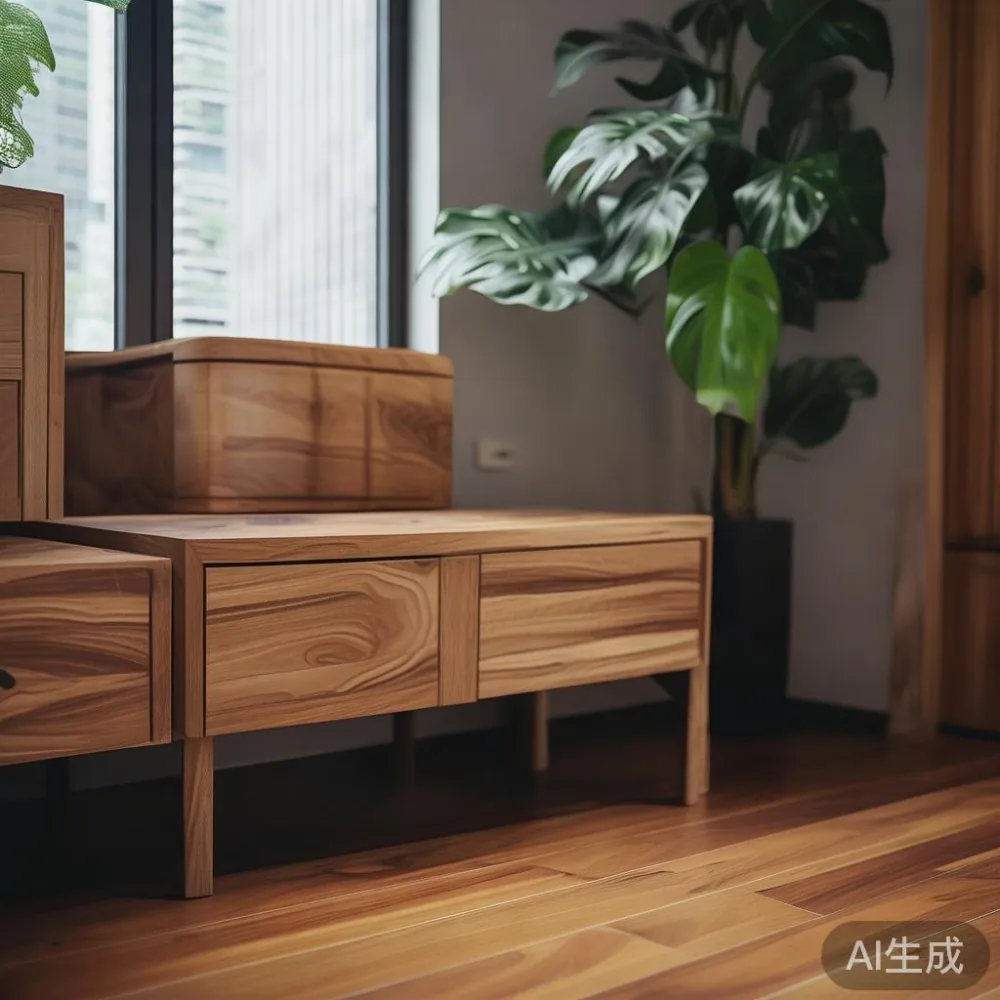
Is a cheap Mid-century modern furniture nightstand a truly economical choice in the long run?
This is a question many Singaporean homeowners ask themselves when browsing for decor. A cheap Mid-century modern furniture nightstand, often made of veneer, can be an appealing way to achieve a certain aesthetic without a large upfront investment. However, when we place it under the 5-year financial microscope, the answer becomes less clear. Let's consider the replacement cost. If a veneer nightstand lasts, on average, 4 to 5 years before it needs to be replaced due to irreparable damage, the owner has to spend another S$200 to buy a new one. Over a decade, this could mean replacing the nightstand twice. The total cost would be S$400 (initial purchase) + S$200 (replacement) = S$600. A solid wood nightstand, with a 10-year structural warranty from a reputable maker, is designed to last for decades. Even after 5 years, it will likely look as good as new with some basic maintenance. The owner has spent S$450 and has a piece of furniture that will last for another 15-20 years. The total cost over a decade is just S$450. The veneer option, while cheaper initially, ends up costing more over time and contributes more to landfill waste. This calculation doesn't even factor in the inconvenience of shopping for and assembling a new nightstand, which can take up a weekend of your time.
Year 5: The final comparison and the value of longevity
At the five-year mark, the financial and practical comparison is stark. The veneer nightstand is likely at the end of its useful life. It may have peeling veneer, warped drawers, and a wobbly structure. The owner is now faced with the choice of spending more on repairs or simply discarding it and buying a new one. The total cost of ownership, including the initial purchase and any minor repairs, might be around S$300-S$350. The solid wood nightstand, however, is still in excellent condition. It has a rich, warm patina that tells a story of use. It is as functional as the day it was purchased. The total cost of ownership is still just the initial S$450, with perhaps S$20 spent on wood polish over five years. The value proposition is undeniable. The owner has a piece of furniture that is not only an asset to their home but also a sustainable choice. This is the core principle behind light luxury furniture. It’s not about ostentatious display but about investing in quality, craftsmanship, and items that bring lasting joy. A French light luxury nightstand, for example, is not defined by its price but by its timeless design and solid construction. It is a piece that complements a home rather than overwhelming it, creating a sense of calm and sophistication that mass-produced items cannot replicate.
Resale Value and Aesthetic Appeal: The Intangible Benefits
Beyond the direct financial costs, there are other factors to consider. Solid wood furniture holds its value much better than veneer. If you decide to move or redecorate, a high-quality solid wood nightstand can be sold for a significant portion of its original price. A 5-year-old solid oak nightstand might still fetch 50-60% of its cost. A 5-year-old veneer nightstand, on the other hand, has virtually no resale value and will likely be given away or thrown away. Aesthetically, solid wood offers a depth and warmth that veneer cannot match. The natural grain, the way the light plays on the surface, the subtle imperfections that make each piece unique—these are the hallmarks of true craftsmanship. This is a key consideration when comparing a European light luxury bed vs French provincial bed; the choice is often about the material's inherent qualities and how they contribute to the ambiance of a room. A solid wood nightstand fits smoothly into this philosophy. It is a quiet anchor in the bedroom, a piece that enhances the space rather than just filling it. This is a different experience from the fleeting satisfaction of a cheap purchase, which quickly fades as the item's quality diminishes.
Practical Considerations for Singaporean Homes
In the context of a Singaporean home, practicality is paramount. The standard width of a corridor in an HDB flat is about 1.2 metres, and a nightstand must fit comfortably within this space without protruding too much. Both veneer and solid wood nightstands can be made to these dimensions, but the solid wood option offers greater peace of mind. Its weight (a solid oak nightstand can weigh 15-20 kg compared to 8-10 kg for a veneer one) is a sign of its stability. You don't have to worry about it tipping over if you bump into it in the middle of the night. Also, the finish on a solid wood piece is often more resistant to the kind of daily wear and tear that occurs in a bedroom. Spills, knocks, and heat marks are less likely to cause permanent damage. This is especially important for families with children or for anyone who values a low-maintenance lifestyle. The idea of having to constantly worry about protecting a delicate surface is stressful. A solid wood nightstand frees you from that anxiety, allowing you to simply live in your home without fuss.
Making the Right Choice for Your Lifestyle
Ultimately, the choice between a veneer and a solid wood nightstand comes down to your personal values and lifestyle. If you are a renter, someone who moves frequently, or you simply do not intend to keep your furniture for more than a few years, a veneer nightstand might suffice. It provides a functional and affordable solution for a short-term need. However, if you are a homeowner, someone who plans to stay in your current flat or condo for the long term, and you appreciate quality and craftsmanship, the solid wood option is the clear winner. It is a wiser investment, not just financially but in terms of the daily pleasure of owning a well-made object. It aligns with a more sustainable and mindful approach to consumption. When you choose a solid wood nightstand, you are not just buying a piece of furniture; you are investing in a piece of your home's story that will last for generations. It is a choice that reflects a commitment to quality over quantity, a principle that defines true light luxury living.
Conclusion: A Worthwhile Investment in Your Sanctuary
After a five-year analysis, the numbers and the real-world experiences point to a clear conclusion. While a veneer nightstand may seem like a budget-friendly option initially, its total cost of ownership over five years is higher, and its lifespan is significantly shorter. A solid wood nightstand, despite its higher upfront price, proves to be a more economical and sustainable choice in the long run. It offers superior durability, easier maintenance, and holds its value, making it a true investment in your home. In a place like Singapore, where our homes are our sanctuaries from the fast-paced city life, surrounding ourselves with well-made, lasting objects is a decision that pays dividends in comfort, beauty, and peace of mind. The next time you are shopping for a nightstand, consider the five-year view. Choose a piece that will not only serve you well today but will continue to be a beautiful and functional part of your bedroom for years to come.