A 5-Year Cost Comparison: Veneer vs Solid Wood Nightstands for Singapore HDB and Condo Owners
I bought my first nightstand twelve years ago from a furniture shop in Tampines Mall, and it was a flat-pack veneer piece that cost me SGD 189. It looked great on day one, and by year three it looked tired. That experience is the reason I started paying attention to how bedside tables actually behave in Singapore's climate. Last month I visited a friend's new BTO flat in Punggol and helped her unbox a new nightstand that weighed 28 kg compared to the 9 kg hollow-core piece I used to own. The difference in hand-feel alone is enough to start a conversation about five-year cost. So I ran the numbers, visited a showroom in Bendemeer, and sat down with a workshop manager to build a fair, real-world comparison between veneer and solid wood nightstands for HDB flats and condos from Tampines to Bedok.
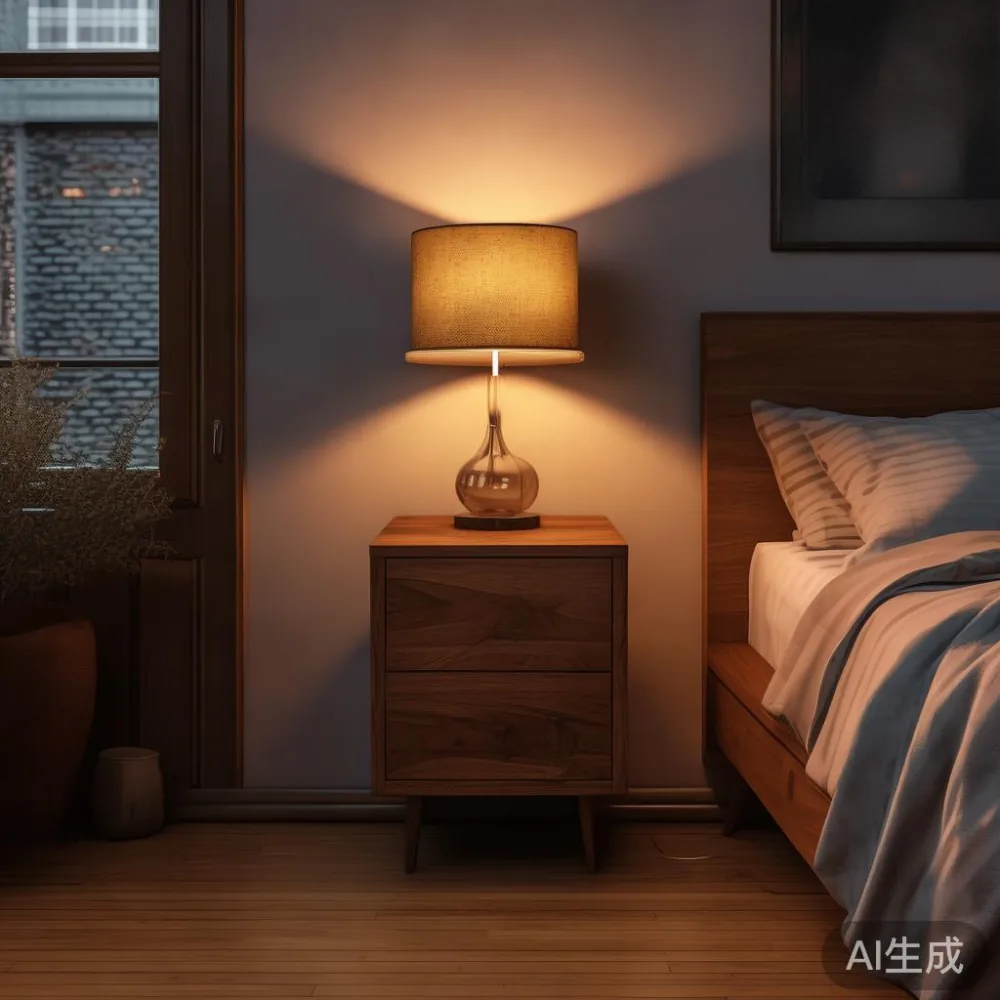
What does a typical nightstand cost in Singapore, and what am I actually paying for?
A standard two-drawer nightstand in Singapore retails between SGD 220 and SGD 480 for veneer MDF with a paper or melamine finish, and SGD 480 to SGD 1,150 for a solid wood equivalent built from ash, oak, walnut, or rubberwood. The price gap at checkout looks painful, often 2x to 2.5x, but the receipt tells only part of the story. With Singapore's 9% GST added on top, a SGD 380 veneer nightstand becomes SGD 414.20, while a SGD 750 solid wood nightstand becomes SGD 817.50. Delivery to a 12th-floor HDB in Bedok typically runs SGD 30 to SGD 60 if the lift opening is the standard 900 mm wide. Most corridors in older Tampines blocks measure 1.2 m, so a 45 cm deep cabinet moves easily. If you live in a walk-up in Geylang or Tiong Bahru without a lift, expect SGD 80 to SGD 120 per floor of carry-up, and a solid wood unit at 25-32 kg will cost more in handling than a 8-12 kg veneer piece.
Veneer vs solid wood nightstand: how do they actually age in Singapore?
Humidity in Singapore averages 78-85% year-round, and daily swings in an air-conditioned bedroom still touch 55-65% when the compressor cycles off. Veneer is a 0.3-0.6 mm layer of real wood glued to an MDF or particleboard core. The core swells when humidity rises, the veneer skin bubbles at the edges, and corners start chipping within 24-36 months. Solid wood, by contrast, expands and contracts as one piece, so any movement stays uniform. A solid wood nightstand built with mortise-and-tenon or dovetail drawer joints will keep its drawer alignment within 1-2 mm over five years, while a veneer nightstand with stapled or cam-lock joints typically drifts 3-5 mm by year two. My colleague keeps her nightstand next to a window in her Punggol condo, and her oak unit from MIDHILL has not warped, while a friend's 2021 teak-look veneer piece now has a 4 cm long bubble along the rear edge.
What are the real five-year costs for each option?
Let me price out a realistic five-year ownership picture in SGD. A mid-range veneer nightstand bought in Tampines at SGD 320 + GST (SGD 348.80), with SGD 40 delivery and a basic 1-year warranty, lands at about SGD 389 on day one. Add an SGD 80 refinish at year three to sand and re-laminate the top, and an SGD 180 replacement at year five when the drawer bottoms sag. Total five-year cost: roughly SGD 649. A comparable solid wood nightstand at SGD 720 + GST (SGD 784.80), with SGD 50 delivery and a 10-year structural warranty, lands at about SGD 835 on day one. With one light sanding and re-oiling at year three (SGD 60) and zero replacement cost, total five-year spend: roughly SGD 895. The gap narrows to about SGD 246 over five years, or SGD 49 per year, which works out to roughly SGD 1.15 per week. For that price difference you get a unit that holds 18-25 kg of books and a lamp without flex, that survives a second move, and that can be refinished again at year ten.
Is French provincial queen bed furniture worth it?
Yes, French provincial queen bed furniture is worth it if you want a coordinated look that lasts, because the queen bed frame anchors the room and the matching solid wood nightstand carries the same carved detailing in proportion, so the suite reads as one piece rather than a patchwork of mismatched suppliers. In a 12 sqm HDB master bedroom in Bedok, a French provincial queen bed at around 215 cm long and 165 cm wide leaves about 70-80 cm of clearance on each side for a nightstand, which is also the recommended 60-75 cm bedside reach for reading. When the bed and nightstand share the same rubberwood or poplar core, the grain, stain, and aging pattern stay consistent for 10+ years. A French provincial set also tends to ship with full-extension drawer runners and corner-blocking that budget veneer sets skip, which is why the heavier frames feel stable rather than hollow when you sit on the edge to tie your shoes.
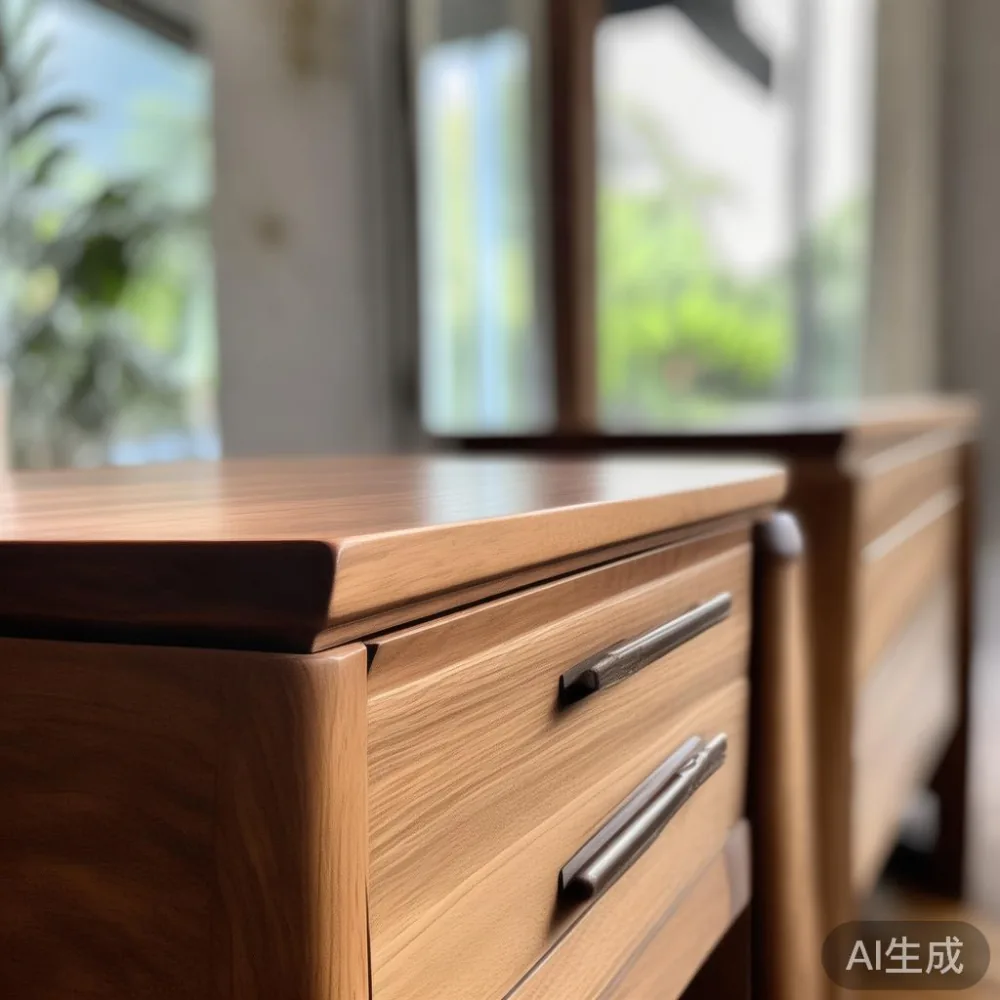
Where does light luxury sit in this decision?
Light luxury in furniture comes in three recognizable dialects, and the nightstand is often the first piece that introduces the style into a Singapore home. French light luxury leans on curved cabriole legs, brass-tip toes, and a soft cream or greige palette that pairs well with the pale vinyl floors common in newer Punggol BTOs. American light luxury favors clean shaker profiles, matte black cup pulls, and a wider 50-55 cm cabinet body that swallows bedside clutter. Post-modern light luxury pushes geometry: beveled fronts, fluted panels, and contrast trim in walnut or ash. All three dialects work in solid wood because the lines need crisp edges to read, and veneer MDF tends to round off those edges after one or two humid seasons. If your bedroom already carries a solid wood bed frame, dining table, or wardrobe from the same workshop, the nightstand will visually match in grain direction and tone, which is something you only notice when it is missing.
How do I judge build quality before I buy?
I use a five-point check that any buyer can run in the showroom in under ten minutes. First, lift the nightstand: a solid wood two-drawer unit weighs 22-32 kg, while a veneer equivalent weighs 7-12 kg. Second, open every drawer and look at the joint: dovetail or finger joints signal solid wood, while staples, nails, or visible cam locks signal MDF. Third, check the back panel: a 9-12 mm solid plywood back resists kicks during a move, while a 2-3 mm hardboard back will dimple. Fourth, run your finger along the top edge: a 2-3 mm solid wood edge will feel continuous, while a veneer edge will show a hairline seam where the laminate wraps. Fifth, ask about the warranty in writing. MIDHILL, for example, offers a 10-year structural warranty and lifetime refinishing on its solid wood nightstands, which is a strong signal that the workshop expects the piece to outlast the warranty by a wide margin. If a brand only offers 6-12 months, the math behind their pricing is built around replacement, not longevity.
How does a solid wood nightstand fit into a wider room plan?
Bedrooms rarely stop at the bedside table, so it pays to think about the rest of the suite. A standard HDB master bedroom at 12-14 sqm can hold a queen bed frame, two nightstands, a 120-150 cm six-drawer wardrobe, and still leave room for a slim 35-40 cm deep dresser. If you work from home, a modular sideboard for study storage can double as a printer station and linen cupboard in a small room, and the same rubberwood tone will tie back to the nightstand if both come from the same maker. In a 16-18 sqm condo bedroom in Punggol or the River Valley area, the same suite plus a solid wood bed frame, a six-seater dining table across the living room, and a marble table in the entryway will share a consistent grain story. A solid wood sofa, wardrobe, and nightstand built from the same timber batch will also darken together at the same rate, which avoids the patchy look you get when a 2023 wardrobe meets a 2025 nightstand from a different supplier.
What about resale, moves, and the second life of the piece?
Singapore moves happen every 2-4 years on average for renters and 5-8 years for owners, and nightstands survive moves more often than any other furniture category. A solid wood nightstand in good condition resells on Carousell for 50-65% of the original price after three years, while a veneer piece in the same condition resells for 15-25% because buyers can see the corner chips and lifted laminate in the photos. If you are relocating to a larger condo in the Simei or Pasir Ris area, the same solid wood nightstand will simply move with you, which means the per-year cost drops further the longer you keep it. Some workshops, MIDHILL included, will refinish your nightstand when you redecorate, which resets the surface for a small fee and keeps the unit in service past year ten. Over a ten-year horizon, that flexibility turns the higher sticker price into a genuine saving rather than a luxury tax.
Frequently asked questions from Singapore buyers
How wide should a nightstand be for a queen bed? Aim for a width that matches roughly half to two-thirds of your pillow width, which means 45-55 cm for most adults. What height is comfortable? The nightstand top should sit 2-5 cm above the mattress surface, so 55-65 cm total height for a standard 25 cm mattress. Will solid wood attract termites in HDB flats? Properly kiln-dried solid wood from a reputable workshop is safe, and HDB flats above the ground floor see very low termite pressure compared to landed homes. Can I request custom sizes for tight HDB corners? Yes, most Foshan workshops accept 5-10 cm adjustments on width and depth, and lead times run 30-45 days plus 14-21 days for sea freight to Singapore. Is free shipping realistic? For orders above US$350 to Singapore, several makers including MIDHILL offer free sea shipping to door, which saves SGD 80-160 on a single nightstand order and brings the all-in cost back toward parity with cheaper local alternatives.