What Actually Drives the Price of Solid Wood Nightstands?
For homeowners in Singapore working through the compact spaces of HDB flats and condos, every piece of furniture must earn its keep. A nightstand, for instance, is more than just a decorative accent; it's a functional anchor beside the bed, a repository for daily necessities, and a statement of personal style. When browsing options, the price range can be staggering. A simple, mass-produced model might cost under SGD 100, while a handcrafted solid wood piece can easily exceed SGD 800. So, what creates this vast chasm? Understanding the actual cost drivers behind solid wood furniture, like a nightstand, requires a look beyond the price tag and into the materials, craftsmanship, and logistics that shape its final value.
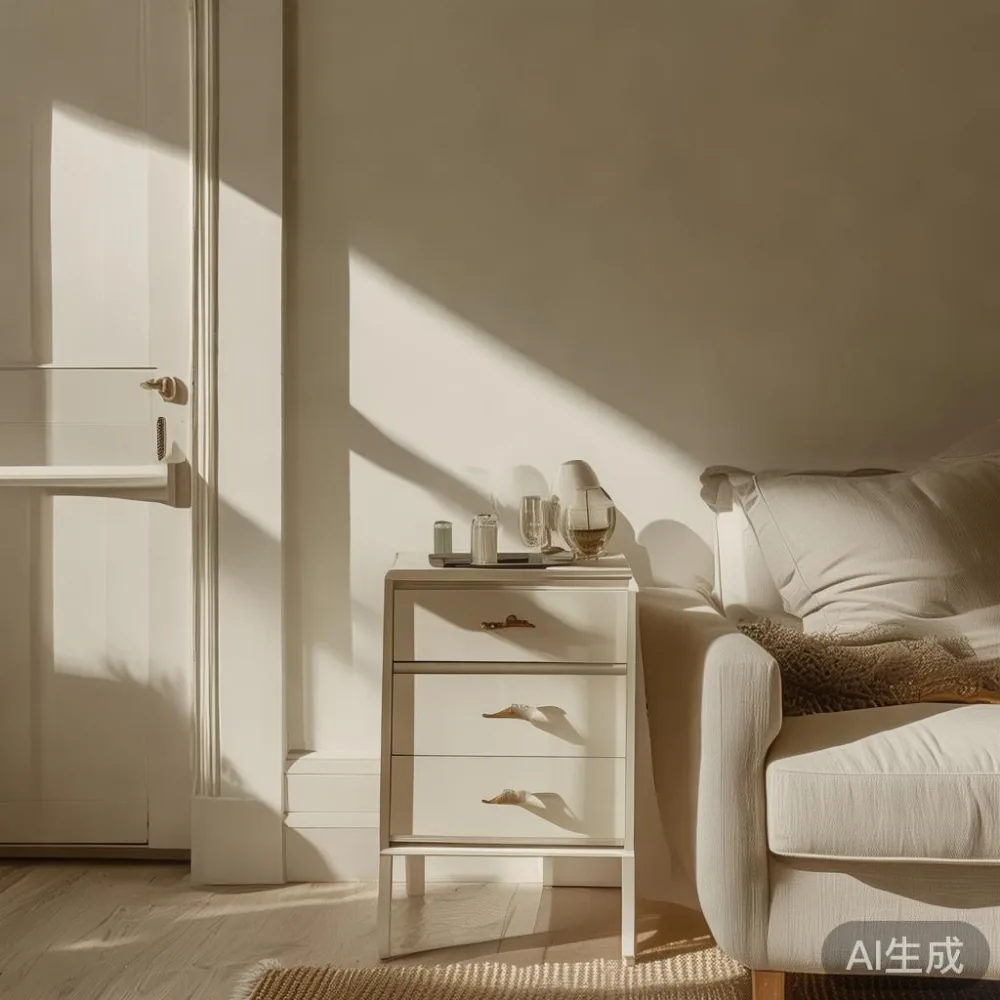
Why Isn't a Nightstand Just a Box with Legs?
At its most basic, a nightstand is a small table. But for a maker like MIDHILL, which has been crafting solid wood furniture since 2008, it is a complex assembly of parts designed for longevity and beauty. The primary cost driver is, without question, the wood itself. Solid wood is not a single material but a category encompassing dozens of species, each with distinct properties and price points. For a nightstand, a manufacturer might choose a durable hardwood like American white oak, known for its prominent grain and strength, or a more economical option like rubberwood, which is stable and takes finishes well. The cost of a single board of premium oak can be 4 to 5 times that of a similar-sized piece of rubberwood. This difference is immediately reflected in the final product price.
The origin of the wood also plays a significant role. European woods like ash or beech, often associated with French light luxury aesthetics, command a premium due to stricter environmental regulations and slower growth rates. This is why an Italian light luxury wardrobe might feature a veneer from a specific Italian tree, costing significantly more than one made from locally sourced timber. For a nightstand, the choice of wood is foundational. A solid oak nightstand will not only look more substantial but will also resist dents and scratches far better than a nightstand made from a softer wood or, worse, a particleboard core with a wood veneer. The weight is a clear indicator; a solid oak nightstand might weigh 18 kg, while a veneered one could be half that, a difference a homeowner in a Tampines HDB block carrying it up the stairs will certainly feel.
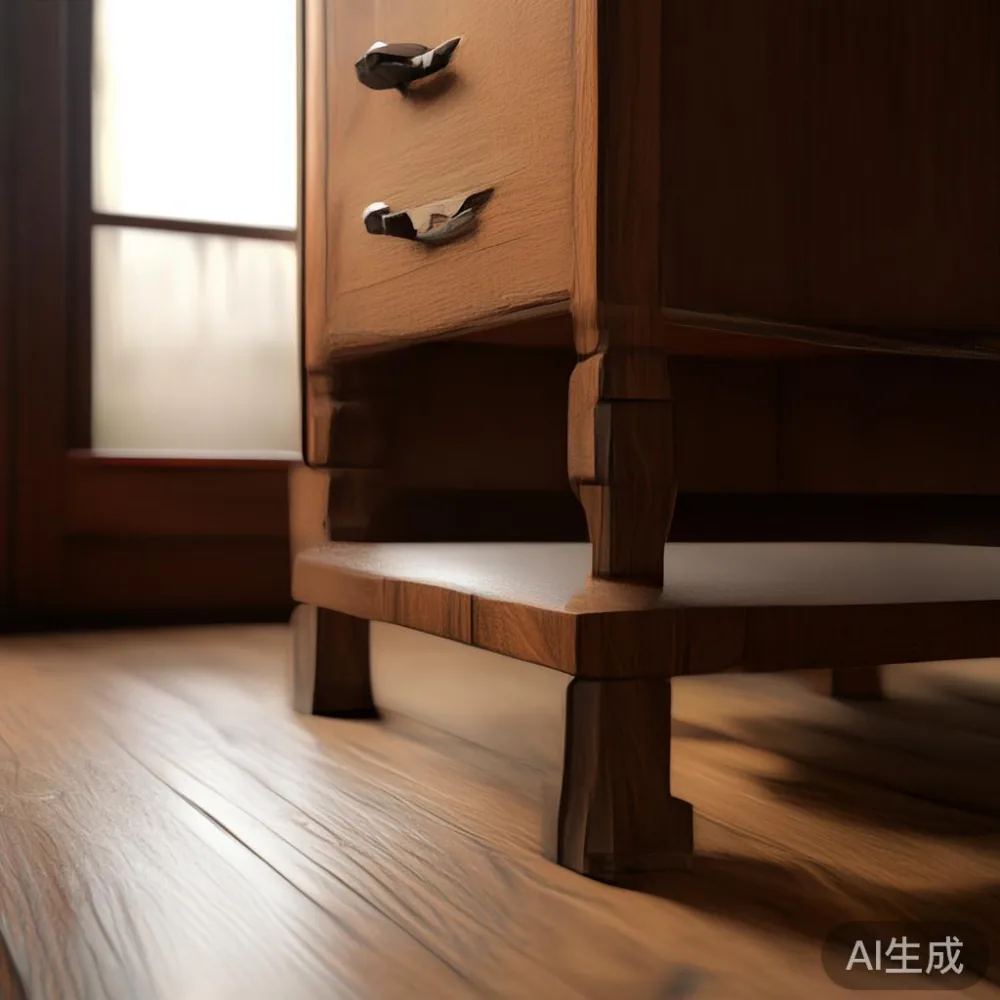
How Much Does Your Nightstand's Finish Really Cost?
Once the wood is selected, the next major cost component is the finishing process. A raw piece of solid wood is susceptible to changes in humidity, which in Singapore can be extreme. A simple lacquer might protect it superficially, but a high-quality, multi-layer finish is what separates a fleeting purchase from a lifetime companion. This process involves meticulous sanding between each of several coats of oil, wax, or varnish. A French light-inspired nightstand might feature a hand-rubbed wax finish that gives the wood a soft, tactile glow, a process that takes a skilled craftsman a full day to complete. This labour-intensive application is a key part of the price.
Consider a post-modern light luxury nightstand with a matte black finish. Achieving a flawless, non-reflective surface requires spraying and curing multiple layers of specialised paint, with careful sanding in between. Any imperfection means starting over. This is why a simple painted MDF nightstand is cheap, while a solid wood nightstand with a premium finish is not. The finish protects the wood from Singapore's humid climate, preventing it from warping or cracking. It also defines the piece's character. A clear finish highlights the natural grain of the oak, while a dark stain gives it a more formal, contemporary look. Each option requires different materials and labour, directly impacting the final cost of the nightstand.

Is Handcrafting a Nightstand Still Relevant in 2024?
In an age of automation, the value of human craftsmanship in furniture making cannot be overstated. This is where the difference between a factory-produced item and a piece from a dedicated workshop like MIDHILL's becomes most apparent. A machine can cut a board to length in seconds, but it cannot replicate the nuanced judgment of a skilled woodworker. When constructing a nightstand, joinery is paramount. The connection between the legs and the apron, or the drawer and its frame, determines the piece's structural integrity.
High-end nightstands feature dovetail joinery on the drawers. This interlocking method, where each corner is cut into a fan-shaped wedge and a corresponding socket, is incredibly strong and prevents the drawer from pulling apart over time. Cutting dovetail joints by hand is a mark of superior craftsmanship. A machine can do it, but the setup and programming cost is high, making it more economical for large production runs. For smaller batches, hand-cutting remains a viable, albeit labour-intensive, option. My colleague visited a workshop last month and watched a craftsman spend two hours hand-fitting the drawer slides on a single nightstand. The precision required was remarkable, ensuring the drawer glides in and out smoothly for decades. This level of attention to detail is a significant cost driver but is the very reason these pieces are built to last a lifetime, justifying the initial investment.
Why Does Your Nightstand's Journey Add to the Price?
For a Singaporean consumer, the final price on the tag includes more than just materials and labour; it must also account for the complex journey the nightstand takes to reach your home. Foshan, the heart of MIDHILL's operations, is a major manufacturing hub, but getting a piece of furniture from there to Singapore involves a logistical puzzle. The nightstand is first packed with others into a shipping container. A single container can hold approximately 200-250 nightstands, depending on the model's size. The cost of this sea freight, including fuel, port handling in China, and Singapore's own port charges, is then divided among all the units in that container.
Once the container arrives in Singapore, the goods are subject to GST. The current rate is 9%, applied to the cost of the goods plus the international shipping and insurance. This 9% is a mandatory addition to the price that is passed directly to the consumer. After clearing customs, the nightstand is transported to a local warehouse or directly to the customer. For a delivery to a condo in Punggol, the truck must work through narrow access roads and potentially a goods lift with specific weight limits. A nightstand that is too heavy or bulky might not fit, requiring a different, more expensive delivery method. Free shipping, offered by brands like MIDHILL for orders over SGD 350, is a significant value proposition that is built into the pricing structure of their products, including their nightstands. The cost of delivery is real, and it's factored into every piece sold.
What About Peace of Mind? The Value of a Warranty
Price is not just about what you pay today; it's about what you might have to pay tomorrow. This is where the warranty and after-sales service become critical components of a product's value. A cheap nightstand might seem like a bargain until a drawer mechanism fails after a year. Replacing or repairing it can be difficult and costly, especially if the original manufacturer is no longer in business or doesn't offer support.
Established brands like MIDHILL mitigate this risk by offering comprehensive warranties. A 10-year structural warranty on a nightstand is a powerful statement of confidence in the product's construction. It covers the frame, legs, and major joints, assuring the buyer that the piece is built to withstand the rigours of daily use. This long-term protection is a significant value that is priced into the product. It's the difference between a disposable item and a permanent fixture in your home. This peace of mind is a key reason why consumers are willing to invest more in a product from a reputable exporter with a proven track record. The question for any buyer is simple: would you rather pay a little more now for security, or risk a larger, unexpected expense later?
Are You Paying for Design or Just a Brand Name?
Finally, the price of a nightstand is heavily influenced by its design and the brand behind it. Design is not just about aesthetics; it's about solving problems. A well-designed nightstand for a Singapore HDB flat must be compact. The width might be limited to 40 cm to fit comfortably in a narrow bedroom corridor without blocking the path. The height is carefully calculated to be level with the mattress, typically around 60 cm from the floor, so items are within easy reach.
Some designs incorporate clever features, like a built-in wireless charging pad or a discreet cable management hole, which add to the manufacturing cost but also to the piece's functionality. Post-modern light luxury, for instance, often favours clean lines, minimalist forms, and a focus on high-quality materials over ornate details. This design philosophy requires precision in cutting and assembly, contributing to a higher price point. A brand's reputation, built over years like MIDHILL's since 2008, also adds a layer of value. Consumers trust that a brand with a long history and a presence in 15+ countries adheres to certain standards of quality and service. This trust is not given freely; it is earned through consistent performance and is reflected in the price of their products, from a solid wood sofa to a simple nightstand.
Ultimately, the price of a solid wood nightstand is a composite of tangible and intangible factors. It is the sum of its premium materials, the hours of skilled labour invested in its creation, the cost of its global journey, the security of a long-term warranty, and the value of thoughtful design. Understanding these elements allows a homeowner in Singapore to make an informed decision, seeing beyond the initial cost and recognising the true value of a piece that is designed to be a beautiful and functional part of their home for many years to come.