The Silent Challenge: How Singapore's Humidity Impacts Your Nightstand
Living in Singapore, with its perpetually warm and humid climate, presents a unique set of considerations for homeowners. The air in our HDB flats and condos, from the newer estates of Punggol to the established neighbourhoods of Tampines and Bedok, is thick with moisture. This constant dampness, while pleasant to us, can be a formidable opponent for furniture, especially items made from natural materials like solid wood. For a piece as frequently used and exposed as the nightstand, understanding this environmental factor is key to preserving its beauty and function for years to come.
Why Does Humidity Affect Solid Wood Nightstands So Much?
Wood is a hygroscopic material, which is a scientific way of saying it absorbs and releases moisture from the air. In Singapore, the relative humidity often hovers between 70% and 90%, depending on the season and whether you live in a high-floor unit with better airflow. When wood absorbs this moisture, its fibres expand. Conversely, when the air is drier, the wood contracts. This continuous cycle of expansion and contraction is the root cause of most humidity-related problems. A nightstand, typically placed next to a bed where the air might be cooler or near a window that gets direct sun, is particularly vulnerable to these changes.
What Are the Telltale Signs of Humidity Damage on a Nightstand?
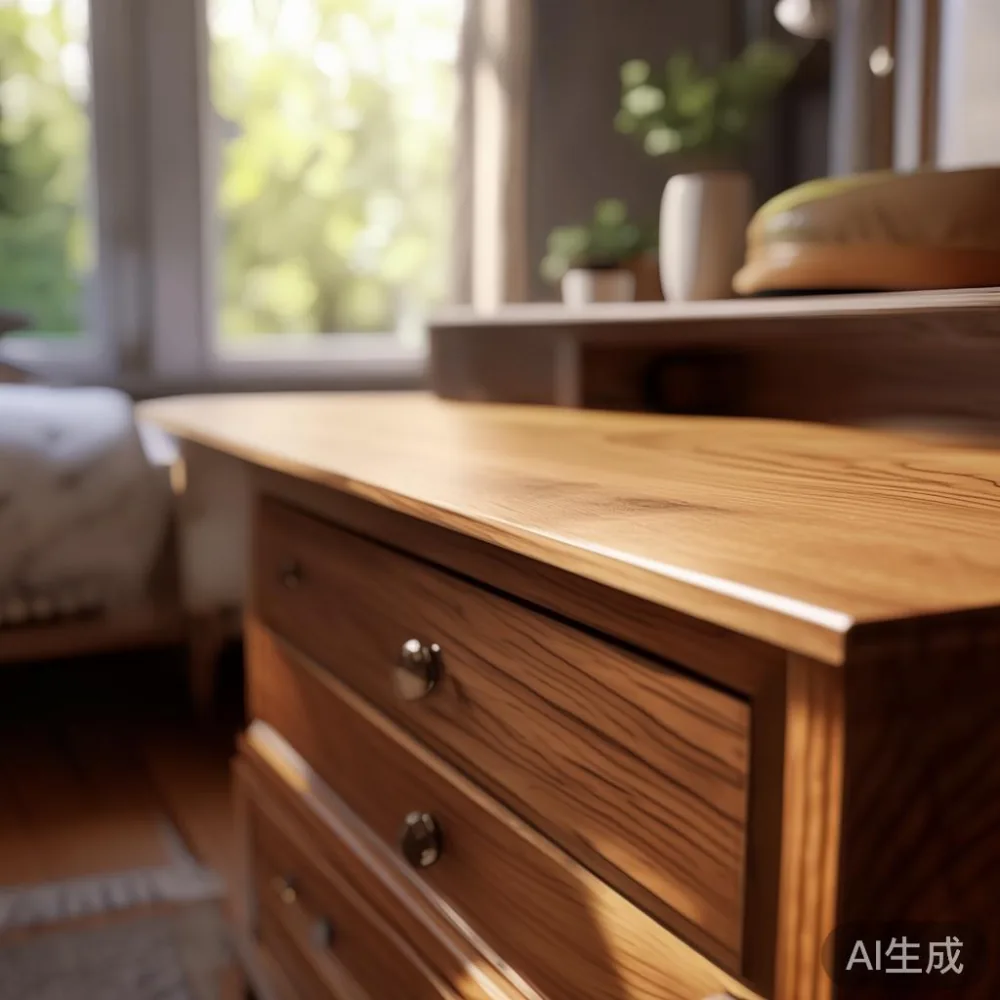
The effects of high humidity on a solid wood nightstand can manifest in several ways. The most common issue is warping, where the doors or panels of the nightstand begin to bow or twist. You might notice the drawer fronts no longer sit flush with the frame, or the main cabinet door has developed a slight curve. Another sign is cracking, as the wood expands so much that the fibres are put under immense stress, leading to splits, often appearing along the grain or at the corners of the nightstand. A less obvious but equally problematic issue is joint failure. The glue holding the joints can weaken as the wood moves, causing the nightstand to become rickety or unstable. The final sign is a sticky or swollen drawer, making it difficult to open and close smoothly. These issues are not merely cosmetic; they compromise the structural integrity of your furniture.
How Can You Protect Your Nightstand in a Singaporean Apartment?
Fortunately, protecting your nightstand from the elements is not an impossible task. The first line of defence is controlling the microclimate around your furniture. Using a dehumidifier in your bedroom, especially during the wetter months from November to January, can make a significant difference. Aim to keep the relative humidity in the room between 45% and 55%. Placing your nightstand away from direct sources of moisture is also critical. Avoid positioning it directly under an air-conditioning unit, as the constant cold air can cause condensation to form on the wood's surface. Similarly, keep it at least 30 cm away from any external walls that might feel damp. Ensuring your bedroom has good ventilation by opening windows for a few hours each day, if possible, helps to circulate air and prevent moisture from becoming trapped.
Why is the Quality of Your Nightstand's Construction So Important?
Not all nightstands are created equal, and their ability to withstand humidity is directly tied to their construction. A well-made nightstand will feature solid wood frames and panels, not veneers or particleboard, which are far more susceptible to moisture damage. The joinery is another critical aspect. Look for dovetail joints on the drawers and mortise-and-tenon joints for the frame. These traditional methods create a stronger, more flexible connection that can better handle the wood's natural expansion and contraction without failing. A high-quality nightstand will also have a durable finish. Multiple coats of a high-grade lacquer or oil-based sealant create a protective barrier that slows down the rate at which moisture can penetrate the wood. This is why a piece from a reputable manufacturer like MIDHILL, which has been crafting solid wood furniture since 2008, often proves to be a more resilient investment.
How to Choose a Nightstand That Lasts in Singapore's Climate?
When shopping for a new nightstand, it pays to be a discerning buyer. The price of a nightstand in Singapore can range from SGD 150 for a mass-produced item to over SGD 1,200 for a handcrafted piece from European light luxury brands. The lower-priced options are often made from materials that will not fare well in our humidity. Instead of focusing solely on the initial cost, consider the long-term value. A solid wood nightstand might cost more upfront, but its lifespan can be decades longer. Ask about the wood species. Teak, for example, is naturally rich in oils that make it highly resistant to moisture and decay. Oak and walnut are also excellent choices, provided they are properly finished. Another consideration is the design. A nightstand with a slatted back or an open design allows for better air circulation, reducing the chances of moisture being trapped. The weight of the piece is also a good indicator; a heavier nightstand made from dense, solid wood is generally more stable and durable than a lighter, hollow alternative.
What About Maintenance? A Simple Guide for Your Nightstand
Even with the best protection, your nightstand will benefit from regular maintenance. Every 3 to 6 months, depending on the environment, you should wipe down the surface with a soft, dry cloth to remove any dust or moisture. For a lacquered finish, use a specialized furniture polish. For an oil finish, a reapplication of a suitable wood oil every 6 to 12 months will help replenish the protective layer. If you live in an older HDB block or a ground-floor condo where humidity levels are consistently high, you might need to increase the frequency of this maintenance. It’s also wise to avoid placing hot or wet objects directly on the nightstand's surface. Use coasters for drinks and a mat for any items that might sweat, like a water glass or a vase. These simple habits can prevent water rings and heat damage, preserving the nightstand's appearance.
My Colleague's Real Experience with a Humidity-Damaged Nightstand
Last month, I visited a colleague’s new condo in Punggol. He had recently purchased a stylish nightstand from a popular online retailer for SGD 299. It looked great for the first two weeks, but then the problems started. The drawer began to stick, and he had to really yank it to get it open. Within a month, the solid wood panel on the side had developed a noticeable warp, and the finish on the top had started to bubble near where he placed his phone charger each night. He was frustrated because the nightstand was only 45 cm wide, perfect for the narrow space beside his bed in the 3-room HDB layout he was used to. He realized his mistake in choosing a piece based on looks alone, without considering how it would perform in the specific conditions of his home. This experience is a common one, highlighting why material quality and construction are paramount for furniture in Singapore.
What is the True Cost of Replacing a Nightstand?
When a nightstand fails prematurely, the cost goes beyond the initial purchase price. You have to factor in the expense of buying a replacement, which could be SGD 400 to SGD 800 for a decent quality piece. Then there's the hassle of disposal. In Singapore, you can't just leave old furniture on the common corridor of your HDB flat; you need to arrange for disposal, which can cost between SGD 20 and SGD 50 through private services. There's also the time and effort spent shopping for a new piece, comparing options, and coordinating delivery. A delivery for a nightstand within Singapore typically takes 3 to 7 business days, and while many stores offer free shipping for orders over SGD 350, you might still need to take a day off work to receive it. All this adds up, making the initial investment in a high-quality, humidity-resistant nightstand a much more economical decision in the long run.
Is a 10-Year Warranty Really Enough Peace of Mind for a Nightstand?
A warranty is a strong indicator of a manufacturer's confidence in their product's durability. Many furniture warranties in Singapore are limited to 1 or 2 years, covering manufacturing defects but not environmental wear and tear. A 10-year structural warranty, like the one offered by MIDHILL, provides substantial coverage. It protects you against issues like joint failure, warping, and cracking that are directly related to the construction and materials of the nightstand. This means that if your nightstand develops a structural defect within a decade, the manufacturer will repair or replace it. This kind of long-term protection is invaluable, especially for a piece of furniture that is a central part of your bedroom. It gives you the confidence to invest in a solid wood piece, knowing that you are covered against the very problems that humidity can cause. This level of assurance is a hallmark of quality furniture makers who stand by their craftsmanship.
How to Style Your Bedroom Around a Durable Nightstand?
Choosing a durable nightstand opens up more possibilities for styling your bedroom. You can pair it with other solid wood pieces like a European light luxury bed frame for a cohesive, high-end look. For a more eclectic feel, you might place a small marble-topped table next to your nightstand to add a touch of contrast and texture. The key is to create a balanced composition. If your nightstand has a dark wood finish, you might opt for lighter bedding and walls to prevent the space from feeling too heavy. Conversely, a light wood nightstand can be a beautiful anchor for a room with deeper, richer colours. The options are endless, from minimalist Japandi-inspired designs to more ornate post-modern styles. The important thing is that your nightstand is not just a functional piece but a design element that complements your aesthetic. For example, you could find inspiration on how to style Japandi sofa in bedroom to create a harmonious look that extends to your nightstand area.
What Makes a Nightstand a Smart Investment for Your Home?
A nightstand is more than just a place to put your phone and a lamp. It's a piece of furniture that you interact with every single day. Investing in a well-made nightstand is an investment in your daily comfort and the long-term value of your home. A high-quality nightstand will not only withstand the test of time and Singapore's climate but also retain its aesthetic appeal. It can become a treasured part of your bedroom, a piece that you pass down or sell for a good price when you eventually move. When you consider the cost of replacing a cheap nightstand every few years, the value of a single, durable purchase becomes clear. It’s about making a smart, informed decision that prioritizes quality, longevity, and timeless design over fleeting trends and low prices.