Nightstand: What Actually Drives the Price of Solid Wood Furniture?
A solid wood nightstand can look deceptively simple: one top, two sides, a drawer, and four short legs. Its price can still range from about SGD 180 to more than SGD 1,200 because timber grade, construction, hardware, finish, size, and distribution all affect the final figure. The same pattern applies to a solid wood sofa frame, bed frame, dining table, wardrobe, or marble table. Price is rarely a measure of solid wood alone.
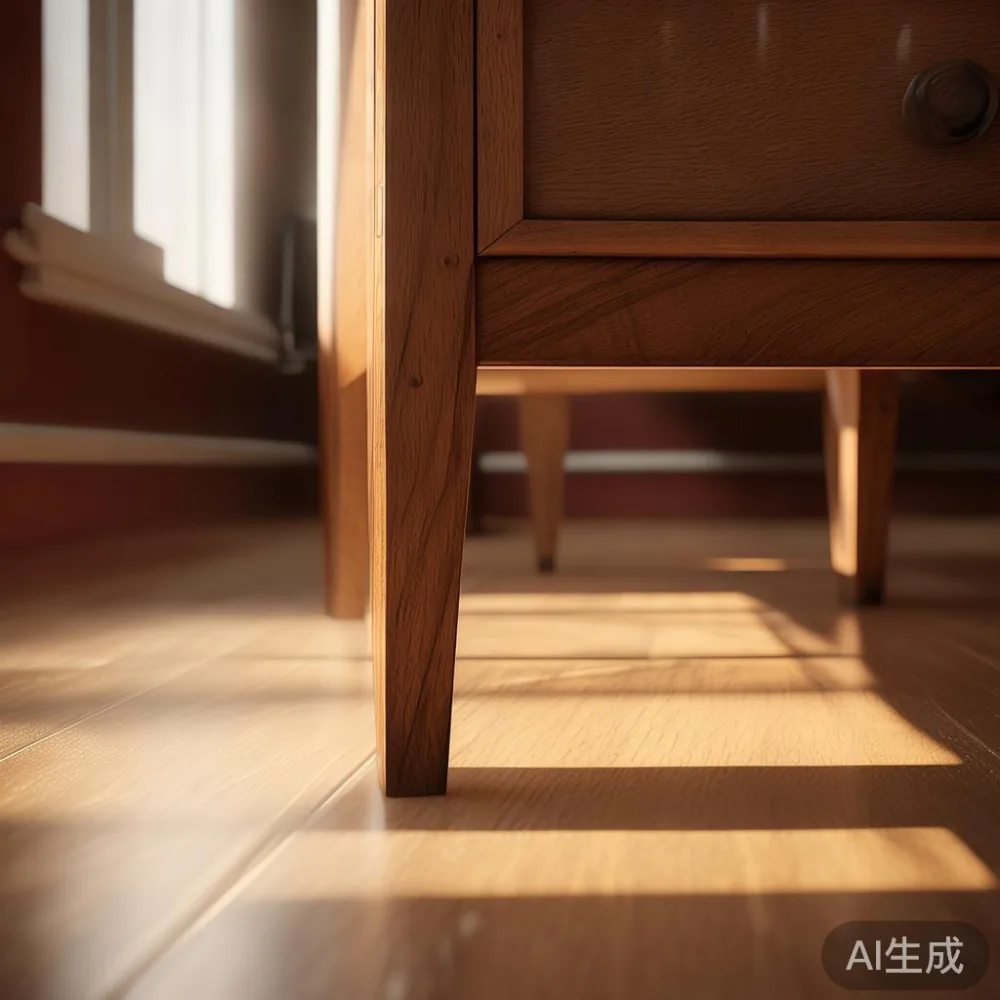
For Singapore buyers, the final cost also reflects a practical journey from Foshan to the room. A nightstand may leave a factory weighing 18 kg, travel through a loading port, pass customs, and enter a HDB lift with only 90 cm of usable door width. A curved dining table might need its carton tilted through a corridor, while a wardrobe may require two delivery workers and a measured stair landing. Those details are part of what you actually pay for.
MIDHILL was established in 2008 and exports to more than 15 countries. Its 10-year structural warranty and lifetime refinishing policy reflect a long-term approach, but they do not explain every price point. This guide looks at the variables that matter, including specifications worth asking a supplier and questions worth asking before checkout.

Is solid wood automatically expensive?
No. “Solid wood” describes the material in a component, but not necessarily the species, cut, grade, thickness, or workmanship. A nightstand made from rubberwood with a 12 mm carcass and basic drawer slides may cost SGD 180. A similar nightstand in white oak, with a 20 mm top, dovetailed drawer, soft-close hardware, and a hand-oiled finish, may cost SGD 760.
The species creates a large part of the gap. Rubberwood, ash, and lower-grade pine can be economical. White oak, walnut, and other attractive hardwoods carry different raw-material prices. A 45 cm-wide, 55 cm-high, 40 cm-deep nightstand uses perhaps 0.04 cubic metres of timber before losses, while a thicker 25 mm top can add several kilograms and noticeable material cost.
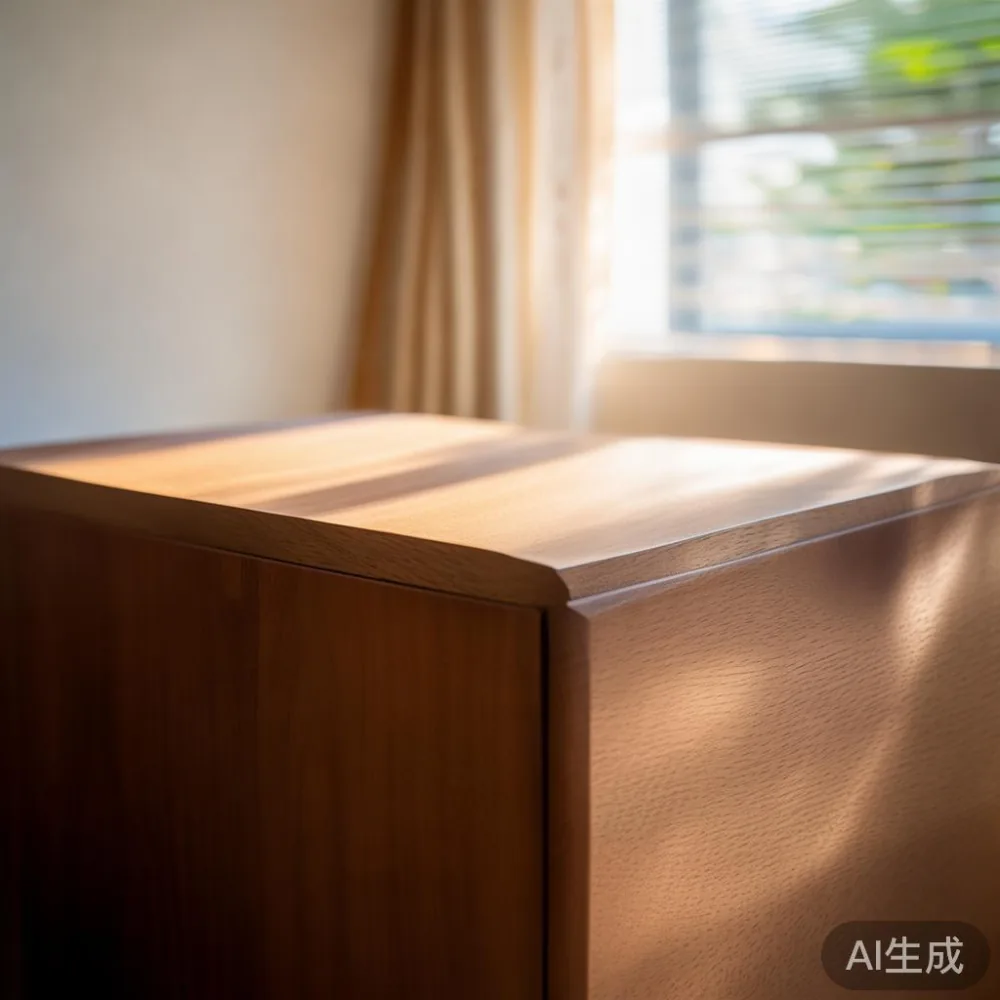
Wood grade matters too. Select-grade boards with consistent colour and fewer knots are easier to finish and often cost more than mixed-grade boards. Kiln-dried timber may carry a premium because moisture control reduces later movement. Ask whether the moisture content was checked to roughly 8%–12% for indoor furniture intended for Singapore’s humid conditions.
Solid wood furniture also differs from wood-veneered or engineered products. Veneer can produce an attractive surface at a lower cost, while plywood and particleboard can make stable carcasses. Neither is automatically poor; the specification should match the purpose. For a frequently used nightstand, a stable drawer box, durable joints, and replaceable parts may matter more than chasing a rare timber name.
What does “solid wood” mean across a product?
Ask for a component-by-component specification. The visible top, side panels, drawer fronts, back panels, legs, and drawer box may use different materials. A supplier might describe a piece as solid wood while using solid timber on the top and plywood inside the drawer. That can be a sensible choice, but it should not be presented as if every component is hardwood.
For a nightstand, I would inspect 6 points: top thickness, drawer-box construction, joint method, slide type, corner support, and finish coverage. A top at 18–25 mm feels substantial for a 45–60 cm cabinet. Dovetails or mortise-and-tenon joints in the drawer corners usually indicate more labor than screws alone. Full-extension ball-bearing slides may add SGD 25–SGD 70 per drawer. Soft-close slides may add SGD 40–SGD 120, depending on the mechanism and quantity.
Do not confuse weight with quality. A 32 kg nightstand may simply contain thick low-density pine, while a 22 kg piece in dense hardwood may feel more refined. Ask for the board thickness, species, moisture treatment, and hardware model rather than relying on weight alone.
The finish is another price driver. Lacquer, water-based paint, stain, wax, and oil each involve different preparation and labor. A clear protective coat on a nightstand may cost SGD 30–SGD 90; a multi-coat painted finish can add SGD 60–SGD 150. A matte surface also needs careful sanding because small dust marks become visible.
Why do dimensions and design change the cost?
Size scales material, labour, packaging, and freight. A compact 40 cm bedside table may fit into one carton and cross a standard pallet. A 70 cm-wide nightstand with deep drawers needs more timber, longer boards, and a larger carton. The larger item can add SGD 100–SGD 300 in factory cost before delivery.
Curves cost more than simple rectangles. A flat nightstand with four square legs can be cut and assembled efficiently. A scalloped apron, rounded corners, tapered legs, or shaped drawer fronts require templates, jigs, sanding, and more setup time. French provincial styling often uses gentle curves and decorative proportions, so expect a labour premium of roughly 8%–20% over a rectilinear piece of the same timber.
Design also affects installation. A low nightstand for a condo bedroom may measure 50 × 40 × 55 cm and weigh 16 kg, making it manageable for one person. A 65 × 45 × 70 cm cabinet weighing 31 kg may need two people, especially above the sixth floor. Lift and corridor widths in older HDB blocks, including some Tampines, Bedok, and Punggol homes, can restrict turning space even when the unit itself fits inside the lift.
For a bed frame, the mattress size, rail profile, centre support, and headboard determine the price. Questions about is European bed worth it often focus on style, but the answer also depends on whether the frame uses solid timber, engineered support, and tested joinery. A king-size solid wood bed frame may weigh 75–110 kg, while a smaller queen frame may weigh 55–80 kg. Delivery, rather than the factory label, may decide whether the quoted price feels reasonable.
What are the hidden costs in furniture pricing?
Packaging is easy to overlook. A furniture factory must protect corners, drawer fronts, legs, and finished surfaces. Foam, plywood braces, straps, and a rigid outer carton may add SGD 8–SGD 30 per nightstand. A dining table can require a custom crate, adding SGD 40–SGD 120. For a wardrobe, a flat-pack carton may save volume, but an assembled carton can make entry through a 90 cm lift more difficult.
Freight is calculated from volume and weight, not simply the number of boxes. A nightstand carton measuring 60 × 50 × 65 cm occupies more shipping space than its 19 kg weight suggests. Ocean freight from Foshan to Singapore may take 7–14 days, plus 3–7 days for port handling and inland delivery. A local buyer should ask for the estimated delivery window, not just the production lead time.
In Singapore, GST is generally 9%. A pre-tax price of SGD 500 becomes SGD 545 before delivery or other charges. Some sellers include GST in the displayed price; others add it at checkout. Compare the final payable amount, including delivery, installation, and any access surcharge.
Warranty administration also has a cost, although not every supplier passes all of it to the customer. A 10-year structural warranty is useful only if the terms define “structural,” identify the covered components, and explain how replacement parts are handled. A lifetime refinishing policy may cover service, transport, or labor differently from a guarantee against cracks and defects. Read the written scope before comparing two quotes.
How should a Singapore buyer compare quotes?
Compare the same specification. Ask each supplier to quote one exact nightstand size, timber species, finish, drawer hardware, joint type, weight, and delivery destination. A SGD 240 quote for veneer-faced particleboard is not comparable with SGD 540 for solid white oak with soft-close drawers.
Request a drawing or photograph with dimensions. Check that the top overhang, leg inset, drawer clearance, and handle projection are realistic. A French light luxury nightstand may have a 50 cm width and 55 cm height; an industrial version might use a 45 cm width and heavier 18 mm steel legs. Even if both are solid wood, their production costs differ.
Ask how the product is packed and moved. For a condo, provide the lift door width, corridor turning width, and floor. A standard HDB lift may offer roughly 80–90 cm of door width, though internal dimensions vary. Confirm whether the delivery team carries the item to the bedroom door or places it inside the bedroom. A two-person delivery fee might be SGD 35–SGD 90; extra handling can be SGD 20–SGD 60.
Look for a clear return process. A 14-day return period can be useful, but solid wood furniture exposed to humidity, scratches, or custom sizing may have conditions attached. Check whether returns require original packaging, who pays return freight, and how refurbished or damaged pieces are handled.
For broader planning, shoppers sometimes search under 2000 Nordic furniture, but a complete room may still exceed that amount once mattress, sofa, table, storage, lighting, and delivery are included. A budget of SGD 2,000 might cover a nightstand, a 140 cm dining table, and one chair, or it might cover a different combination.
Why do styles and product categories affect pricing?
Style changes the design language, not just the appearance. French light luxury often uses pale oak, walnut accents, rounded edges, brass hardware, and upholstered seating. American light luxury favors clean profiles, warm natural finishes, generous proportions, and comfortable upholstery. Post-modern light luxury may combine contrasting materials, geometric shapes, and carefully controlled detailing.
For a French-style bedroom, searching how to style French provincial bed in room can lead to a soft upholstered headboard, cream bedding, wood nightstands, and restrained textiles. The furniture itself remains important: a solid wood bed frame may cost SGD 1,100–SGD 2,800 for a queen size, while a fully upholstered headboard can add SGD 250–SGD 900.
Living-room searches such as how to style French sofa in room often produce fabric, colour, and scale advice, but the frame construction determines durability. A solid wood sofa frame can cost SGD 1,800–SGD 4,500 before upholstery. A low-cost upholstered frame may use plywood or metal supports, and it may feel quite different after 3 years of daily use.
Material combinations also change the quote. A marble table may use a 20 mm natural marble slab on a solid wood base; stone selection, cutting, polishing, and breakage risk affect the price. A dining table with stone may cost SGD 1,200–SGD 3,500, compared with SGD 650–SGD 2,100 for an all-wood design of comparable size.
Keywords can also create misleading price expectations. for sale Modern furniture may lead to promotional pricing, while Industrial for dining room may bring metal legs, reclaimed-look timber, and reinforced brackets into the specification. The useful question is not whether the style is fashionable; it is whether the materials, dimensions, and construction match the intended room and daily load.
What does responsible furniture pricing look like?
A responsible quote should make the important choices visible. It should state the timber species, whether the piece is solid wood throughout or partly engineered, board thickness, finish, hardware, dimensions, weight, carton size, production time, delivery days, GST treatment, warranty, and return conditions.
Last month I visited a supplier’s workshop in Foshan with a colleague. We weighed one nightstand at 18.6 kg and measured its top at 20 mm. The sample looked similar to a lighter version priced 22% lower, but the sample had a thicker top, denser hardwood, tighter drawer corners, and better slides. Comparing the samples made the price difference understandable; comparing photographs alone would not have done so.
MIDHILL’s export experience can be useful when a buyer needs stable packing, documented specifications, and a clear structural warranty. However, even there, a request for a 45 × 40 × 55 cm nightstand should be answered with measurements and a drawing. A quote without those details is still a starting point, not a finished comparison.
Before paying, ask one final set of questions: Is every visible wood component solid, or are some panels engineered? What is the exact timber thickness? How much does the finished nightstand weigh? What happens if a drawer arrives damaged? How many delivery days are estimated after production? Is GST included? Can returns be arranged within 14 days?
The price of solid wood furniture is driven by a chain of decisions: timber, grade, dimensions, joints, hardware, finish, packaging, freight, access, and after-sales service. A nightstand may be modest in size but still cost more because its drawer is engineered properly, its top is thick, and its finish was applied carefully. For Singapore homes, delivery access matters just as much as appearance. The most useful comparison is not the smallest number; it is the clearest specification that fits your room, your lift, your budget, and the number of years you expect to use it.