How to Care for a Lacquered Nightstand in a Tropical Climate
A lacquered nightstand in Singapore is asked to do more than hold a phone, a glass of water, and a book. In a Tampines HDB flat, it may sit beside an air-conditioned bedroom but remain exposed to humid corridor air, warm lamps, and condensation from a cold drink. In a Punggol condo, it might receive stronger afternoon sun through a west-facing window. Over 12 months, those conditions can make lacquer look dull, develop fine marks, or develop moisture-related swelling around joints and unfinished edges.
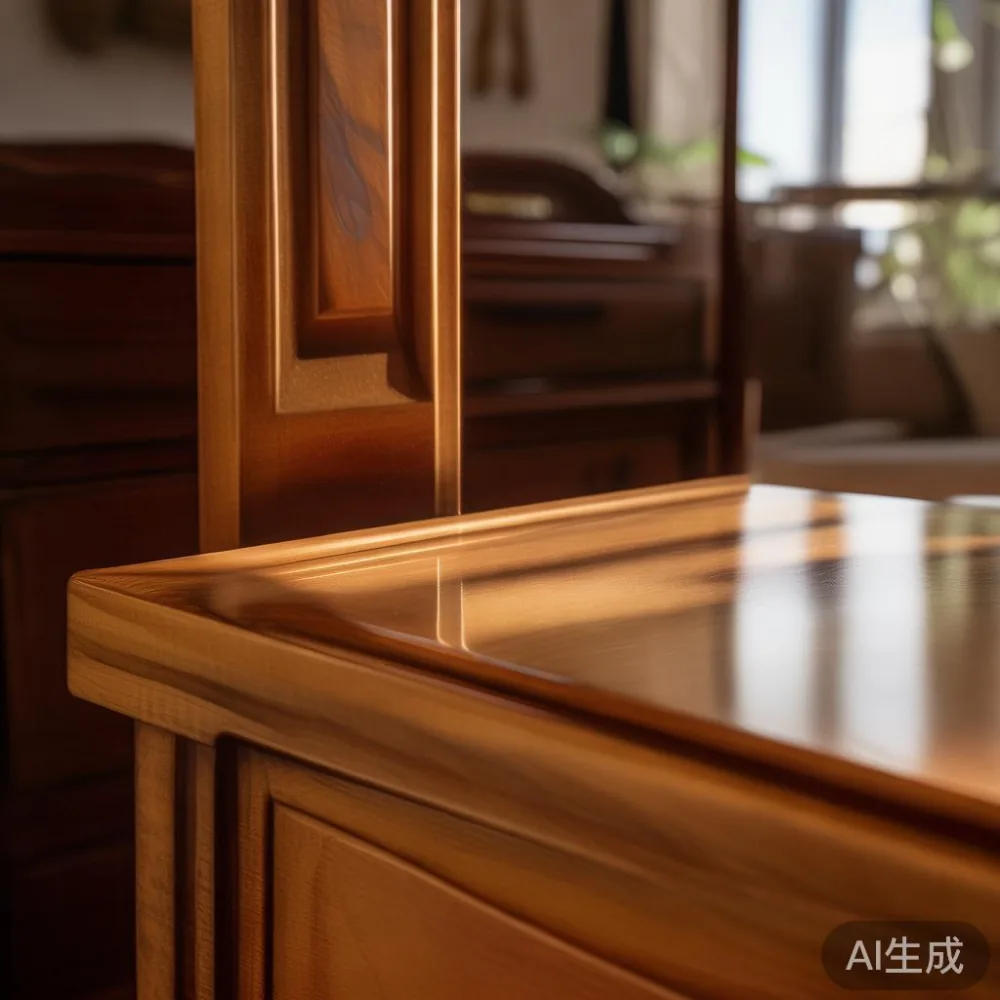
The good news is that routine care can protect the surface for years. The less useful approach is to treat lacquer like a disposable particleboard table, using an aggressive chemical cleaner and a damp cloth every week. A measured routine—gentle cleaning, controlled moisture, sensible placement, and prompt attention to damage—takes less than 15 minutes a month.
At MIDHILL, our approach to lacquered storage pieces is shaped by the same practical question that matters in Singapore: how do we make furniture that feels refined without making it fussy to maintain? The answer begins with understanding the finish and the room around it.
What Is Lacquer, and Why Does Humidity Matter?
Lacquer is a clear or coloured coating applied in thin layers over a prepared substrate. It can create a smooth, reflective surface that is pleasant to touch and easy to wipe. The film is normally more vulnerable to scratches, heat, harsh detergents, and standing water than a hard-wearing oil finish, but it does not deteriorate simply because the air is humid.
Singapore’s high relative humidity is the main reason to pay attention. A comfortable bedroom target is roughly 45–65% relative humidity. During rainy afternoons, a room without adequate dehumidification can reach 75–85%, especially if doors are closed and ventilation is limited. A nightstand near an open balcony door or an ensuite bathroom may experience even more exposure.

Wood naturally expands and contracts as humidity changes. A movement of about 1–2 mm across a 30 cm panel is not unusual for a solid wood component in changing conditions. Lacquer is more rigid than the timber underneath, so repeated swelling and drying can eventually create fine checking marks or stress lines. This does not mean that every lacquered nightstand in Singapore will fail. It means that humidity management and careful water use matter.
Solid wood construction also deserves consideration. A well-made solid wood nightstand with properly finished edges has a better chance of resisting repeated moisture cycles than a poorly sealed composite. Ask the seller about the substrate, lacquer system, edge sealing, and warranty rather than assuming all lacquer is identical.
How Do I Clean a Lacquered Nightstand Safely?
For routine cleaning, use a soft microfibre cloth, clean lukewarm water, and a small amount of mild dish soap. Mix about 1 teaspoon of detergent into a 500 ml bowl of water. Wring the cloth until it is merely damp, then wipe the top in the direction of the grain. Follow with a second, dry cloth so no moisture remains around joints, handles, or the foot area.
Clean once every 2–4 weeks, or sooner after sticky spills. Avoid bleach, ammonia, alcohol, acetone, degreaser, furniture polish with silicone, and abrasive pads. A hidden test area of 2 cm by 2 cm is sensible before using any new cleaner. If the mark changes colour or dulls the sheen, stop immediately.
Never pour water directly onto the nightstand, and never leave a wet glass ring for hours. Use a coaster with a diameter at least 2 cm larger than the glass base. For an insulated bottle or metal tumbler, a silicone or cork mat is preferable because condensation can form underneath.
For fingerprints on a glossy lacquer surface, lightly dampen a microfibre cloth with water and wipe gently. Persistent marks may require a lacquer-safe cleaner approved by the manufacturer. If the surface has a matte finish, test carefully because polish can create shiny patches. A microfibre cloth rated around 200–300 GSM is useful for lifting dust without grinding particles into the lacquer.
How Should I Control Humidity Around the Nightstand?
Place the nightstand at least 15–30 cm away from an exterior wall if space permits, and avoid direct airflow from an air-conditioning vent. A blast of cold air can lower the surface temperature and encourage condensation on a glass placed there. In a compact HDB room where the layout is fixed, use a small tray or mat beneath cold drinks and turn the vent away from the furniture when practical.
Maintain indoor humidity between 45% and 65%. A calibrated hygrometer costs roughly SGD 20–60 and allows you to check rather than guess. If the reading stays above 70% for several hours, run a dehumidifier or use the air conditioner’s dry mode. For a typical 35–45 m² bedroom, maintain at least 60–90 minutes of ventilation after a shower, with doors adjusted for airflow.
Do not rely on scented sachets or charcoal baskets as humidity control. They are pleasant additions, but they do not replace a measured solution. Cedar blocks and moisture-absorbing inserts can reduce odours near a closed drawer, yet they should not be mistaken for dehumidifiers.
Check the nightstand every 3 months for lifted lacquer, white haze, or tiny cracks. Pay special attention where a drawer side meets the carcass. If you find a bubble about 5 mm long, do not press or peel it. Photograph it, stop frequent wet cleaning, and contact the supplier for guidance.
What Is the Right Way to Handle Heat, Sunlight, and Everyday Objects?
Heat is often more damaging to lacquer than a brief splash of water. Keep a nightstand at least 30 cm from a window with direct afternoon sun, especially west-facing exposure. If the surface feels uncomfortable to touch, move it or use a solar screen. Singapore’s ultraviolet index can exceed 10 around midday, and repeated UV exposure may yellow clear lacquer and fade a coloured finish.
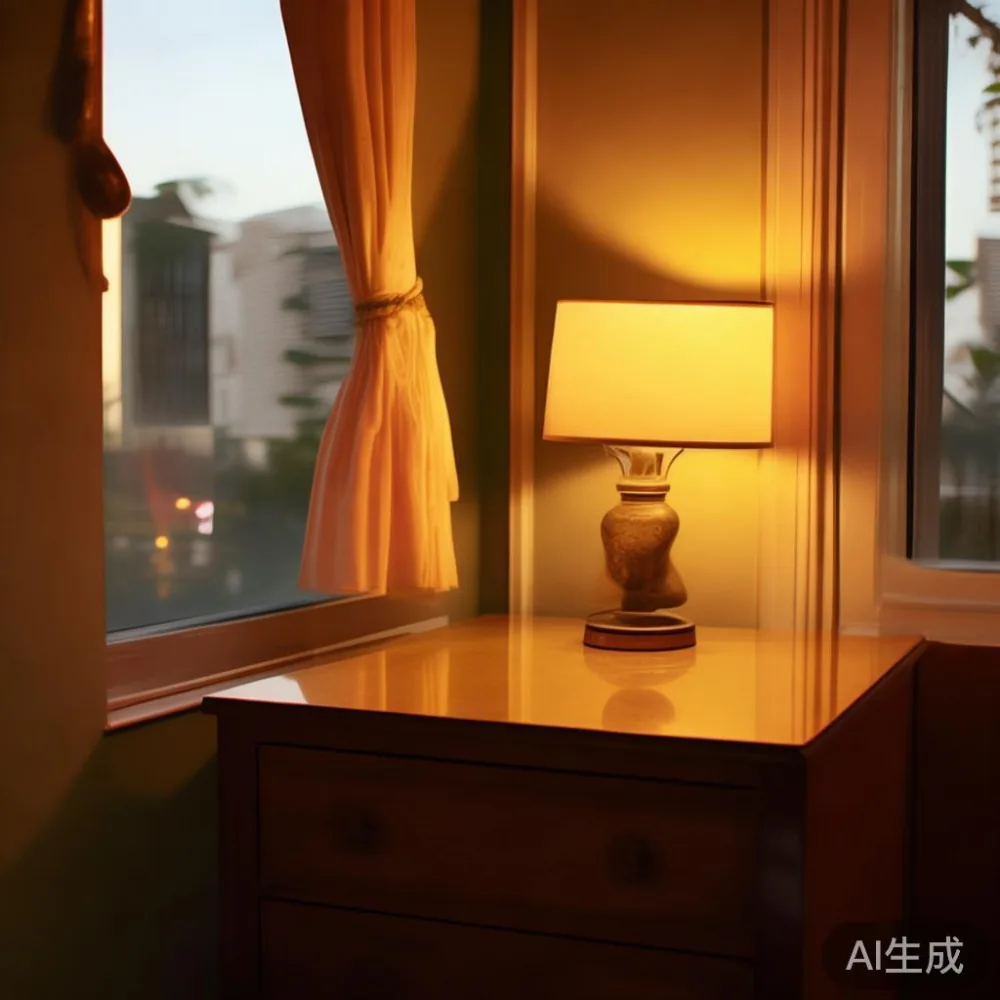
Use a lamp with an LED bulb rather than a hot halogen bulb. LEDs generally run around 40–60°C at the bulb and lower at the shade, while incandescent bulbs may reach 80–120°C. Leave 10–15 cm between the shade and the lacquer when the design allows it. A reading lamp should not bake one section of the top while the rest remains shaded.
For books, laptops, watches, and glass bottles, use separate mats. A laptop that weighs 2 kg should rest on a breathable pad rather than directly on the surface. Sharp jewellery, keys, and pet claws can scratch lacquer. A tray with a 5 mm raised rim can organise a 20 cm by 30 cm daily necessities zone and reduce the chance of a stray scratch.
Lacquer also dislikes rubber left in prolonged contact. Black rubber feet, silicone mats, and certain watch straps can leave marks or stains. Test a mat for 48 hours, then inspect the area under oblique light. If discolouration appears, replace the mat and clean the surface according to the maker’s instructions.
Can Minor Marks Be Removed Without Sanding?
Start with the least aggressive method. For dust, use a dry microfibre cloth. For a fresh smear, use the diluted mild detergent method described earlier. For a shallow scuff, a clean, soft cloth with a small amount of appropriate lacquer care product may improve the appearance, but products vary by finish.
Never sand household lacquer. Even 400-grit sandpaper can create a matte patch that is difficult to blend, and 1000-grit grit can remain visible in side light. Deep scratches, peeling, water staining, and exposed wood are repair matters for the manufacturer or a qualified refinisher.
Prevention is usually faster than correction. Keep the surface free of abrasive dust, use stable coasters, and wipe grit away before it is stepped on or rolled over. If a household accident occurs, collect the details: when it happened, whether the mark is white or dark, whether moisture was involved, and what product made contact. Good documentation helps a repairer select a suitable treatment.
How Do I Choose a Lacquered Nightstand That Will Age Well?
For a Singapore bedroom, ask for a nightstand made from solid wood components with sealed drawer bottoms and properly finished edges. Check that moving parts are clear, that drawer runners are rated for at least 10 kg, and that the finish is described accurately. A practical bedside model might measure 40–50 cm wide, 35–45 cm deep, and 45–60 cm tall, allowing it to sit beside a bed without obstructing the walkway.
Dimensions also matter in local homes. HDB corridors and common lift interiors may restrict the size of a delivered package. Measure the lift door, the corridor turns, and the bedroom entrance before ordering. A compact flat-pack nightstand may be easier to move through a 80 cm lift door than a fully assembled unit. Confirm the packed dimensions, not just the finished dimensions.
Delivery usually takes 5–12 days, depending on stock and the destination within Singapore. GST is added at checkout for local purchases. Check the return window, packaging terms, and what happens if lacquer arrives chipped. Structural quality and after-sales support are useful indicators: MIDHILL was established in 2008, exports to more than 15 countries, provides a 10-year structural warranty, and offers lifetime refinishing. These standards are more relevant than a vague promise that a coating is “waterproof.”
Design language is equally important in compact rooms. French light luxury often pairs pale tones, curved details, and reflective surfaces, so the lacquer should remain restrained rather than mirror-like. American light luxury tends toward clean lines, darker accents, and tactile materials. Post-modern light luxury can introduce a graphic colour or an unexpected shape, which makes careful scale even more important.
For a narrow HDB bedroom, a nightstand with a slim profile and 1–2 drawers often provides more useful storage than a bulky cabinet. A soft-close drawer rated for 8–12 kg gives room for a charging cable, spectacles case, and a 250 ml hand cream. In a condo bedroom with more space, a lacquered pedestal nightstand can coordinate with a solid wood sofa, bed frame, dining table, wardrobe, or marble table elsewhere in the home without making the bedroom feel crowded.
Is French Provincial Sofa Worth It in a Small Singapore Bedroom?
This question may arise when a lacquered nightstand is chosen to complement a French provincial-style room, but the sofa and nightstand serve different needs. A French provincial sofa can bring carved edges, pale upholstery, and a softer silhouette into a bedroom. Its dimensions and maintenance requirements should be checked carefully: a seat width of 180–220 cm is common, although compact variants may be shorter.
The placement of the nightstand should support the bed and sofa without narrowing circulation to less than 60 cm. In an HDB bedroom, an opening nightstand of 40 cm may sit tightly against the wall, while a 45–50 cm unit can create useful drawer access. Avoid forcing a large piece into a lift or corridor simply because the bedroom can technically accommodate it.
Material matching should be quiet. A lacquered nightstand beside a French provincial sofa works well when the finish echoes one or two colours already present rather than competing with every pattern. The same principle applies when researching how to style American bed in bedroom: define the bed as the centre, then use one nightstand, one lamp, and a limited palette. Searches for under 2000 Modern light luxury furniture can help establish a coordinated direction, while Post-modern for small living room offers ideas for using proportion rather than excess to create character.
What Is the Correct Care Routine for the First Year?
Begin with an inspection. During the first 7 days, remove all plastic and foam, check the lacquer under daylight and a warm lamp, and confirm that drawer movement is smooth. Photograph any existing marks. This record can distinguish an initial delivery blemish from later damage.
For days 1–30, establish habits: a coaster for every drink, a pad for a laptop, and a separate tray for keys. Clean the lacquer every 2–4 weeks. Do not apply polish unless the finish manufacturer recommends it.
From months 2–3, check humidity readings and move the nightstand if condensation forms. At the 3-month mark, inspect edges, corners, and drawer joints with a 10× magnifier if available. Every 6 months, check the placement of cables, lamp heat, and direct sun. Replace a coasters or pad that has hardened or discoloured instead of leaving it in contact with the lacquer.
Once a year, review the warranty and refinishing terms. A 10-year structural warranty is separate from cosmetic lacquer coverage, so ask for written clarification on finish defects, water damage, and refinishing charges. If a future finish replacement is needed, obtain a colour reference with the original order; screen light can make two similar whites look different.
Planning a new bed can also shape the care plan. If you are comparing the best Minimalist bed for 2026 with the best light luxury bed for 2026, compare proportions rather than relying on the label. A 150 cm bed may suit a compact HDB bedroom, while a 180 cm king requires more side clearance. Ensure the nightstand top sits within 5–15 cm of the mattress top for an easy reach, and keep the drawer extension from blocking the route to the door.
What Should You Do After an Accident?
Spill water: blot rather than rub, remove the object, and let the surface air-dry. Use gentle airflow, not a hair dryer held close to the lacquer. A hairdryer on cool can be held 30 cm away if needed. If the mark remains after 24–48 hours, contact the supplier.
Apply oil or makeup: do not use nail-polish remover unless the finish maker specifically permits it. Acetone can dissolve the lacquer quickly. Lift residue with a soft cloth and mild detergent, then dry thoroughly.
Scratch the surface: stop using the area, remove nearby grit, and avoid applying an unverified polish. Photograph the mark in daylight and at an angle. Chipped lacquer during transit should be reported within the stated return period, with clear photographs of the packaging.
Peeling or swelling: keep the piece dry, improve ventilation, and seek professional advice. Do not clamp the drawer or apply glue. A swollen joint can worsen under stress, while an early report makes a repair assessment easier.
For a high-use piece, a care calendar can prevent rushed decisions. Set monthly reminders for cleaning, quarterly reminders for humidity checks, and annual reminders for finish inspection. A 10-minute session every 90 days is often enough for a well-placed nightstand.
The aim is not a showroom-perfect surface maintained through constant fuss. It is a nightstand that remains comfortable, functional, and attractive in a real Singapore home. Gentle care, accurate humidity management, and an early response to small marks can preserve the finish through several humid years and repeated daily use.