Singapore’s Climate Care: Maintaining a Lacquered Nightstand
A lacquered nightstand can bring quiet polish to a Singapore home, but humidity, heat and frequent hand contact can make its finish dull or marked sooner than expected. In a compact HDB flat in Tampines, a lacquered nightstand may sit only 40–60 cm from a wall and close to an open window. In a Bedok condo, it might occupy a tight bedroom corner where air-conditioning switches off overnight. These small details matter because tropical care is less about complicated products and more about controlling moisture, heat and abrasion.
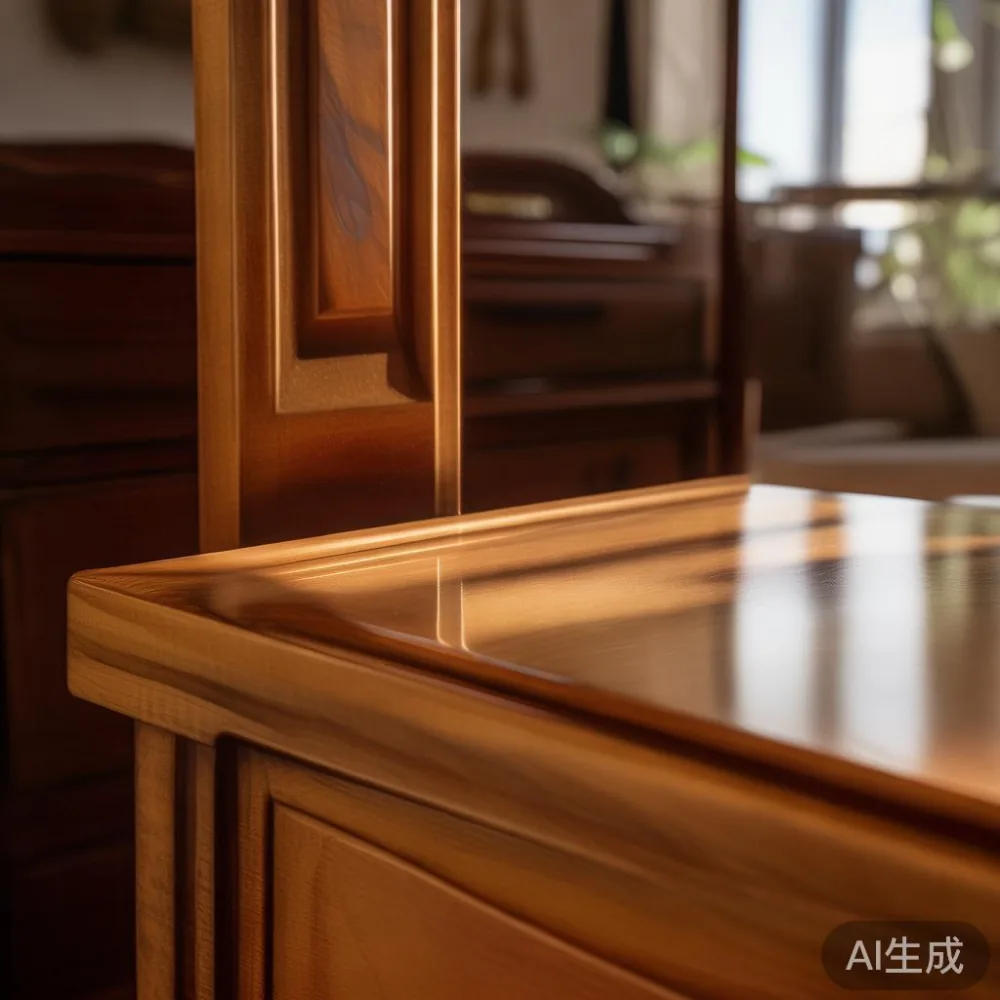
This guide explains how to protect a lacquered solid wood nightstand while keeping its clean, light-luxury appearance. It also considers the realities of local delivery, lift access, GST and the furniture choices around it. MIDHILL has exported solid wood furniture to more than 15 countries since 2008, and its approach combines a 10-year structural warranty with lifetime refinishing support. A nightstand should be practical enough for daily use and refined enough to sit beside a solid wood sofa, bed frame, dining table, wardrobe or marble table without looking out of place.
What Is a Lacquered Surface?
Lacquer is a clear or coloured finish applied in thin layers over prepared timber. The wood may be solid, veneered or engineered, so check the product specification before assuming that a “wood” nightstand is solid throughout. MIDHILL nightstands can be selected in suitable solid wood constructions, but each design and finish should be confirmed by material, dimensions and finish availability.
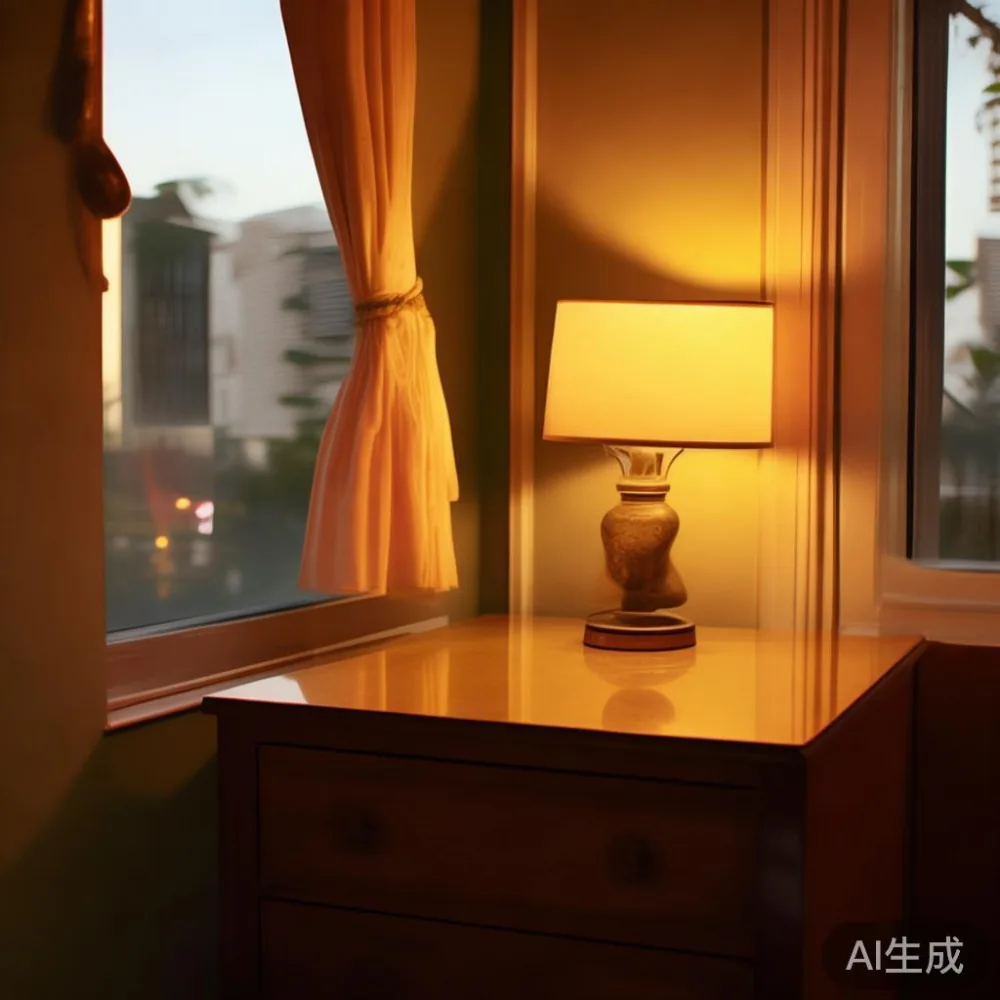
Many lacquer systems contain resin plus solvents or water-based components. A cured surface may resist ordinary wiping, yet it can react to standing water, alcohol, ammonia, silicone, furniture polish and prolonged sunlight. It may also develop fine scratches, clouding or edge marks. These are surface-finish issues rather than automatically a structural failure.
Ask the supplier for the exact finish type, cleaning instructions and repair process. If the answer is simply “use any cleaner,” continue asking until you receive clear guidance. For a product expected to serve for 10 years or more, documentation is as useful as the appearance.

How Often Should I Clean a Lacquered Nightstand?
Dust it weekly with a soft, dry microfibre cloth. In a humid room, use a slightly damp cloth every 2–4 weeks, followed by a dry cloth within 1 minute. The cloth should be wrung out rather than dripping. A 20 cm cloth is easy to handle around handles and drawer fronts, while a 30 cm cloth covers larger panels more efficiently.
Do not clean on a fixed calendar alone. Wipe spills immediately, especially water, juice and medication liquid. A phone charging cable, watch, keys or a damp pair of glasses can leave an oily transfer after 24–72 hours. In high-use bedrooms, inspect the top and front edge once a month. You can place a folded paper towel under the phone overnight, but replace it every 1–2 days in humid weather.
Test any cleaner on a hidden area measuring roughly 5 cm by 5 cm. Wait 24 hours, then check for dullness, colour change or tackiness. This test matters because “lacquer-compatible” products can still affect a particular topcoat. Use 2–3 drops of mild pH-neutral dish soap in 500 ml of water for general cleaning, unless the manufacturer gives different directions.
How Do You Clean Lacquer Without Damaging It?
Use this simple sequence:
- Remove objects and unplug charging cables.
- Dust loose particles with a dry microfibre cloth.
- Wipe with a clean cloth lightly dampened with diluted mild soap.
- Use a second, dry cloth to remove moisture.
- Allow the nightstand to air for 10–20 minutes before replacing objects.
Never use a soaking wet cloth, abrasive sponge, wire wool or scouring powder. Avoid “cif”-type cleaners, bleach, vinegar, ammonia, acetone, nail-polish remover and alcohol-based glass cleaner. Even diluted vinegar can dull some lacquer films. Do not apply wax, oil or silicone-based furniture polish unless the finish supplier explicitly approves it. These coatings can make a surface look attractive briefly but complicate future refinishing.
Place coasters or mats under pens, cups and cosmetics. A coaster should have at least a 2 cm border beyond the object’s base. For a warm drink, use a heat-resistant pad rated to at least 80°C. Do not set a steaming mug directly on lacquer; condensation can work underneath the coaster.
Can Humidity Cause a Lacquered Nightstand to Peel?
Humidity can affect lacquer, but peeling is not caused by humidity alone. Common contributors include poor surface preparation, incompatible primers, thin application, heavy impacts, trapped moisture and ageing. Singapore’s outdoor relative humidity can reach 80–90% during wet periods, while air-conditioned bedrooms may fall to 40–55%. A nightstand near an open window can therefore experience daily moisture swings of 20–40 percentage points.
Keep it 30–60 cm away from windows, bathroom doors and exterior walls where possible. If the room has persistent condensation, use a dehumidifier set around 55–60% relative humidity rather than relying on a cheap moisture absorber alone. A compact unit capable of removing 10–12 litres per day may suit an HDB bedroom; confirm the room size before buying.
Good airflow helps. Leave 3–5 cm behind the nightstand when the layout allows, and avoid pushing it tightly against a cold exterior wall. Do not run a humidifier directly towards it. A digital hygrometer placed 1 metre above the floor can show whether the local environment is stable.
How Can I Remove Small Marks and Scratches?
Start with the least aggressive method. A clean microfibre cloth can often remove fingerprints and dust in under 30 seconds. For a fresh stain, use a lightly damp cloth with mild soap and pat rather than scrub.
For fine surface scratches, some suppliers recommend a lacquer-safe touch-up product. Test it on the hidden 5 cm by 5 cm area and wait 24 hours. Apply only 1–2 drops with a fine cloth, then allow 24–48 hours for the repair to settle. Deep scratches, lifting lacquer, burns or broad dull patches need professional assessment rather than household remedies.
A soft silicone or rubber furniture wedge can sometimes lift a drawer that has swollen after humid nights. Use 10–15 cm of gentle use and never strike the cabinet. If a drawer jams repeatedly, have it inspected. Do not force it with a screwdriver; that can tear lacquer and damage runners.
Is a Nightstand Too Big for a Typical Singapore Bedroom?
Measure the room before ordering. A common bedside width is 45–60 cm, while the depth may be 35–45 cm. In an HDB flat, a standard bedroom might be around 9–12 square metres, but a 3.0 metre-wide bed can leave only 35–55 cm on each side once a nightstand is included. A 50 cm-wide model can work, yet a 70 cm unit may obstruct a wardrobe door or circulation route.
Check the delivery route as carefully as the room. HDB lift doors may measure about 80–90 cm wide and 200–210 cm high, while some service or passenger lifts offer less clearance. A boxed nightstand wider than 80 cm can still pass diagonally, but turns in a corridor may make that impossible. Request the carton dimensions, not only the assembled dimensions. Add at least 5 cm of handling clearance and keep the product upright if the maker instructs this.
Singapore delivery commonly takes 3–7 working days for stocked or standard configurations, while custom finishes can require 4–8 weeks. Confirm the exact lead time, lift surcharge and assembly terms. GST is added at checkout; a SGD 690 nightstand becomes SGD 738.60 when the 9% GST applies. Orders above US$350 qualify for MIDHILL’s free shipping offer, but the shipping destination and freight terms should be confirmed for the final quotation.
Is European Light Luxury a Good Finish Style for a Bedroom?
European light luxury, American light luxury and post-modern light luxury often favour pale woods, restrained profiles, gentle metal details and uncluttered storage. Those qualities can suit a lacquered nightstand in a Tampines flat or a Punggol condo, particularly where the bedroom is small and visual clutter is limited. The finish should support the wood grain rather than disguise it with a thick, orange-peel texture.
European light luxury for office is a related search often used for desks and workspaces, but the same finish discipline carries into bedside furniture. Warm, dim lighting can make pale lacquer look softer. However, direct afternoon sun can fade both lacquer and exposed timber, so curtains or UV film are useful even in rooms without external blinds.
It is also sensible to evaluate adjacent pieces. If your room contains a solid wood sofa, dining table or wardrobe, compare colour samples under evening light. If a marble table is already present, cool stone and pale timber can balance one another. Designers looking for the best Nordic sofa for 2026 may appreciate this restrained palette, though sofa fabric and nightstand finish should be considered together rather than in isolation.
Should You Choose a Lacquered or Oiled Nightstand?
Lacquer offers a sealed appearance, convenient wiping and good resistance to ordinary stains. It suits busy bedrooms where fast, low-mess cleaning matters. Oiled wood, by contrast, often feels more tactile and can show grain changes sooner, but it may be easier to maintain with manufacturer-approved oil if the surface is already compromised.
The right answer depends on household habits. Families with children, frequent visitors or devices charging on the nightstand may favour lacquer with coasters and removable mats. A collector who values a natural patina may prefer oil. Always request a physical finish sample rather than relying on a screen image.
Other bedroom purchases deserve similar attention. A guide to how to choose Japanese bed can help with clearance and style, while Japanese bed vs Mid-century modern bed is mainly a question of visual language and room proportion. For storage, how to choose European wardrobe matters because door swings and drawer travel require space. Is European light luxury wardrobe worth it depends on the construction, hardware, finish and dimensions—not the label alone.
What Should I Do If the Finish Is Already Damaged?
Document the problem before cleaning it. Take a clear photograph in daylight and another with a small ruler beside the mark. Record humidity, the cleaner used and the time of the incident. A 10 cm ruler gives a useful visual scale when the maker or refinisher reviews the finish.
Contact the seller before using solvents or abrasive products. MIDHILL’s lifetime refinishing service may cover eligible refinishing work, but the scope should be confirmed in writing because wear, misuse and accidental damage may be treated differently from a manufacturing issue. The company was established in 2008, and its 10-year structural warranty addresses structural integrity rather than every scratch on a lacquer film.
If the nightstand was returned to MIDHILL, package it according to the maker’s instructions, avoid sealing moisture inside the carton and retain the order number. Minor marks should not be handled with aggressive chemicals while waiting for advice.
What Is the Simple Care Routine for Singapore Homes?
A reliable routine takes less than 10 minutes each week. Dust the top and drawer fronts for 2 minutes. Check for spills and rings for another 2 minutes. Wipe any marks with a barely damp cloth and dry the surface for 2 minutes. Once a month, check the back edge and underside near the floor for dampness, then inspect the charging area for oily residue. Every 3 months, confirm that the unit remains 30–60 cm from an open window and that its rear gap has not closed.
Use coasters, remove wet objects promptly and keep drinks in lidded containers where possible. Rotate small decorative objects so one patch does not become permanently discoloured. Do not stack heavy items on the lacquered top; a 2 kg stack can scratch and locally load the surface.
Last month, I visited a colleague in Bedok and tested a similar lacquered nightstand beside an air-conditioning vent. A 20 ml spill was left for 20 minutes, then wiped with water and a microfibre cloth. The surface dried without a visible ring, while a silicone-based furniture polish left a temporary haze that took several careful wipes to remove. That experience confirmed that the simplest products—water, mild soap and a dry cloth—were safer than the tempting “shine” products under the sink.
With sensible humidity control and gentle cleaning, a lacquered nightstand can retain a composed, light-luxury character for years. Protect the surface from heat, water and abrasion, use the maker’s approved care guidance, and address marks early. The goal is not a spotless display cabinet; it is a durable bedside piece that still feels considered after 1,000 ordinary nights.