Nightstand Costs Over 5 Years: Veneer or Solid Wood?
A nightstand is often the first piece of furniture people replace after moving into a new home, yet its purchase price tells only part of the story. In Singapore, a veneer nightstand may look similar to a solid wood nightstand at handover, but the two can behave very differently after five years of humid weather, daily use, lift journeys, and occasional furniture moves. The right comparison is not simply what fits on the first invoice; it is what each option costs to own, maintain, repair, and eventually resell.

For a compact bedroom in Tampines, Bedok, or Punggol, a nightstand measuring 45–55 cm wide, 35–45 cm deep, and 50–60 cm tall is a practical starting point. That scale also matters for HDB flats and condos where corridors can measure about 90–120 cm wide and passenger lifts may offer an internal depth of only 110–140 cm. A boxed veneer unit may be lighter and easier to carry, while a solid wood nightstand can weigh 18–30 kg. Both should be measured before purchase, including the carton, rather than relying on showroom convenience.
This comparison uses Singapore pricing in SGD and includes the effects of GST. A typical quality veneer nightstand may cost SGD 180–420 before GST, while a solid wood nightstand may cost SGD 420–900 before GST. Over five years, finishes, cleaning, repairs, and likely resale value can narrow or even reverse the apparent saving. The figures below are planning estimates rather than fixed quotations, because timber grade, dimensions, hardware, and delivery distance all affect the final bill.
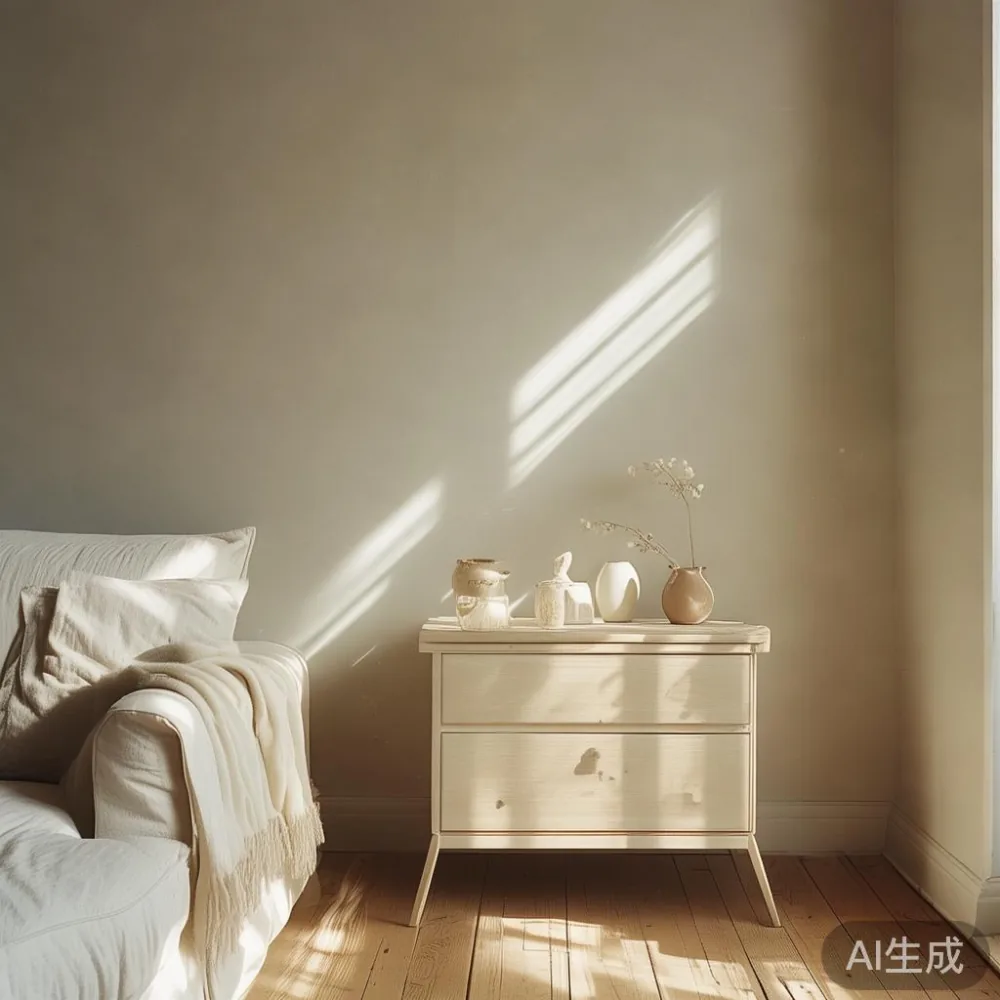
What does a veneer nightstand cost over five years?
Veneer is a thin layer of timber, usually around 0.6–1.2 mm thick, bonded to a manufactured board such as MDF or particleboard. The visible face may look like oak, walnut, or another premium species, but it does not provide the same depth of repair as solid timber. For a 50 cm-wide nightstand, the board itself may weigh roughly 12–22 kg depending on its construction.
Assume a mid-range veneer nightstand priced at SGD 300 before GST. With 9% GST, the purchase cost is SGD 327. Add SGD 40 for delivery and assembly, producing a first-year outlay of SGD 367. During five years of normal use, allow around SGD 25 per year for cleaning products, small surface care, and one minor repair, or SGD 125 in total. A damaged edge, swollen base, or failed drawer runner may require SGD 80–180 for repair. This produces a realistic five-year ownership cost of approximately SGD 492–672, excluding any resale value.
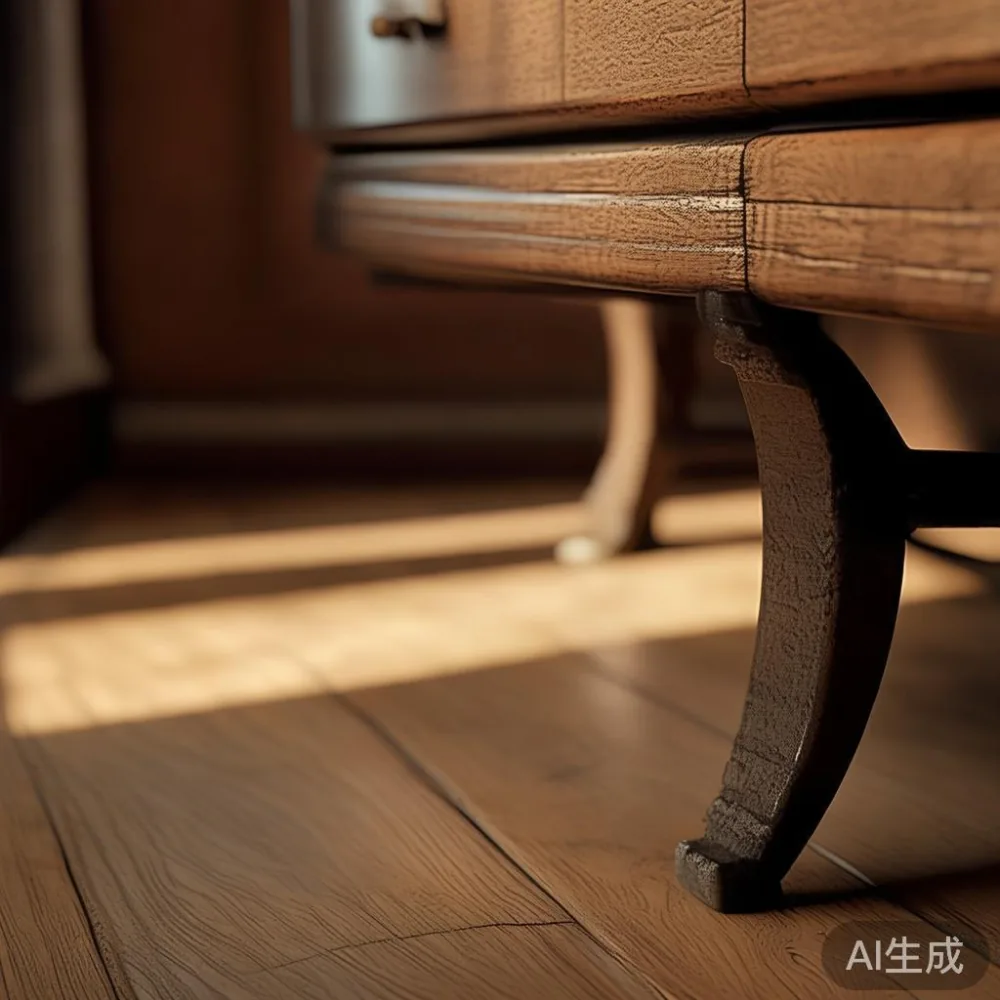
Humidity is a central factor in Singapore. HDB and condo interiors may remain near 70–80% relative humidity, particularly during monsoon periods, while an air-conditioned bedroom can fluctuate more sharply as doors open and closed. Good veneer furniture uses moisture-resistant adhesive and sealed edges, but exposed particleboard can still swell if a water ring is left on the surface. A nightstand beside a bed or near an ensuite is more exposed than a wardrobe placed against a dry internal wall.
The long-term financial advantage of veneer comes from its lower entry price and low weight. If a family moves twice during five years and spends about SGD 45–70 each time to carry, dismantle, and reassemble the unit, a lighter veneer nightstand may save SGD 90–140 in labour. Transport charges also tend to be lower because the piece can fit through a lift more easily and requires less careful handling.
Its resale position is more modest. After five years, a well-maintained veneer nightstand might recover 25–45% of its original purchase price, compared with 45–70% for a sound solid wood nightstand. Those percentages reflect different markets and conditions, so they should be treated as ranges rather than guaranteed offers. An older solid piece can also be refinished, while a thin veneer face usually cannot be sanded back deeply without exposing the board beneath.
What does a solid wood nightstand cost over five years?
A solid wood nightstand uses timber throughout the visible and structural components. Common choices for Singapore homes include white oak, ash, rubberwood, acacia, and teak, with moisture content controlled for tropical conditions. A 50 cm unit in kiln-dried hardwood may weigh 18–30 kg. The extra mass can make delivery more difficult, but it also creates a firmer drawer action and a structure that can be repaired locally.
Assume a solid wood nightstand costing SGD 650 before GST. The price becomes SGD 708.50 with GST, and a lift delivery with placement in the bedroom may add SGD 60–120. At SGD 90, the initial total is SGD 798.50. Annual care may cost about SGD 15–35 for suitable cleaner and wax or oil, giving a five-year maintenance allowance of SGD 75–175. Minor drawer adjustments and hardware replacement may add SGD 40–100. The estimated five-year cost is therefore SGD 834–1,073 before resale credit.
That total can look higher than veneer, but the ownership value changes when a repair is required. A drawer runner can cost SGD 20–50 to replace, while a damaged wooden side can be pieced, filled, and refinished for roughly SGD 60–150. Sanding and refinishing the whole nightstand may cost SGD 180–350. For veneer, replacing an entire matching top panel can cost SGD 120–260 and requires access to the original material or careful colour matching.
Solid wood also responds better to a careful refinishing cycle. Minor scratches can be treated without replacing the panel, and a tired finish can be renewed while preserving the grain. MIDHILL provides a 10-year structural warranty and lifetime refinishing on qualifying pieces, which reduces uncertainty around future repairs. The actual cost still depends on the finish, timber movement, and whether the service is used once or several times.
For buyers comparing adjacent room pieces, the same construction logic extends to a solid wood sofa, bed frame, dining table, or wardrobe. A solid wood dining table may weigh 55–90 kg and require a larger delivery crew, while a bed frame must be checked for lift access before arrival. These comparisons should be made by function and construction, not by applying one furniture-wide savings figure.
Is a veneer nightstand cheaper after five years in Singapore?
Not necessarily. Veneer usually wins at purchase and during repeated moving, but solid wood can offer the lower five-year cost if the nightstand stays in one home and receives ordinary care. The tipping point depends less on the initial price than on repair exposure, delivery conditions, and the owner’s resale plans.
Consider a 50 cm-wide veneer nightstand bought for SGD 300 before GST. Assume two moves, SGD 140 in move labour, SGD 100 in maintenance and minor repairs, and SGD 40 in delivery and assembly. The gross cost reaches SGD 580. If it later sells for SGD 110, net ownership cost is SGD 470.
A solid wood nightstand bought for SGD 650 before GST may involve SGD 90 in delivery, SGD 60 in move labour, SGD 100 in care and repairs, and no replacement panel. Its gross cost is SGD 900. If it resells for SGD 360, net ownership cost falls to SGD 540. On those assumptions, veneer remains slightly less expensive, but the difference is only about SGD 70. If the veneer unit suffers one SGD 180 edge replacement and sells for only SGD 75, its net cost becomes SGD 685, exceeding the solid wood result.
These are scenarios, not promises. A badly maintained unit can be expensive regardless of material, while a well-kept solid wood nightstand can age into a piece that feels more deliberate in the bedroom. This is where French light luxury, American light luxury, and post-modern light luxury become relevant. The objective is not to display an expensive timber, but to create proportion, tactile warmth, and calm in a room. A restrained solid wood nightstand with slim pulls and balanced storage can deliver that effect without turning the bedroom into a showroom.
How do humidity, lift access, and GST affect the comparison?
Singapore’s climate should be included in any honest five-year calculation. Relative humidity commonly reaches 75–85% outdoors, and indoor levels of 65–80% are plausible. Solid wood can move by roughly 1–3 mm across a 50 cm width as humidity changes. Good joinery accommodates this movement; poor construction can make drawers bind or panels crack. Veneer offers dimensional stability, yet its thin skin and board edges remain sensitive to moisture if the protective finish breaks down.
Before ordering, ask for the finished dimensions and shipping weight. For an HDB block, a nightstand carton of 58 cm by 48 cm by 62 cm can usually negotiate a standard lift and corridor more easily than a bulky 70 cm-wide unit. In a condo, the lift booking may include a service charge of about SGD 20–80, while extra carrying beyond the lift lobby can add SGD 10–30 per level. A solid wood nightstand weighing 25 kg may need two people; a 16 kg veneer unit may need only one.
GST must also be stated clearly. A visible subtotal of SGD 300 becomes SGD 327, while SGD 650 becomes SGD 708.50. Online purchases may include GST in the displayed price, so comparing raw catalogue numbers can misstate the true difference by about SGD 27–59. Keep the GST line, delivery fee, and assembly charge together when evaluating offers.
Finish choice affects longevity. A water-based matte coating may need gentle cleaning and periodic renewal, while a harder factory finish can withstand daily contact but may show wear more clearly. Avoid placing a nightstand directly beneath an open window or beside a humid ensuite door. Maintain roughly 30–60 cm of ventilation where possible and use coasters with a diameter of at least 8 cm. If a spill occurs, blot it within 5 minutes rather than rubbing the surface.
What maintenance costs should you budget for each nightstand?
For veneer, create a small five-year care fund of about SGD 100–250. Include a pH-neutral cleaner, a microfibre cloth, felt pads, and one probable hardware adjustment. The main risks are edge swelling, peeling veneer, scratches, and failed drawer components. Inspect the underside every 6 months for lifting edges or damp patches. Keep drinks in a separate tray and avoid using solvent cleaners on the finished face.
For solid wood, reserve roughly SGD 150–350 over five years for cleaning, wax or oil, drawer maintenance, and occasional touch-ups. Sanding should not be treated as routine housekeeping; remove superficial marks with the finish recommended by the maker. Check tightness of the nightstand’s anti-tip hardware every year. A proper wall restraint can add SGD 10–25 and is particularly sensible in a family household.
Cleaning frequency matters less than technique. Light dusting twice a month and wiping a contacted surface once a week is usually enough. Allow furniture to acclimatise for 24–72 hours after delivery. Keep it at least 10–15 cm from a wall if ventilation is poor, and do not place it directly on a freshly painted or damp floor.
The nightstand should also be judged within the bedroom’s broader material scheme. If the bed frame is solid wood, a matching nightstand can create visual continuity, while a veneer unit with convincing grain may be adequate where budget is controlled. If the room includes a solid wood sofa, marble table, or timber wardrobe, avoid excessive grain matching; repeated patterns can feel busy rather than composed.
How do you style a nightstand without overspending on material?
Start with proportion. In a compact HDB bedroom, a nightstand between 45 and 55 cm wide is often easier to live with than a large 65–70 cm piece. The top should sit close to mattress height, usually within 5–15 cm, so the drawer can be used without leaning. A width of 40 cm can suit a narrow Punggol studio, but a 35 cm-deep model may not hold a phone charger, glass, and book comfortably.
Then choose the visual language. French light luxury often uses pale oak, creamy walls, curved edges, linen textures, and aged brass. American light luxury leans toward walnut, deeper upholstery, bronze details, and generous proportions. Post-modern light luxury can pair a simple timber nightstand with one contrasting lamp or small sculptural object. The point is restraint: one material, one dominant colour, and one decorative layer usually create more perceived quality than several competing finishes.
A lamp is worth measuring carefully. A shade of 25–35 cm can fit a 45 cm nightstand without crowding it. Warm LED light around 2,700–3,000K suits a residential bedroom better than very cool light, and a 6–9 W bulb is adequate for reading. Cable management prevents the nightstand top from becoming a charging station; a rear clip or underside tray can keep adapters concealed without cutting timber.
For wider room schemes, there are useful reference points: knowing how to choose European bed helps with scale, how to style light luxury sofa in room helps establish a living-room palette, and Modern light luxury dressing table ideas can show how a single elegant material behaves in a compact space. For guest accommodation, Industrial for guest room styling suggests metal, dark timber, and simple utility. None of these labels should substitute for checking dimensions, moisture control, and actual construction.
Lighting, textiles, and the nightstand’s spacing can influence a room more than a change between veneer and solid wood. A plain veneer nightstand in a considered setting may look entirely convincing. The case for solid wood rests on durability, repairability, and the way the material feels over time, not merely on its species label.
Which five-year option should Singapore buyers choose?
Choose veneer when the purchase budget is SGD 250–400 before GST, the unit may move twice, and a dry bedroom is available. Choose solid wood when the nightstand will remain in one home, the household values repairability, and the budget allows roughly SGD 500–800 before GST. If the expected repair, refinishing, and resale value are included, solid wood may be the more economical long-term choice despite its higher invoice.
Good sellers should disclose the construction. Ask whether the visible panels, drawer sides, and frame are solid timber or veneer over engineered board; do not accept “wood look” as a sufficient description. Request the timber species, finished dimensions, weight, finish type, drawer hardware, warranty terms, and delivery method. For a mid-range solid wood nightstand, a purchase near SGD 550–700 before GST offers room to compare construction without treating price as the only measure.
Delivery protection also deserves attention. MIDHILL offers free shipping above US$350, a 14-day return period, a 10-year structural warranty, and lifetime refinishing on qualifying products. Those provisions can make replacement risk easier to manage, although buyers should still confirm the local delivery terms, GST treatment, lift charges, and return conditions for a Singapore order.
My own test was practical rather than showroom-based. Last month, I visited a colleague’s Bedok condo and compared two similar 50 cm nightstands during a 14-day trial: one veneered unit weighed 17.6 kg, while the solid wood version weighed 24.3 kg. The lighter one passed through the building’s 110 cm-wide lift door with less turning, and the solid one needed the carton angled carefully. After both stood beside the bed for 14 days at an indoor humidity of 68–76%, neither showed obvious swelling. The decisive observation came when a teaspoon of water was left on each top for 30 minutes: the veneer’s sealed surface recovered after wiping, but the solid wood panel held a faint mark until gently dried. That did not mean the solid piece performed worse; it showed that finish, wipe direction, and prompt cleaning affect both materials.
The five-year cost comparison therefore lands on a balanced answer. Veneer commonly saves SGD 150–350 at purchase and may reduce moving costs, but a repair can erase much of that gap. Solid wood costs more initially and demands more careful transport, yet offers stronger repair options and often stronger resale appeal. For a Singapore nightstand, the financially sound choice is the one whose construction, delivery route, and maintenance habits match the home—not the one presented as simply more luxurious.