Beyond the Surface: The True 5-Year Cost of Solid Wood vs Veneer Nightstands in Singapore
In the compact living spaces of Singapore, from the efficient corridors of HDB flats in Tampines to the slightly more expansive layouts of condos in Bedok and Punggol, every piece of furniture must earn its place. The nightstand, perched beside your bed, is more than just a shelf; it's a functional anchor and a design statement. Choosing between a solid wood nightstand and a veneer version involves more than just aesthetics; it's a long-term financial decision. This analysis breaks down the tangible costs over five years, incorporating Singapore-specific factors like GST, delivery realities, and the demands of local living.
Understanding the Materials: Solid Wood vs. Veneer Nightstands
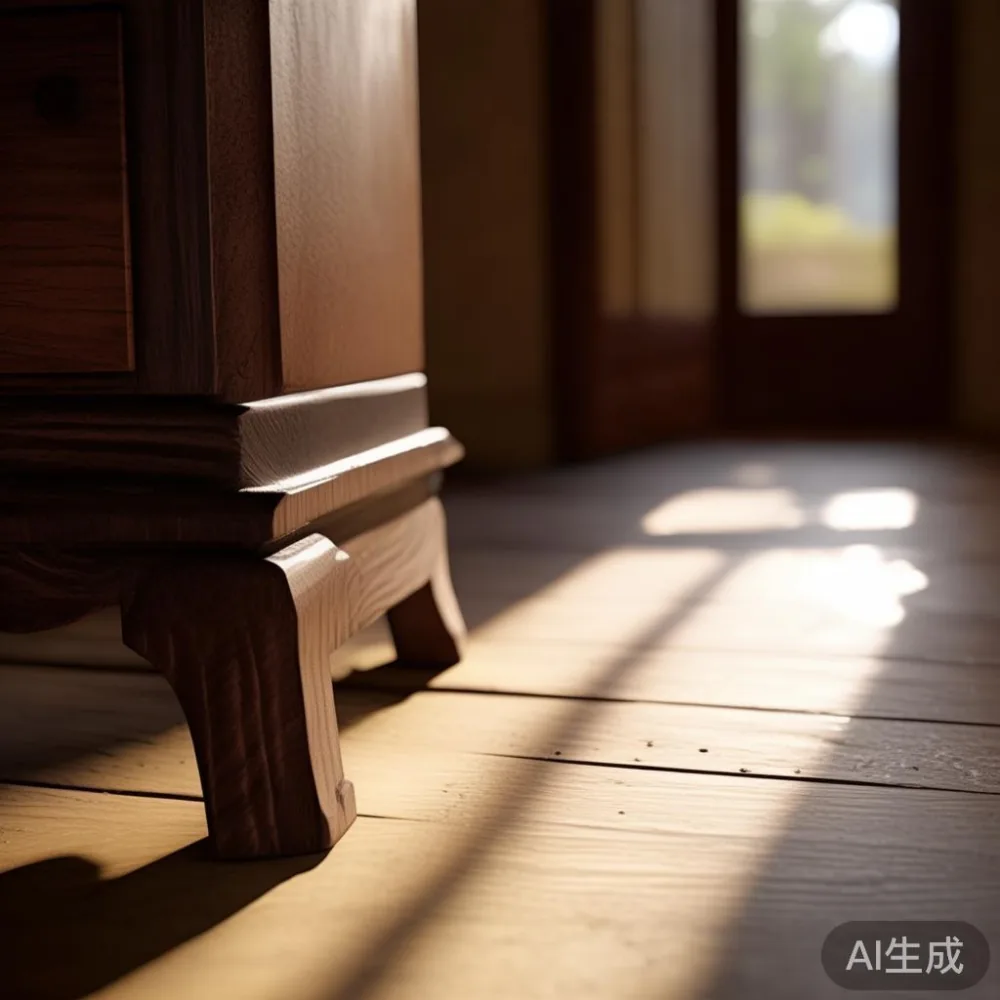
Solid wood nightstands are crafted from a single piece or multiple solid wood components joined together. Common woods used include oak, mango, or acacia, known for their durability and natural grain variations. A typical solid wood nightstand might measure 45cm wide x 40cm deep x 60cm high and weigh between 15kg to 25kg. Veneer nightstands, on the other hand, feature a thin layer of real wood (the veneer) applied over a core material like particleboard, MDF, or plywood. This core is significantly cheaper and lighter. A comparable veneer nightstand might weigh only 8kg to 12kg. The initial price difference is often the most noticeable factor, but the true cost emerges over time.
The Upfront Investment: Price Points and Singapore GST
When purchasing furniture in Singapore, the Goods and Services Tax (GST) of 9% is applied to the listed price. This affects the initial cost significantly. A solid wood nightstand from a reputable brand like MIDHILL might start around SGD 450 before GST. Adding 9% GST brings it to approximately SGD 490.50. Delivery for such a piece within Singapore typically takes 3-5 business days and might cost SGD 30 to SGD 50, depending on the location (e.g., Tampines vs. Punggol) and building access. In contrast, a veneer nightstand might be priced around SGD 250 before GST. Adding GST brings it to roughly SGD 272.50. Delivery costs are often similar, SGD 30 to SGD 50. The upfront savings for veneer is clear: SGD 490.50 (solid wood) vs. SGD 322.50 (veneer), a difference of SGD 168. However, this initial saving is only the beginning of the financial story.
Durability Under Singapore's Humid Climate: A 5-Year Perspective
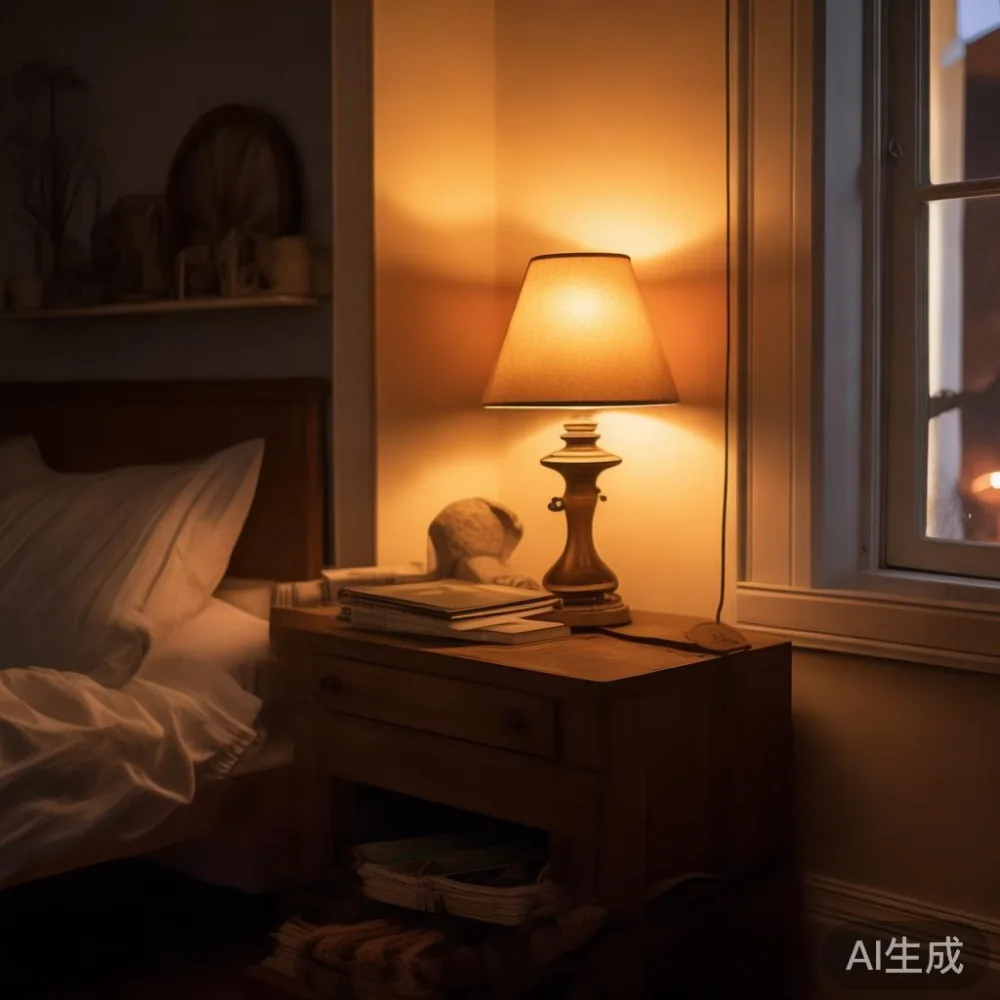
Singapore's high humidity (often averaging 80%+) poses a significant challenge for furniture. Solid wood nightstands, especially those made from dense hardwoods like oak or acacia, are inherently more resistant to warping and cracking caused by moisture fluctuations. They breathe naturally, adjusting to the environment. Veneer nightstands are vulnerable. The thin wood layer can peel, bubble, or warp at the edges if the underlying core material absorbs moisture. Particleboard and MDF, common in veneer cores, are particularly susceptible. Particleboard can swell and disintegrate when exposed to dampness. A colleague in our Singapore showroom recently recounted a customer's experience: a veneer nightstand placed near an aircon unit in a Bedok condo developed severe peeling within 18 months. Repair was impractical; replacement was the only option. Solid wood, while not immune to humidity changes, holds its structural integrity far better over five years. The risk of needing replacement due to climate-related damage is substantially higher with veneer.
Maintenance Costs: Refinishing vs. Replacement
Over five years, maintenance becomes a key cost driver. Solid wood nightstands offer longevity. Minor scratches can often be buffed out. More significant wear, like deep scratches or water rings, can be addressed by refinishing. Reputable brands like MIDHILL often offer lifetime refinishing services, meaning the cost of professional refinishing to restore the nightstand's original beauty is covered under warranty. This eliminates a major potential expense. Veneer nightstands present a different picture. Once the veneer is damaged – scratched, chipped, or peeled – it cannot be sanded and refinished like solid wood. The damage is usually permanent and visible. Repairing veneer is complex, expensive, and often results in a noticeable patch. If the core is damaged, the entire nightstand is typically unsalvageable. The cost of replacing a damaged veneer nightstand after 2-3 years would be roughly the same as the initial purchase price plus delivery and GST (SGD 322.50), effectively doubling the cost over five years if replacement is needed.
Is Veneer Really Cheaper in Singapore After 5 Years?
Let's model a 5-year cost scenario for a typical Singapore home, considering both best-case and worst-case scenarios for veneer. We assume the nightstand is used daily and exposed to normal household humidity.
Scenario 1: Solid Wood Nightstand (MIDHILL Example)
- Initial Cost (SGD 450 + 9% GST): SGD 490.50
- Delivery (SGD 40 average): SGD 40.00 li>
- Maintenance: Covered under lifetime refinishing warranty. Potential minor touch-up kit cost (if any): SGD 20.00 (optional)
- 5-Year Total: SGD 550.50 (or SGD 530.50 without optional kit)
Scenario 2: Veneer Nightstand (Best Case - No Major Damage)
- Initial Cost (SGD 250 + 9% GST): SGD 272.50
- Delivery (SGD 40 average): SGD 40.00
- Maintenance: Occasional wood polish (SGD 15/year x 5 years): SGD 75.00
- 5-Year Total: SGD 387.50
Scenario 3: Veneer Nightstand (Worst Case - Core Damage or Severe Veneer Failure)
- Initial Cost (SGD 250 + 9% GST): SGD 272.50
- Delivery (SGD 40 average): SGD 40.00
- Maintenance (Year 1-2): SGD 75.00 (polishing)
- Replacement Cost (Year 3 - SGD 250 + 9% GST): SGD 272.50
- Replacement Delivery (Year 3): SGD 40.00
- Maintenance (Year 4-5): SGD 30.00 (polishing)
- 5-Year Total: SGD 730.00
The analysis reveals that while veneer *can* be cheaper if it survives unscathed (Scenario 2), the risk of needing replacement due to Singapore's climate and daily use makes the 5-year cost unpredictable. In the worst-case scenario (Scenario 3), veneer costs significantly more than solid wood over five years. Solid wood provides consistent, predictable long-term value.
Resale Value and Aesthetic Longevity
Solid wood furniture generally holds its value better over time. A well-maintained solid wood nightstand from a known brand like MIDHILL might retain 40-60% of its original value after five years if styles remain relevant. Veneer furniture, especially lower-end options, often has negligible resale value. Its appearance can also degrade faster, even without catastrophic failure. Fading of the veneer layer or a dated look makes it harder to sell. For those considering future moves or redecorating, the solid wood option offers greater flexibility and potential return on investment. The timeless appeal of solid wood complements various design aesthetics, from French light luxury elegance to the understated warmth of Japandi for guest room schemes.
Singapore Space Considerations: Weight and Fit
Weight matters in Singapore apartments. HDB corridors are typically 120cm wide, and condo hallways might be slightly wider but still constrained. Moving a solid wood nightstand (15-25kg) during cleaning or relocation requires effort, but its solid construction ensures it won't collapse. A veneer nightstand (8-12kg) is lighter, but its core material is structurally weaker. If bumped or overloaded, particleboard cores can crumble, especially in narrow corridors common in older Tampines estates. Solid wood provides peace of mind regarding structural integrity, especially in high-traffic areas. The French provincial with storage style often seen in condos relies on solid wood construction for its classic form and function.
Why Design Choices Matter: Beyond the Nightstand
The choice of nightstand often reflects a broader design philosophy for the bedroom. Homeowners investing in a solid wood nightstand are frequently building a cohesive look. They might pair it with a matching solid wood bed frame or a MIDHILL dining table in a similar finish for consistency. The trend towards light luxury, whether American sofa vs French provincial sofa interpretations or French sofa vs Italian light luxury sofa comparisons, often favours the natural textures and durability of solid wood. While wholesale European light luxury furniture offers veneer options, discerning Singapore homeowners increasingly prioritize the longevity and character of solid wood for key pieces like nightstands and bed frames. The light luxury sofa vs Modern sofa debate might influence living room choices, but the bedroom often leans towards timeless, enduring materials.
The Verdict: True Value Over Time
When evaluating the 5-year cost of a nightstand in Singapore, veneer presents a tempting lower initial price point. However, the risks associated with Singapore's humidity, the potential for costly repairs or replacement, and the lower aesthetic and resale value make it a less stable investment. Solid wood nightstands command a higher upfront cost but offer superior durability, lower long-term maintenance risks (especially with warranties like MIDHILL's lifetime refinishing), and better resilience in the local climate. The 5-year cost model shows that veneer's advantage is fragile and can easily disappear, while solid wood provides consistent, predictable value. For a piece used daily and exposed to the elements, the peace of mind and enduring quality of solid wood often justify the initial investment, making it the more financially sound choice for Singapore homes over the long term.