Solid Wood Prices: Insights for Singaporean Homebuyers
A solid wood nightstand can look deceptively simple: four legs, one drawer, a clean top. Yet its retail price may range from S$280 to more than S$1,200, and the difference is not explained by appearance alone. Timber grade, construction method, hardware, finish, size, and logistics all affect the final figure.
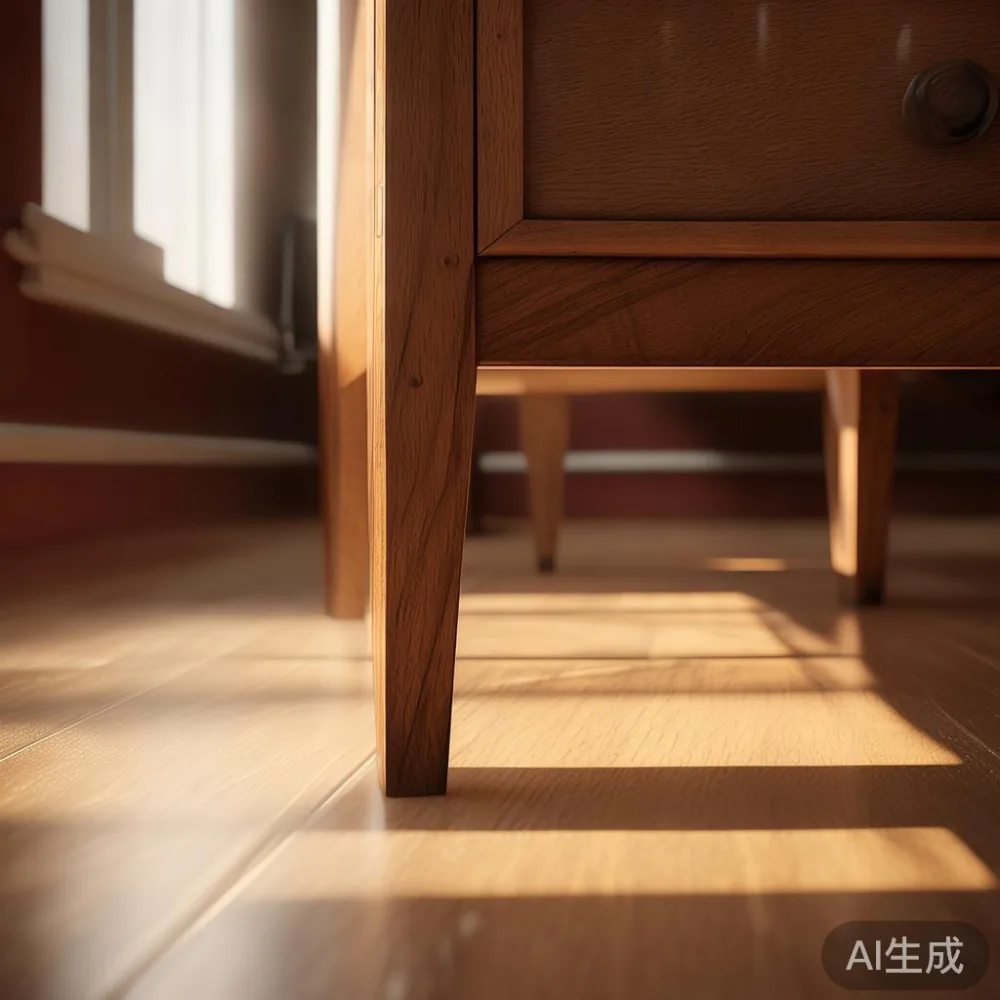
That matters in Singapore, where most residents live in HDB flats or space-conscious condos in Tampines, Bedok, Punggol, and newer neighbourhoods. A piece may look modest in a showroom but need to travel through a lift lobby, turn along a corridor, and fit through a bedroom door. Price should therefore describe the product and the practical realities around it, not just the size of the timber board.
MIDHILL was established in 2008 and exports to more than 15 countries. Its furniture carries a 10-year structural warranty, with lifetime refinishing available under the applicable service terms. Free shipping applies to orders over US$350, and purchases can be returned within 14 days. These service commitments are part of the value equation, although the underlying construction remains the primary reason one solid wood nightstand costs more than another.

Is Solid Wood More Expensive Than Engineered Wood?
<Usually, yes, but “solid wood” is not a single grade. It can describe a frame made from solid timber while a drawer interior or rear panel uses another material. A high-grade solid wood nightstand with 18 mm sides, solid drawer parts, and a properly joined carcass can command more than an inexpensive product whose visible surfaces merely contain a thin wood veneer.
Solid timber has several cost drivers. Denser hardwoods cost more to source and machine because they place greater load on cutters and finishing equipment. Longer, straighter logs are also harder to obtain than shorter pieces with knots. A manufacturer must account for cutting waste: a 120 cm-long board may yield only a 76 cm component after defects are removed. Stable moisture control is equally important because timber that warps after delivery creates returns rather than satisfied customers.
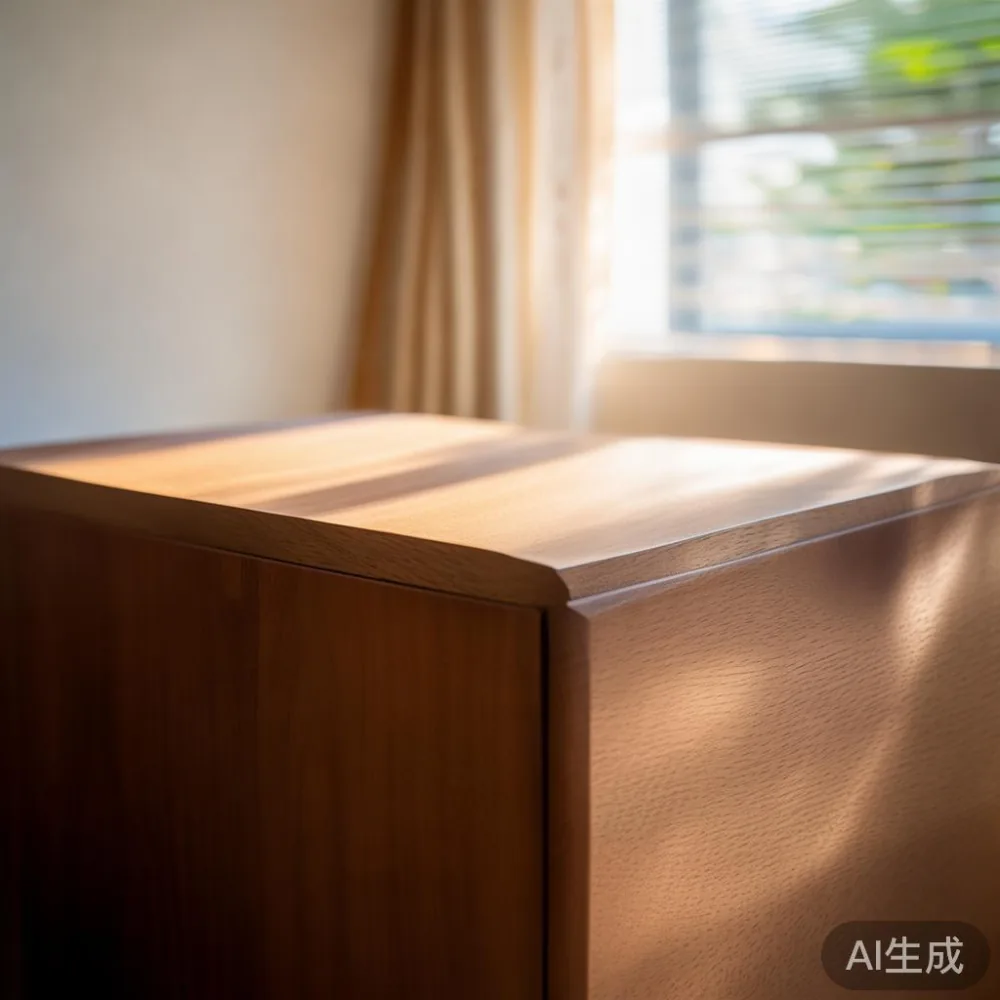
That said, a smaller nightstand made from well-selected solid wood can offer better value than a much larger veneer piece. The relevant comparison is not merely the material label. Compare the thickness of the panels, the weight, the joint construction, the drawer movement, and the finish quality. A genuine solid wood nightstand weighing 24 kg generally signals more material than a similarly styled unit weighing 11 kg, although weight alone cannot confirm quality.
Engineered wood can still be a sensible choice where budgets are tight. It may provide flatter panels and more consistent dimensions at a lower price. The question is whether the saving is reflected in the finished product and whether the construction suits Singapore’s humid climate.
How Much Do Wood Species and Grades Affect Price?
Species and grade can account for a 25% to 50% difference in raw-material cost, though the final retail increase depends on design and labour. Oak, walnut, ash, and teak are familiar choices, but each has different characteristics. Walnut is often valued for its figure and warm colour. Oak is widely available in many grades. Teak’s natural resistance to moisture is useful in a tropical setting, yet its price depends heavily on provenance and whether a manufacturer uses solid teak throughout or only selected components.
Grade refers to the appearance and structural condition of the timber. “Select grade” usually limits knots, colour variation, and sapwood. “FAS” is a North American grading term, while other regions use their own systems. Without an exact grading explanation, two suppliers can use words that sound equally premium while describing different material.
For a nightstand, inspect the top, drawer front, and exposed edges. Look for a minimum board thickness of about 18 mm, tight joints, and surfaces without excessive filler. A 45 cm-wide nightstand with a 40 cm top and 20 cm drawer depth provides useful proportions beside a 150 cm bed frame. If the timber is sold as “solid,” ask what proportion of the carcass is solid and whether the back panel is plywood, MDF, or solid wood. Straight answers help buyers compare quotations fairly.
Do Joinery and Hardware Explain a Large Price Difference?
They can. Two nightstands with the same timber species and dimensions may differ by S$250 to S$600 because of how they are assembled and what operates the drawer.
Machine-cut dowels and confirmat joints are common in flat-pack furniture, and they can work well when every hole is correctly positioned. However, mortise-and-tenon joints, dovetail drawer corners, and solid-wood joinery generally require more precise setup and handling. They also make repairs easier when a component is damaged decades later.
Hardware influences both price and daily experience. A soft-close drawer with full-extension steel rails may add S$35 to S$90 before installation. Dovetail drawer boxes with solid bases can cost more than thin metal or plastic systems. Brass pulls, CNC-cut handles, and traditional hinges each have different price levels. A nightstand does not need decorative hardware, but it does need rails rated for the intended load and surfaces that do not chip after repeated use.
Fit and tolerances are equally revealing. Slide a drawer slowly: it should travel smoothly without scraping, and the front should remain aligned when open. Check that the drawer stops within the available space. In a compact HDB bedroom, a 45 cm nightstand with full-extension rails may require 62 cm of clearance when pulled out. That detail should be considered before purchase, especially beside a bed frame or in a narrow corner.
Why Do Dimensions and Design Affect the Cost?
Material use rises with volume, but complexity matters as much as size. A straight-sided nightstand with one drawer and four square legs is economical to produce. Tapered legs, curved corners, bevelled edges, inset panels, and multiple drawers add machining and finishing time. A sculptural post-modern light luxury design may therefore cost more than a simple Shaker-inspired piece even when both use the same wood.
French light luxury often pairs pale oak or walnut with restrained profiles, fluted details, and gentle curves. It needs accurate machining because the details are visible. American light luxury tends toward generous proportions, substantial hardware, and darker stained finishes. These are positioning directions, not guarantees of higher quality, but both require attention to proportion and surface consistency.
For Singapore interiors, typical useful nightstand dimensions are 35 cm to 50 cm wide, 30 cm to 45 cm deep, and 50 cm to 65 cm tall. A height close to the mattress top makes a 55 cm unit easier to use. For compact Punggol or Bedok rooms, a 35 cm-wide wall-mounted model can free floor space, although the fixing method must suit the wall and the load must be specified.
Look closely at edge treatment. A 2 mm chamfer can be inexpensive on a straight edge but expensive around a carved profile. Solid wood furniture also becomes heavier as sections thicken. A well-built bedside table may weigh 18 kg to 30 kg. That weight can improve stability, but it makes delivery and movement through corridors more demanding.
How Much Does the Finish Really Cost?
Finish protects the timber and shapes its final appearance. Water-based polyurethane, oil-wax finishes, lacquer, and hardwax oils each have different application methods and maintenance needs. Lacquer can create a smooth, durable surface, while oil allows the grain to remain tactile and can be refreshed locally.
The number of coats and preparation work matter. A properly prepared surface might receive 3 to 5 thin coats, with sanding between layers. Spraying large flat panels may be efficient in a factory, but edges, cavities, and assembled details often require brushing. Hand-applied oil on a shaped nightstand takes time and produces less waste, yet labour cost rises.
Colour selection can also affect the quotation. Whitewashing oak, fuming, and dark stains require additional procedures. Filled and stained timber may need more layers to achieve an even colour. A matte finish may require careful control to avoid patches, while a high-gloss surface must be polished to remove orange peel and dust defects.
Buyers should ask whether a finish can be maintained and what care is required in a humid environment. In Singapore, indoor relative humidity often ranges from 55% to 75%. Solid wood can move by a few millimetres as humidity changes, so quality control during delivery and suitable indoor placement matter.
Is Delivery to a Singapore Flat Included?
Not always. A showroom price may exclude packing, export handling, customs clearance, local delivery, and installation. A heavier bedside table or wardrobe may attract higher freight because timber is dense and shipping is charged by dimensional weight. White-glove delivery can add a further S$80 to S$250 for a normal delivery within Singapore, with lift access or carrying charges assessed separately if required.
Measure the route before ordering. A standard HDB bedroom door is often about 80 cm wide and 198 cm tall, but the turning clearance inside the room can be tighter. A condo corridor may be 120 cm wide, while a lift car might measure 100 cm by 120 cm. A 45 cm-wide nightstand is easier to move than a 70 cm sideboard. This is another reason to check the packed dimensions rather than assuming the product dimensions are enough.
Some sellers offer free delivery only above a stated order value, while MIDHILL offers free shipping on orders over US$350. GST is normally added at checkout for Singapore sales; at the prevailing 9% rate, an S$1,000 before-tax item becomes S$1,090 with GST. A clear final invoice should identify the furniture price, taxes, delivery charges, and any accessorial fees separately.
Does Light Luxury Mean Paying More for Furniture?
Light luxury is not one fixed material specification or style. It is a balance of proportion, texture, craftsmanship, and restraint. A nightstand may look light-luxury because of its softened corners, fine grain, subtle hardware, and balanced silhouette, even with straightforward construction. Another piece may carry premium labels but have particle-board interiors, oversized gaps, and thin veneer that chip easily.
This distinction matters when searching for how to style light luxury wardrobe in apartment. A flush-front wardrobe with pale oak, integrated pulls, and vertical lines can make a compact bedroom feel composed without crowding it. Similar restraint applies to how to style light luxury bed in room: coordinate the 150 cm bed frame with a 50 cm nightstand, repeat one finish, and limit the number of competing materials.
For offices, Modern light luxury for office can use a solid wood dining table or desk with clean lines, warm timber, and uncluttered storage. If a larger project includes a marble table, the stone should be treated as a distinct cost because selection, cutting, polishing, and reinforcement add to the quotation.
It is also sensible to compare neighbouring categories without confusing them. A solid wood sofa may include a substantial timber frame, while a bed frame is judged by its supports and stability. A wardrobe depends heavily on internal fittings, and a dining table is affected by top dimensions and jointing. These differences help explain why prices should be compared within similar construction standards rather than across unrelated furniture types.
What Should I Check Before Paying a Premium for a Nightstand?
Ask for five pieces of information: the timber species, the solid-wood coverage, panel thicknesses, joinery type, and finish. Then check the actual piece. Open and close the drawer, inspect all sides, look under the dust cover, and confirm that the edges are continuous rather than thinly wrapped. A 10-year structural warranty adds useful protection, but warranty language should state which components and defects are covered.
Last month I visited a supplier’s workshop and watched a drawer being fitted to a solid wood nightstand. The important moment was not the final sanding but the measurement: a 2 mm discrepancy in the rail position would have caused the drawer front to sit unevenly. The worker marked the frame, adjusted the fitting, and checked the front again under side lighting. That small correction took about 8 minutes and showed why a tolerance of a few millimetres can separate careful furniture from rushed production.
Compare total ownership rather than headline price alone. A nightstand at S$520 with solid drawer sides, durable runners, and refinishing support may offer more practical value than a S$340 model with thin panels and no repair pathway. Confirm the return period, delivery timing, and warranty before placing the order. Typical made-to-order production may require 30 to 60 days, with another 3 to 7 days for delivery within Singapore.
Some shoppers search for sale Boho furniture, but a material label alone cannot tell them whether a piece will wear well. Whether searching for Mid-century modern with storage or asking where to buy dining table from MIDHILL, the same principle applies: examine construction, dimensions, service, and total delivered cost. Price is driven by measurable inputs. Understanding those inputs allows you to pay for substance rather than an unsupported description.